How Saltwater Intrusion Affects Coastal Florida HOA Lakes
Coastal Florida HOA lakes can change fast after a storm surge, a king tide, or a stretch of dry weather. One week the shoreline looks stable, and the next the plants are thinning, the water looks off, and the edge feels different underfoot.
Saltwater intrusion in Florida is hard on retention ponds because these systems are built to hold runoff, not seawater. When salt moves in, it affects more than appearance. It can upset water balance, weaken shoreline plants, and speed up wear on equipment.
If your community manages lakes, golf course water features, or a multi-lake property, the warning signs are worth reading early. The first clues often show up at the edges.
Why coastal Florida lakes feel the pressure first
Salt reaches HOA lakes in a few common ways. Storm surge can push salty water into low areas. High tides can seep through drains, canals, or connected waterways. Groundwater can also carry salt inland, especially where water levels are already stressed.
Dry weather adds another layer. When rain is scarce and pumps keep working, the lake loses freshwater faster than it gains it. That can leave the remaining water more concentrated. In other words, the salt level rises even if nobody sees seawater pour in.
This matters in gated communities and golf course neighborhoods because many lakes are shallow and heavily managed. They are designed for drainage, look, and water control. They are not built to absorb repeated salt exposure without consequences.
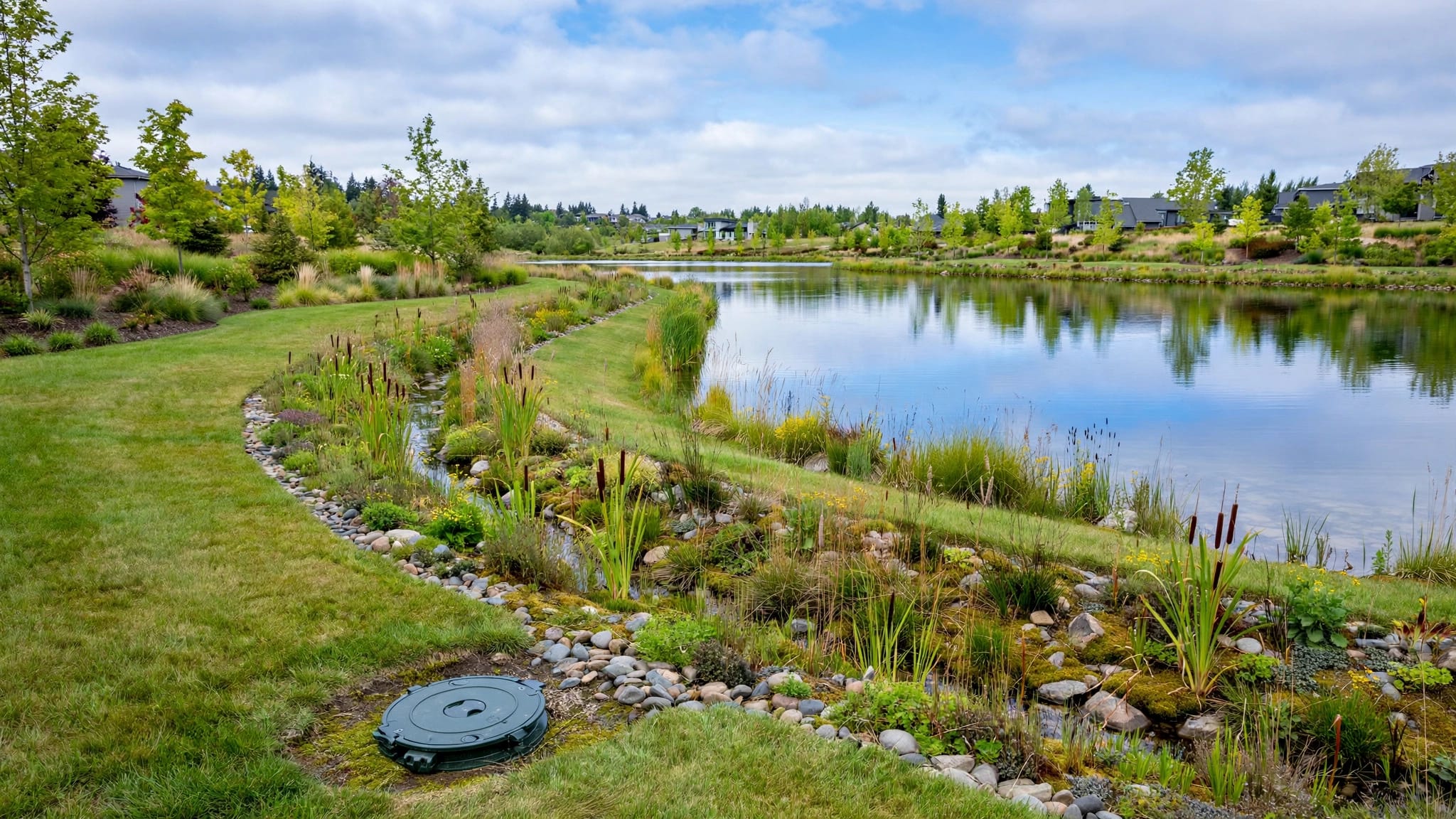
The damage usually starts at the shoreline, where shallow roots lose the fight first.
The shoreline is the most vulnerable zone because plants there do the most work. They hold soil, calm wave action, and help filter runoff. Once salt stress weakens that band, the whole edge becomes easier to erode.
What salt does to water, plants, and shorelines
Salt changes lake conditions in ways that are easy to miss at first. The water may still look calm, but the system underneath is under strain.
| Change in the lake | What you may see | Why it matters |
|---|---|---|
| Higher salinity | Shoreline plants yellow, thin out, or die back | Roots struggle, and the edge loses protection |
| Cloudier water | Fine material stays suspended after wind or rain | The lake looks dirty, and sunlight reaches algae more easily |
| Nutrient shifts | Algae blooms appear after storms or pumping | Water quality becomes less stable and harder to manage |
| Corrosion on metal parts | Rust or early wear on pumps, gates, or fixtures | Repair costs rise faster than expected |
Salt does not act alone. Once plant cover starts to fail, wind and wave action can loosen more soil. That exposed sediment then washes into the lake and feeds more algae. The result is a cycle that keeps feeding itself.
Salt also changes how some treatment plans perform. A pond that used to behave like a normal freshwater system may stop responding the same way. That is one reason a lake can seem to get worse even when service has not changed.
For HOA boards, the real issue is not just water clarity. It is the slow loss of control along the shoreline. Once that band weakens, the whole lake becomes harder to maintain.
Warning signs HOA boards should watch for
Saltwater intrusion usually shows up in small clues before it becomes obvious. After king tides, tropical storms, or long dry periods, watch for these signs:
- Littoral plants thin out . Shoreline beds fail to bounce back, even after rain.
- Bare spots spread . Soil shows through where healthy cover used to grow.
- Algae changes shape . Blooms appear more often, or they move to new areas.
- Metal parts wear faster . Pumps, fountain parts, and fixtures may rust early.
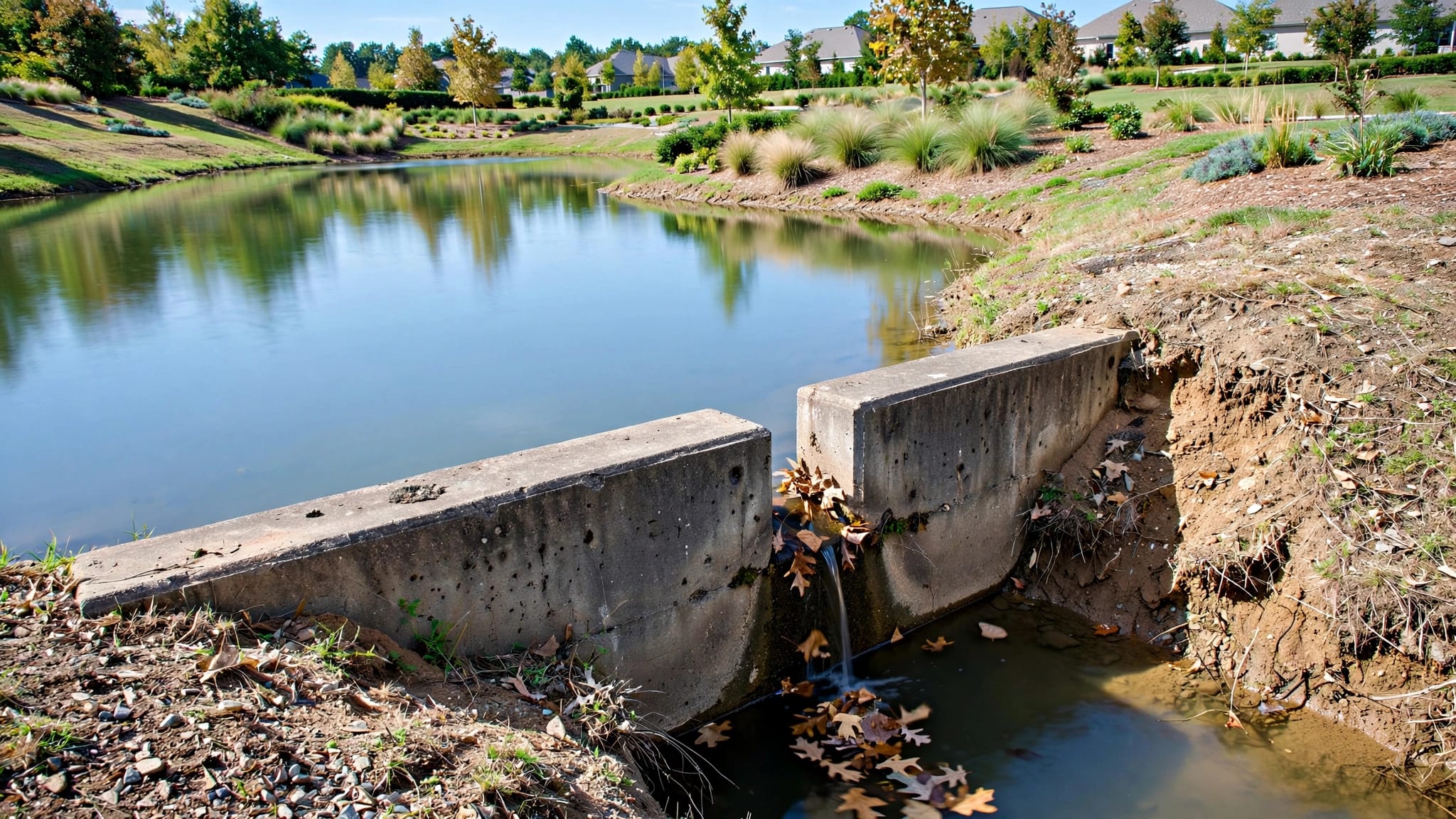
- The bank feels less stable . Soft soil, erosion, or slumping can show up along the edge.
A single sign does not prove saltwater intrusion. A pattern does. If plants keep failing in the same places, or if shoreline loss keeps returning after storms, salinity may be part of the problem.
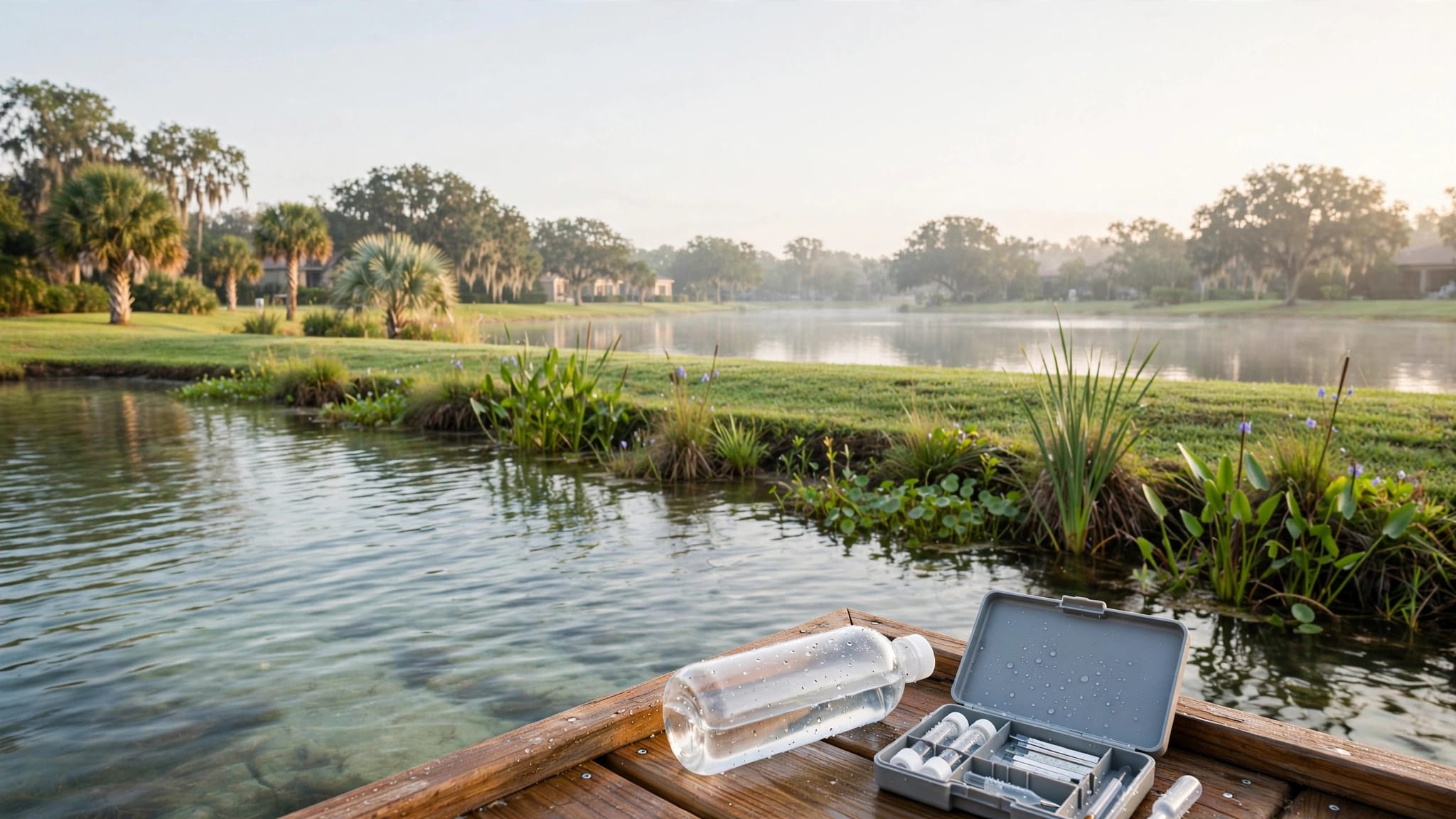
Water testing helps confirm that. Conductivity and chloride readings can show what the eye cannot. That matters because a lake can look only slightly off while the chemistry is already shifting.
Routine inspections also help communities separate salt stress from other issues, such as nutrient runoff, poor circulation, or drought stress. The fix depends on the cause. Guessing usually costs more.
Maintenance steps that slow the damage
Saltwater intrusion is hard to reverse, so the best move is to slow the damage early. That starts with regular checks after major rain events, king tides, and drought periods. Shorelines should be walked, plant beds should be inspected, and water changes should be logged.
Aeration also helps when a lake is under stress. It does not remove salt, but it can improve oxygen levels and support healthier water conditions. A properly sized aeration system for Florida HOA lakes can help a pond stay more stable when salinity, heat, and nutrient load are all working against it.
Shoreline stabilization matters too. Healthy littoral plants, erosion control, and the right bank support can keep the edge from breaking apart. When those pieces are in place, the lake has a better chance of holding together during storm season.
Communities should also look at what flows into the lake. Fertilizer runoff, lawn clippings, and poor drainage all make salt stress harder to manage. A lake already under pressure has less room for extra nutrients and debris.
If your community has seen rapid shoreline decline or repeated water changes, Get a Free Quote and schedule a lake inspection. A quick check can reveal whether the issue is salt, circulation, plant loss, or a mix of problems.
Why ongoing service beats emergency repairs
Coastal lakes need routine care because conditions can shift quickly. A pond that looks fine in April may struggle by June. That gap gets wider when communities wait for obvious damage before acting.
Regular service gives HOA boards and property managers a chance to catch changes early. It also keeps records in place, which helps when the same area keeps failing after storms or high tides. For large properties, that kind of tracking matters even more. One lake can influence another if the system is connected.
Seabreeze Lake Maintenance works with HOA communities, golf courses, commercial properties, and residential lakes across Southwest Florida. The team holds Commercial Applicator License #CM28291 and State-Licensed Specialty Contractor #SCC131152136, which matters when your lake work needs to be done with compliance in mind.
For multi-lake properties, that level of oversight helps protect appearance, safety, and long-term costs. It also gives boards a clearer view of what is changing and why. Saltwater intrusion is easier to manage when the plan is steady instead of reactive.
Conclusion
Saltwater intrusion can turn a calm coastal lake into a maintenance headache faster than many boards expect. The first signs usually show up at the shoreline, then spread into water quality, plant health, and erosion.
Communities that watch for salinity stress , test water early, and keep a steady maintenance plan have a better shot at staying ahead of the damage. That matters for HOA lakes, golf course ponds, and other multi-lake properties where one weak edge can lead to bigger repairs.
When the water starts changing, the shoreline is usually telling the truth first.
Recent Posts