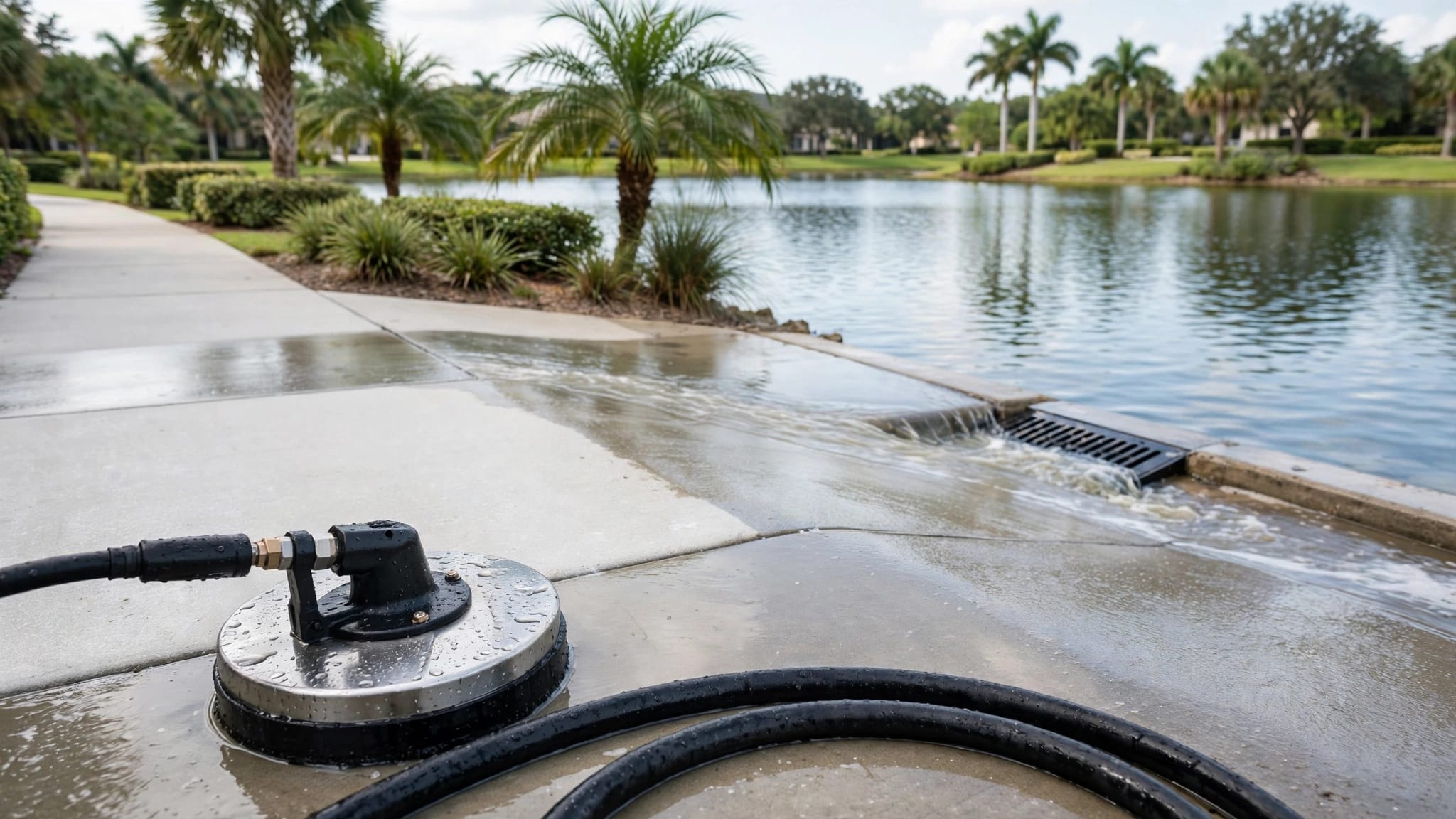
Yes, pressure washing wastewater can pollute Florida HOA lakes when cleaning chemicals, loosened debris, and contaminated rinse water enter storm drains or flow across shorelines. The safest approach is to contain and recover wash water before it reaches the community's draina...
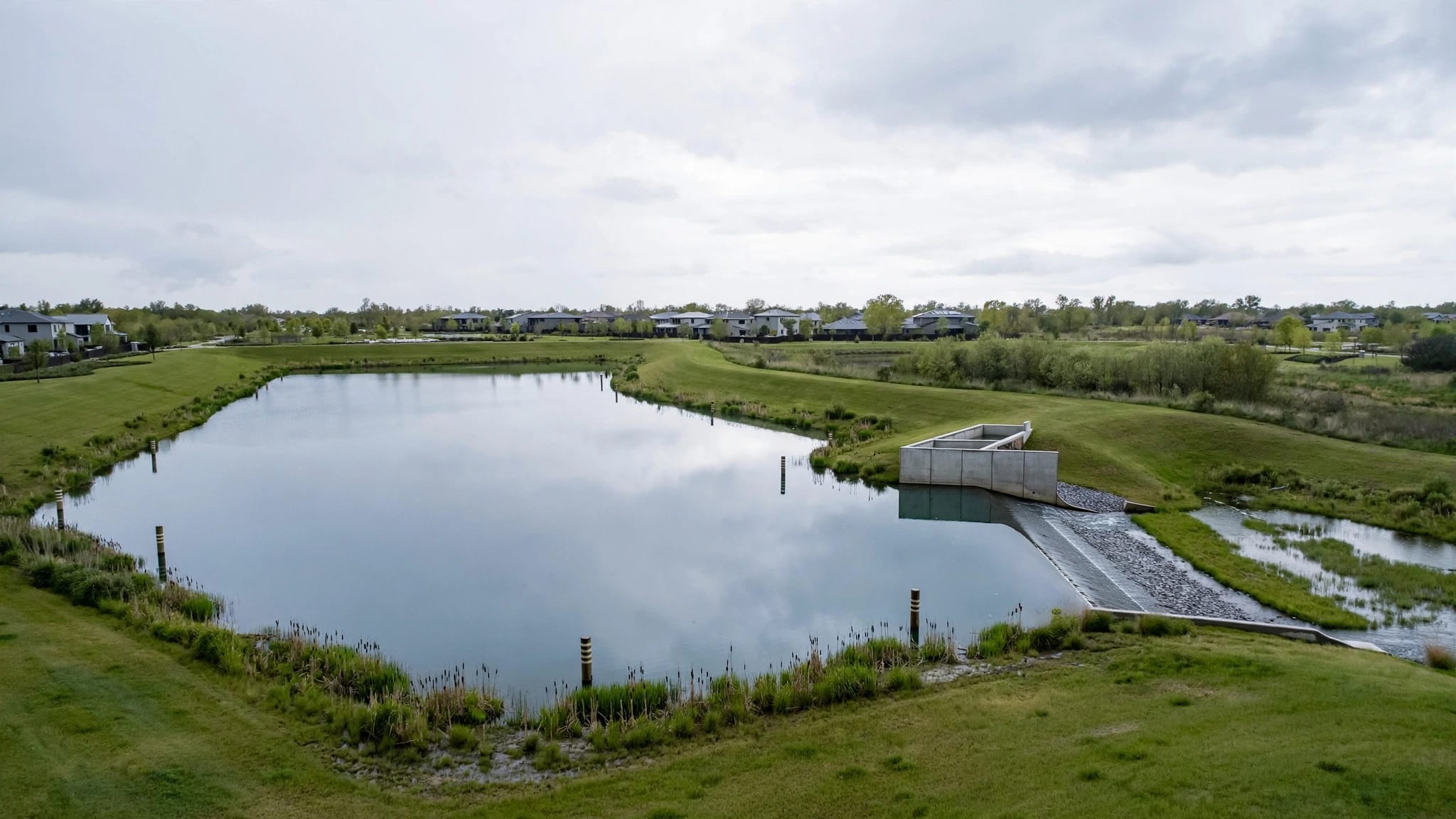
Lake freeboard matters to HOA stormwater capacity because a pond's starting water level affects its room for additional runoff. For your board, the practical priority is working drainage , supported by consistent observations and maintenance. A lake can look clean while an obs...
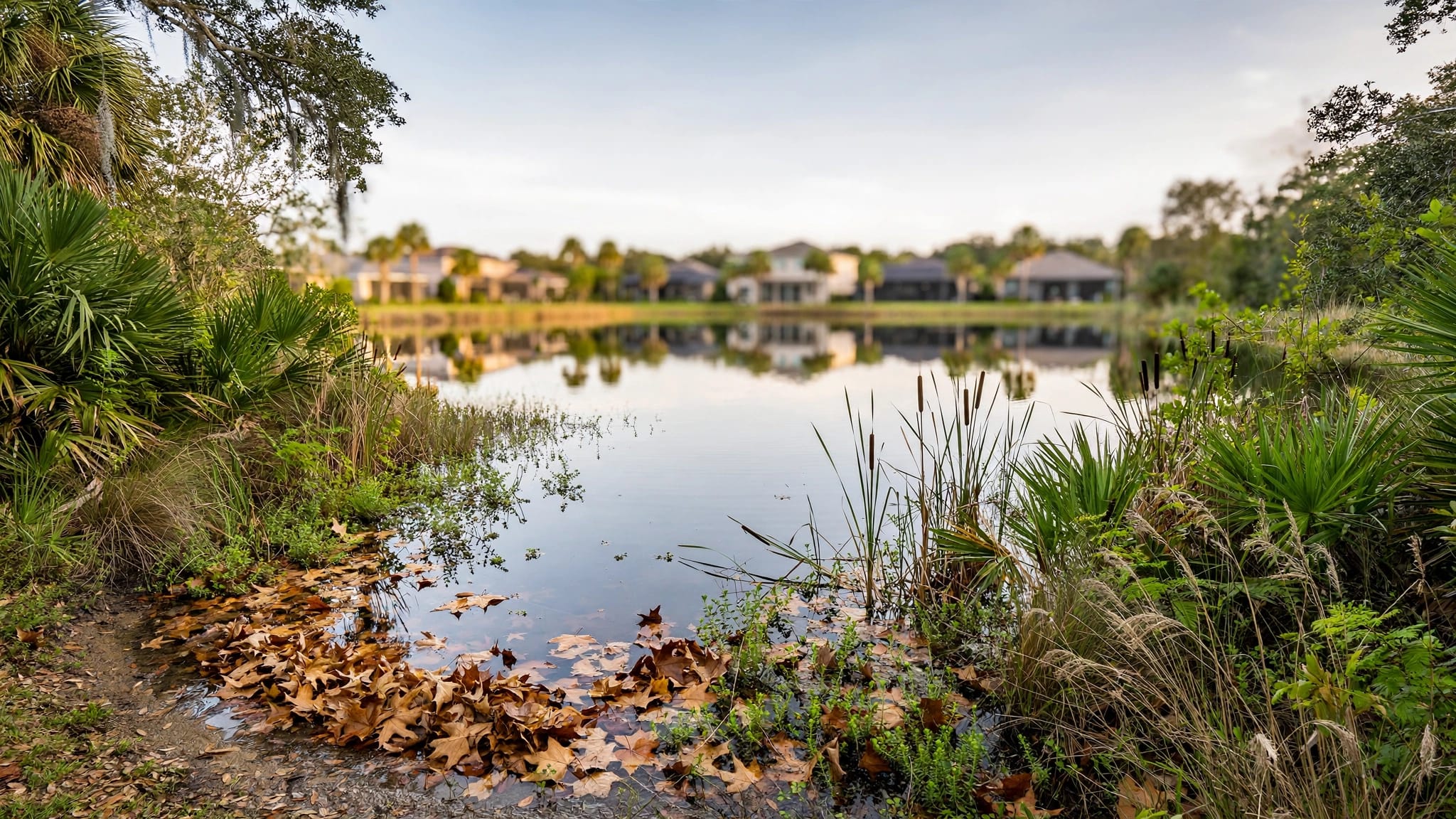
Yes, leaf litter can raise nitrogen and phosphorus levels in Florida HOA lakes as it breaks down. It also adds organic matter that uses dissolved oxygen during decomposition, especially where debris collects in shallow, poorly circulated water. For retention ponds, gated commu...

Yes, golf course pesticide runoff can affect community lake water quality when rain or excess irrigation carries turf chemicals into drainage systems. However, a lake's location beside a fairway doesn't establish pesticide contamination. For HOA boards and golf course managers...
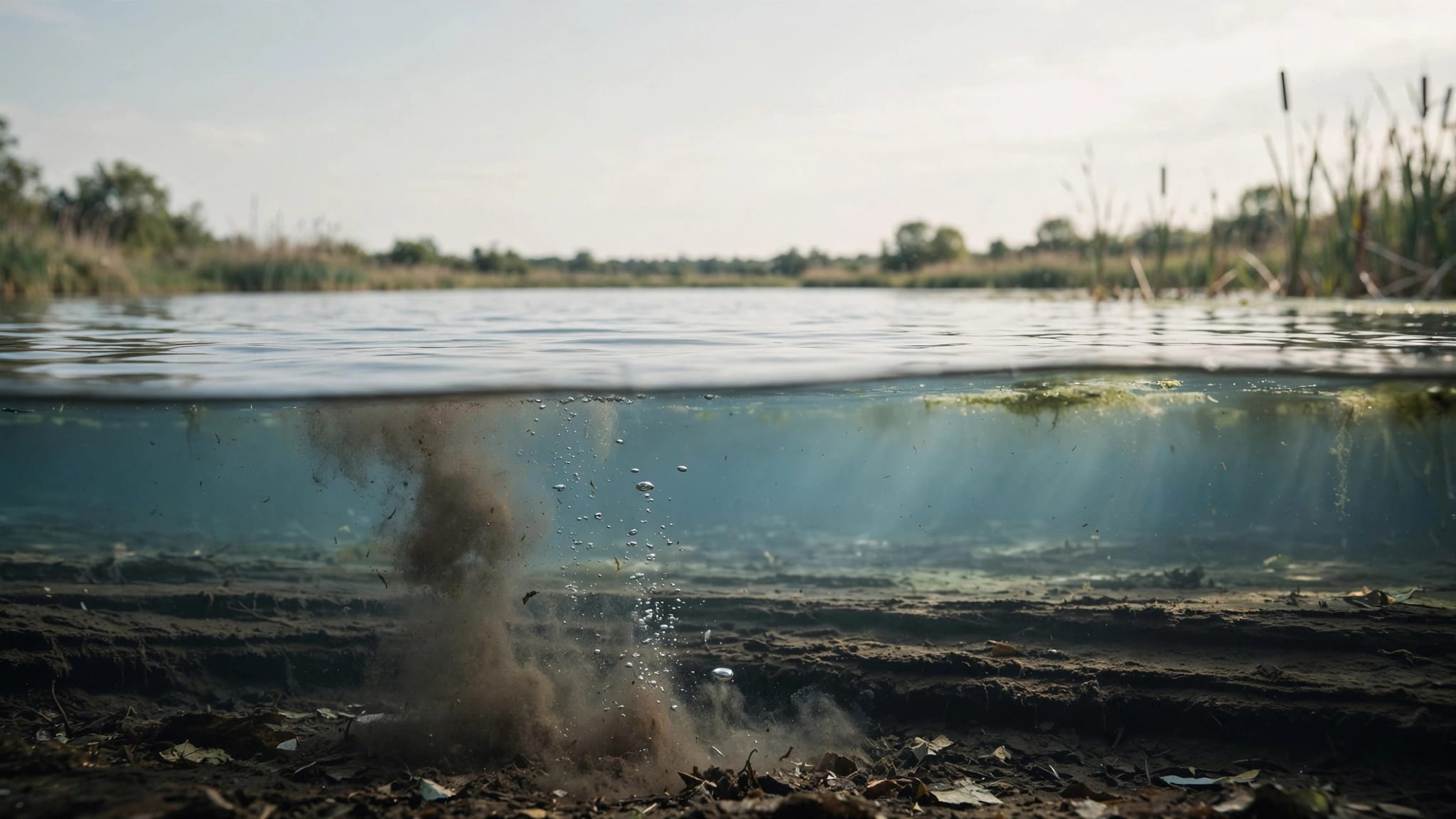
When lake sediment releases phosphorus back into the water, it can feed recurring algae growth even after a surface bloom is treated. This process, called internal phosphorus loading , occurs when phosphorus stored in bottom sediment returns to the water column. For HOAs, golf...
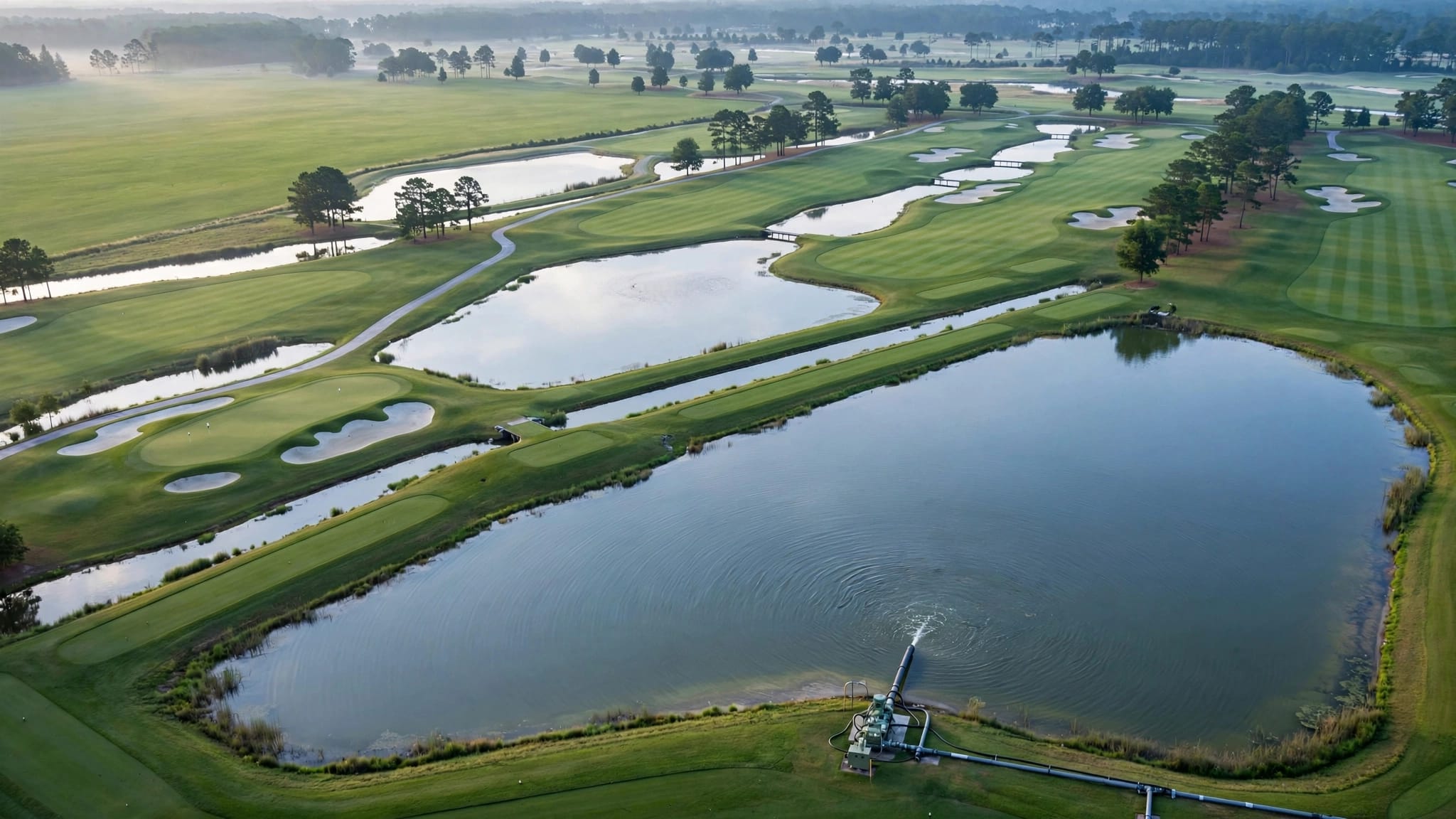
A useful estimate of golf course irrigation demand starts with the water actually drawn from each lake, not a property-wide average. Track pump flow and run time by intake, then compare those withdrawals with lake levels and other water entering or leaving each basin. That app...
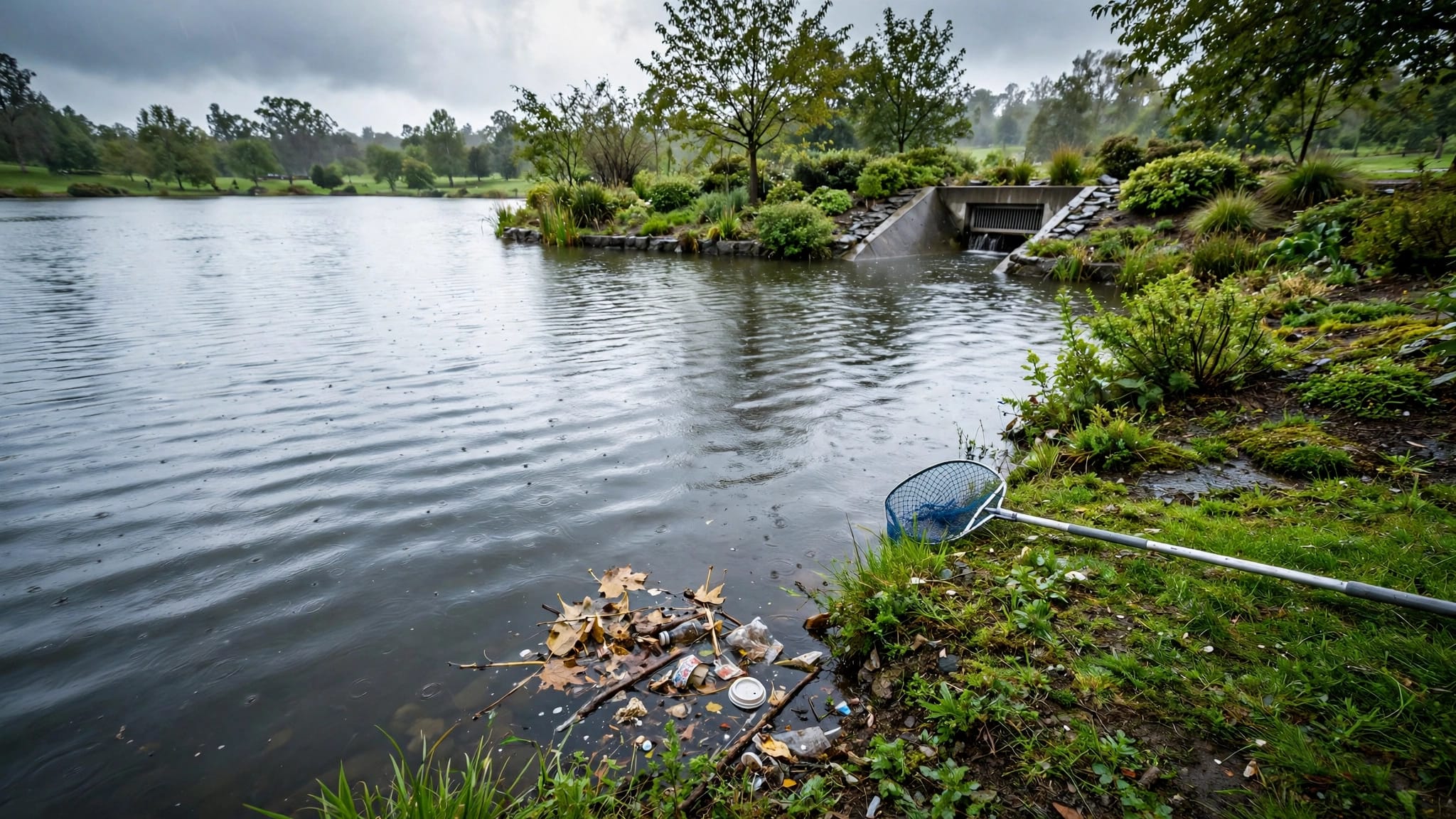
After heavy rain, floating debris shows what runoff has carried into a community lake. Prompt lake debris removal can clear accessible material before it sinks, breaks apart, or gathers around drainage structures. For HOAs, golf courses, and gated communities, the first priori...
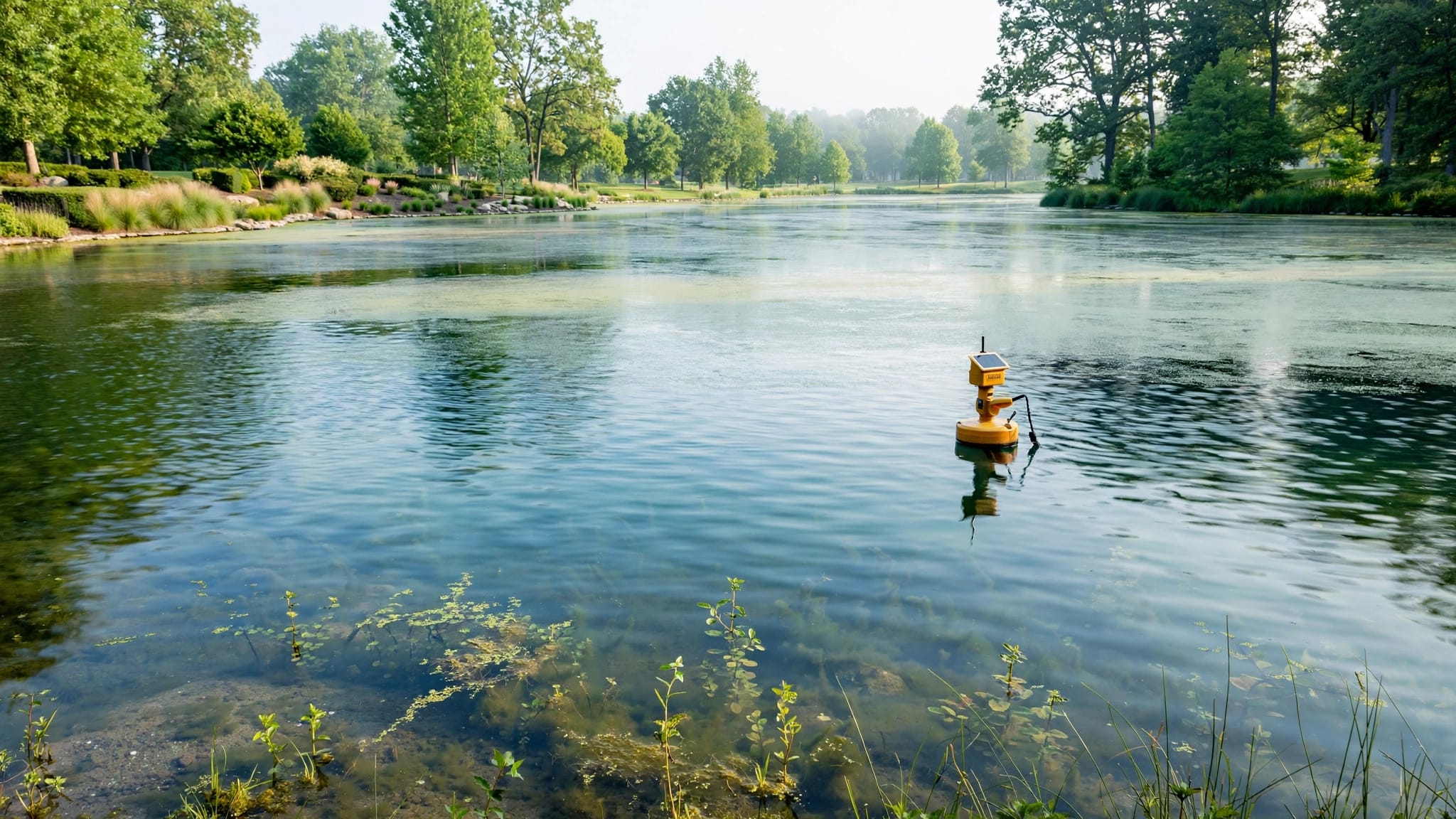
A lake can look clear from shore while nutrient pressure and oxygen stress build below the surface. For HOA boards, golf courses, and property managers, understanding lake trophic state helps turn water-quality results into practical maintenance decisions. Trophic state descri...
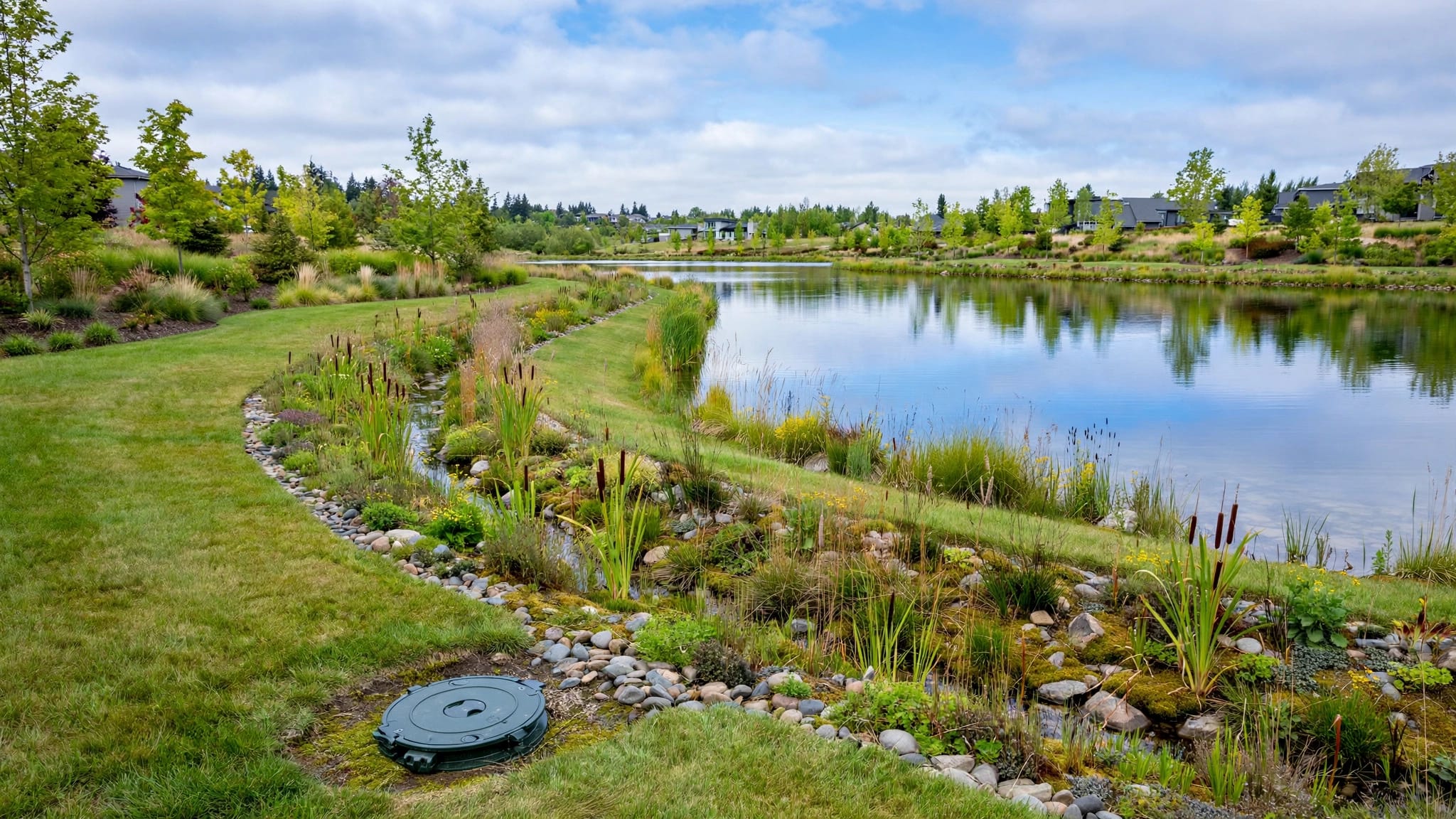
Yes. A septic system leak can affect a community lake if wastewater reaches the shoreline, a stormwater inlet, or groundwater that connects with the lake. The size and type of impact depend on the leak, the site's drainage, and how residents use the water. For HOAs, golf cours...
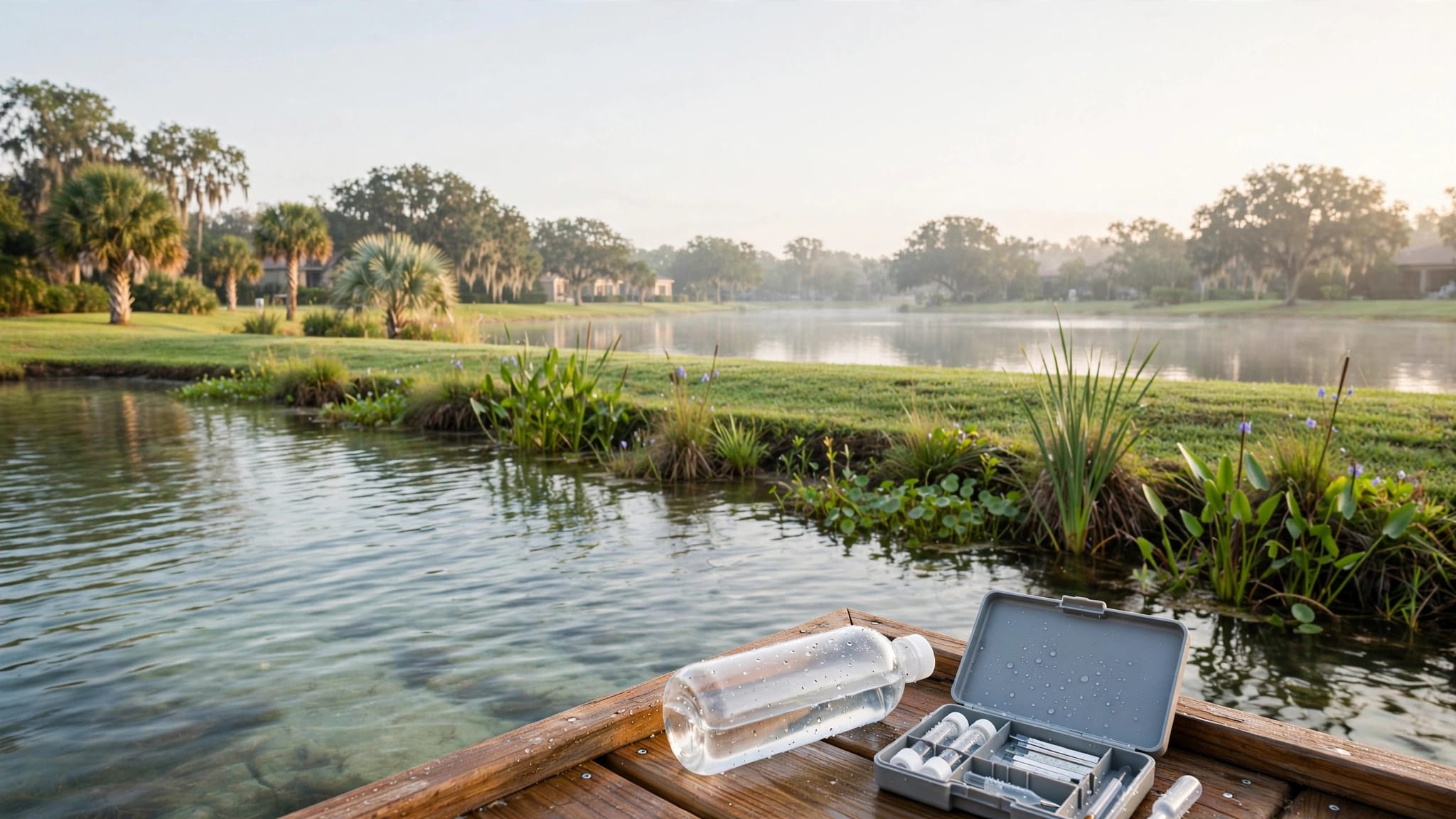
A sulfate result can tell an HOA something about the dissolved minerals in a lake, but it cannot diagnose a lake problem on its own. Sulfate levels in lakes need context , including the water source, other test results, and changes over time. That distinction matters for reten...
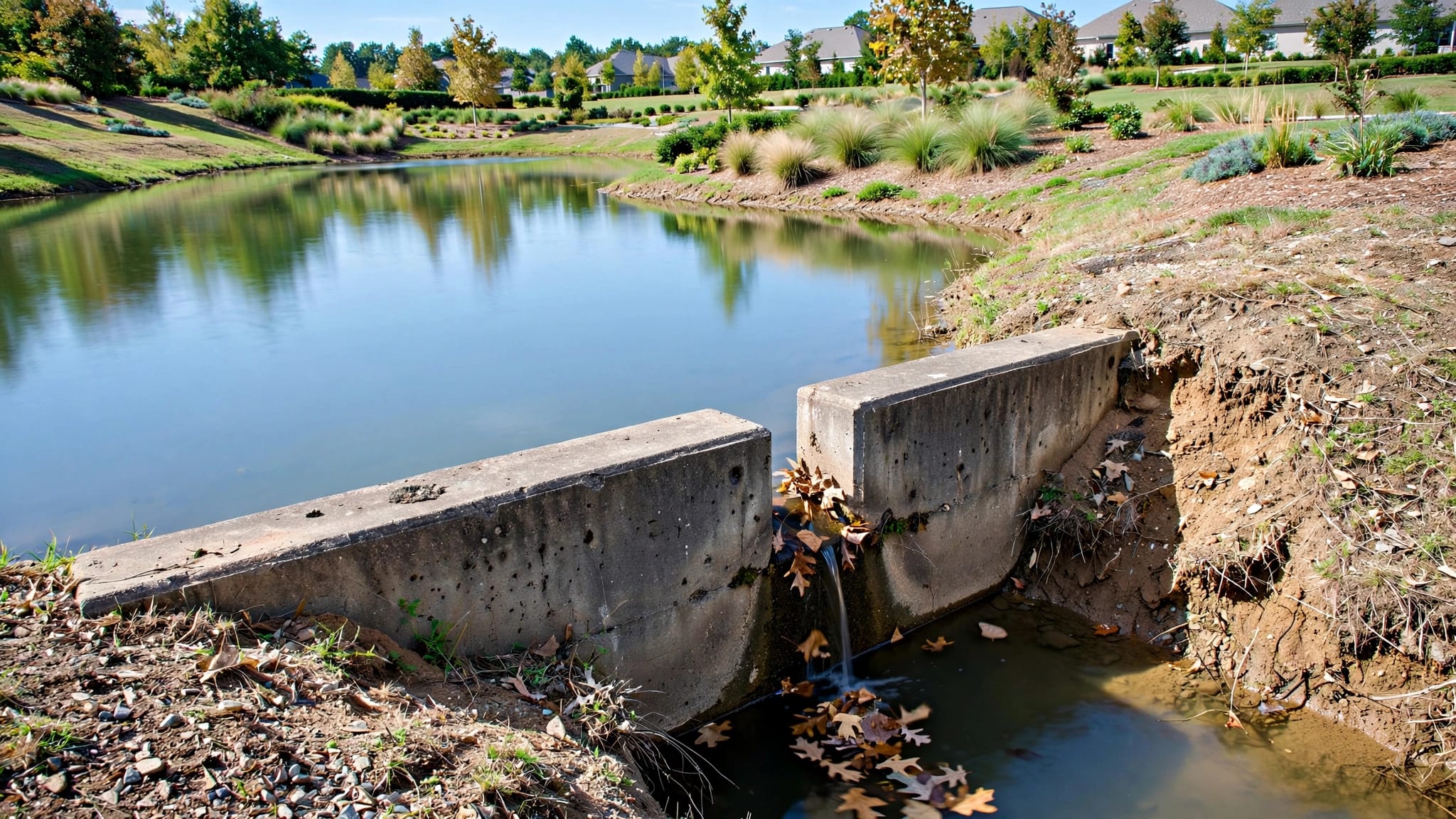
A visible flow from an outfall during dry weather deserves attention, but it doesn't identify the source by itself. A careful inspection of HOA lake outfalls helps your community document what's happening, spot nearby damage, and decide what follow-up makes sense. For gated co...
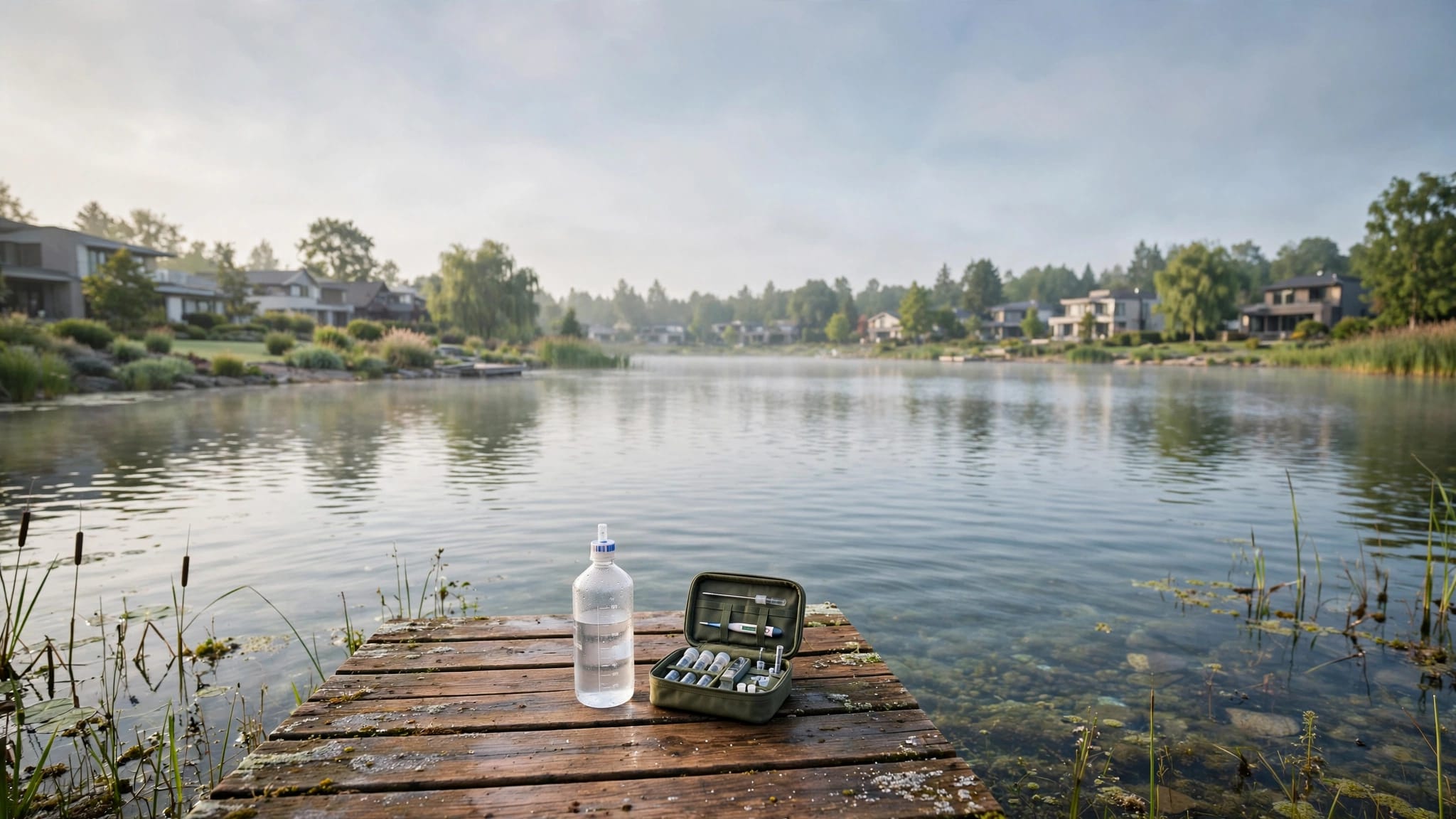
A chloride reading can help explain changes in a community lake, but it rarely tells the whole story by itself. For HOAs, golf courses, and gated communities, the useful question is whether a result differs from the lake's normal pattern and what could be driving that change....
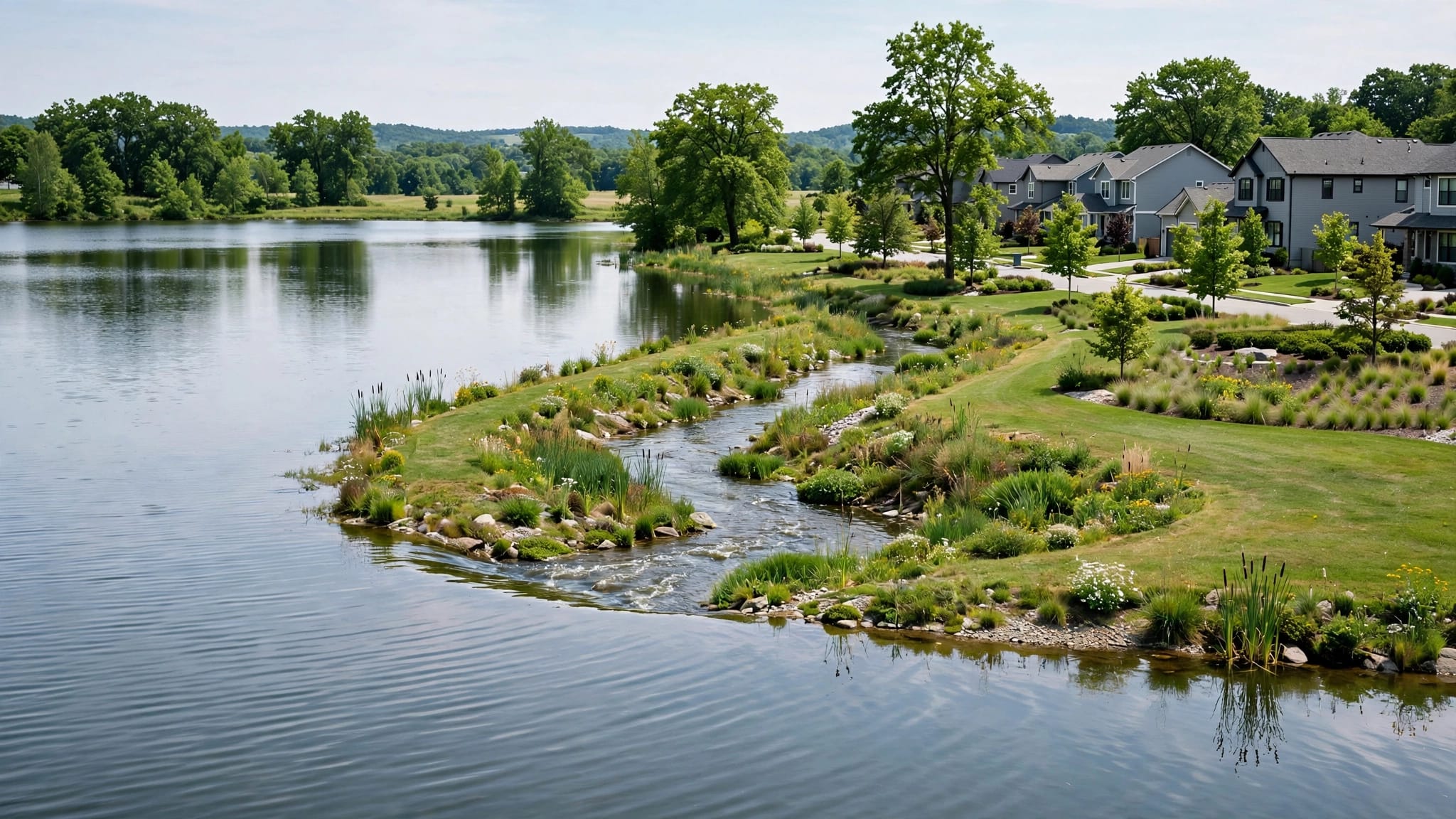
Water softener discharge may matter to a community lake if it reaches the lake through a drain, swale, or connected basin. However, its presence alone doesn't prove that lake conditions have changed or identify the cause of a water-quality problem. For HOAs, golf courses, and...

A community lake can look fine from the road while weeds spread, an outlet clogs, or a shoreline starts to wash away. For HOAs, golf courses, and gated communities, effective lake maintenance protects appearance and helps the waterbody keep doing its job. The best plan matches...
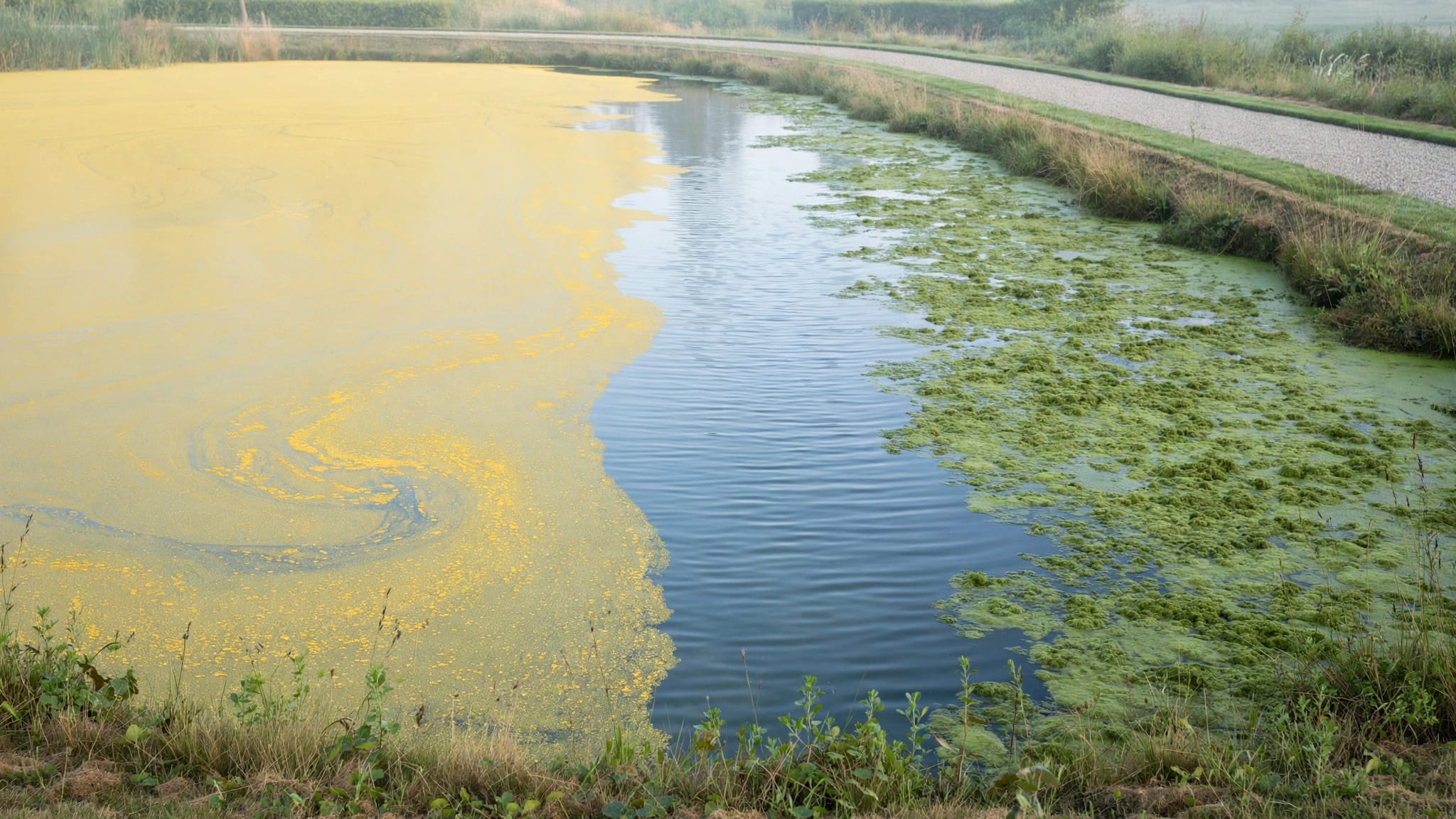
A pale film on a retention pond can trigger resident complaints before anyone knows what it is. In a gated community or golf course, the difference matters: pollen may be a temporary surface deposit, while algae can signal a water-quality issue that needs attention. Good lake...
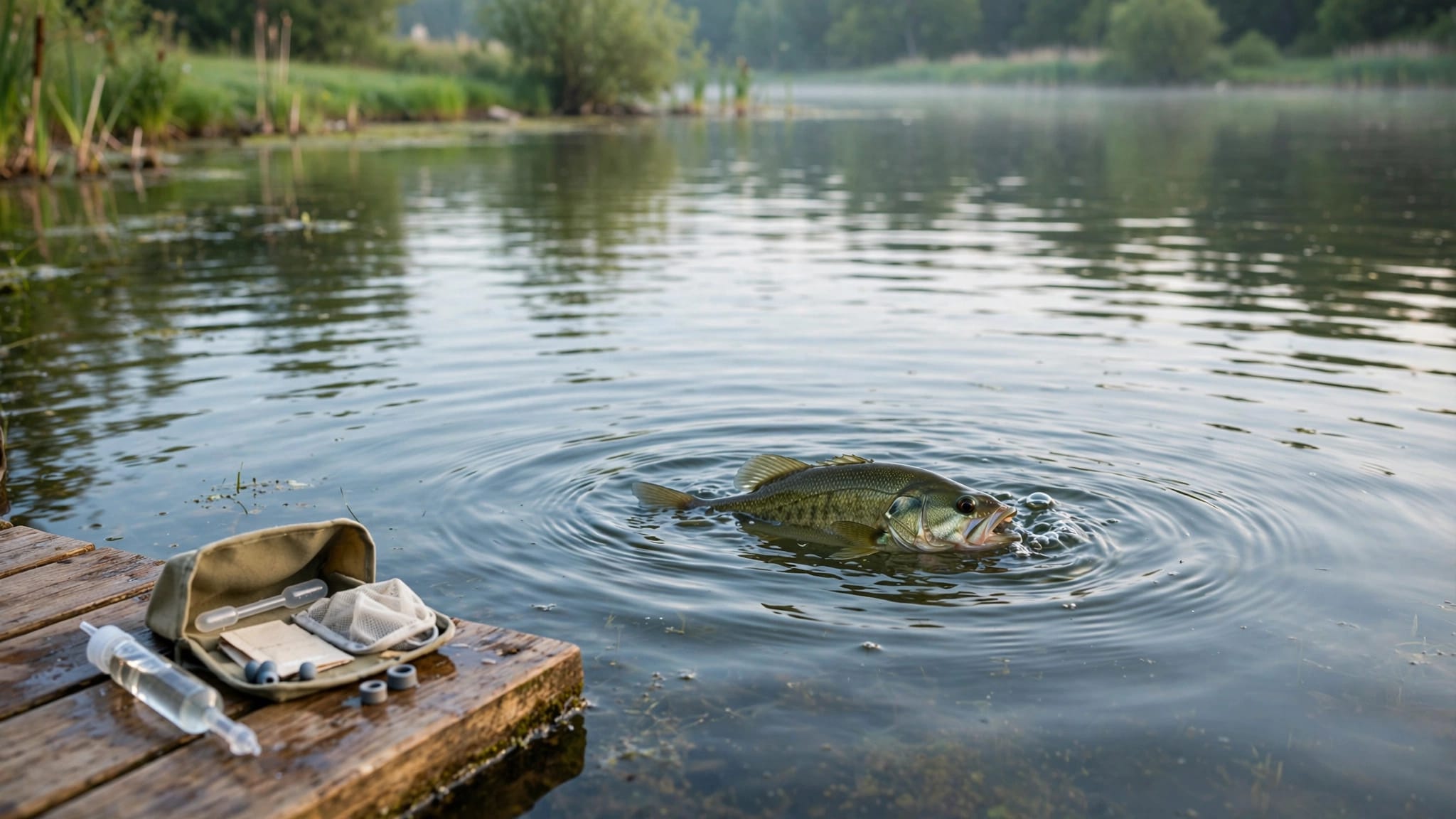
Fish can struggle to breathe even when a lake contains enough dissolved oxygen. Elevated nitrite can interfere with oxygen transport inside their bodies, so a water test needs more context than a single number. For your HOA, golf course, or multi-lake property, the priority is...
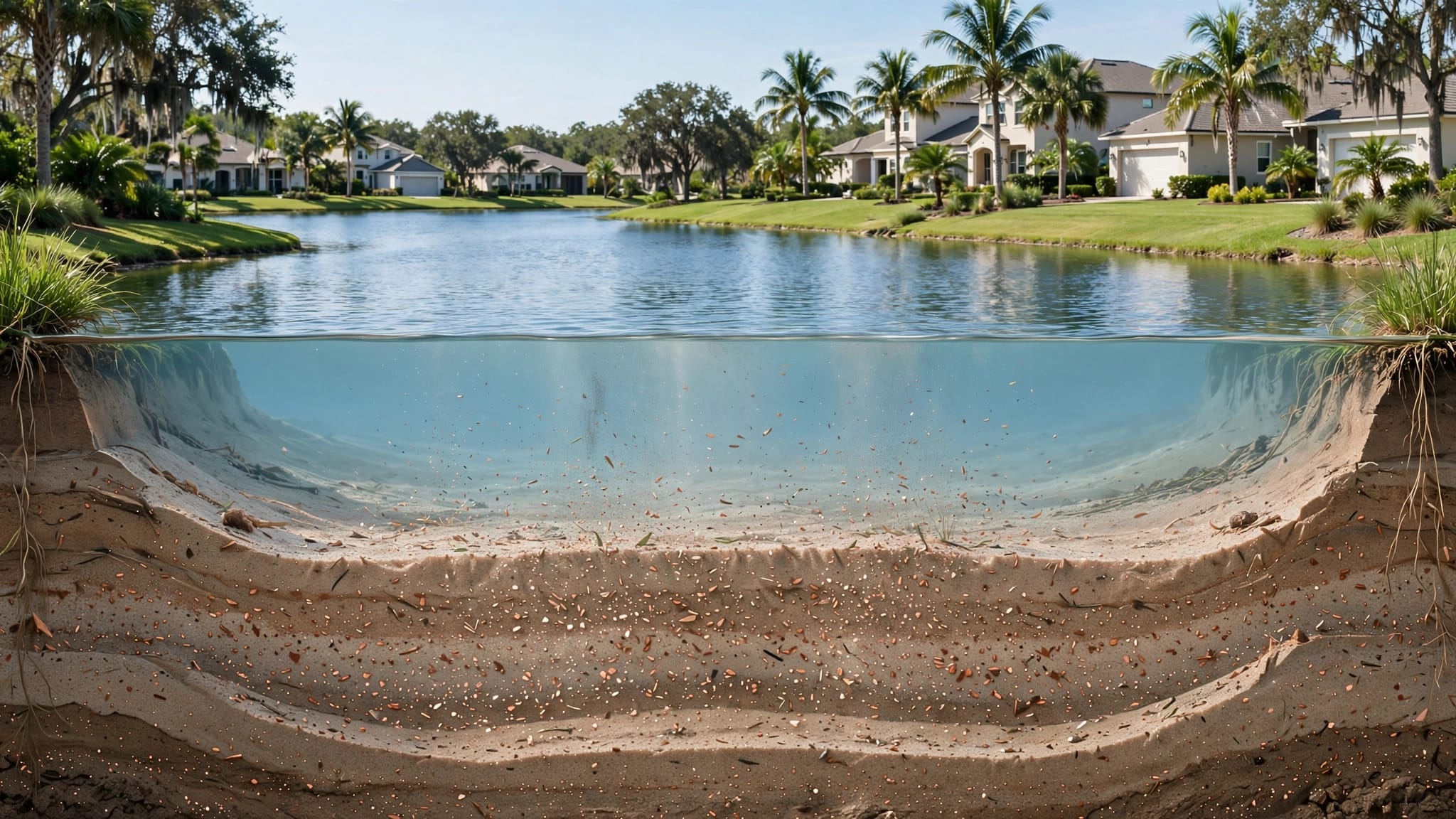
A lake can look clear after algae treatment while retaining copper in its bottom sediment. For HOA boards, that means a cleaner surface doesn't tell the whole story about repeated applications. Copper accumulation in lakes deserves attention because copper doesn't break down,...
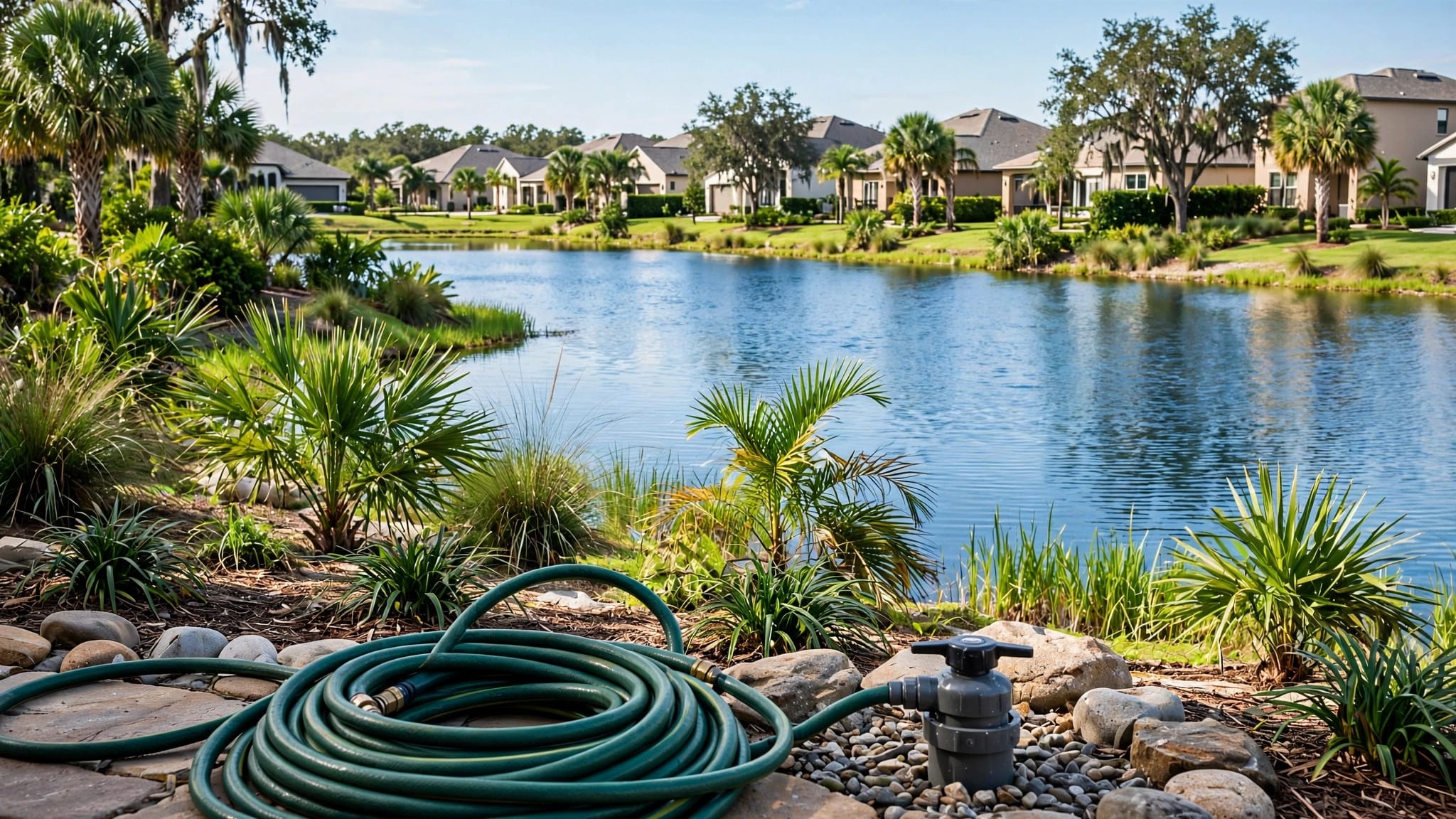
A hose pointed toward a community lake can create a water-quality problem that reaches beyond one homeowner's property. Draining pool water into a retention pond shouldn't be a routine disposal method. In Florida, permission depends on local requirements, water chemistry, and...
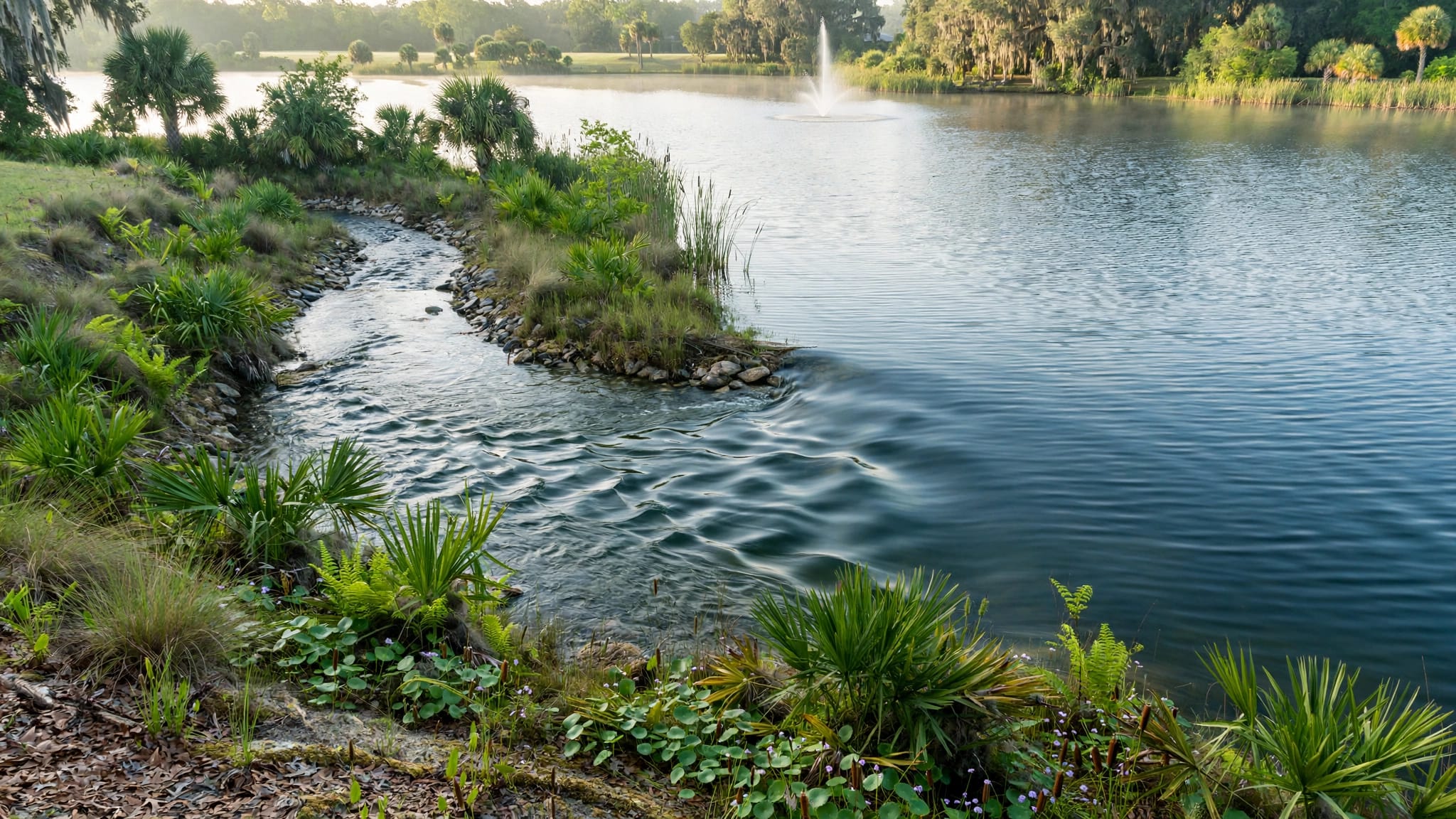
Two lakes in the same community can need different maintenance plans, even when they look alike. For your HOA, water residence time belongs in the same conversation as drainage, water testing, and recurring lake problems. A reliable assessment requires site-specific records ,...
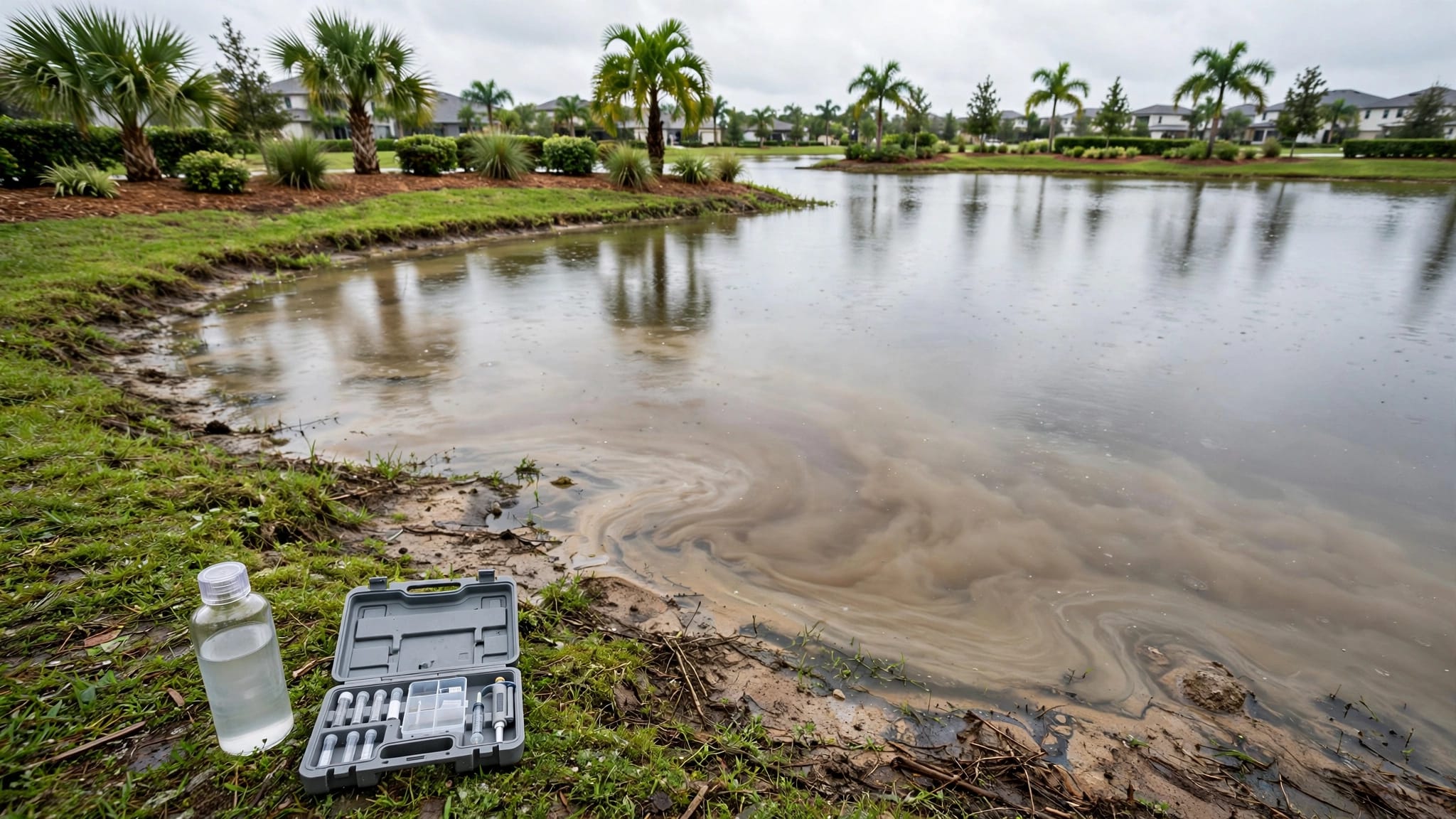
A retention lake that turns muddy after every storm deserves more than another cleanup visit. For Florida HOAs, total suspended solids testing helps measure the particles in that cloudy water and guide an investigation into their source. However, a result needs context before...

A flock beside your community lake can become a maintenance problem when droppings cover sidewalks and nesting birds guard walking routes. Managing Canada geese in Florida starts with removing attractants , protecting residents, and understanding wildlife rules. For HOAs, golf...
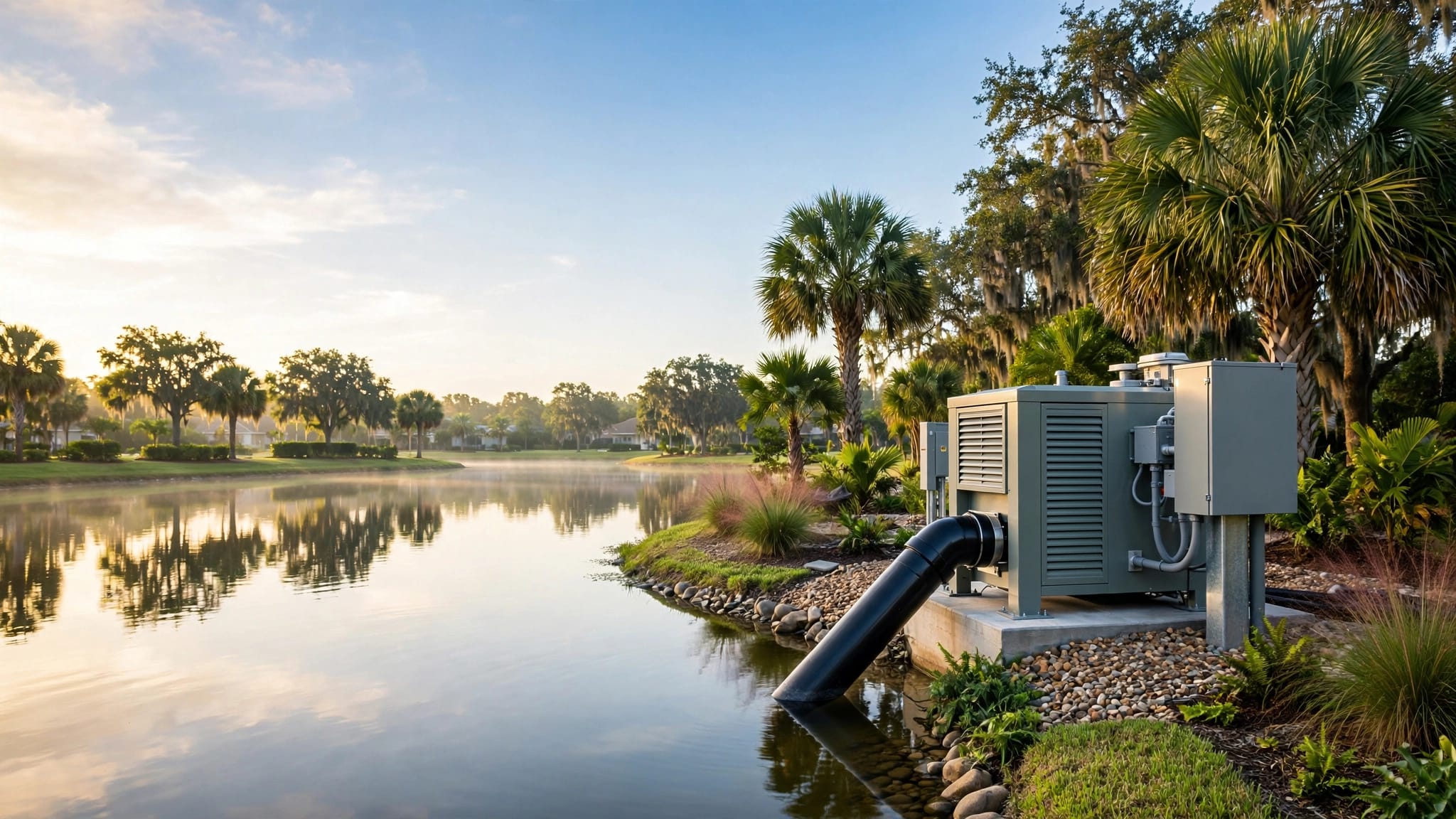
A lake pump can run while a blocked intake or failing control prevents it from doing its job. For HOA boards, Florida lake pump maintenance starts with checking the entire water-moving system, not simply listening for a motor. Retention ponds and lakes in gated communities, go...
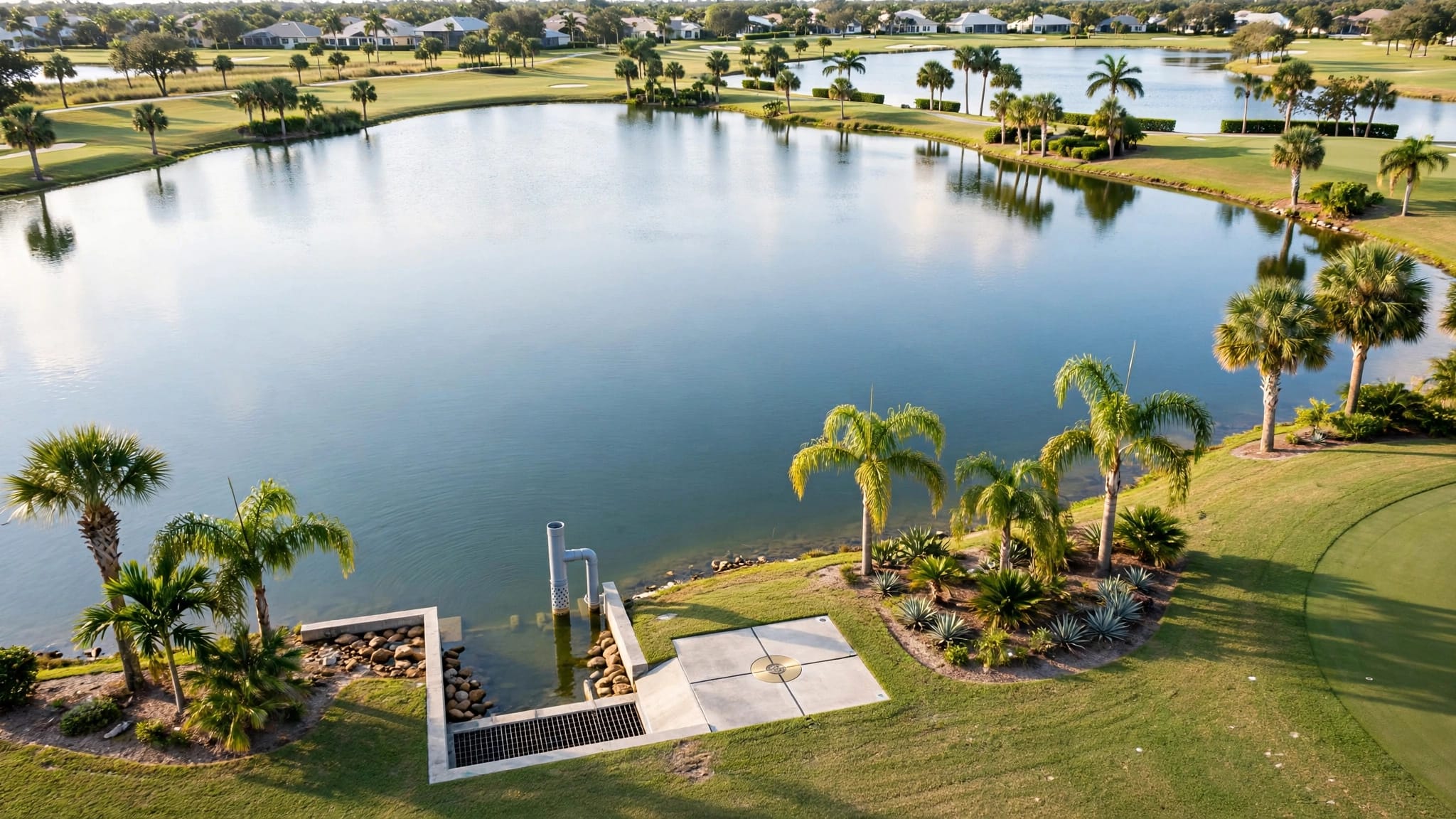
A lake can look lower without revealing whether the change is seasonal, drainage-related, or a measurement error. HOA lake level monitoring needs a consistent reference so your maintenance team can compare readings across visits and connected basins. For Southwest Florida comm...

A green underwater bed can look like hydrilla while requiring a different management decision. To identify Brazilian waterweed in Florida, look closely at the leaf arrangement , leaf edges, and stem structure before approving removal or treatment. For HOA boards, golf courses,...
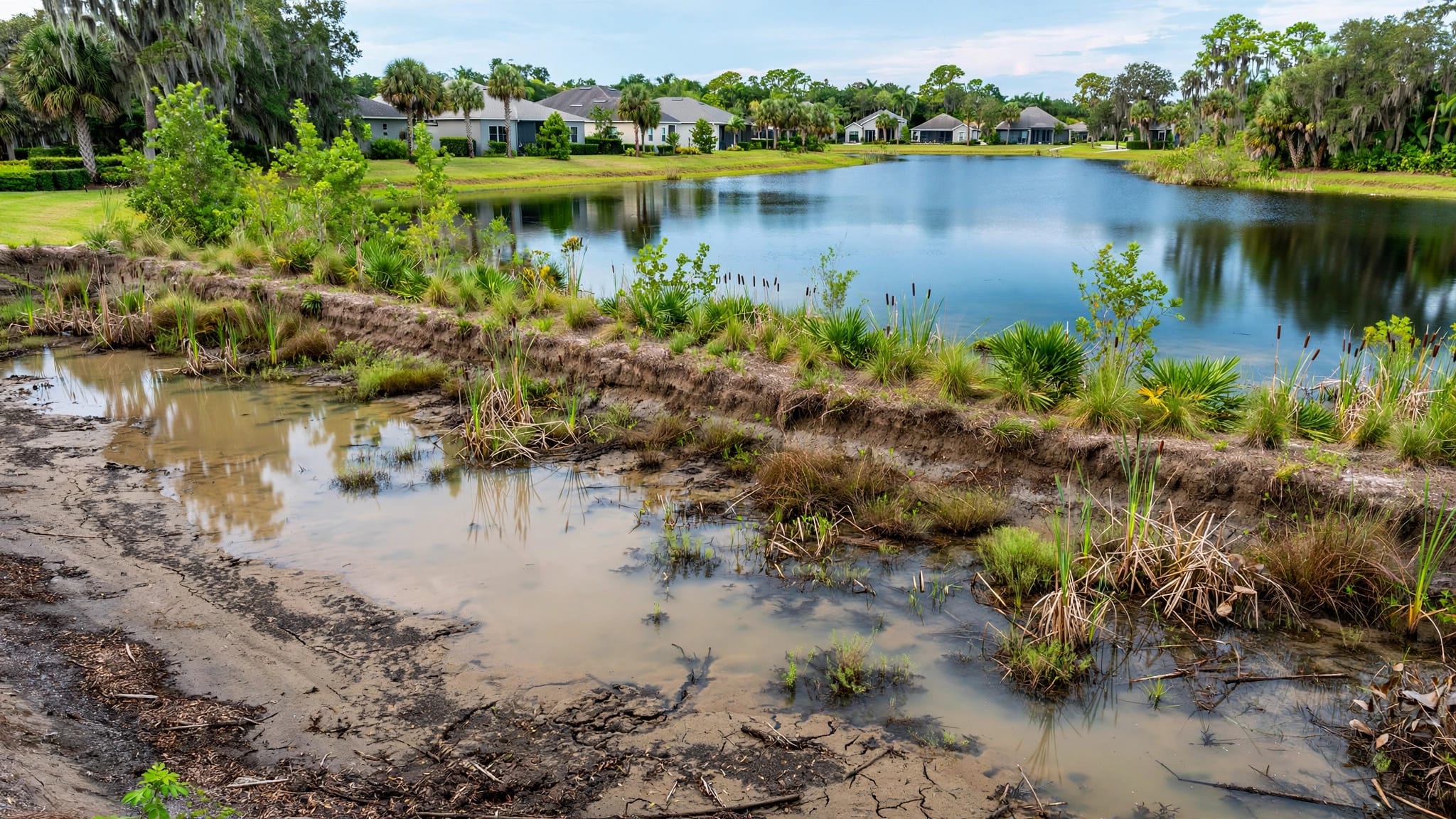
A community lake can look clean while sediment fills the small basin that receives its stormwater runoff. For your HOA, sediment forebay maintenance starts with checking that collection area before buildup spreads into the main lake. A useful checklist combines documented insp...

The source of a recurring lake problem may be several streets away from the shoreline. Mapping lake drainage areas helps your HOA identify where runoff starts, how it travels, and which retention pond receives it. A useful map combines approved drainage records with field-veri...
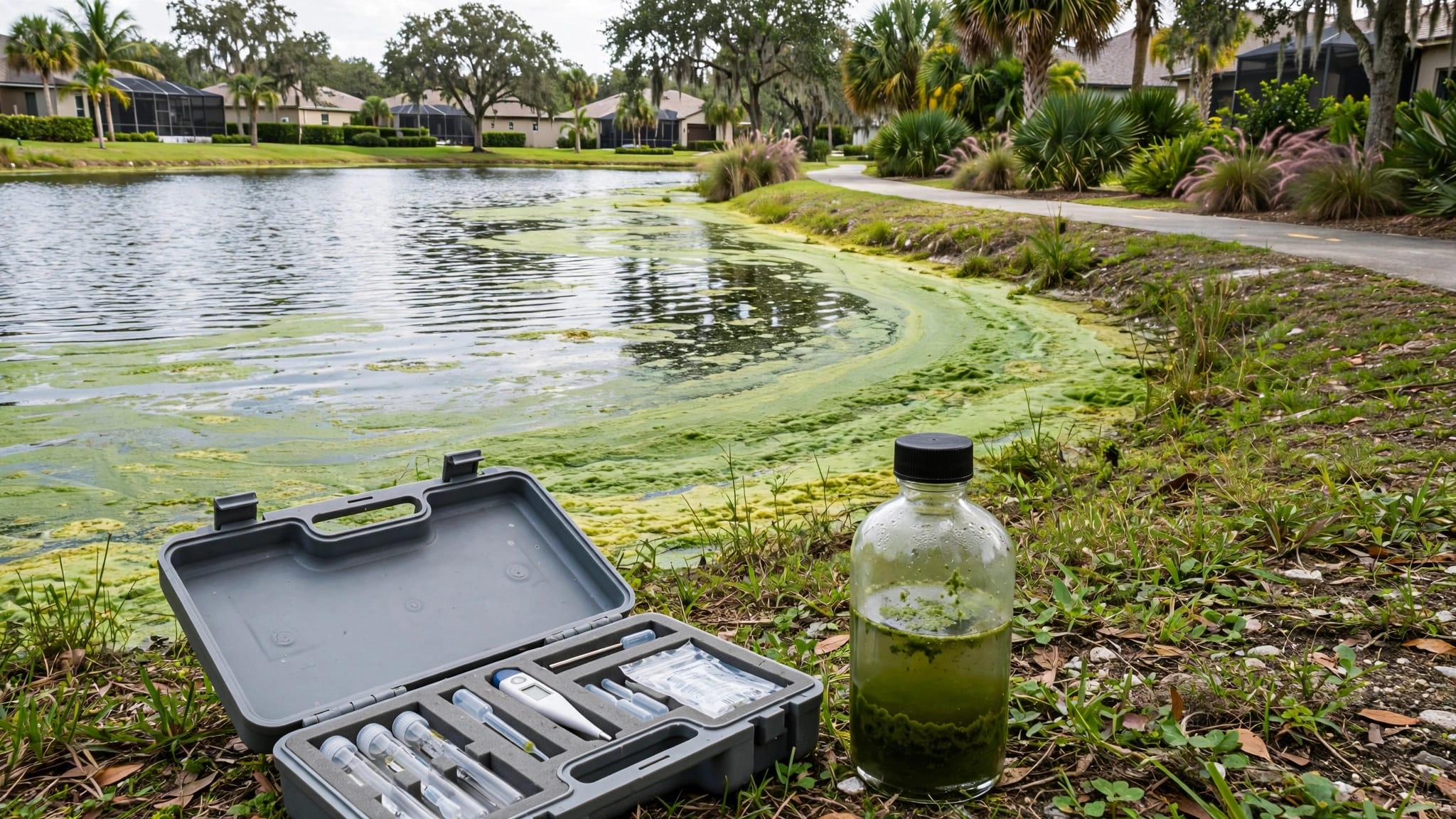
A green shoreline near a dog-walking path deserves attention before anyone knows whether the bloom contains toxins. For HOA boards, cyanotoxin testing for Florida lakes becomes important when suspicious blooms, possible exposure, or recurring problems raise a safety question....
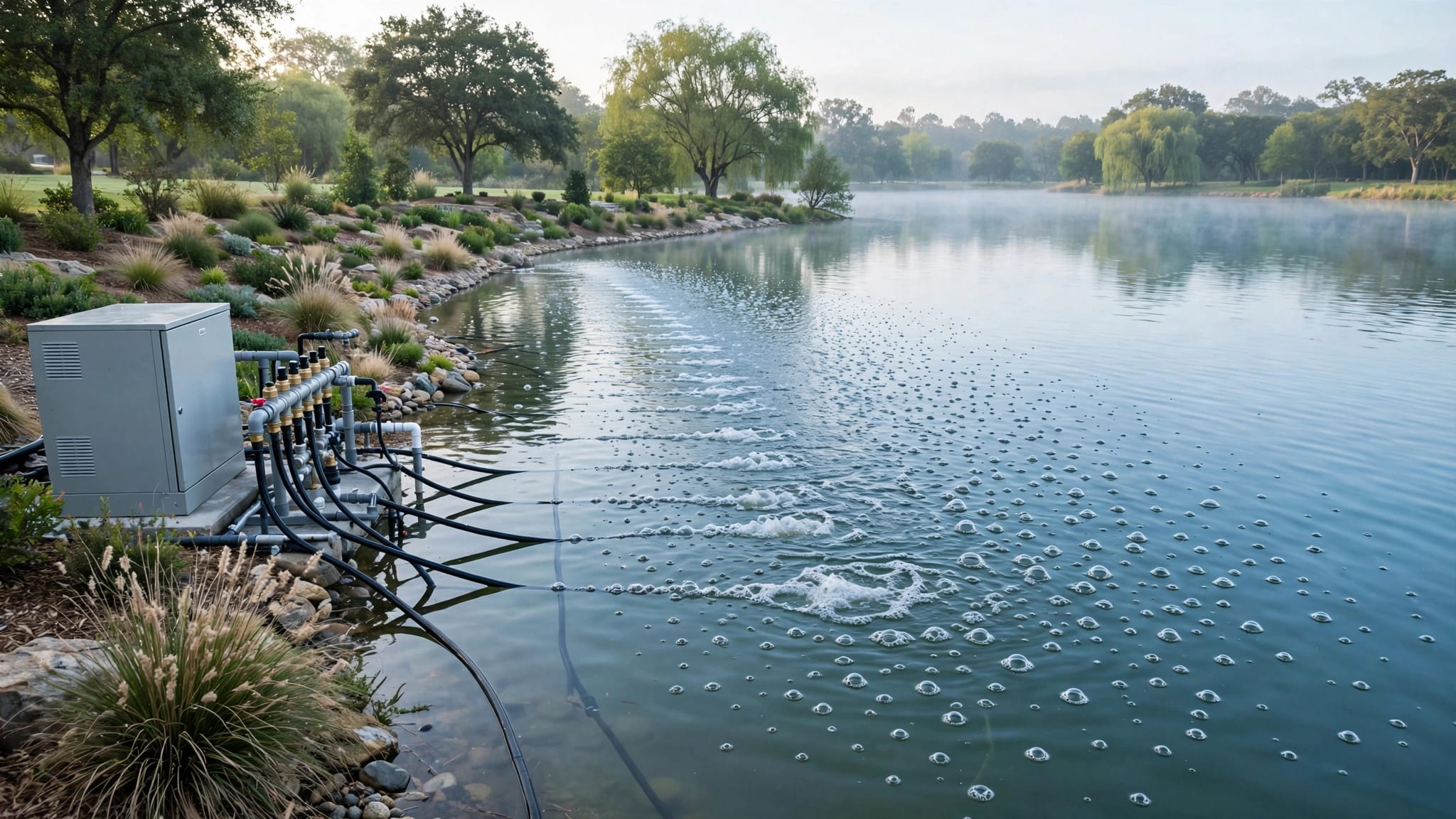
A compressor can run all day while a diffuser in the far lake receives almost no air. If you manage several retention ponds, that gap is easy to miss until residents report odor or a weak aeration pattern. A useful inspection connects the equipment onshore to the airflow reach...
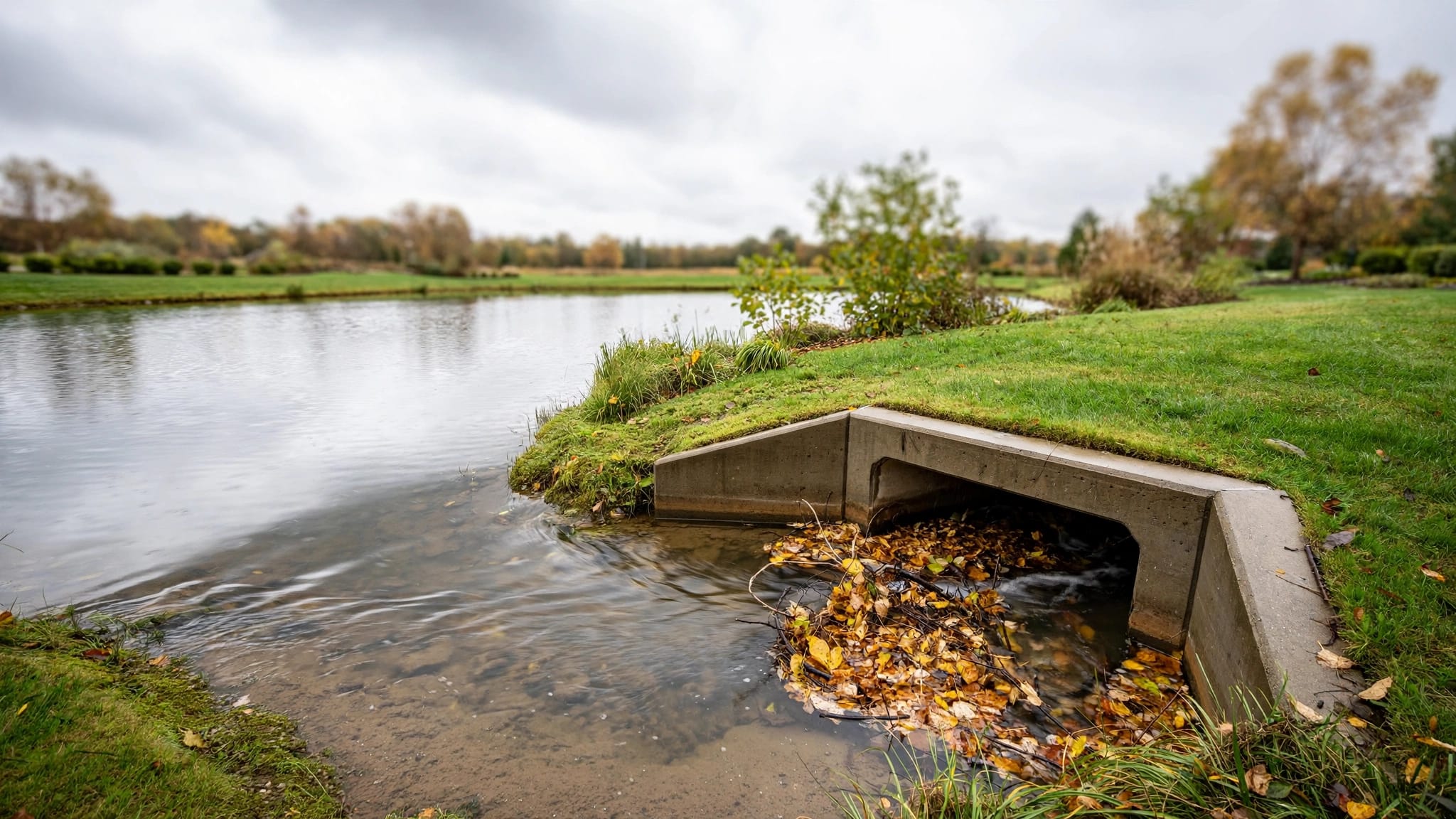
A lake can look clear from the clubhouse while a stormwater inlet is filling with leaves and silt. For an HOA, that hidden buildup can restrict drainage and send runoff around the structure, where it may wash soil into the lake. A useful HOA lake inlet inspection checks more t...

A clear lake beside the clubhouse can hide low oxygen near the bottom, while a green retention pond may have a different problem entirely. A multi-lake water quality dashboard helps your HOA or golf course see those differences before assigning the same fix to every basin. The...

A lake can look clear during a board walk-through and develop an algae problem after the next heavy rain. If you manage several ponds, memory and monthly invoices won't tell you what changed or which basin received work. A lake treatment history connects each visit to the cond...
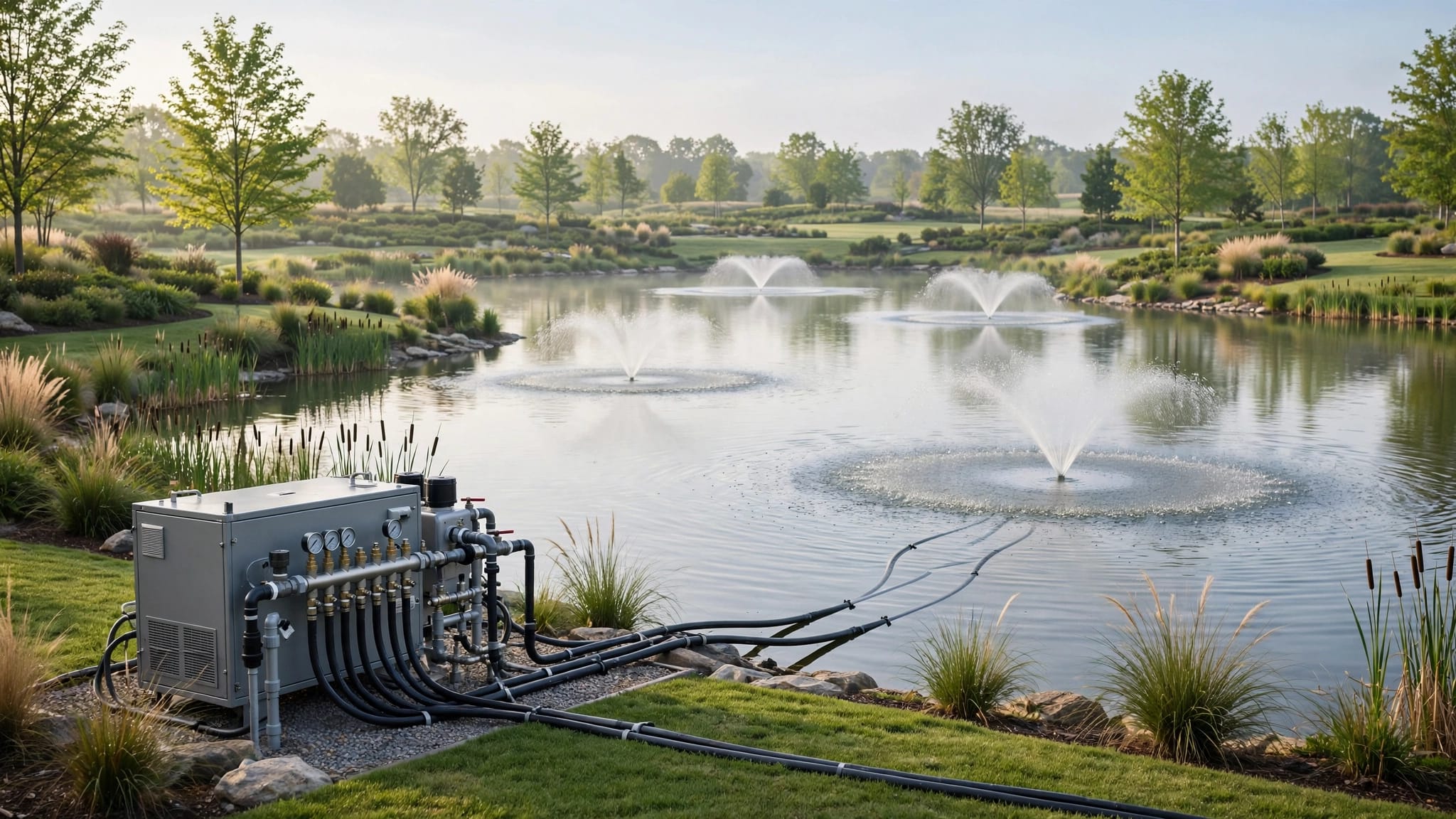
A compressor can hum beside a community lake while one of its underwater diffuser stations receives little air. On a property with several retention ponds, that weak output can go unnoticed if you check only the lake nearest the clubhouse. A reliable diffuser line inspection f...

A service report says "ponds treated," but which ponds did the crew visit? If your community has several retention ponds or lakes, that gap makes it hard to confirm what you paid for. A useful audit compares the multi-lake maintenance contract with the map, visit records, trea...
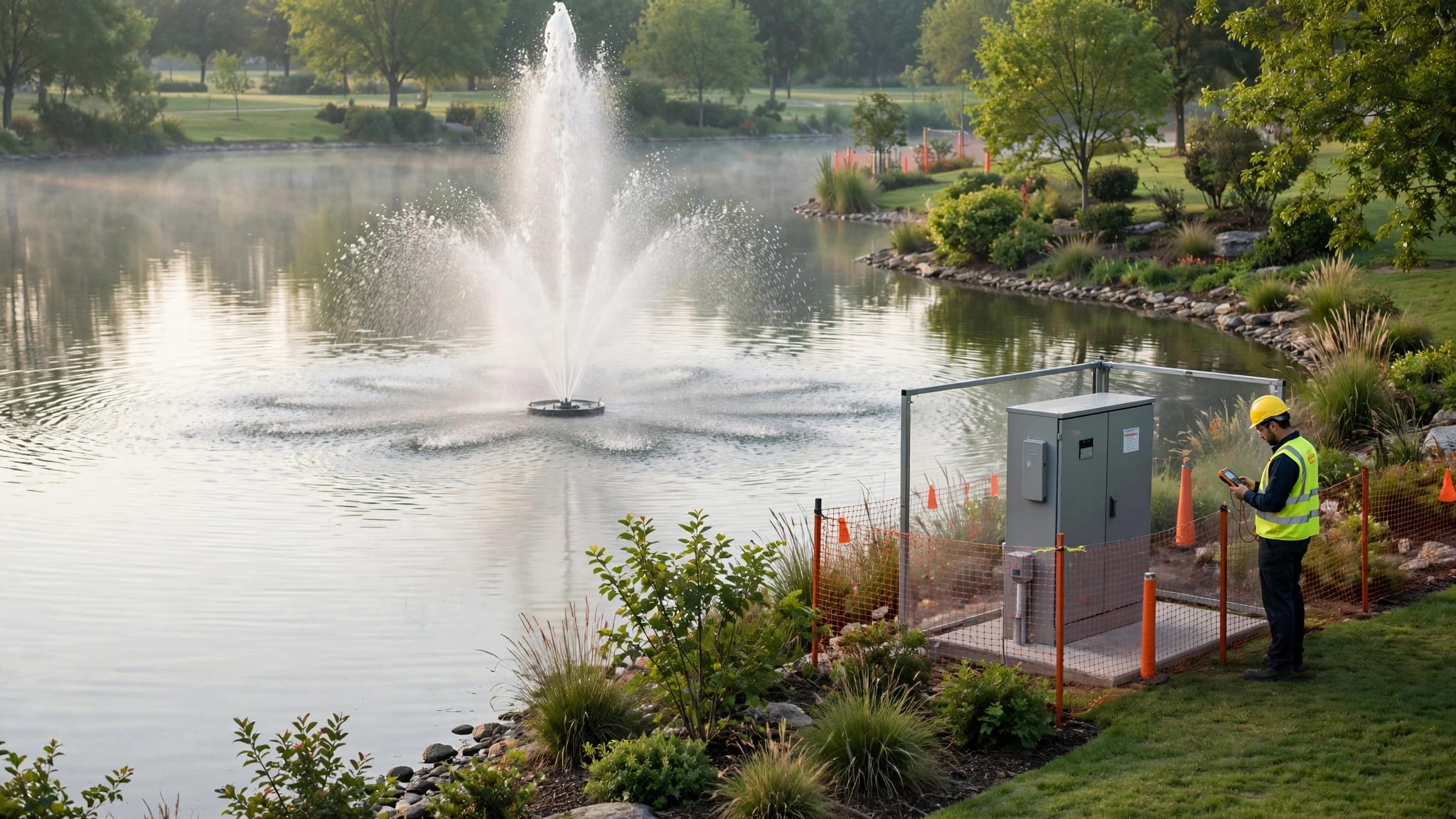
A fountain can keep spraying while its shoreline power connection is deteriorating. In a gated community, an unnoticed electrical fault can interrupt aeration at one lake or affect several units on a shared supply. A community lake aerator electrical inspection should pair saf...
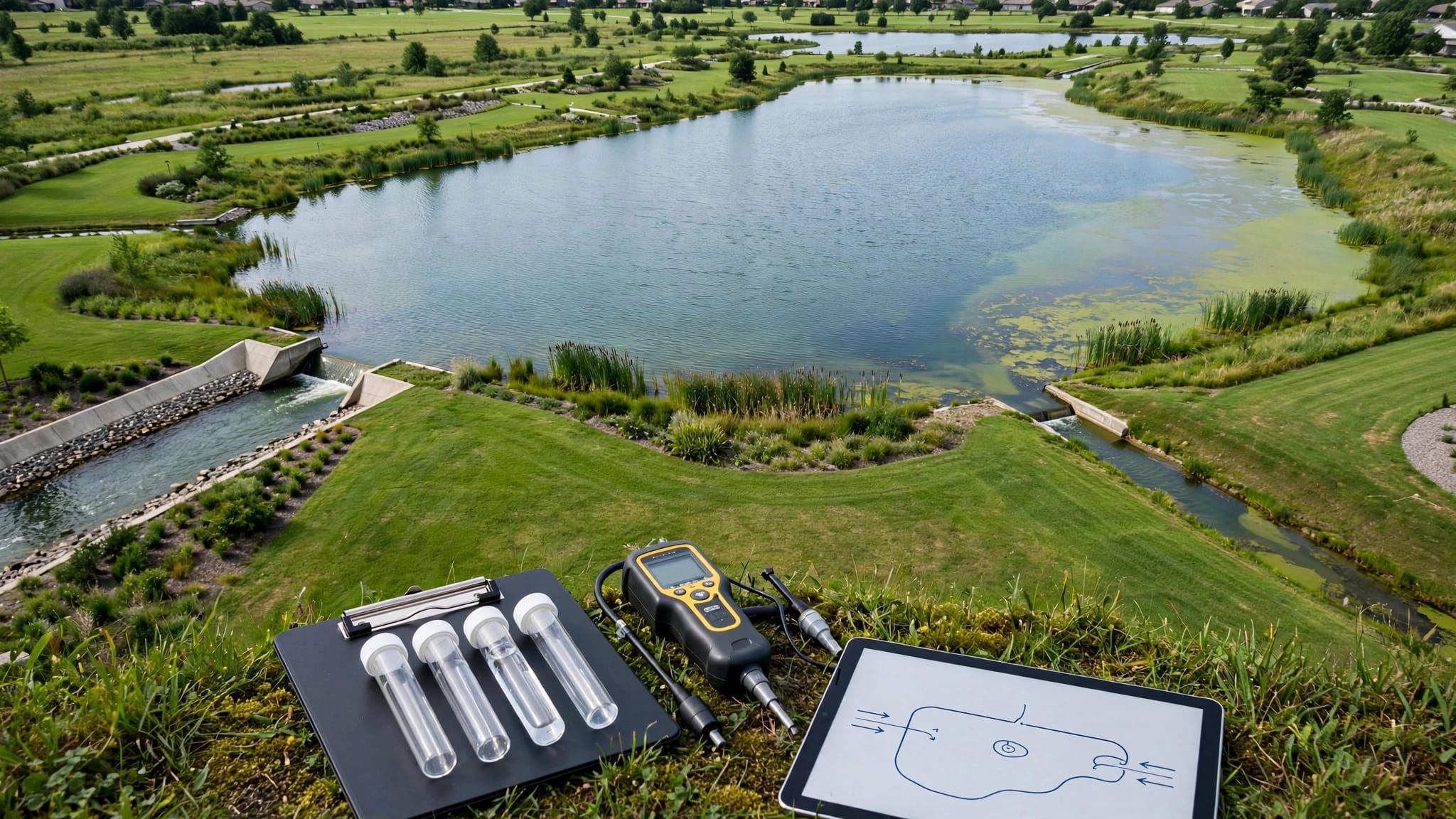
A lake can look clear while nutrients build below the surface and feed future algae growth. For HOAs, golf courses, and gated communities, a lake nutrient budget helps connect water-quality results with the sources affecting each basin. The process is more useful when you trea...
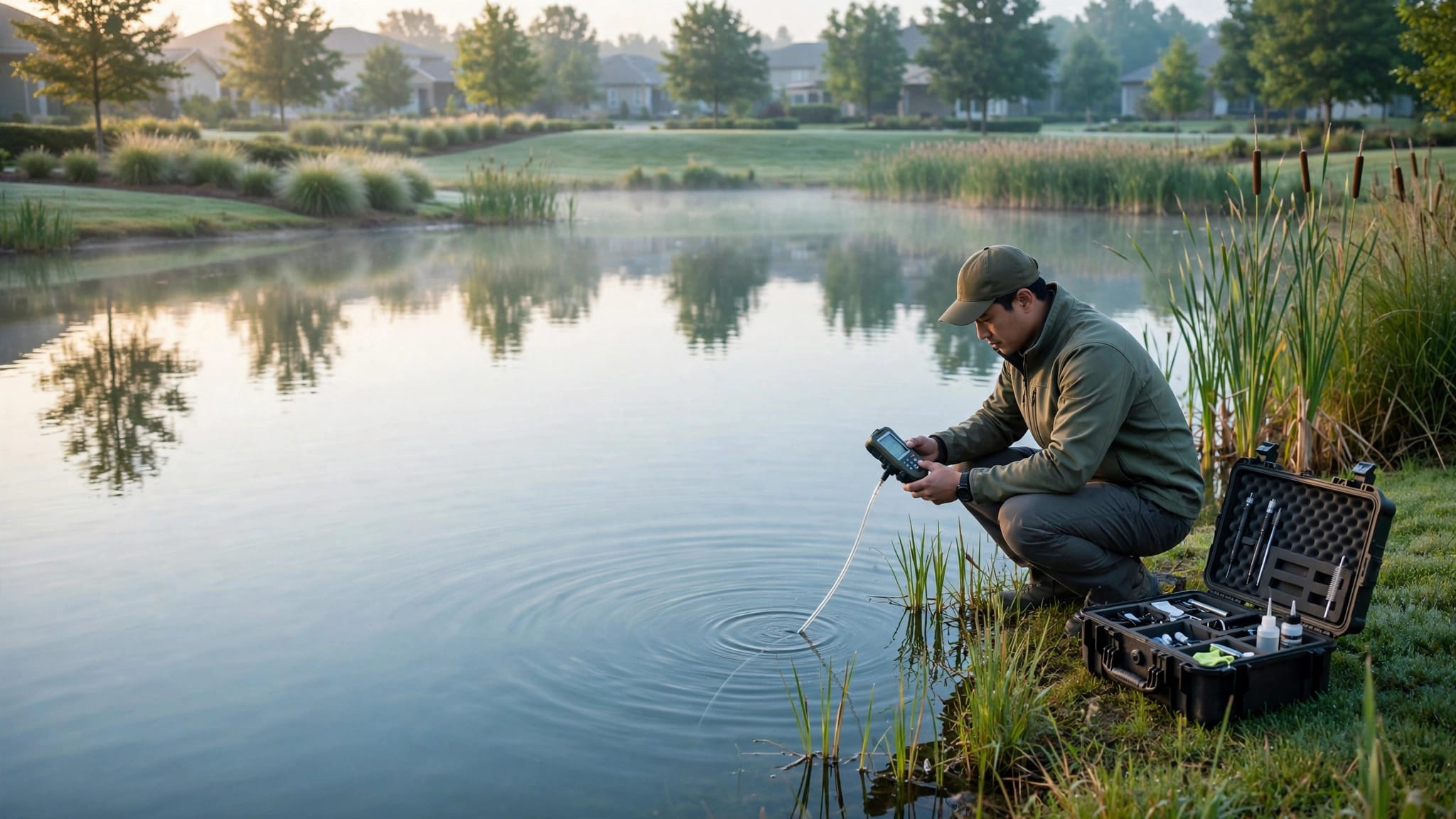
A lake can look calm and clear while conditions below the surface are changing quickly. For HOAs, gated communities, golf courses, and other multi-lake properties, water quality meter calibration helps turn field readings into information a manager can trust. This process appl...
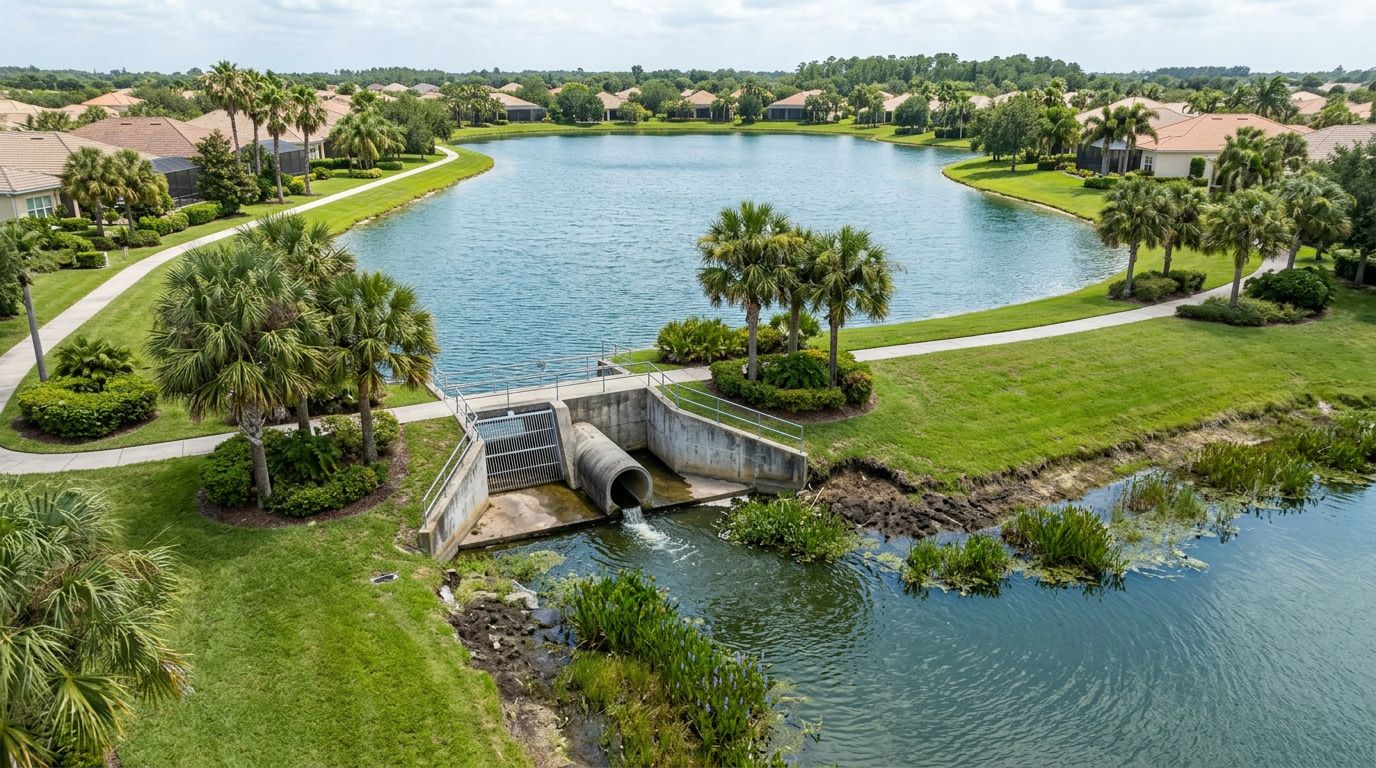
A control structure can look intact while a blocked pipe or eroded outfall puts the entire community at risk. A Florida HOA lake inspection should examine how water enters, moves through, and leaves every retention pond or lake. This checklist is for gated communities, golf co...
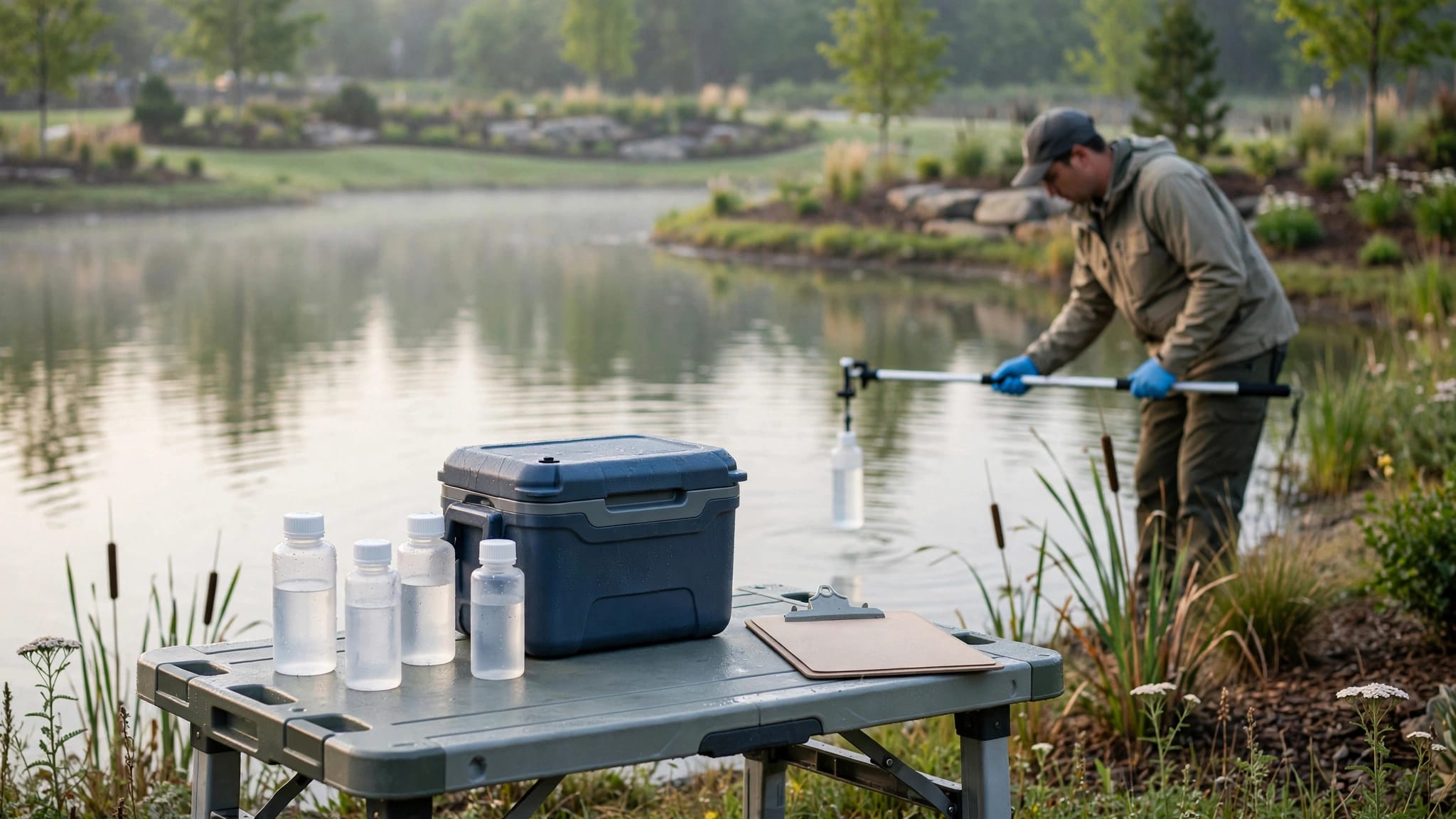
A lake can look calm while water quality changes below the surface. For HOAs, golf courses, and gated communities, a water sampling chain of custody connects each test result to the correct lake, station, depth, collector, and handling record. This process matters for retentio...
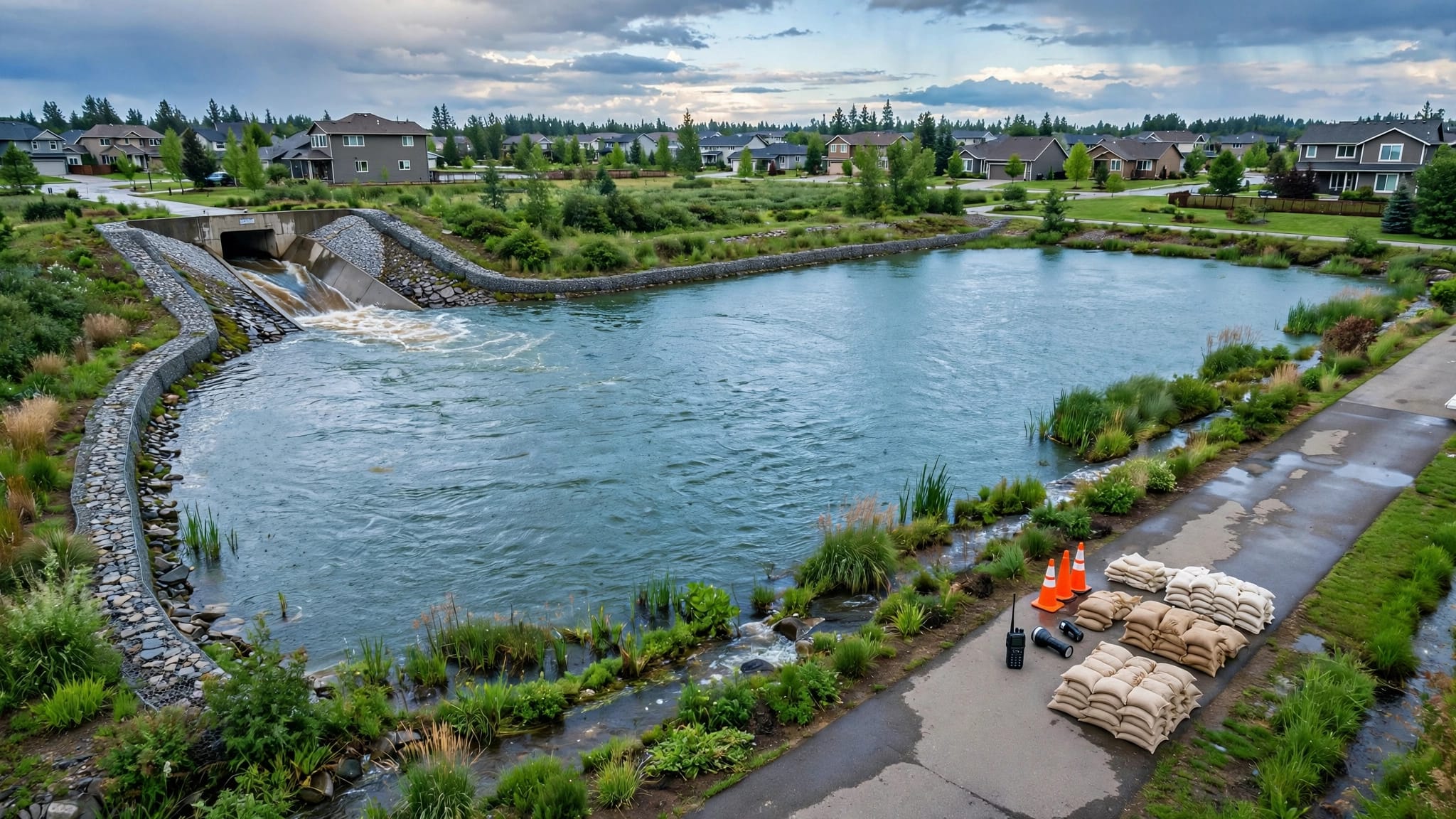
A retention pond can become a property, safety, or drainage problem within hours after heavy rain or equipment failure. A clear lake emergency response plan helps an HOA, golf course, or gated community move from the first warning to a safe, documented response. The plan shoul...
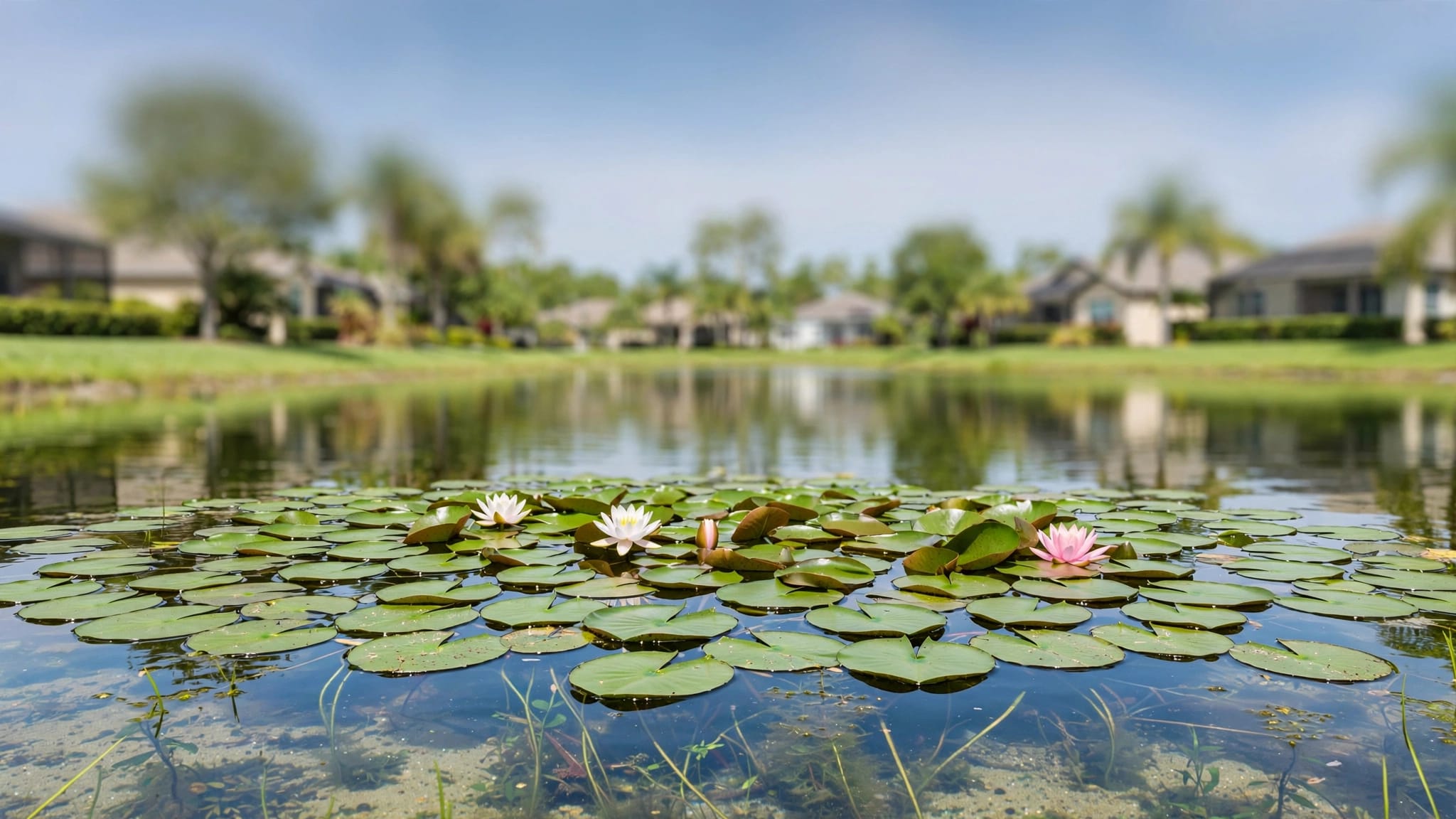
A broad patch of floating leaves can change a retention pond's appearance within weeks. Property teams often need to identify water lily growth before deciding whether it is desirable vegetation, a spreading obstruction, or a different aquatic plant. Water lilies can resemble...

A Florida HOA lake temperature profile can reveal problems that remain invisible from the shoreline. Warm surface water, cooler bottom water, and weak circulation can separate the lake into layers, affecting oxygen, algae, odors, and fish health. For retention ponds and lakes...

A community lake as-built plan can answer questions that a site walk cannot, especially when a pond looks decorative but actually supports stormwater control. For HOAs, golf courses, and gated communities, the drawing helps connect each waterbody to its inlets, outlets, banks,...

A power outage can stop circulation across several lakes at once, but each basin may respond differently. Planning reliable backup power aeration systems starts with the lakes themselves, not with a single generator size or a property-wide average. Retention ponds and communit...
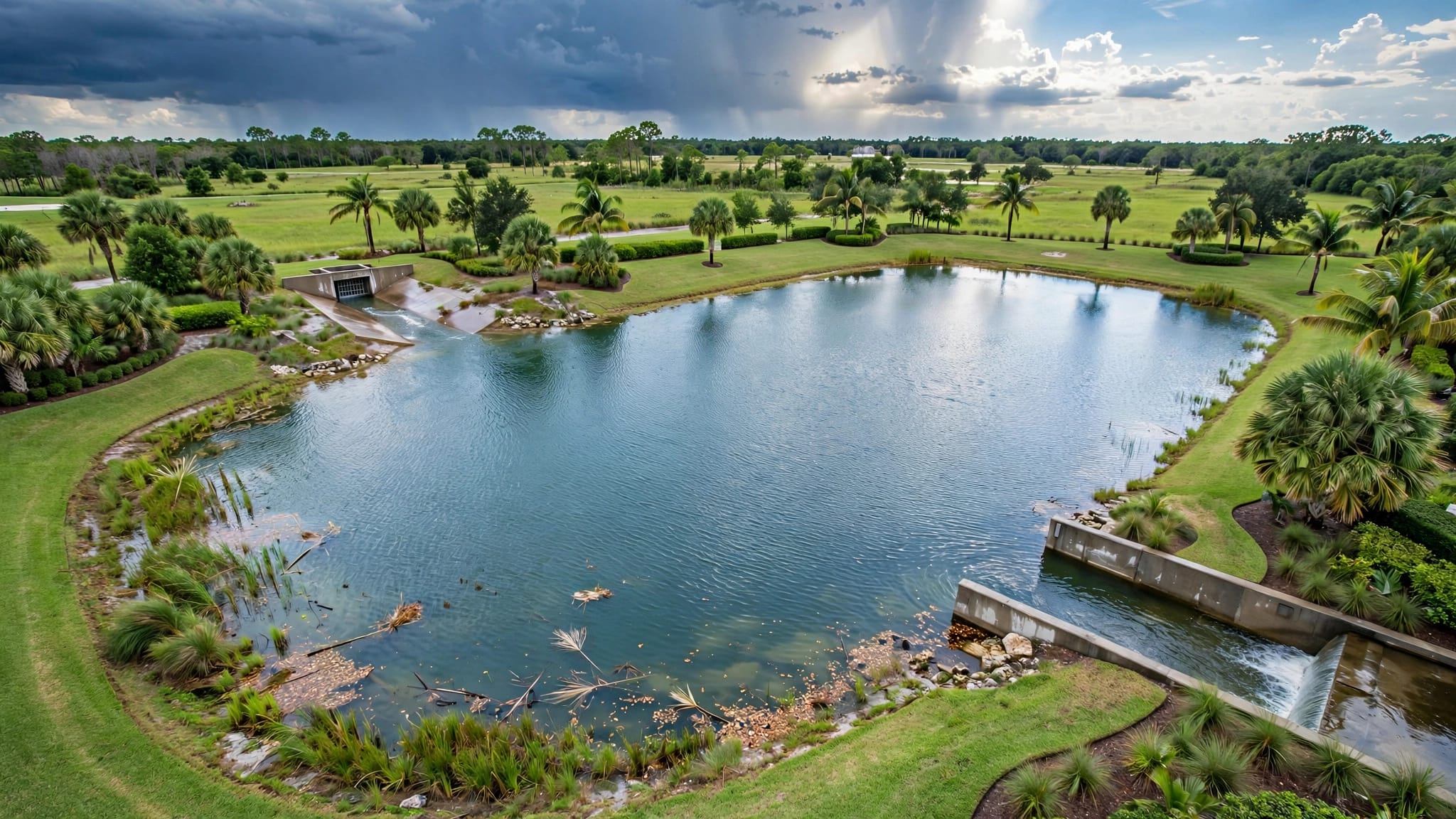
Rain can change a clear community lake within days. Stormwater may carry fertilizer, soil, grass clippings, and debris into retention ponds, creating conditions that support algae and aquatic weed growth. For most communities, HOA lake treatments should begin with monthly serv...
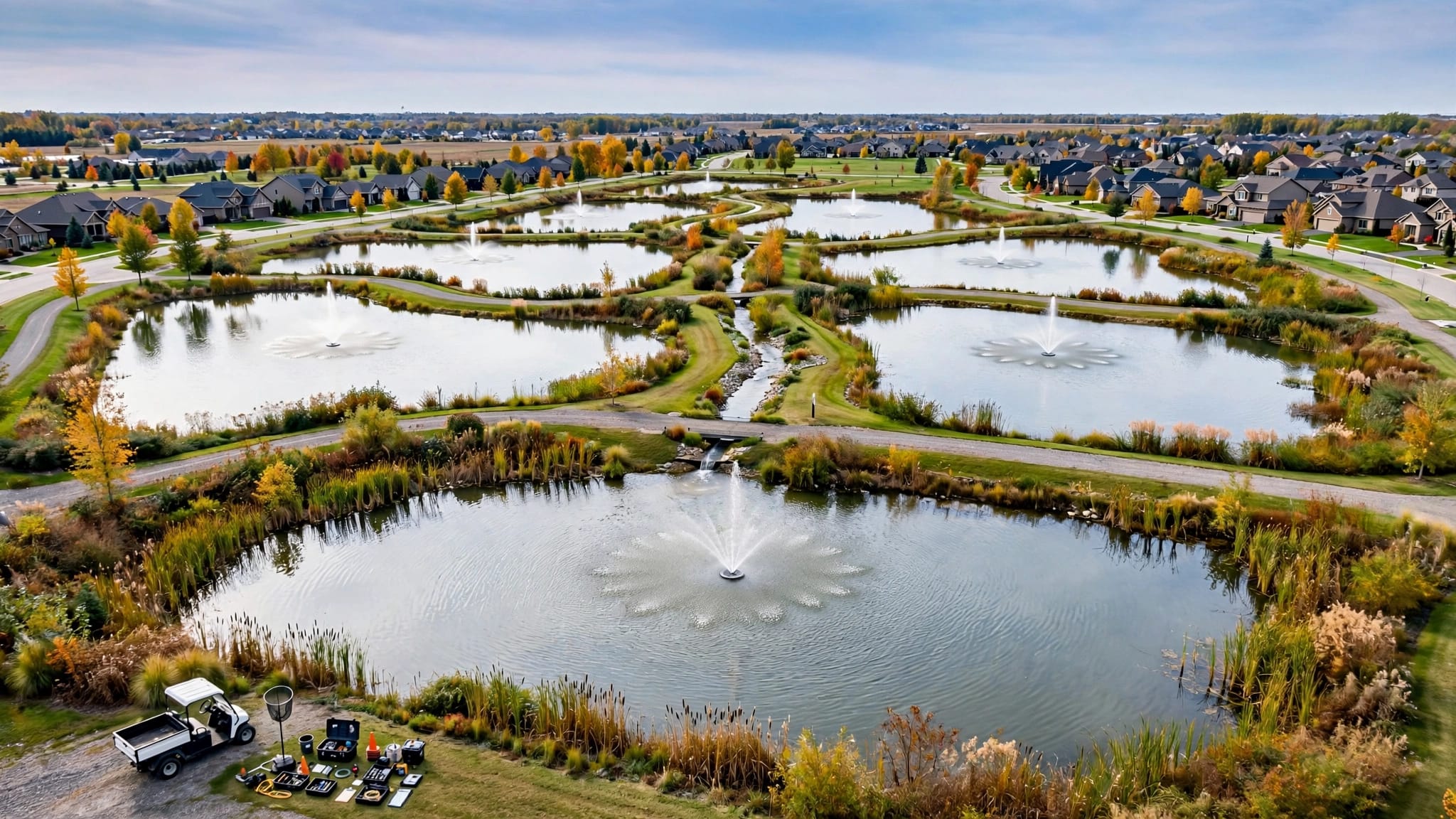
A multi-lake community can look well maintained while one retention pond develops algae, erosion, or a blocked outlet. A reliable HOA lake maintenance route prevents those isolated problems from becoming property-wide concerns. The right plan gives every lake a name, inspectio...

A new HOA lake can look clean on opening day and still carry low oxygen, nutrient pressure, or poor circulation below the surface. Baseline water quality gives the board a documented starting point, so future maintenance decisions rely on evidence rather than appearance. For r...

A treatment crew can do excellent work, yet residents may still face confusion at the water's edge. Clear aquatic treatment signage tells people which lake is affected, what uses are temporarily restricted, and when normal access may resume. For HOA communities, golf courses,...

A retention lake can look fine from the clubhouse patio while oxygen falls near the bottom or nutrients build after a storm. HOA lake water quality needs clear action thresholds so boards don't wait for odor, fish stress, or a widespread algae bloom before responding. For Flor...

A clogged trash rack can turn a routine rainstorm into a drainage problem near homes, roads, cart paths, or common areas. A thorough HOA trash rack inspection helps boards catch blocked flow, damaged metal, and bank erosion before water backs up where it shouldn't. For Florida...

A lake can look fine from the clubhouse patio while problems build below the surface or along an unseen bank. Lake maintenance KPIs give Florida HOA boards a clear way to spot trouble early, measure vendor performance, and protect a community's stormwater assets. For gated com...