How to Build a Lake Asset Inventory for Large Communities
Large communities can have more water assets than most boards realize. A single property may include retention ponds, decorative lakes, outfalls, aerators, shoreline plantings, and several trouble spots that only show up after heavy rain.
A strong lake asset inventory gives you a clear picture of what exists, what shape it's in, and what needs attention next. That matters for HOAs, golf courses, gated communities, and multi-lake properties where one missed detail can turn into algae, erosion, or a budget surprise.
The process is manageable when you break it into a few practical steps. Start with the map, then build the details.
Map every lake, pond, and water feature first
Begin with a full site map, not a treatment list. That sounds simple, but it changes the whole process.
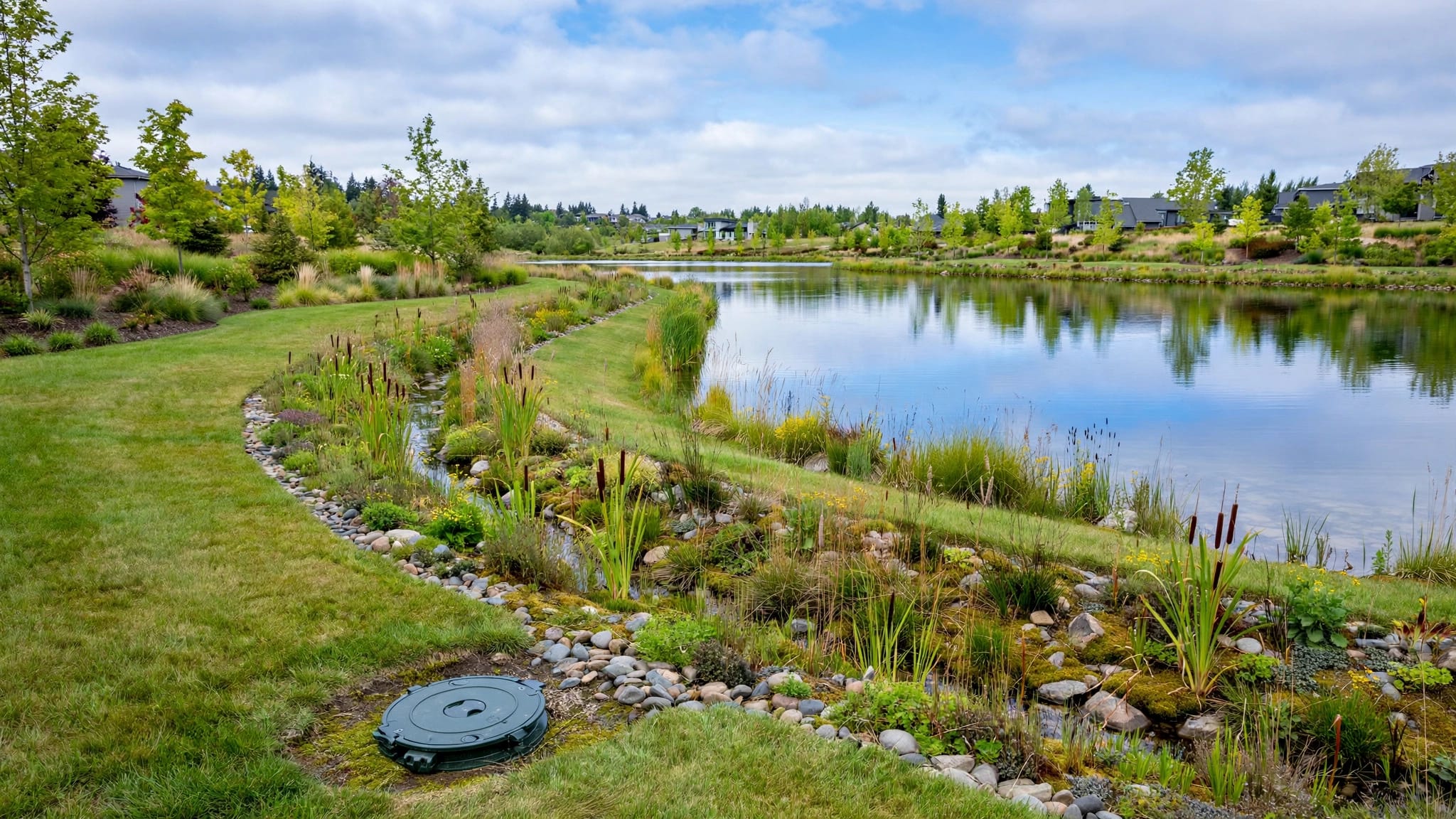
Walk the property and mark every waterbody, even the small ones that sit behind common areas or near cart paths. Use aerial photos, plat maps, and on-site notes so nothing gets left out. In larger communities, it helps to give each basin a clear ID, such as Lake A, Pond 2, or North Basin.
Also note how each waterbody connects to the rest of the site. Some lakes receive runoff from roofs or roads. Others handle stormwater for several homes or fairways. That difference affects water quality, debris, and service timing.
Access matters too. Record where crews can reach the shoreline, where equipment can enter, and where limited access may slow work. If a pond sits behind a fence or along a steep bank, that should be in the file on day one.
If the map is wrong, the rest of the inventory will be wrong too. A clean inventory starts with accurate locations and clear names.
Photos help here. Take wide shots for orientation and close-up photos for key features. The goal is to build a record a manager can use without walking the entire site every time a question comes up.
Record the details that affect maintenance
Once each waterbody is on the map, gather the details that affect service, budget, and risk. A simple table keeps this part organized.
| Asset detail | What to note | Why it matters |
|---|---|---|
| Waterbody type | Retention pond, stormwater lake, golf course lake, decorative pond | Different systems need different service plans |
| Size and shape | Approximate acreage, depth if known, shoreline length | Helps with dosing, treatment timing, and cost planning |
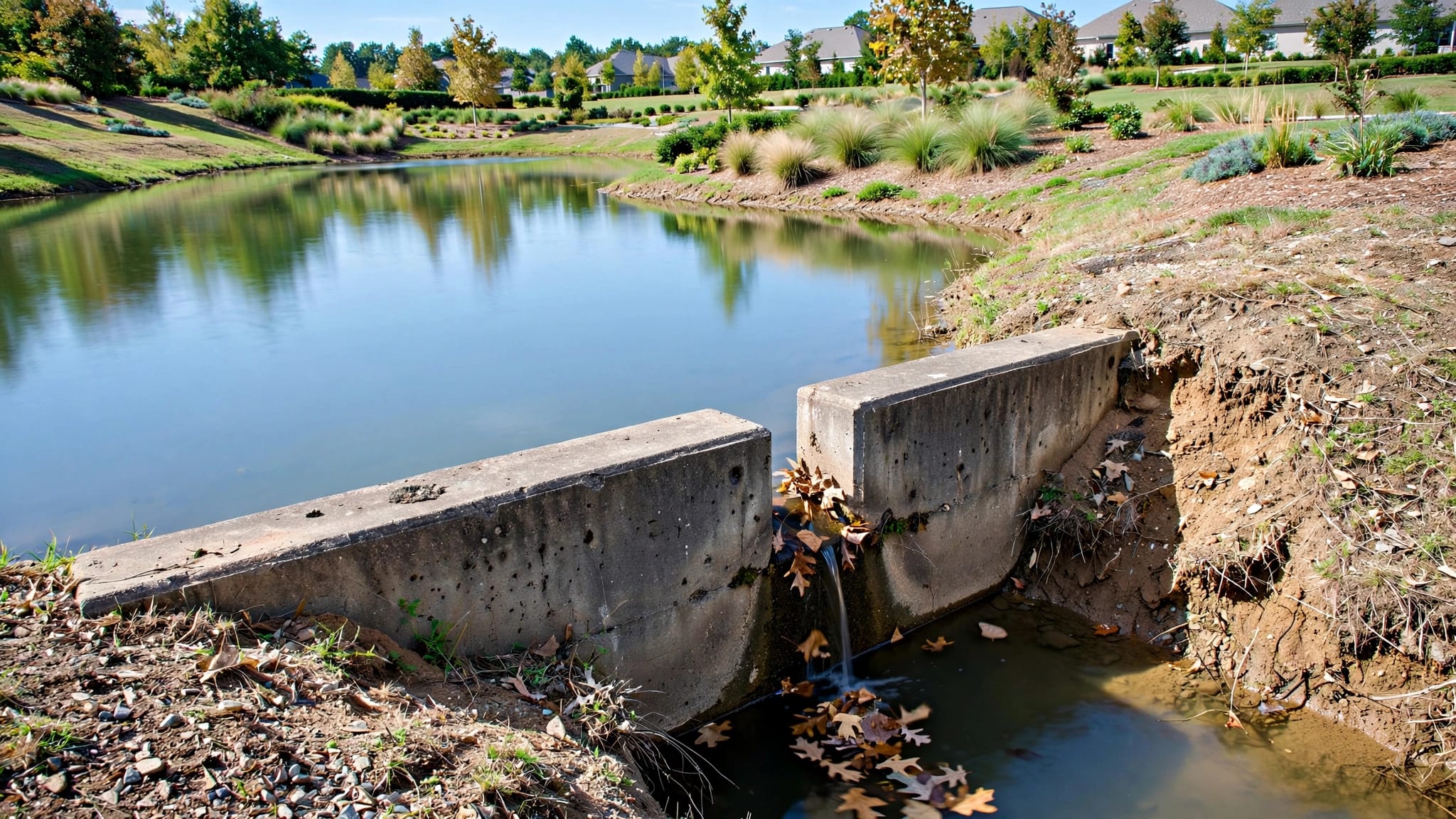
| Shoreline condition | Erosion, bare spots, steep banks, failing edges | Shows where repairs may come first |
| Equipment | Aerators, fountains, pumps, diffusers, control panels | Equipment failures can quickly affect water quality |
| Vegetation | Aquatic weeds, algae, littoral plants, invasive growth | Confirms what crews need to treat or protect |
| Inflow and outflow | Swales, drains, culverts, spillways | Explains where nutrients and debris may enter or leave |
| Access and safety | Gates, slopes, docks, public visibility, nearby homes | Affects crew access and resident safety |
A good inventory does more than name assets. It shows what those assets do and where they are vulnerable.
For example, a lake near a cart path may need different debris control than a pond hidden inside a preserve area. A basin that handles roof runoff may need closer attention after storms. A shoreline with visible erosion may need stabilization before the next rainy season makes it worse.
This is also the right time to document ownership or maintenance responsibility. In large developments, one waterbody may belong to the HOA, while another falls under a golf course or a separate drainage district. Clear responsibility prevents delays when repairs are needed.
Use a condition score that board members can read quickly
A long spreadsheet can still be hard to use if every note reads like a field report. A simple condition score makes the inventory easier to act on.
Many communities use a 1 to 5 scale, with 1 meaning poor condition and 5 meaning good condition. Others use green, yellow, and red. Either system works if it stays consistent.
Rate the same features every time. That usually includes algae, floating debris, shoreline erosion, equipment condition, and visible weed pressure. Add a short comment field for anything unusual, such as dead fish, blocked culverts, or a recent storm event.
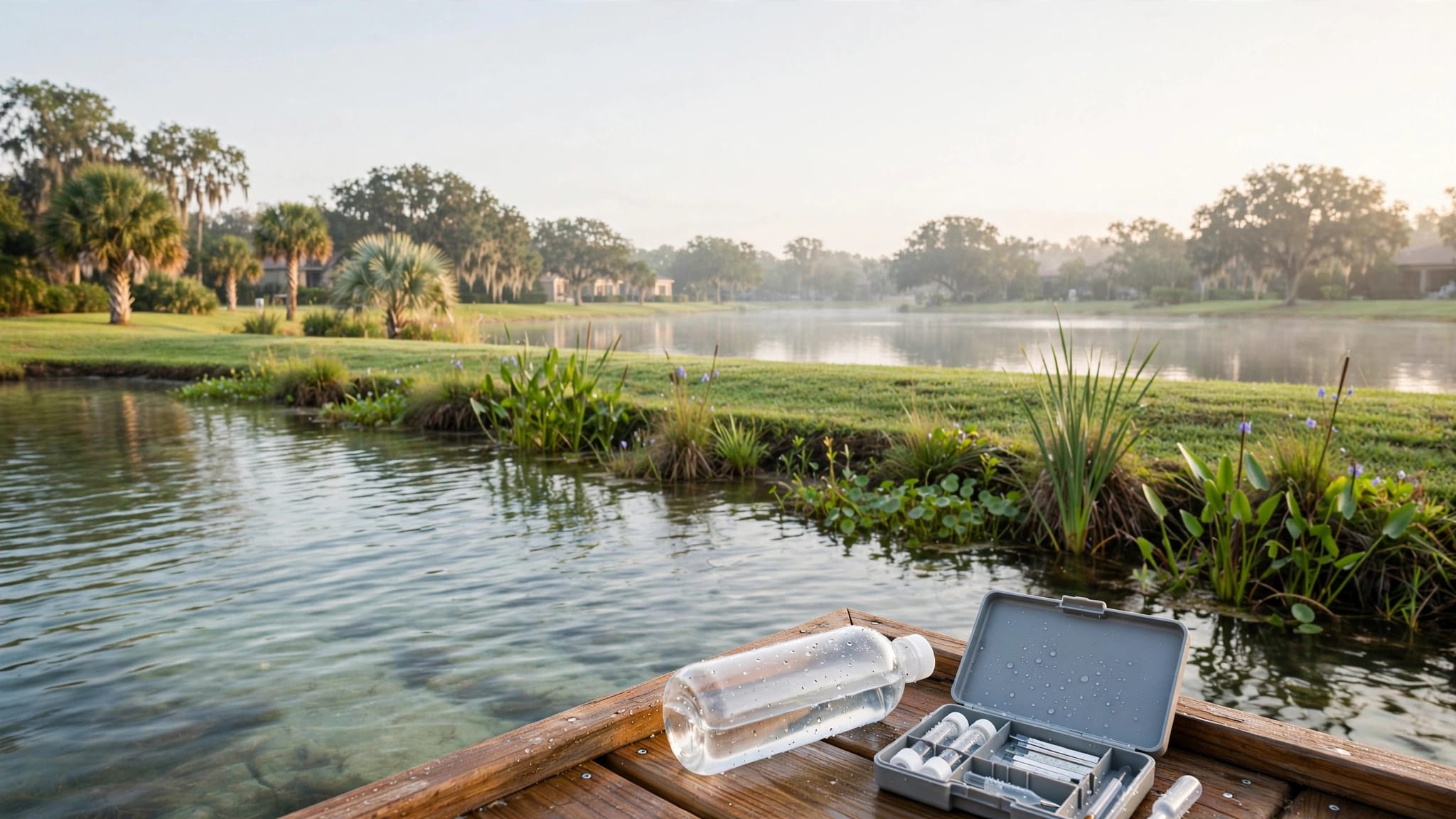
Photos matter here too. A dated photo taken from the same angle each month tells the story faster than a paragraph of notes. It also helps when board members change or new managers step in.
Many communities keep the inventory in Excel or Google Sheets. Larger properties may want GIS mapping, especially if they manage several lakes across a wide site. The tool matters less than the habit of updating it on a schedule.
The point is to make the condition easy to read at a glance. When the board opens the file, it should be obvious which assets need immediate attention and which ones are stable.
Turn the inventory into a service schedule and budget
An inventory only pays off when it shapes the maintenance plan. That means using the file to decide how often each lake should be serviced, what gets treated, and what gets watched more closely during wet months.
For many Florida communities, regular visits are the baseline. If you want a deeper look at timing, see our guide to establishing a lake maintenance schedule. A steady service rhythm helps crews catch weeds, algae, debris, and shoreline trouble before those issues spread.
The inventory also helps the budget. Once you know how many assets you have, you can separate routine service from one-time repairs. That makes reserve planning cleaner and keeps surprise work from swallowing the maintenance line item.
It also helps when comparing bids. If every vendor gets the same asset list, the board can compare proposals more fairly. That is where a strong scope of work matters. For more on that, review key elements of a lake service agreement. A written agreement should match the inventory, not sit apart from it.
Seasonal changes matter in Southwest Florida, too. Heavy rain, warm water, and fast plant growth can shift conditions quickly. A good inventory makes those changes easier to spot, then easier to plan around.
Keep the inventory current, not forgotten
The best inventory is the one someone actually updates. Assign one owner for the master file, whether that's the HOA manager, community association staff, or a golf course superintendent. Without a clear owner, the file goes stale fast.
Update the record after major storms, construction work, treatment changes, or shoreline repairs. Quarterly walks are a solid habit for many large communities. So is adding new photos each time conditions change.
If your board wants outside help, choose a vendor that understands lake systems in Florida and can document what they find. Seabreeze Lake Maintenance works under Commercial Applicator License #CM28291 and State-Licensed Specialty Contractor #SCC131152136, which matters when aquatic work, shoreline repairs, or compliance issues are part of the job. If you need a site visit, Get a Free Quote and schedule a lake inspection.
A good record system does one more thing well, it keeps the next update easy. When the structure is clear, the file doesn't become a chore.
Conclusion
A large community lake system gets easier to manage when every asset has a name, a condition score, and a place on the map. That clarity helps boards budget better, compare vendors fairly, and catch problems before they spread across the property.
The real value of a lake asset inventory is simple. It turns scattered water features into a managed system the board can actually understand.
Recent Posts