How Often Should Florida HOA Lakes Be Serviced?
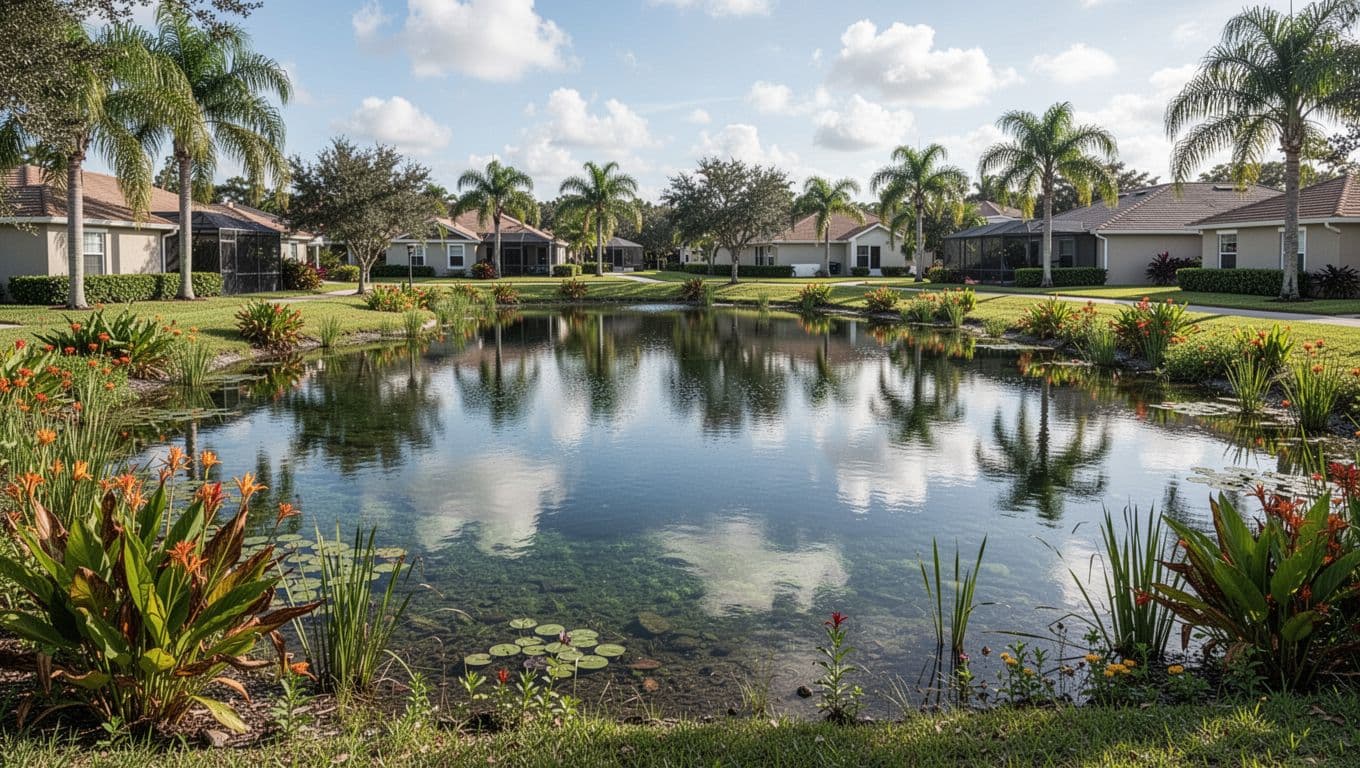
Florida HOA lake maintenance works best on a schedule, not a rescue plan. In Florida, warm water, heavy rain, and long growing seasons can turn a calm pond into a problem fast. That matters even more for retention ponds and lakes in gated communities, golf courses, and properties with several water bodies.
For most communities, the answer is simple: monthly service is the baseline , then adjust for weather, plant growth, and how hard the lake works as part of the stormwater system. The right plan keeps problems small before they spread.
The short answer for most HOA lakes
A healthy lake does not need constant emergency work, but it does need regular attention. For many Florida communities, a monthly visit is enough to catch weeds, algae, debris, and shoreline issues before they get ahead of the board.
That schedule makes sense because HOA lakes do more than look nice. They help manage runoff, hold stormwater, and protect property value. When service slips, the first signs are often subtle. A little haze in the water, a few mats of algae, or a small blockage at an inlet can turn into a bigger repair later.
Rainy season changes the math. So does fertilizer runoff, falling leaves, and heavy use around paths, docks, and golf greens. If a pond has a history of algae blooms or weed growth, monthly service may not be enough by itself. In those cases, the lake may need biweekly visits or spot checks after storms .
The best rule is simple. If the lake is stable, monthly service usually works. If it is changing fast, shorten the gap.
What routine lake service should cover
Routine service is more than spraying weeds. It is a full checkup for the water body.
A proper visit should cover the parts of the lake that boards and managers usually see first.
- Aquatic weed and algae checks : The crew should look for new growth, floating mats, and areas where plants are spreading.
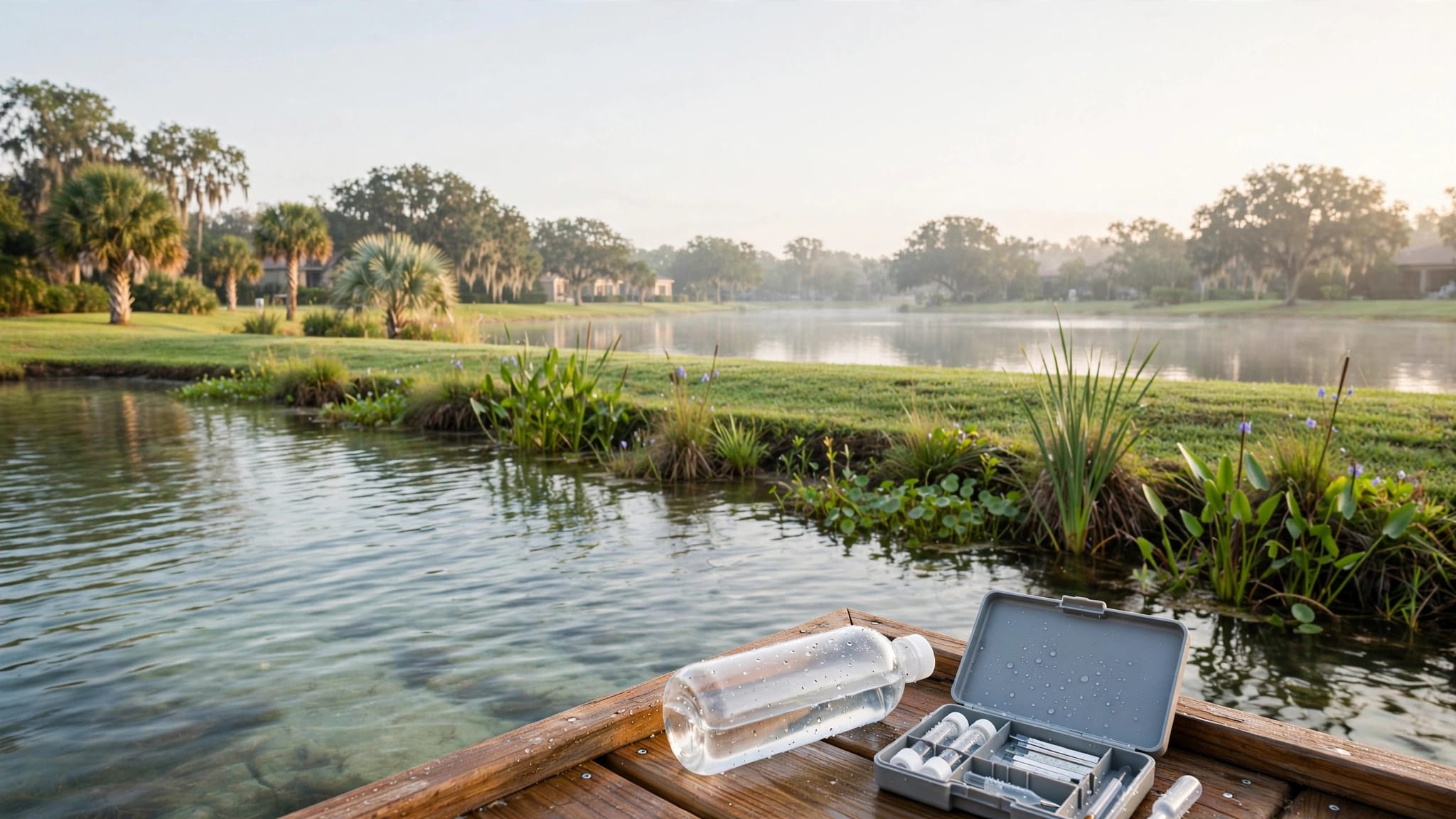
- Water quality concerns : Odor, discoloration, surface scum, and low clarity can point to a deeper issue.
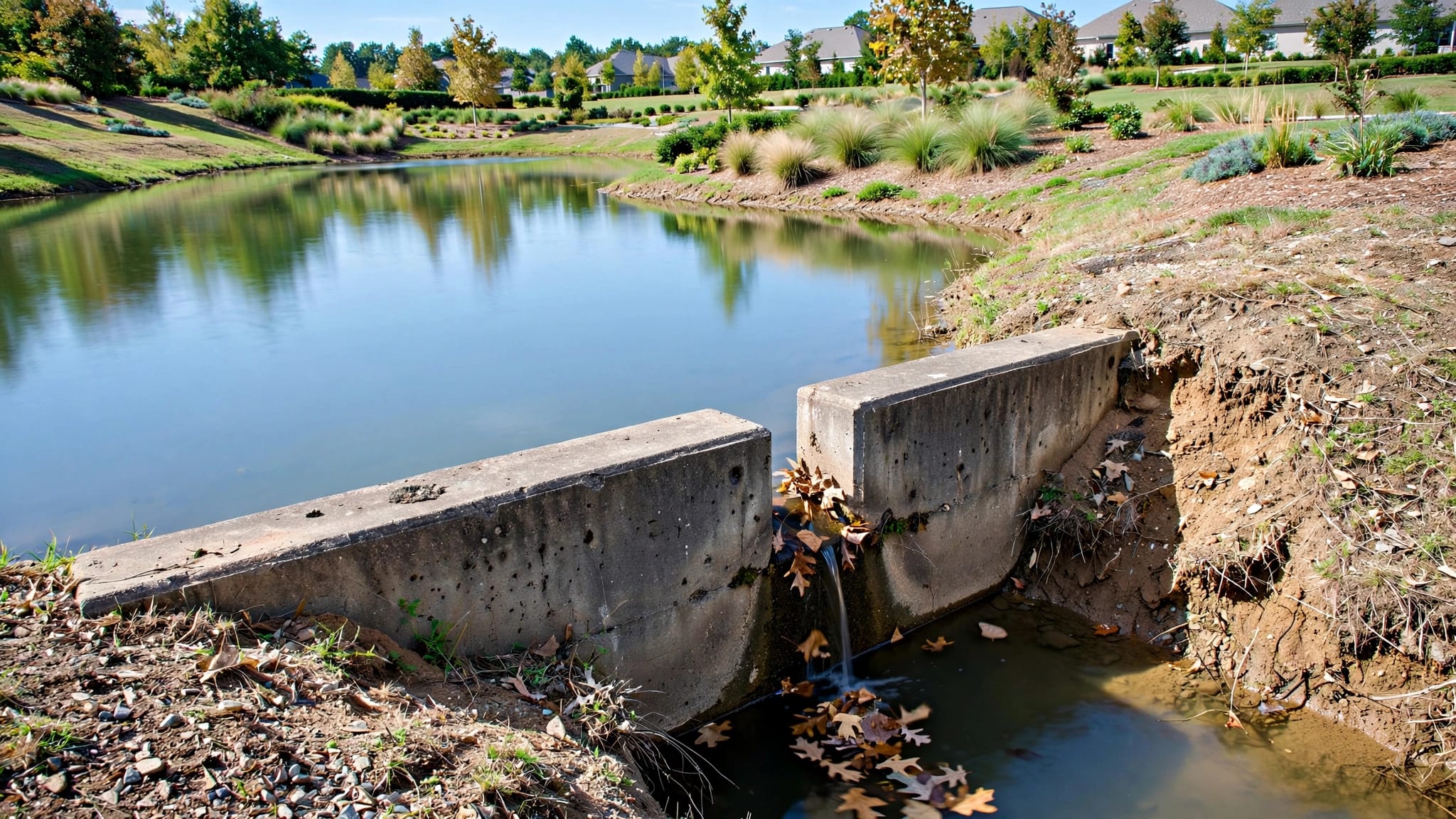
- Inlets, outlets, and debris : Trash, limbs, and trapped material can block water flow after storms.
- Shoreline conditions : Erosion, bare soil, and thin plant lines can lead to bigger bank damage.
- Aeration or fountain performance : Equipment should run properly if the pond depends on it for circulation.
A complete visit also gives the manager a clear picture of what is changing between service dates. That matters because the lake often tells you what it needs before residents do.
A practical service schedule for Florida weather
The right schedule depends on season and pressure. A pond near turf, fertilized landscaping, or drainage inlets needs more attention than a quiet lake with little runoff.
Stable Dry-Season Pond
- Typical Service Pace: Monthly
- Why It Changes: Keeps weeds, debris, and small shoreline issues under control.
Rainy Season
- Typical Service Pace: Every 2 to 4 weeks, plus after major storms
- Why It Changes: Heavy rain moves nutrients, sediment, and trash into the lake.
Algae or Weed Flare-Up
- Typical Service Pace: Weekly or biweekly until it settles
- Why It Changes: Fast follow-up helps stop spread and clear problem areas.
HOA or Golf Course with Heavy Runoff
- Typical Service Pace: Monthly with extra site checks
- Why It Changes: Fertilizer, traffic, and drainage load the pond harder.
Restoration or Major Cleanup Work
- Typical Service Pace: As needed
- Why It Changes: Sediment, shoreline repair, and large-scale treatment are project work, not routine visits.
This is why a one-size-fits-all plan rarely works. A lake near a fairway, parking lot, or dense landscape beds will age faster than a pond with light runoff and good circulation. In contrast, a pond with stable littoral planting and good flow may hold up well on a monthly schedule.
The point is not to visit more for the sake of it. The point is to visit often enough that the lake stays predictable.
Signs your lake needs more frequent service
Some problems show up slowly. Others arrive after one storm and spread by the next week. If you see these signs, the service interval is probably too long.
- Floating weeds or surface mats : These usually mean growth is spreading faster than the current schedule can handle.
- Strong odors : Smells can point to low oxygen, stagnant water, or decaying plant matter.
- Murky or green water : Water color changes often show nutrient load or algae pressure.
- Eroding banks : Bare soil and slumping edges need attention before the shoreline gets worse.
- Debris at drains or outfalls : Blocked flow can back water up and create new problems.
- Resident complaints keep repeating : If the same issue comes back between visits, the schedule is too loose.
A lake that is already stressed needs closer attention for a while. Once it settles, the schedule can often return to monthly service. That flexibility is better than waiting for a full cleanup.
Records matter as much as treatment
Good maintenance is easier when it is documented. Photos, dates, weather notes, and treatment logs help the board see patterns. They also help separate a seasonal issue from a real service gap.
The Southwest Florida Water Management District maintenance guide explains that stormwater systems should be inspected on a routine basis, with extra checks after major rain. It also notes that detailed maintenance records help when reporting to the District at required inspection intervals.
A county maintenance guide can be useful too. The Practical Maintenance Guidelines for Stormwater Pond covers debris removal, periodic cleanouts, and keeping records of maintenance work.
That matters for HOA boards because records show whether the lake is improving, holding steady, or slipping. They also help support budget decisions when a board needs to explain why service frequency should change.
Choosing the right maintenance rhythm for your community
The right schedule should match the lake, the site, and the season. A gated community with several ponds may need different service levels at different water bodies. A golf course lake near irrigation and fertilizer may need tighter checks than a decorative pond near light landscaping.
That is where a qualified lake team matters. Work should be handled by a crew with a Commercial Applicator License #CM28291 and a State-Licensed Specialty Contractor #SCC131152136 when treatment and site work require it. That helps keep the maintenance plan aligned with Florida requirements and the physical needs of the pond.
If your board is trying to set a schedule, start with a site inspection. Then build the plan around what the lake is doing now, not what it looked like six months ago. If that next step would help, Get a Free Quote.
Conclusion
For most Florida HOA lakes, monthly service is the right starting point . It gives crews enough time to catch weeds, debris, shoreline trouble, and early water quality issues before they spread.
Rainy season, heavy runoff, and repeated algae pressure can shorten that window. After that, the best schedule is the one that keeps the lake stable without waiting for a crisis. That is the real goal of Florida HOA lake maintenance, a pond that works well, looks clean, and stays manageable year after year.
Recent Posts