The First 90 Days With a New Lake Contractor
The first 90 days with a new lake contractor tell you almost everything you need to know. A polished proposal can still hide weak communication, loose scheduling, or treatments that don't match the property.
For retention ponds and lakes in gated communities, golf courses, and other multi-lake properties, that early stretch matters because the water affects curb appeal, drainage, safety, and budgets at the same time.
What happens after the contract starts matters more than the promise on paper. The first visits should show whether the contractor can document the site, follow the plan, and keep the board informed.
Key Takeaways
- The first 90 days should turn a proposal into a working maintenance plan.
- A good lake contractor starts with a site-wide baseline, not guesses.
- Regular service needs to match rainfall, plant growth, and drainage load.
- Reporting, licensing, and response time matter as much as weed control.
- By day 90, the board should know whether the plan is stable or needs changes.
Start with the scope, the map, and the paperwork
A new lake contractor should begin with the full picture, not with a guess at the problem. That means a written scope, a map of every pond or lake, access notes, drainage points, shoreline trouble spots, and a clear service schedule. If the property has several water bodies, each one needs its own notes because one lake may need algae control while another needs debris removal or erosion work.
If your board is comparing bids, what to include in community lake care contracts is a useful checklist. A strong contract spells out what gets serviced, how often crews visit, how emergency calls work, and how reporting gets shared. It also tells you who approves chemical work and what happens after storms.
On Florida retention ponds and lakes, verify the credentials before work starts. A qualified team should be able to show Commercial Applicator License #CM28291 and State-Licensed Specialty Contractor #SCC131152136, along with insurance and any other documents your community requires.
A strong first 90 days should leave no guesswork about who is responsible, when crews arrive, and how the lake is being tracked.
Days 1-30: build the baseline before major treatment
The first month should focus on facts. A lake contractor needs to walk the site, photograph the shoreline, check for algae and weeds, note debris, and flag any safety concerns. If the waterbody feeds a stormwater system, that function matters too. A lake that looks calm today can change fast after a hard rain.
A clean start usually follows a simple order:
- Inspect every waterbody and note access points.
- Record photos, dates, and visible conditions.
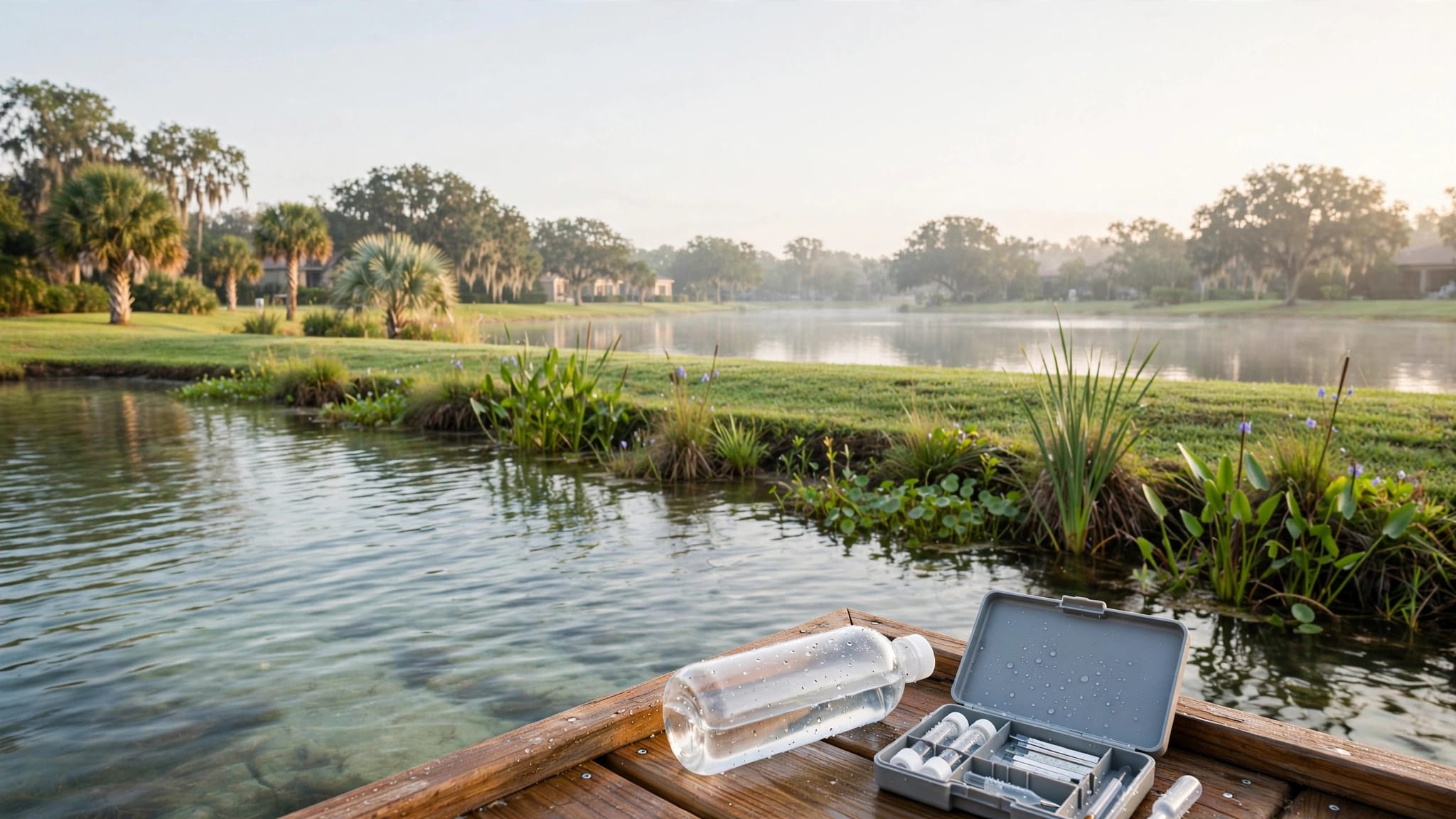
- Test water quality where the site calls for it.
- Set the first treatment and cleanup calendar.
That early baseline gives the board something real to compare against later. Without it, every update turns into a guessing game. With it, the contractor can point to progress, setbacks, and patterns that matter.
The board should also expect plain-language updates after each visit. If a treatment is applied, the report should say what was treated, what changed, and what still needs attention. That kind of record helps everyone make better decisions.
If your board wants the first inspection on the calendar, Get a Free Quote and start with a site review.
For many Florida communities, monthly service is a smart baseline, and Florida HOA lake maintenance schedule guidelines shows why timing matters so much. A good lake contractor won't treat the calendar like a guess. Instead, the schedule should reflect growth, rainfall, and how hard the lake is working.
Days 31-60: watch for steady progress, not dramatic promises
By day 31, the work should start to look more predictable. Weeds should be under closer control, algae should be less widespread, and debris should not sit in the same places week after week. A lake contractor doesn't need to promise a perfect lake overnight, because that rarely happens. Still, the property should show measurable movement in the right direction.
This is also the stage when communication matters most. The board, manager, or superintendent should hear what the crew found, what was treated, and what needs another visit. If aeration is part of the plan, the system should stay clean and functional. If shoreline work is needed, the contractor should explain whether it can wait or needs to move up.
Good reporting makes water quality management easier because the board can see patterns instead of reacting to surprises. It also helps separate normal seasonal changes from real trouble. On golf course lakes, that clarity matters even more because appearance affects play and guest perception every day.
Some properties need tighter service intervals after heavy rain or fast plant growth. Others stay stable with a monthly rhythm. The point is not to force every lake into the same schedule. The point is to match service to what the water is doing now.
Days 61-90: test whether the plan holds up
By day 60 to 90, the question shifts from "Did they fix the obvious problem?" to "Can they keep this property steady?" The answer should come from reports, visit frequency, and the condition of the shoreline. If the plan is working, the contractor should be able to explain which tasks are routine, which ones are seasonal, and which ones need budget planning.
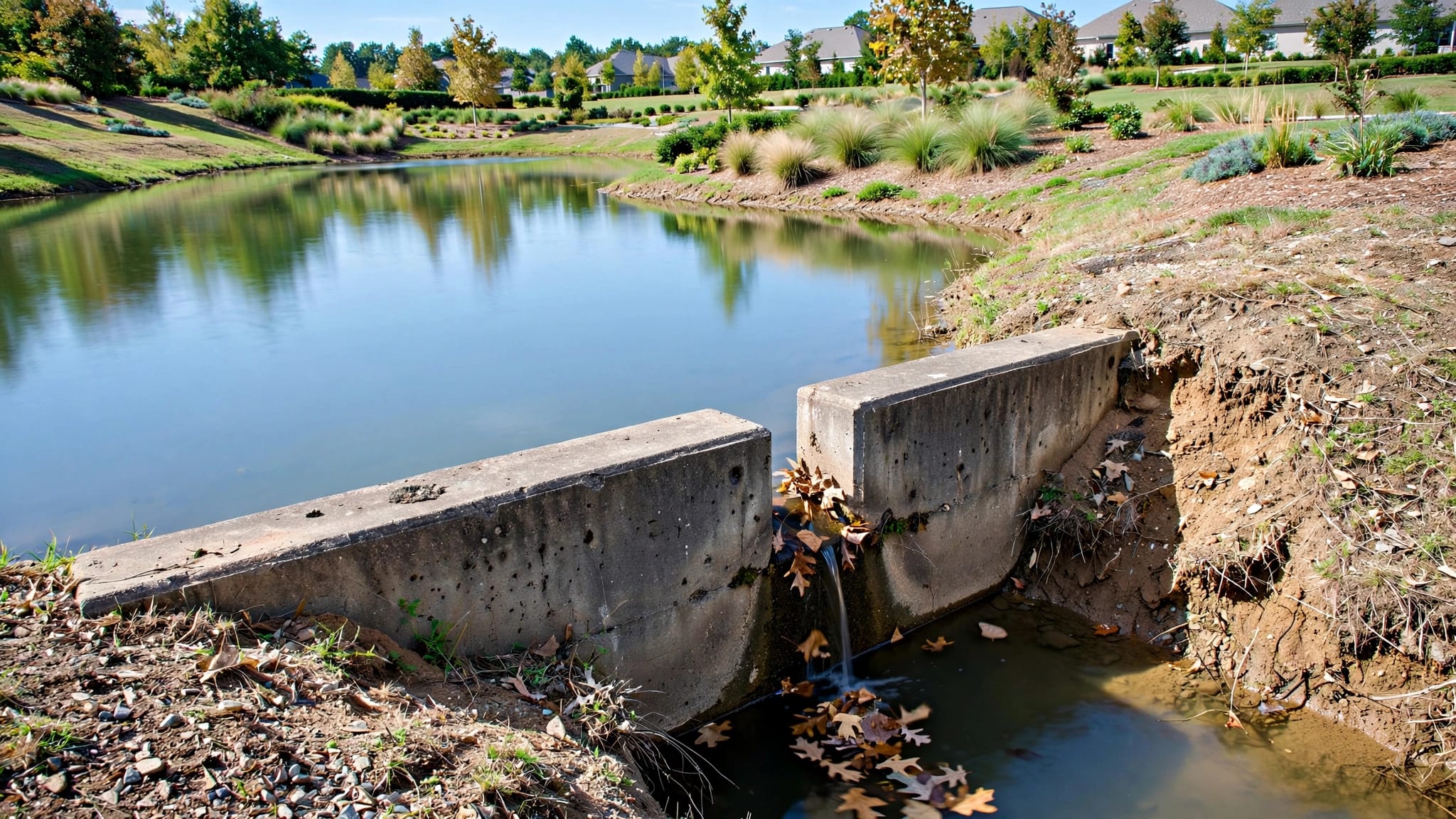
This is a good time for the board to review trends, not just single visits. Are debris piles smaller? Is algae coming back faster after storms? Did the last treatment hold? Are erosion or shoreline issues getting worse? Those answers matter because retention ponds and lakes in gated communities are part of the property system, not decoration. They protect drainage, support appearance, and reduce headaches later.
The best contractors leave a paper trail the board can use. Photos, service notes, treatment records, and straightforward recommendations make future decisions easier. If the team can't explain why a treatment was used, when it should be repeated, and what the next step is, the property will keep living on surprise.
A solid 90-day review should also show the likely next costs, whether that's shoreline stabilization, aeration work, or extra debris removal after storm season. That kind of forecast helps the board plan instead of reacting.
Red flags that show the fit is off
The first 90 days should also expose weak vendors quickly. When a lake contractor is off track, the signs usually show up early.
- Missed visits or late arrivals can let weeds and algae spread.
- Vague service notes make it hard to track real progress.
- Surprise charges mean the scope was never clear enough.
- Slow answers after rain or wind are a problem on Florida lakes.
- No proof of licensing or insurance is a major warning sign.
- One-size-fits-all treatments often ignore what the site actually needs.
If two or three of those issues show up early, the problem usually gets worse, not better. The board should speak up before the season changes or the property pays for the same work twice.
A contractor who understands multi-lake properties should also understand timing, drainage, and communication. That matters more than a sales pitch. It matters more than a low number on a proposal, too.
Conclusion
The first 90 days are a test of consistency. A strong lake contractor brings a clear scope, steady visits, plain reporting, and a plan that fits the property instead of forcing the property to fit the plan.
That kind of start gives HOA boards, golf course teams, and community managers fewer surprises. It also keeps retention ponds and lakes in better shape before small issues turn into expensive catch-up work.
Recent Posts