Community Lake Management Basics for New Board Members
A community lake can look calm on a Tuesday and still be heading toward an expensive problem by Friday. In gated communities, golf properties, and multi-lake neighborhoods, community lake management is part of the property system, not just the scenery.
For a new board member, that means the lake deserves the same attention as roofs, roads, and drainage. If you understand what the waterbody does, what can go wrong, and what a maintenance plan should cover, you make better budget decisions and fewer rushed ones.
Why the lake matters to the whole property
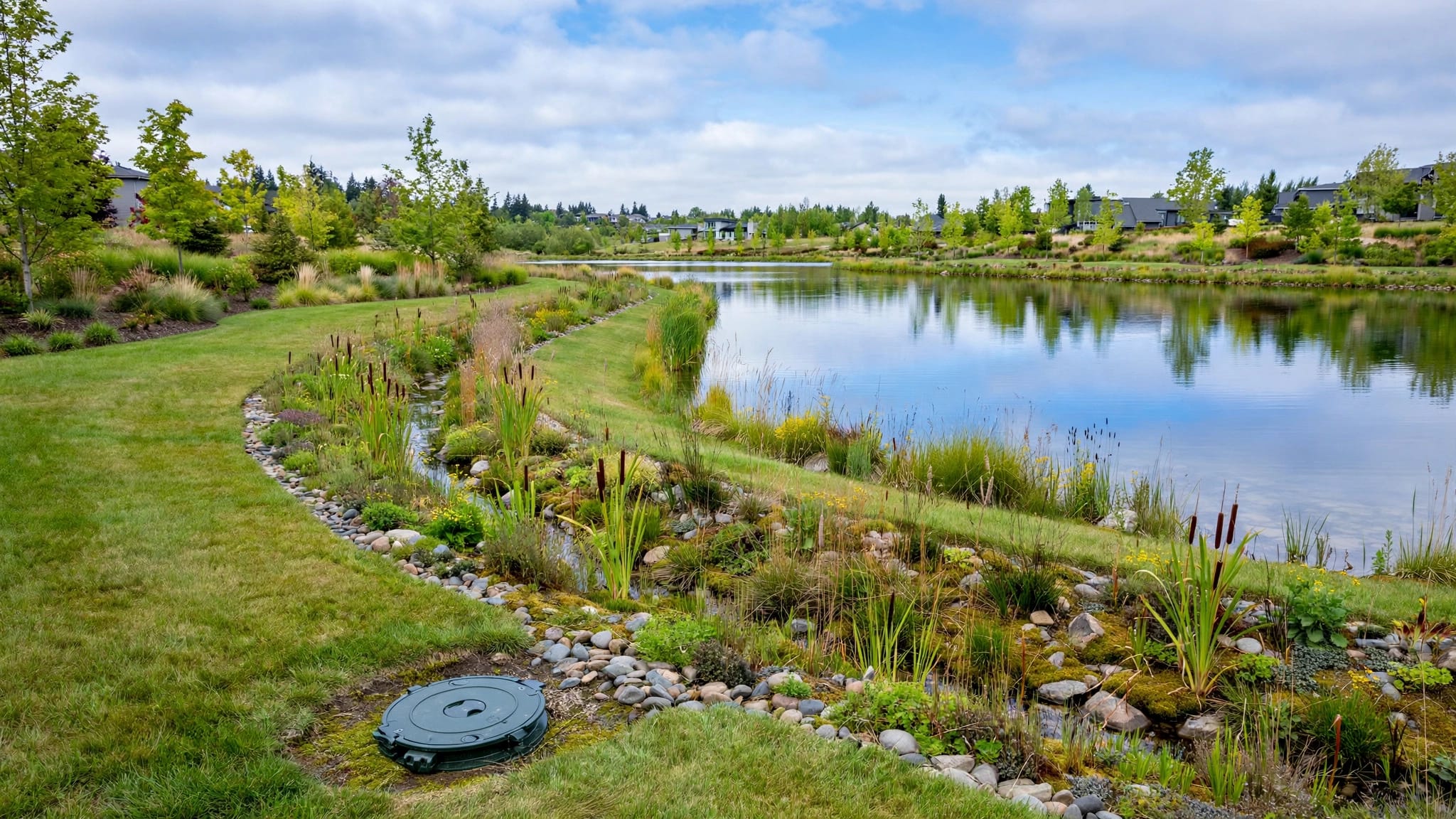
In a neighborhood with retention ponds or connected lakes, the water often handles stormwater first. That means the lake affects drainage, shoreline stability, and how the rest of the property performs after heavy rain.
It also affects how people feel about the community. A clean shoreline and stable waterline support curb appeal, while algae blooms, odor, and exposed banks do the opposite. Residents notice those problems quickly, and so do buyers, guests, and golfers.
Just as important, the lake affects safety. Thick weeds can hide hazards near the edge, and eroding banks can create soft spots where turf gives way. A board member does not need to become a lake technician, but the board does need to treat the waterbody like an active asset.
A lake is part of your drainage system, your landscape, and your budget at the same time.
That is why delays usually cost more than planned maintenance. Small problems in the water often become shoreline repairs, dredging needs, or repeated treatment bills later.
The main parts of a community lake system
Before you can read reports or approve a vendor, it helps to know the pieces that matter most. Each one needs a different kind of attention.
| Part of the system | What board members should watch | Why it matters |
|---|---|---|
| Shoreline and banks | Erosion, bare soil, collapsing edges | Weak banks lead to bigger repair bills |
| Vegetation zone | Unwanted weeds, brush, or sparse plant cover | Plants can protect the edge, but the wrong growth spreads fast |
| Water quality | Green water, odor, murkiness, surface film | These are early signs of imbalance |
| Aeration and circulation | Stagnant areas, equipment downtime, uneven water movement | Poor circulation can feed algae and low oxygen |
| Inlets, drains, and sediment | Clogged flow, buildup after storms, shallow spots | Sediment and debris can change how the lake functions |
The takeaway is simple. A community lake is not one thing, it is a system with connected parts. If one part slips, the rest usually follows.
That is why a vendor who only sprays weeds once in a while is rarely enough. Good care looks at the whole waterbody, then adjusts the work to match the season and the site.
Trouble usually starts with small changes
Lake problems usually announce themselves early. The trick is noticing the signal before it becomes a cleanup project.
Florida weather makes that harder. Heat speeds up algae growth, while rain pushes fertilizer, mulch, grass clippings, and sediment into the water. After that, the lake can turn cloudy, green, or foul much faster than a board expects.
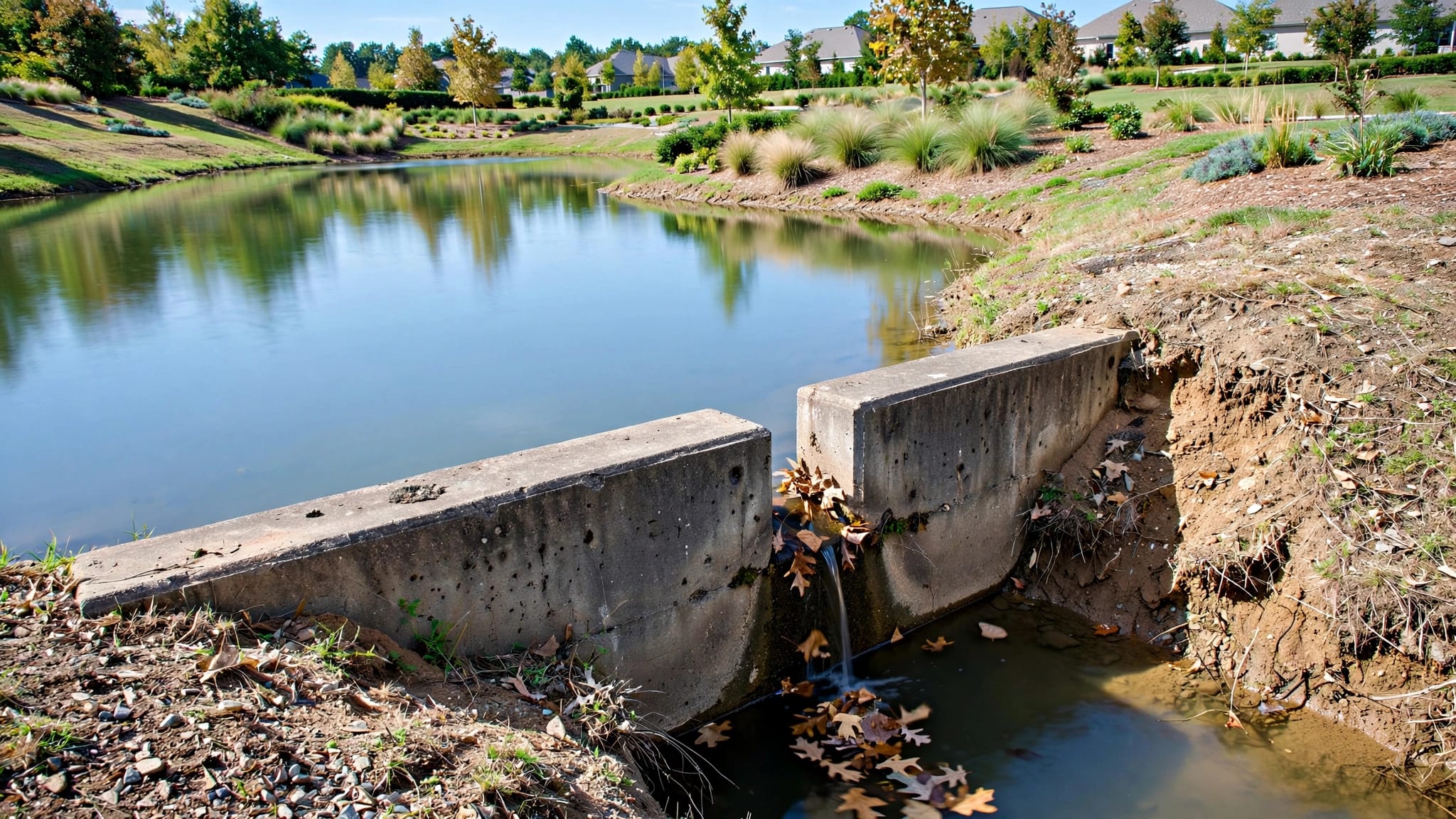
Look for changes in the edges first. A new line of floating material near a culvert, a patch of dead grass along the bank, or a sudden weed mat near a dock can point to a larger issue. In other words, the lake often tells you where the stress is showing up.
Common early warning signs include:
- Water that shifts from clear to green or tea-colored
- Odor after hot weather or low wind
- Shoreline erosion after storms or irrigation runoff
- Dense surface growth near corners, drains, or outfalls
These signs do not always mean the same fix. Sometimes the problem is nutrients. Sometimes it is poor circulation. Sometimes it is a shoreline issue that keeps feeding the waterbody again and again.
The best boards learn to report changes early, not after the lake has already spread weeds across the whole shoreline.
What a solid maintenance plan should include
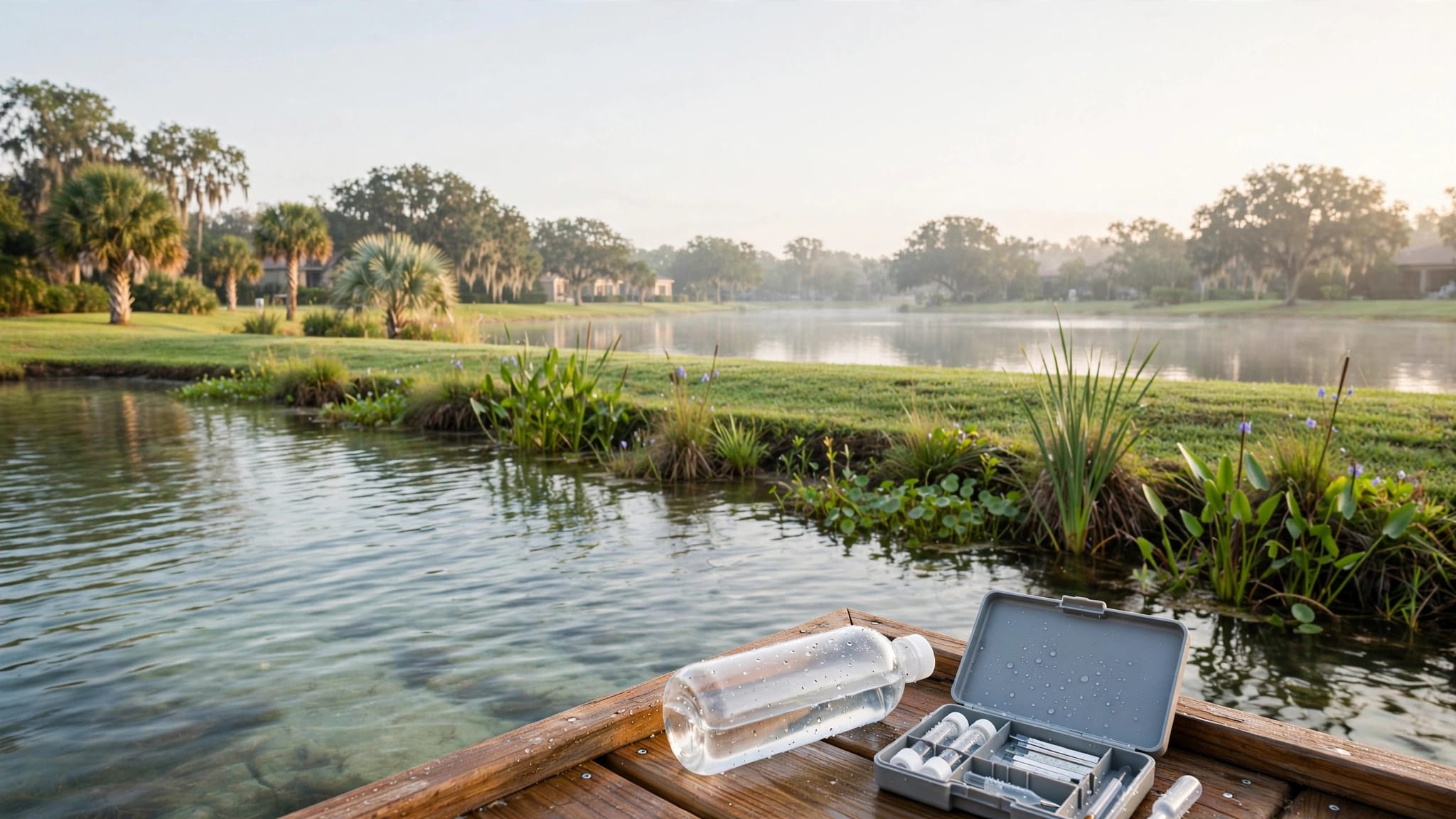
A proper maintenance program covers more than treatment days. It should include regular inspection, water quality monitoring, vegetation control, debris removal, and follow-up when conditions change.
For algae and weed pressure, integrated aquatic weed and algae control is usually part of the bigger plan, not a stand-alone fix. That matters because the same lake can have different issues in different zones. One section may need shoreline work, while another needs circulation or targeted treatment.
Board members should also ask how the vendor handles these basics:
- Timing of treatments after rain or heat spikes
- Documentation of what was treated and when
- Communication when conditions change quickly
- Debris removal after storms or wind events
- Aeration checks and equipment service
- Shoreline stabilization where erosion is active
Healthy littoral areas can help protect the edge of the lake, but they need the right plant mix and consistent oversight. Overgrowth, bare spots, and repeated washouts all call for a closer look.
The strongest programs are planned, measured, and repeated. They do not depend on a resident complaint to get started.
Contract language board members should read twice
The maintenance contract is where many boards either gain control or lose it. If the scope is vague, the lake work becomes vague too.
A board should know what is included, how often service happens, and what happens when conditions change between visits. That includes treatment limits, emergency response, weather delays, reporting, and shoreline work. If those points are not written down, the vendor and the board may remember the agreement differently.
What HOA Boards Should Know About Lake Maintenance Contracts is a useful next read for boards comparing service agreements. The main idea is straightforward. The contract should spell out the work, the timing, the communication, and the records the board can expect.
If the contract does not define the work, the board is guessing about the price and the response.
That guess can get expensive. It can also create friction when residents ask why a problem was not handled sooner.
Read the agreement for scope language, not just the monthly rate. A lower number can look good until it leaves out inspections, follow-up, or shoreline repairs.
Picking a contractor in Southwest Florida
Local experience matters in Southwest Florida because heat, rain, growth pressure, and runoff all work on the same lake at once. A contractor should understand retention ponds, community lakes, golf course water features, and the way one property can hold several connected waterbodies.
Licensing matters too. Seabreeze Lake Maintenance holds Commercial Applicator License #CM28291 and State-Licensed Specialty Contractor #SCC131152136, which is the kind of credential board members should confirm before signing anything. A board should also ask about insurance, communication, and whether the company provides inspection notes the board can actually use.
When you compare vendors, look for these signs of strength:
- Clear explanations without jargon
- Site visits, not just phone estimates
- A plan for recurring issues, not only one-time treatment
- Familiarity with HOA schedules and resident concerns
- Work that fits the property's drainage and shoreline needs
If your board is ready for a site visit and pricing, Get a Free Quote and ask for a lake inspection before you compare proposals. That gives you a clearer picture of what the lake needs now and what it may need next season.
A contractor who understands the whole property will talk about water, shoreline, access, and maintenance timing together. That is the right lens for board decision-making.
Conclusion
A new board member does not need to know every treatment chemical or biological detail. The board does need to understand that the lake is part of the community's infrastructure, and that small changes can lead to big costs.
When you track the shoreline, the water, the contract, and the reporting, community lake management becomes easier to control. The lake stays healthier, the budget gets clearer, and residents see fewer surprises at the water's edge.
Recent Posts