Routine Monitoring vs Diagnostic Testing for Pond Problems
Retention ponds and community lakes rarely fail in one dramatic moment. More often, the water gets a little cloudier, the shoreline grows a little faster, and then algae, odor, or murkiness shows up after a rain.
For gated communities, golf courses, and other multi-lake properties, that slow shift matters. This is about retention ponds and managed lakes, not koi ponds, and the right response depends on whether you need a routine check or a deeper diagnosis. Pond diagnostic testing becomes important when the problem stops looking simple.
Seabreeze Lake Maintenance works throughout Fort Myers, Naples, and nearby Southwest Florida communities under Commercial Applicator License #CM28291 and State-Licensed Specialty Contractor #SCC131152136.
What routine monitoring catches early
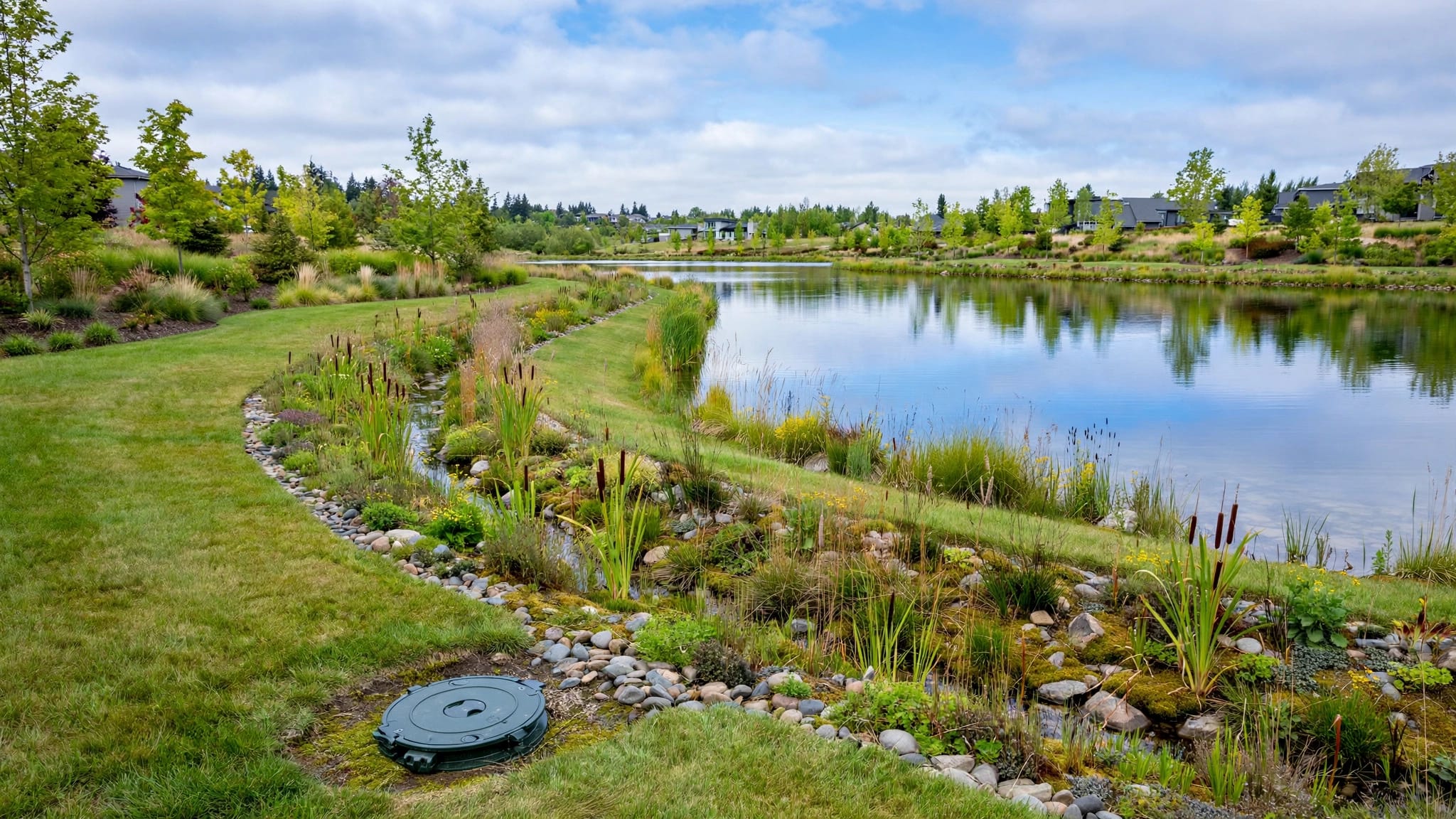
Routine monitoring is the regular walk-around that keeps small changes from turning into bigger ones. On community lakes, that usually means looking at water color, clarity, odor, algae growth, shoreline condition, debris, and the condition of fountains or aeration equipment.
It also means watching for patterns. A pond that clouds up after every heavy rain is telling a different story than a pond that stays clear until summer heat hits. When several lakes sit on the same property, those differences can help separate a runoff issue from a circulation issue.
Good routine monitoring works best on a schedule. Weekly or biweekly checks are common during warm weather, and extra visits make sense after storms, fertilization events, construction work, or equipment failure. Photos and notes matter here because memory gets fuzzy fast, especially when board meetings happen weeks later.
This kind of monitoring helps you spot early warning signs before residents notice them. It also helps document whether a treatment worked or whether a problem is coming back. A lake that changes slowly is easier to manage than one that is ignored until it turns green.
Still, routine monitoring has limits. It shows what the pond looks like, but it does not explain the chemistry behind the change. That is where testing comes in.
When diagnostic testing is the smarter move
Diagnostic testing becomes the right choice when a pond keeps showing the same symptoms and visual checks do not explain why. If algae returns after treatment, fish look stressed, the water stays cloudy, or the shoreline keeps growing back too fast, the problem is probably deeper than surface appearance.
A few signs point strongly toward testing:
- The same bloom returns after each treatment.
- Water smells bad even when the pond looks calm.
- Fish gasp at the surface or act sluggish.
- One basin on the property looks very different from the others.
- Murky water never clears, even after rain has passed.
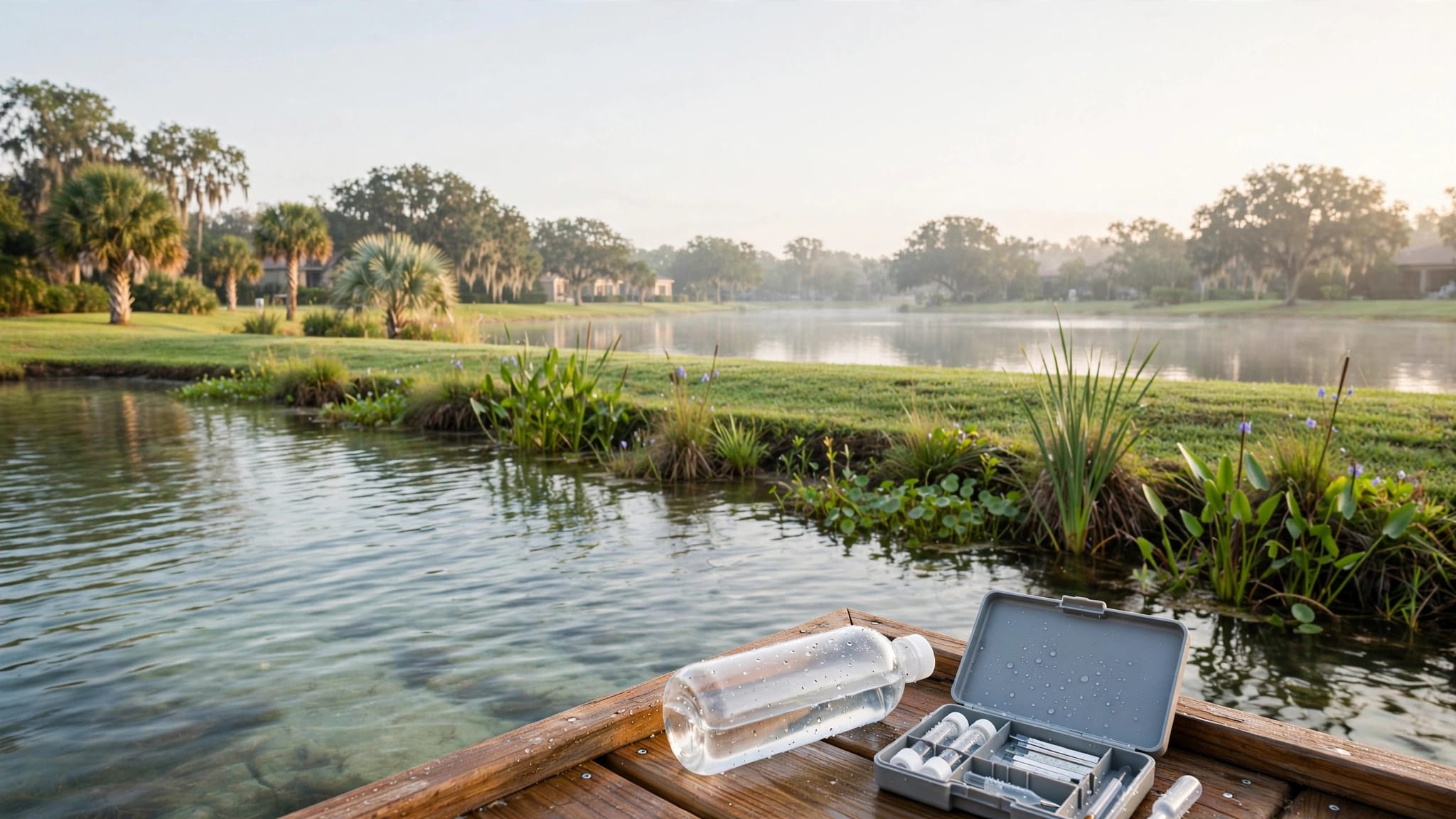
In those cases, pond diagnostic testing can reveal the conditions driving the problem. That may include dissolved oxygen, pH, alkalinity, nutrients, temperature, turbidity, and other field measurements. The goal is simple, match the fix to the cause instead of guessing.
If the same problem keeps returning, the pond is asking for a diagnosis, not another guess.
Once the sample data comes back, reading HOA lake water test results helps turn numbers into action. That matters because two ponds can look equally bad while needing very different solutions.
Testing is especially useful after heavy rain, fertilizer changes, irrigation issues, fountain outages, dredging, or resident complaints. It also helps when a board needs a clearer record before approving a treatment plan.
Routine monitoring vs diagnostic testing at a glance
The two methods work best as partners, but they are not the same tool. Routine monitoring tracks change, while diagnostic testing explains it.
| Factor | Routine monitoring | Diagnostic testing |
|---|---|---|
| Main question | Has the pond changed? | Why did it change? |
| Best timing | Weekly, biweekly, and after storms | When problems persist or return |
| Typical input | Visual checks, photos, and field notes | Water samples, field readings, and sometimes sediment |
| Best use | Early warning and trend tracking | Root-cause analysis and treatment selection |
| Main limit | Misses hidden chemistry issues | Takes more time and usually costs more |
The takeaway is straightforward. Monitoring keeps you ahead of visible trouble. Testing keeps you from treating the wrong problem.
What pond diagnostic testing measures
The value of pond diagnostic testing depends on what gets measured. A strong test panel looks at the conditions that drive algae, odor, oxygen stress, and water clarity problems.
Common measurements include:
- Dissolved oxygen , because low oxygen can stress fish and slow the natural breakdown of organic matter.
- pH and alkalinity , because these show how stable the water is and how well treatments will work.
- Nutrients such as phosphorus and nitrogen , because they feed algae and can fuel shoreline growth.
- Turbidity and suspended solids , because cloudy water often points to runoff, erosion, or disturbed sediment.
- Temperature and depth patterns , because warm surface water and stagnant lower layers can trap problems.
- Algae indicators , because they show whether algae is the main driver or just part of a larger issue.
The right panel depends on what the pond is doing. A lake with odor and fish stress needs a different look than a lake with shoreline weeds and muddy water. In some cases, sediment conditions also matter, especially when muck or repeated blooms keep coming back.
Diagnostic work also helps separate water quality issues from vegetation issues. If the test shows nutrient pressure and algae growth, the next step may be targeted integrated algae and aquatic weed control instead of broad treatment across the whole pond.
How community lakes use both methods well
For HOAs, golf courses, and multi-lake properties, the best approach is usually a simple rhythm. Start with routine monitoring, then move to testing when the pattern stops making sense.
Weekly observations keep everyone informed. Photos, weather notes, and treatment records make it easier to compare one lake against another and spot trouble early. Then, when a pond starts changing fast, diagnostic testing gives the board or manager a better basis for action.
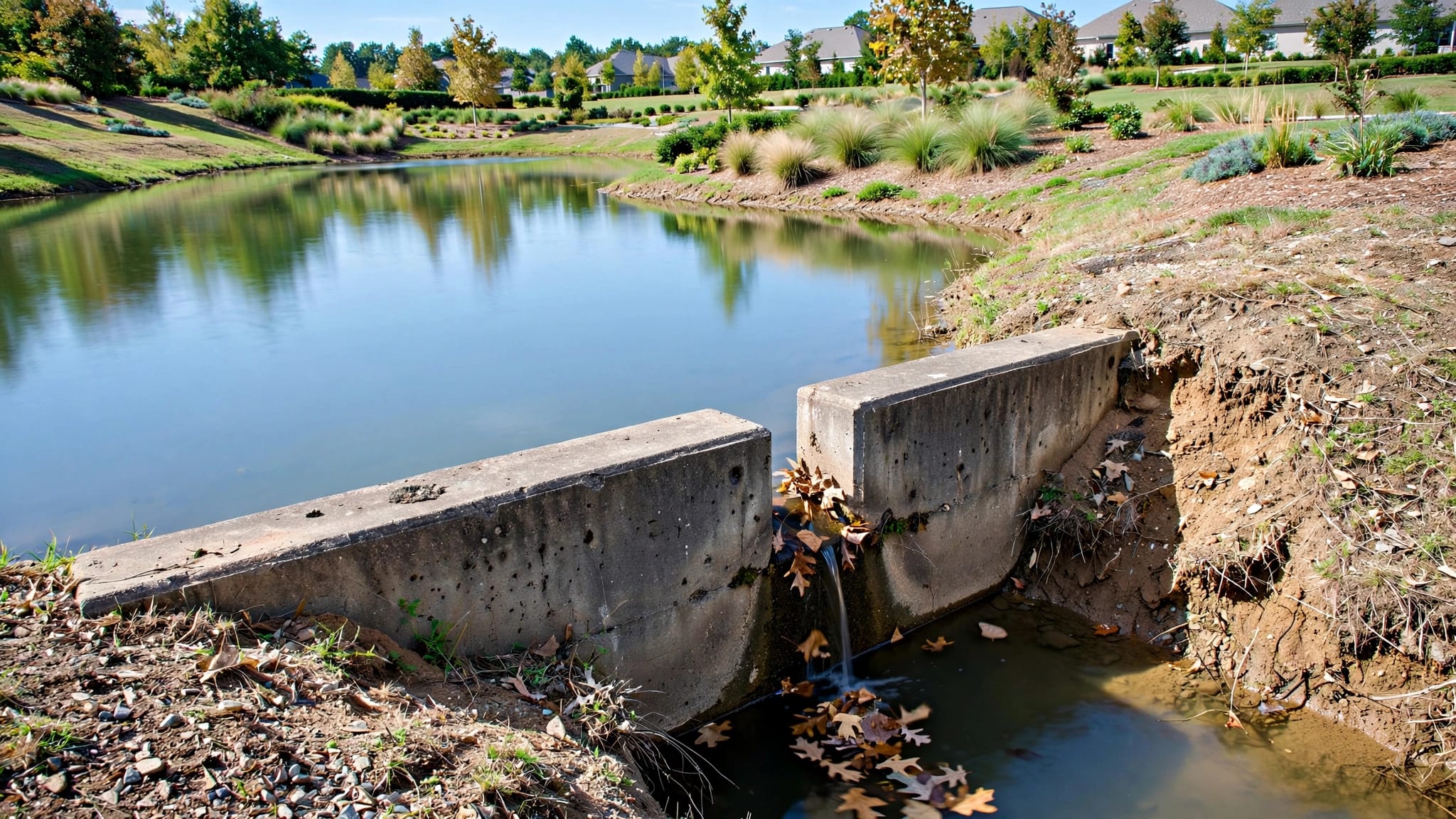
This matters most on properties with several basins. One lake may need aeration, while another needs runoff control or shoreline repair. Treating them the same can waste money and delay the real fix.
If your community or golf property is seeing repeated algae, cloudy water, or shoreline decline, Get a Free Quote for a lake inspection and treatment plan that fits the problem, not just the symptom. A quick look can tell you whether the pond needs close watching, water testing, or both.
Conclusion
Routine monitoring catches change early. Diagnostic testing explains why the change happened. For retention ponds and community lakes, that difference saves time, reduces guesswork, and helps boards spend money where it counts.
The strongest pond programs use both methods together. Watch the water often, test when the symptoms do not add up, and act on the cause instead of the guess. A calm-looking lake can still be sending a warning.
Recent Posts