How to Explain Lake Treatments to Residents
A green pond can spark complaints faster than a board notice can land in inboxes. In gated communities, golf courses, and HOA neighborhoods, residents notice smell, weeds, and murky water long before they hear the plan behind them.
That is why lake treatments need plain, direct language. When people understand what work is happening and why, they are far more likely to support it, even when the water looks different for a short time.
For retention ponds and lakes in multi-lake properties, the message matters even more. One problem basin can make the whole community look neglected if no one explains what is being done.
Start with what residents can already see
Most residents do not care about product names. They care about a pond that smells bad, a shoreline that is shrinking, or algae that keeps coming back after rain.
Start there. Say what changed, what it means, and what happens if nobody acts. That keeps the conversation grounded in things people already notice.
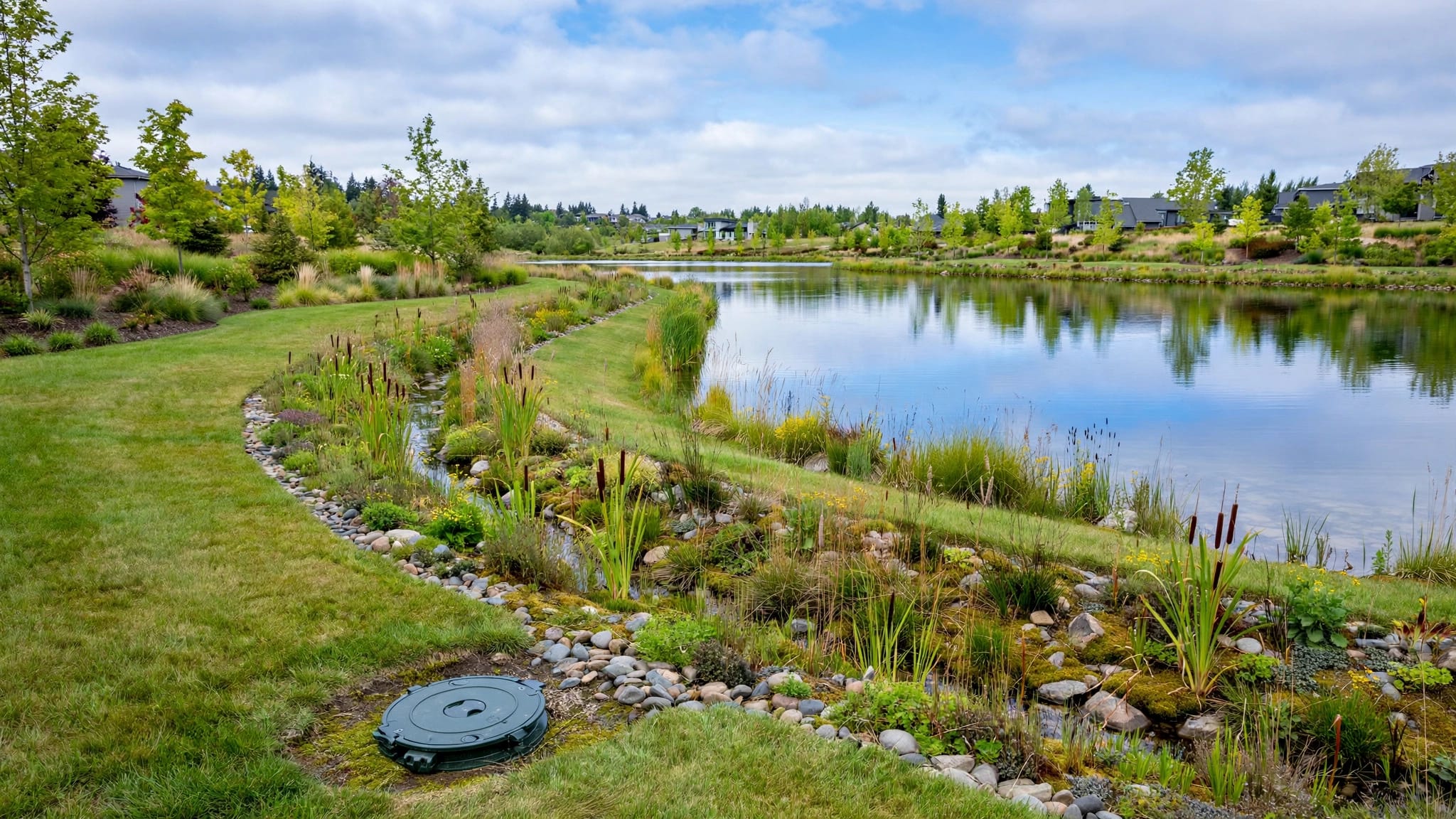
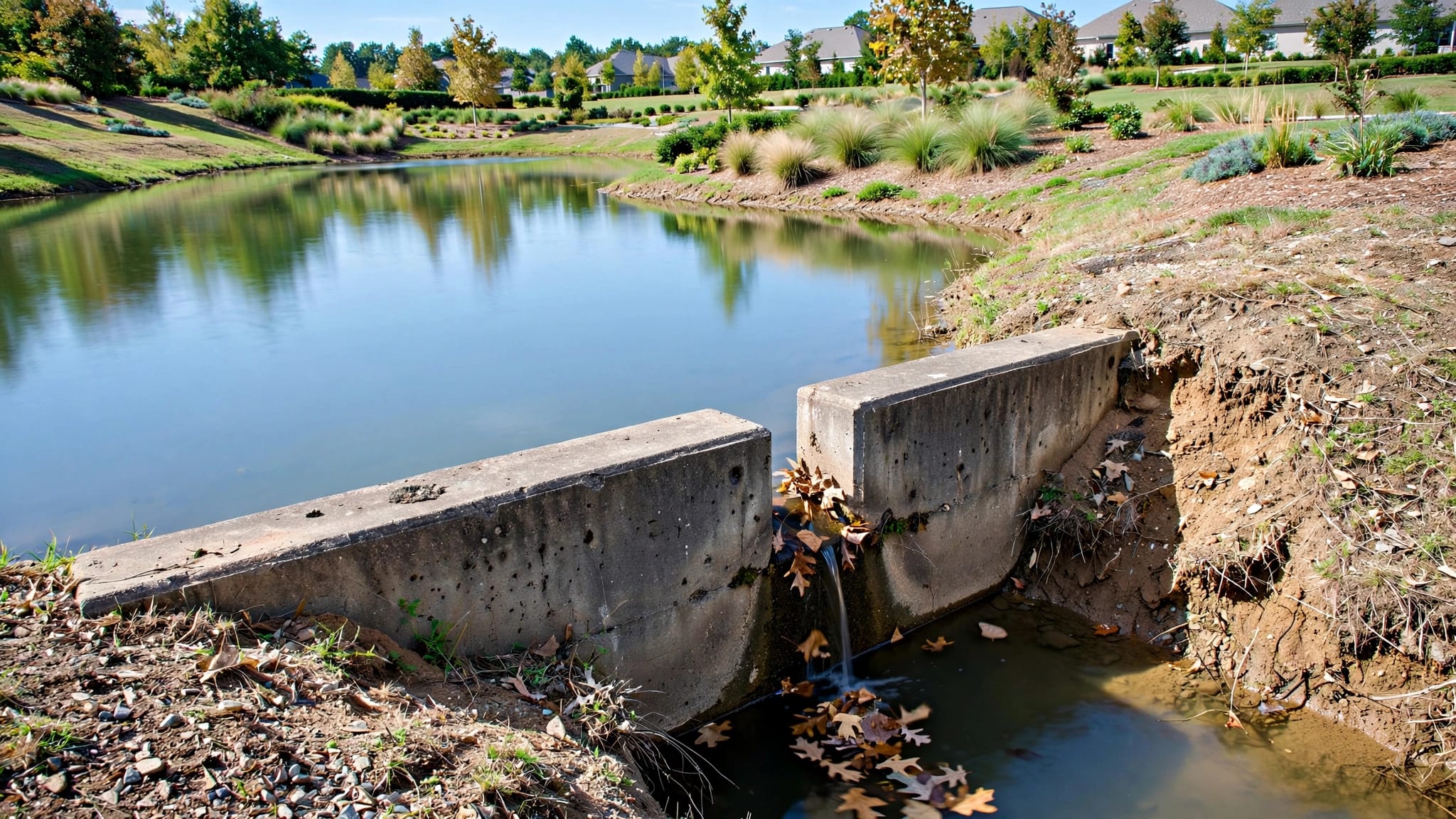
Visible problems are easy to describe in simple terms. A board can talk about green water, thick weeds, dead spots near the edge, floating debris, or erosion along the bank. Those are real signs of a lake under stress, not cosmetic issues.
It also helps to connect the work to shared-property concerns. When a pond gets overgrown, it can affect drainage, views, safety, and even property values. On a golf course, the stakes include curb appeal and playability. In a neighborhood, residents want the water to look managed, not ignored.
If the same pond turns green every summer, say so plainly. Heat, runoff, and nutrient buildup often push the problem back. Residents usually respond better when they hear that the issue is recurring, not random.
Turn technical lake work into plain language
Residents do not need a lesson in water chemistry. They need a translation they can trust.
A short explanation of each service makes a big difference, especially when the property has several lakes or retention ponds. The goal is to replace jargon with words people already use.
| Work term | Plain-language explanation | What residents understand |
|---|---|---|
| Algae treatment | Controls the green growth that clouds water | The pond will look cleaner |
| Aquatic weed control | Removes plants that crowd shorelines and shallow water | Views and access stay open |
| Aeration | Circulates water and adds oxygen | The lake stays healthier in hot weather |
| Water quality management | Tracks the conditions that cause recurring problems | The fix is based on the whole pond |
| Shoreline stabilization | Protects banks from washout and collapse | The edge stays safer and neater |
That kind of wording keeps the focus on results. It also helps residents see that one treatment may not solve every issue at once.
When algae and weeds keep returning, a broader plan works better than a one-time response. That is where integrated algae and aquatic weed control gives the board a better story to tell, because it addresses the problem as a system instead of a single symptom.
Answer the questions that show up first
Residents usually ask the same few things, and they ask them quickly. If the board already has clear answers, the conversation stays calm.
- Pet safety comes up fast, so explain when an area should stay clear and who should avoid it.
- Water color often changes after treatment, especially when algae dies back.
- Results do not always show the same day, because some issues need time to settle.
- Rain, heat, and runoff can change the schedule, so timing may shift.
- A heavily overgrown pond may need more than one visit before it looks right.
Those answers work because they sound honest. They also reduce the urge to guess about what the crew is doing.
If residents ask about fish, wildlife, or irrigation, keep the answer tied to the site plan and product label. If they ask why one pond got treated first, explain that each basin has its own condition, and the schedule follows what the water needs most.
A short answer in the moment beats a long explanation after complaints start. People want clarity, not a lecture.
Set expectations before crews arrive
A clear notice before treatment does more than warn people about activity on site. It gives them a reason to trust the process.
The notice should cover the basic points. It should say when the work will happen, which areas may change visually, and who residents can contact with questions. If the property has multiple lakes, the notice should identify which pond or section is being treated.
After the crew starts, some change in the water is normal. Residents may see discoloration, floating plant material, or a temporary shift in how the shoreline looks. That does not always mean something went wrong. It often means the treatment is doing its job.
A short notice before work starts prevents more complaints than a long explanation after the fact.
Follow-up matters just as much. Residents feel better when they know someone will return, inspect the area, and adjust the plan if needed. That is especially true during warm months, when growth can move quickly.
Timing also helps set the tone. Morning work windows, seasonal scheduling, and weather delays all sound more reasonable when they are explained ahead of time. A community that knows what to expect is less likely to assume the worst.
Show the work is licensed and documented
Trust goes up when residents know the lake is being handled by a licensed, accountable team. That matters on HOA properties, where the board has to answer for every vendor on site.
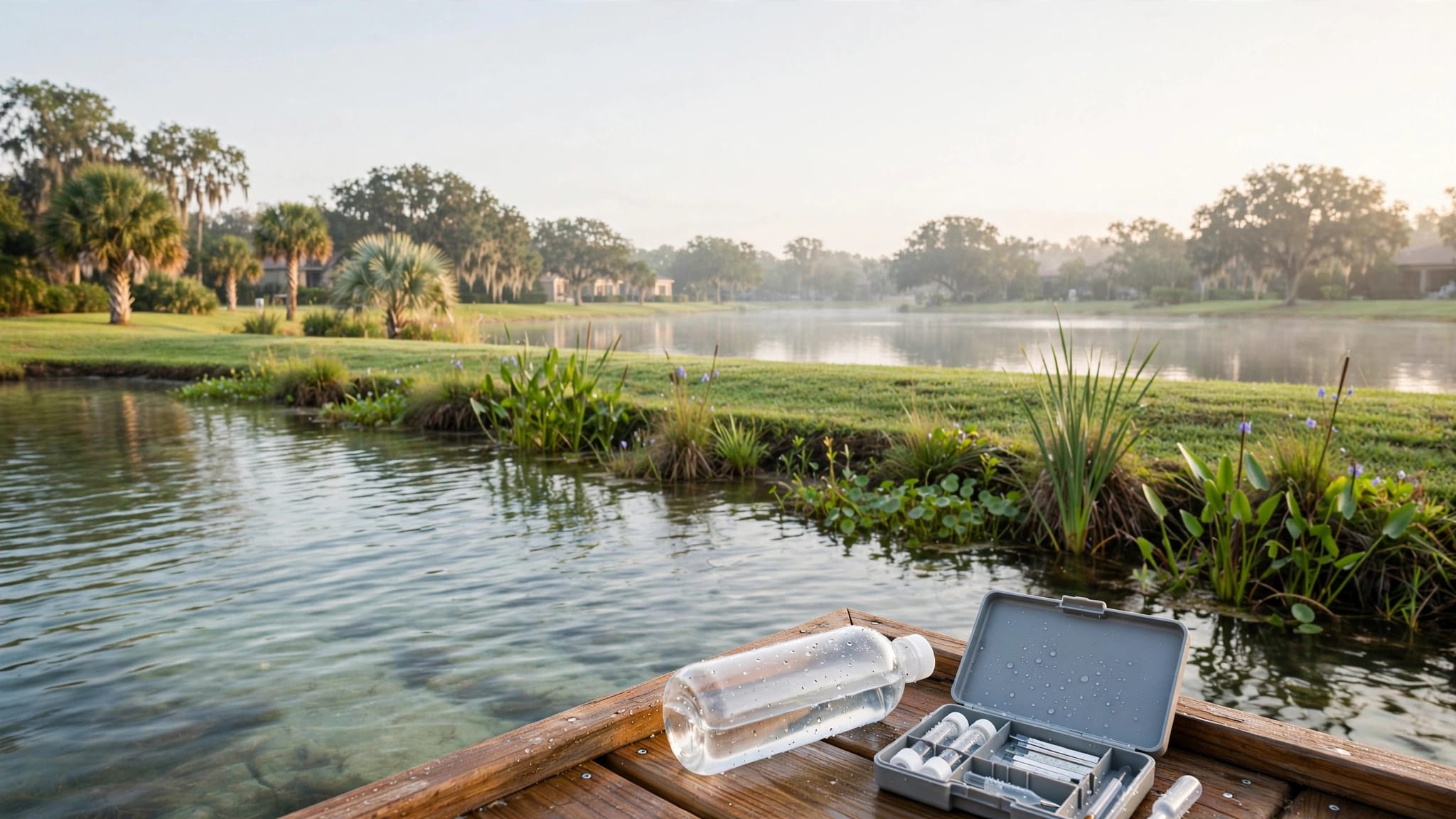
Clear documentation helps, too. Treatment dates, inspection notes, products used, weather conditions, and follow-up steps should all stay on record. If a resident questions a change in the pond, the board needs facts, not guesses.
Boards that want fewer surprises often start with understanding HOA lake maintenance contracts, because the contract spells out the scope, timing, and follow-up. That gives residents a cleaner explanation when questions come up at meetings or in email threads.
License status matters as well. For example, Commercial Applicator License #CM28291 and State-Licensed Specialty Contractor #SCC131152136 tell residents the work is being handled by qualified professionals who follow the rules for the site.
That message is simple: the property is not getting guesswork. It is getting a documented service plan built for lakes, not shortcuts.
Keep communication steady through the season
Lake care works better when residents hear from the board before the pond looks bad. A steady rhythm of updates keeps small issues from becoming big complaints.
Monthly or seasonal messages work well for this. They can mention recent treatment areas, plant growth trends, shoreline repairs, or upcoming inspections. Photos help, because people believe what they can see.
Board meeting notes should also stay plain and short. Use phrases like "algae control," "weed reduction," and "shoreline repair" instead of technical terms unless someone asks for details. Clear words travel better through a community than industry language.
When weather or runoff keeps pushing the same pond out of balance, a broader service plan is easier to explain than a series of random fixes. In those cases, the board can point residents toward integrated algae and aquatic weed control and explain that the goal is long-term stability, not one quick cleanup.
If the lake keeps changing after summer rain or heavy growth, it may be time for a fresh inspection. Get a Free Quote to schedule a lake walk-through and get a plan residents can understand.
Conclusion
Residents usually accept lake work when the message is clear. They want to know what changed, why it matters, and how long the disruption will last.
That is the core of good communication around lake treatments . Keep the language simple, keep the schedule visible, and keep the records clean.
When the board explains the work well, the lake looks managed instead of neglected, and the whole property feels more cared for.
Recent Posts