How Resident Fish Feeding Harms Florida HOA Lakes
Resident fish feeding looks harmless until the water turns dull, green, and expensive to fix.
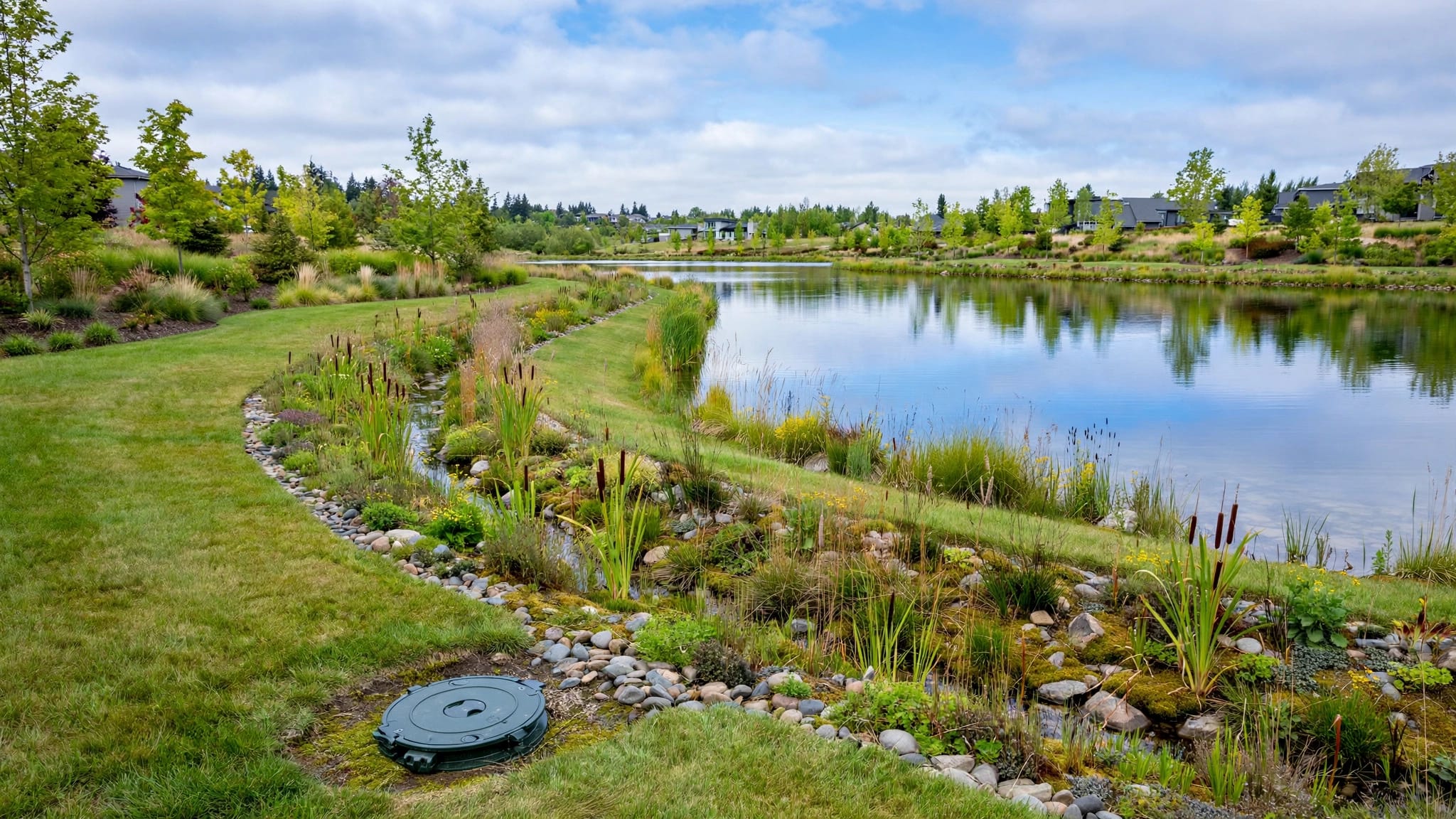
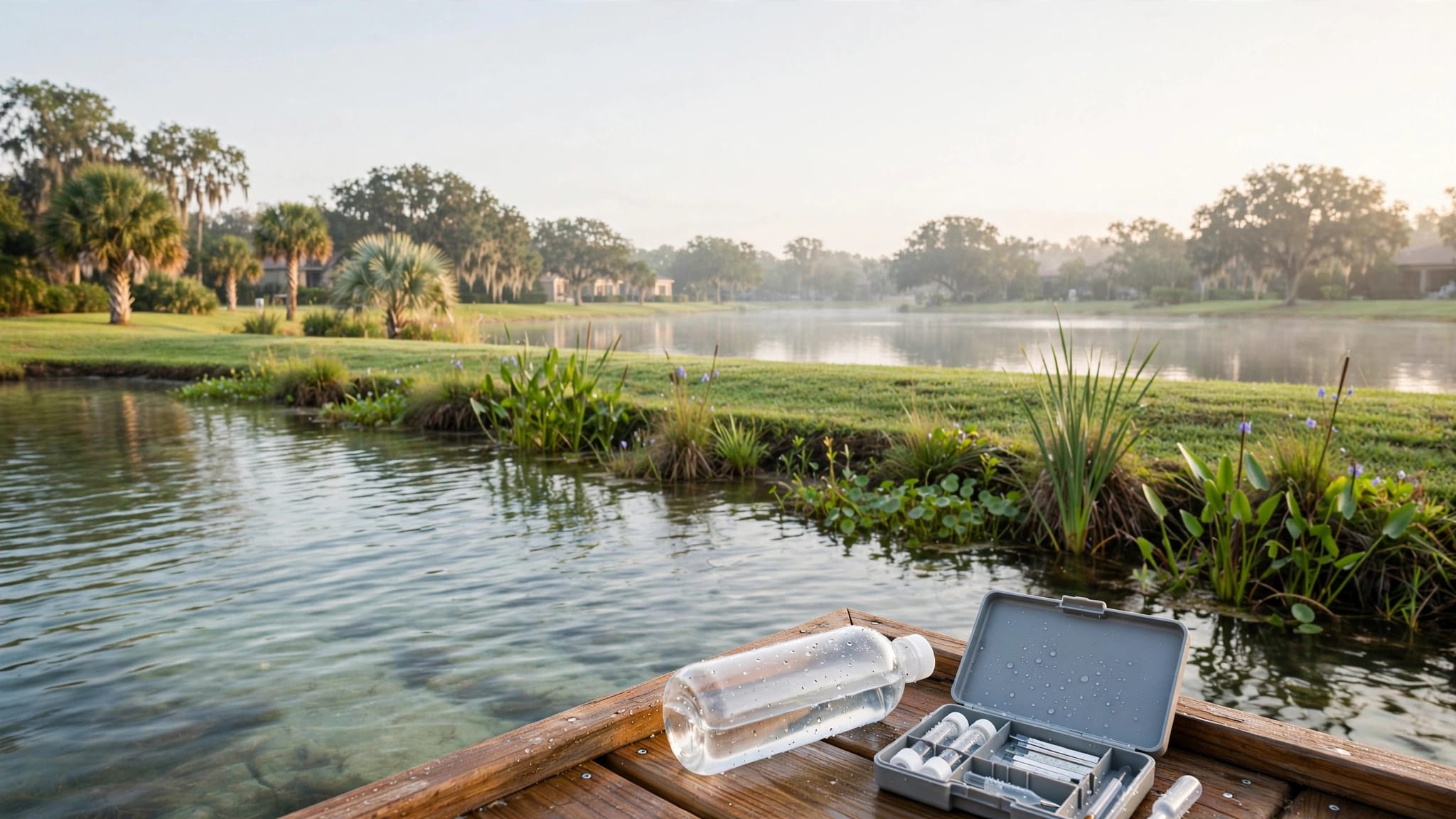
That matters in Florida HOA lakes , especially retention ponds and multi-lake community systems. This is about shared neighborhood water, not koi ponds or decorative backyard features. In warm Florida water, leftover food breaks down fast, adds nutrients, and pushes algae, muck, and odor in the wrong direction.
For boards and managers, the real cost shows up later. Residents keep tossing in bread, pellets, or scraps, and the lake keeps paying for it.
Why fish feeding changes Florida HOA lakes so quickly
Florida heat speeds up decay. A small pile of food may look harmless on the surface, but once it sinks, it starts to rot. In shallow basins and retention ponds, little of it disappears cleanly.
That rotting food becomes extra nutrients in the water. Those nutrients feed algae, which then blocks light and changes the lake's balance. The result often starts with a thin green edge and ends with a heavier cleanup job.
Fish also learn the routine. They gather at the same spot, and waste builds up there. The feeding zone turns into a weak point, like one wet spot on a roof that keeps getting bigger after every storm.
In many Florida HOA lakes, water movement is limited. That means the lake cannot flush out the added food quickly. When one resident feeds fish every afternoon, the effect becomes constant instead of occasional.
Uneaten food rarely stays visible for long. It becomes part of the lake.
The problem gets worse in summer. Warm water speeds up breakdown, and low oxygen can follow. If rain washes loose food toward drains or shorelines, the lake gets another dose of nutrients from the same habit.
The damage shows up in algae, sludge, and shoreline mess
A lake rarely fails all at once. It usually starts with small changes that people ignore. Cloudy water, a slimy edge, or a faint odor can seem minor at first.
Here is how common feeding habits play out in the water:
| Feeding habit | What happens in the water | What the HOA notices |
|---|---|---|
| Tossing bread or pellets daily | Uneaten food sinks and decays | Cloudy water and green edges |
| Feeding in the same cove or dock | Fish waste and scraps build up in one place | Muck, odor, and surface scum |
| Feeding during hot months | Food breaks down faster | Oxygen loss and stressed fish |
| Feeding near shorelines | People and wildlife gather at the bank | Erosion, droppings, and complaints |
These problems work together. As algae thickens, sunlight reaches less of the water. Then the bottom layer can lose oxygen, and that puts stress on fish and helpful aquatic life. In a bad stretch, fish may gulp at the surface or die after a hot spell.
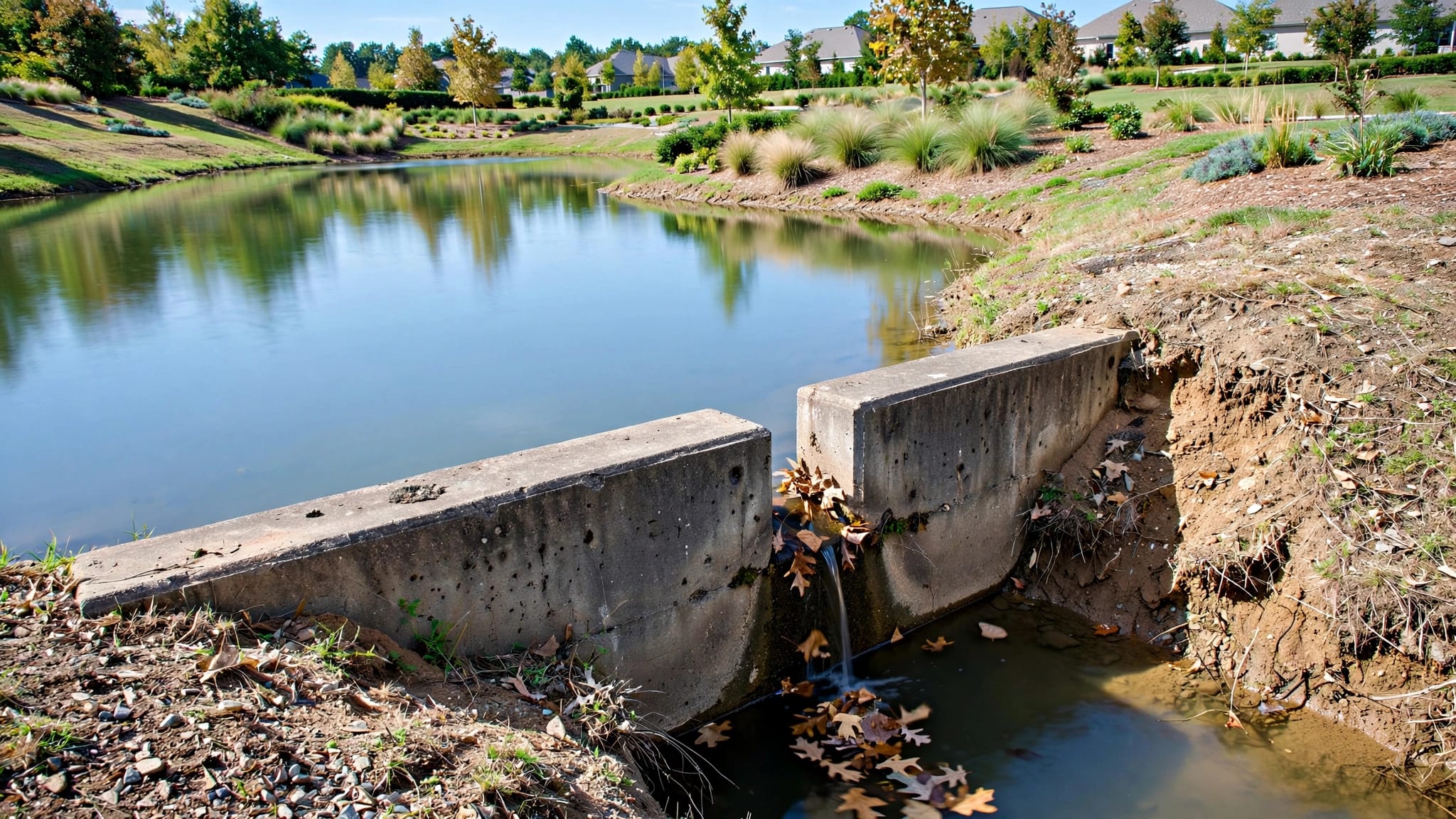
Shorelines suffer too. People walk to the same spot to feed fish, snap photos, or toss in more food. That foot traffic wears down bank edges over time. If ducks, turtles, or other wildlife join the routine, the cleanup gets worse.
The water can also develop sludge faster than expected. Decaying food settles into the bottom and mixes with leaves, grass clippings, and storm debris. The lake starts to act like a catch basin with a food source, and that is a hard mix to fix later.
Why the problem keeps coming back in gated communities
Resident feeding is one of the fastest ways to keep a lake nutrient-heavy. That matters even more in gated communities and other multi-lake properties, where one habit can affect more than one basin.
A lake may look better after treatment, then turn green again a few weeks later. That usually means the source is still there. If residents keep feeding fish, the lake keeps getting refueled. In other words, the cleanup works for a while, but the problem never stops entering the system.
When algae keeps returning, boards should watch for early warning signs of lake water quality problems. Repeated algae, soft muck, odor, and shoreline buildup are all signs that the lake needs more than a quick touch-up.
Retention ponds are especially vulnerable. They often have limited water exchange, so nutrients stay put. That is why a feeding habit at one access point can affect the whole pond, not just the corner where people stand.
A strong maintenance plan should also match the property, not force every lake into the same box. A board that wants fewer surprises should spell out lake use rules and service expectations in HOA lake management contracts. That matters when one basin needs algae control, another needs aeration, and a third needs shoreline work.
On larger properties, treatment should come from a crew with Commercial Applicator License #CM28291 and State-Licensed Specialty Contractor #SCC131152136. That kind of oversight matters when nutrient input, weeds, and shoreline wear all show up at once.
What HOA boards can do about resident fish feeding
The cleanest fix is simple, clear rules. A no-feeding rule for fish, ducks, and other wildlife removes the biggest source of extra nutrients. Most residents will follow a rule when they understand the reason behind it.
Signs help when they stay short and plain. They should explain that food fuels algae, adds muck, and hurts water quality. Put them near docks, paths, and other places where people stop. If the lake has several access points, use more than one sign.
Boards also need to make the message easy to repeat. A brief note in a community newsletter or resident portal works better than a long explanation. One clear line often does the job: feeding wildlife makes the lake harder and more expensive to maintain.
A simple action plan can keep the issue from turning into a fight:
- Post a no-feeding policy at every common access point.
- Explain why the rule exists in plain language.
- Ask residents to report repeat feeding spots.
- Check the shoreline after heavy rain or community events.
- Review the lake service plan if algae keeps coming back.
That last point matters. If the water already looks stressed, the lake may need aeration, aquatic weed control, debris removal, shoreline stabilization, or erosion control. Those services work better when the nutrient load is under control.
If your community is already dealing with green water, odor, or heavy muck, Get a Free Quote for a lake inspection and a closer look at what is driving the problem.
Conclusion
Resident fish feeding sounds minor, but it changes the water one handful at a time. In Florida HOA lakes, that habit adds nutrients, builds sludge, and keeps algae coming back.
When boards treat it as a lake management issue, the fix gets clearer. Stop the feeding, set the rules, and keep the maintenance plan tight so the lake has a chance to stay balanced.
The shoreline usually shows the strain first, and once that happens, the water is already asking for more care.
Recent Posts