7 Signs Your HOA Lake Needs Professional Attention
A community lake can look calm while problems build below the surface. In HOA communities, golf courses, and other multi-lake properties, small changes often grow fast, especially in Florida heat and heavy rain.
That matters because retention ponds and lakes do more than fill space. They affect curb appeal, drainage, safety, and how residents judge the whole property. These warning signs apply to retention ponds and community lakes, not koi ponds, and they point to real HOA lake maintenance needs.
1. Algae keeps returning after treatment
A little algae after a storm is common. Algae that comes back week after week is a different story.
When green film, floating scum, or thick mats keep showing up, the lake probably has a deeper issue. Extra nutrients from runoff, decaying plants, and weak circulation all feed the problem. Surface treatments can clear the water for a short time, but the bloom returns if the lake still has the same conditions.
That is why repeated algae trouble deserves a closer look. A trained crew can check water quality, find the source of the buildup, and decide whether the lake needs nutrient control, better circulation, or both. In many cases, that is where lake and pond aeration systems come in, because moving water and higher oxygen levels can help the lake stay healthier between treatments.
2. The water smells like decay
A strong, sour, or rotten smell is a clear warning. It often means plant matter is breaking down faster than the lake can handle.
Low oxygen is a common cause. So is a thick layer of muck on the bottom. When leaves, grass clippings, and other debris settle in the lake, they decay and release odors. Warm weather makes the smell worse, and stagnant water traps it near the shoreline.
If residents start noticing the smell from sidewalks, patios, or cart paths, the lake is sending a message. The issue may not be visible on the surface yet, but the water is already under stress. Professional attention can identify whether the odor comes from poor circulation, excess nutrients, or sediment buildup. A fix that only masks the smell will not last.
3. Shorelines are washing away
If the edge of the lake is crumbling, the problem is growing. Muddy banks, undercut edges, and exposed roots all point to erosion.
This kind of damage often starts after storms, boat wake, foot traffic, or long stretches of wave action. Once the grass and soil at the edge start to break apart, the shoreline loses its grip. The water then carries more soil into the lake, which makes the water cloudier and feeds more algae growth.
Shoreline damage also creates a maintenance loop. The more the bank erodes, the more expensive the repair becomes. Professional shoreline stabilization can slow that damage and protect the pond edge before it spreads. In other words, the shoreline is not just a border. It is part of the lake's defense system.
4. Weeds are taking over open water
A few aquatic weeds are manageable. Thick mats that block views, boat access, or fountain spray are a sign the lake needs help.
When weeds spread across the pond or crowd the edges, they usually point to nutrient loading, poor water balance, or shallow areas that warm up too fast. Floating weeds can also trap debris and make the lake look neglected, even if the rest of the property is in good shape.
This is where a steady HOA lake maintenance plan matters. One treatment may knock weeds back for a while, but long-term control usually needs a mix of aquatic weed control, water quality management, and routine checks. If the lake has recurring weed growth, the goal should be to correct the conditions that keep feeding it.
5. Fish are gasping at the surface
Fish at the surface, especially in the early morning, often mean oxygen is too low. Dead fish after hot weather or a long stormy stretch are another red flag.
Lakes and retention ponds in Florida can turn low on oxygen fast. Warm water holds less oxygen, and heavy rain can stir up the bottom. When that happens, fish struggle, and the whole system starts to show stress. Even if the lake still looks blue, the water may not be healthy.
A fish kill is never something to shrug off. It can point to a bigger water quality issue, and that problem can spread to algae, odor, and poor clarity. If wildlife is showing stress, the lake needs a professional review before the next hot spell makes things worse.
6. Water levels swing without a clear reason
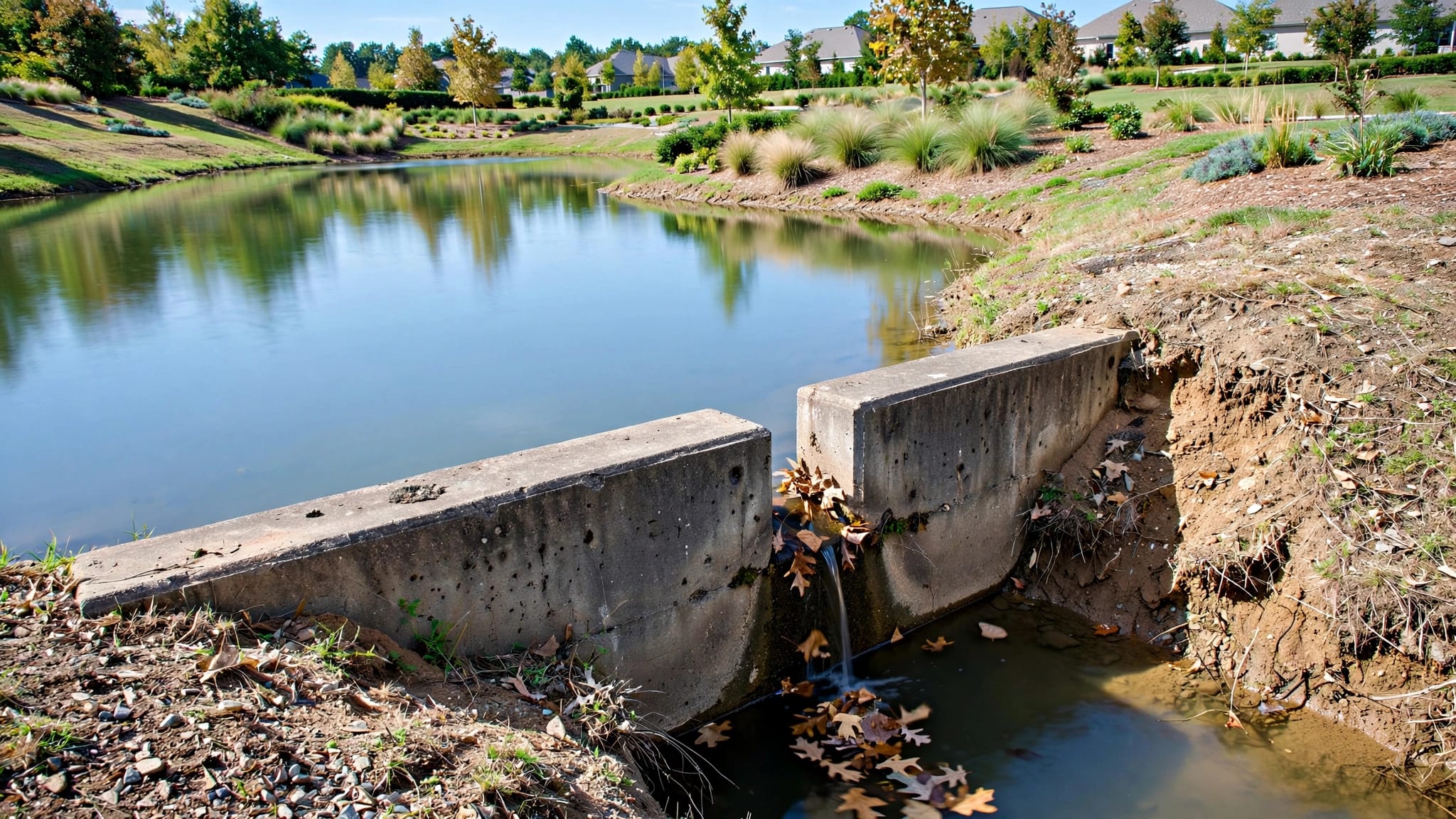
All lakes rise and fall a little, but sudden drops or repeated high-water events need attention. So do muddy spots near inlets, standing water that lingers too long, and debris around drains.
In a community setting, water control is part of the job. If the system that moves water in and out is blocked or failing, the lake can back up after rain or lose too much water during dry weather. That creates problems for shoreline plants, erosion control, and the look of the whole property.
This issue is easy to miss because it often starts with something small, like leaves blocking a drain or sediment slowing flow. A professional inspection can spot the source before it turns into a bigger repair. For retention ponds, that check matters as much as any visible treatment.
7. Fountains or aeration systems stop doing their job
If the fountain is weak, off schedule, or not running at all, the lake loses one of its best tools for circulation. The same goes for diffusers and other aeration equipment.
Poor circulation does not just affect the look of the water. It also affects oxygen levels, muck buildup, and how fast algae returns. When the equipment fails, the lake can slide backward even if everything else looks fine on the surface.
If a lake looks better for a week and then slides back, the issue usually starts below the surface.
For properties that depend on circulation, professional pond aeration solutions can be part of the answer. The right system helps support healthier water and gives the rest of the maintenance plan a better chance to work.
What professional HOA lake maintenance should include
A real lake program does more than treat one visible issue. It starts with a site visit, then looks at the whole system, water quality, shoreline, plant growth, debris, and equipment.
For HOA communities and golf courses, that usually means a mix of algae treatment, aquatic weed control, water quality checks, lake aeration, shoreline stabilization, erosion control, debris removal, and routine service. Each part supports the others. If one piece is ignored, the same problem often comes back.
Licensing matters too. In Florida, work should be handled by a team with a Commercial Applicator License #CM28291 and a State-Licensed Specialty Contractor #SCC131152136. That gives property managers and boards a better footing when they need treatment that is safe, legal, and suited to the site.
If your lake is showing several warning signs, Get a Free Quote and schedule a lake inspection. A close look can tell you whether the answer is a one-time fix or a longer maintenance plan.
Conclusion
A community lake does not need to fail all at once to need help. Algae, odor, erosion, weeds, low oxygen, water swings, and broken equipment are all early warnings.
The good news is that these signs are easy to spot once you know what to look for. When HOA lake maintenance shifts from basic cleanup to targeted care, the lake has a much better chance of staying healthy and presentable.
For retention ponds and community lakes, the best time to act is before the shoreline slips or the water turns green again.
Recent Posts