Florida HOA Lake Maintenance Costs: What Boards Should Budget
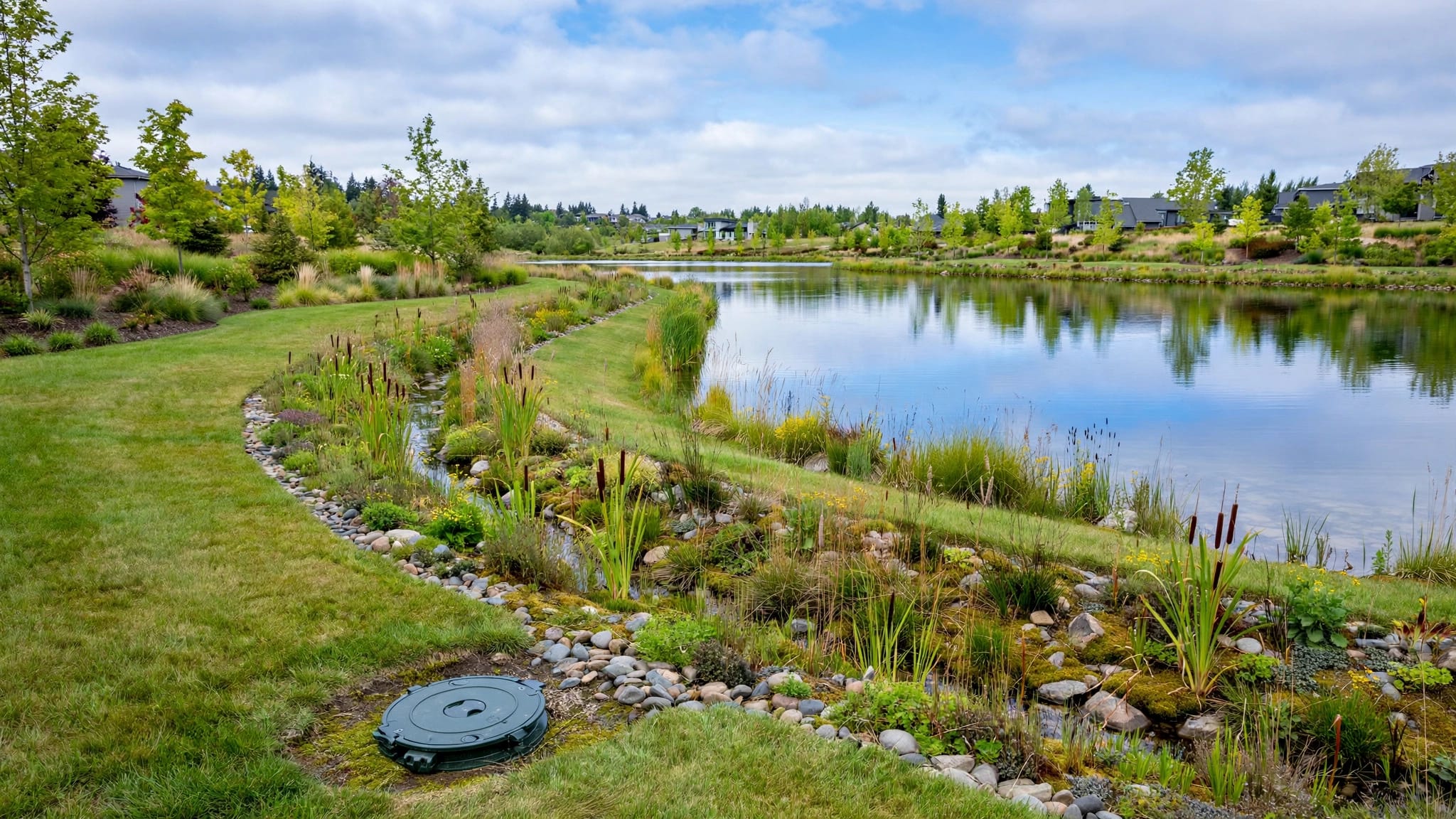
If your HOA manages a lake or a chain of retention ponds, the monthly bill can swing more than most boards expect. Florida's heat, rain, and long growing season keep water management active almost year-round, so small issues rarely stay small for long.
Recent Florida estimates put routine lake maintenance around $2,500 to $7,350 per acre each year , or about $210 to $610 per acre per month . This guide explains why that range changes, what a typical service plan includes, and how communities can budget with fewer surprises.
This is for retention ponds and lakes in gated communities, golf courses, and other multi-lake properties, not koi ponds or backyard decorative water features.
What HOA Lake Maintenance Costs in Florida
For a community lake, price usually starts with acreage, then shifts based on how much work the water needs. A clean one-acre pond can stay near the low end of the range. A larger system with algae, weeds, and shoreline wear can move fast toward the top.
Typical monthly budget ranges
Use these figures as rough planning numbers for routine service, not full restoration.
| Water body size | Estimated monthly cost | Estimated yearly cost | What that often covers |
|---|---|---|---|
| 1 acre | $210 to $610 | $2,500 to $7,350 | Routine inspections, weed and algae control, debris pickup |
| 2 acres | $420 to $1,220 | $5,000 to $14,700 | More treatment area, more visit time, more follow-up |
| 5 acres | $1,050 to $3,050 | $12,500 to $36,750 | Multi-lake service, heavier equipment use, larger cleanup needs |
The big takeaway is simple. A healthy lake is cheaper than a neglected one. Once a pond gets thick growth, low oxygen, or bank erosion, the bill goes up because the fix takes more labor and more materials.
What Changes the Price on a Florida Lake
Several things push the HOA lake maintenance cost up or down. Some are easy to see, while others hide below the surface until the problems spread.
- Lake size and layout matter first. A single open pond is easier to manage than several connected basins with narrow access points.
- Algae and weed pressure can change with weather. Hot spells, nutrient runoff, and still water all make treatment more frequent.
- Aeration and fountain upkeep add another layer. Equipment needs checks, cleaning, and occasional repair.
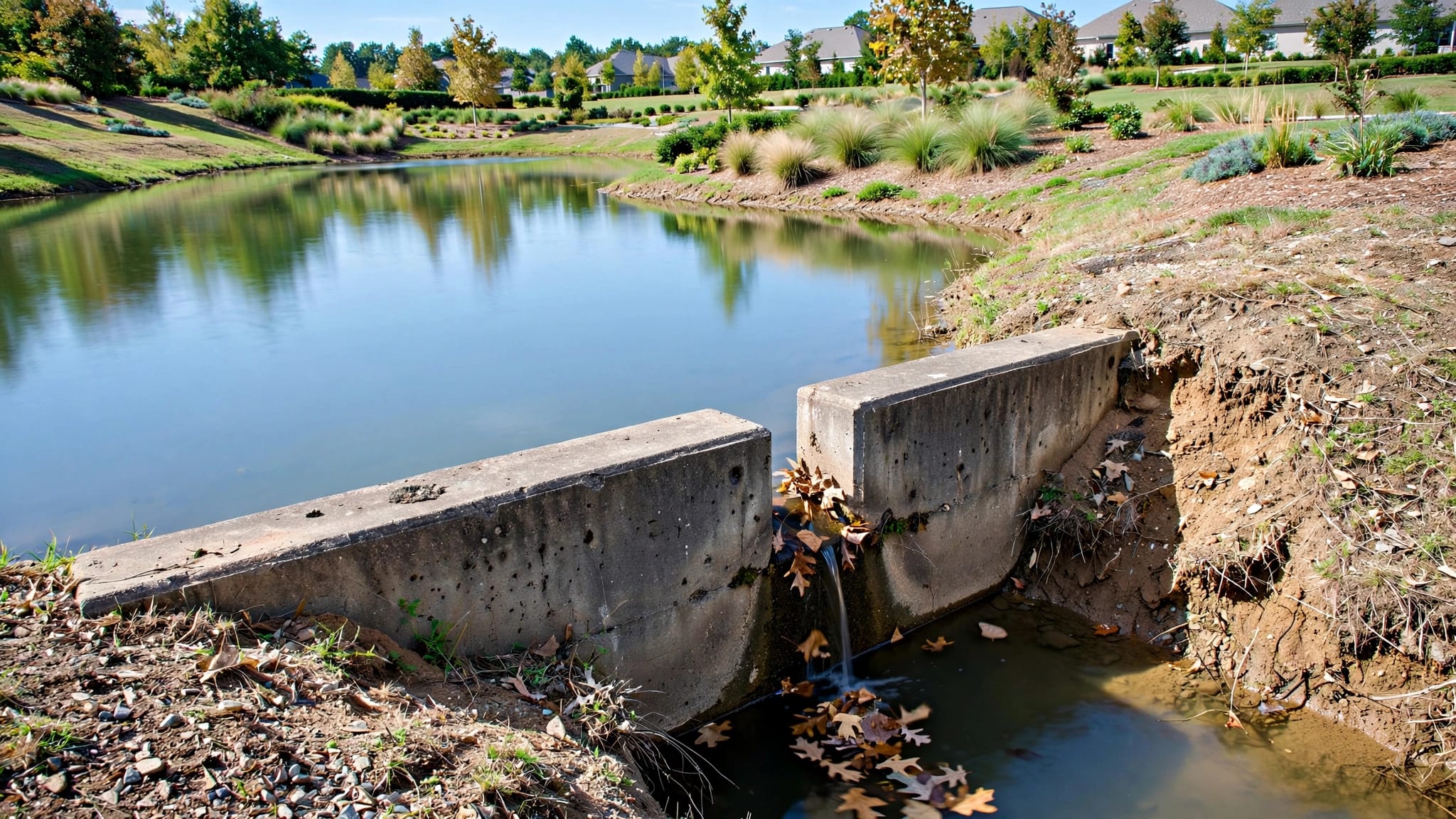
- Shoreline damage and sediment increase labor. If the bank is breaking down, the lake often needs more than basic water treatment.
- Service frequency affects the final number. Weekly or biweekly visits cost more than occasional spot treatment, but they also catch problems earlier.
Treatments and repairs should also be handled by the right professionals. When herbicide work or shoreline repairs are part of the job, Florida credentials matter, including Commercial Applicator License #CM28291 and State-Licensed Specialty Contractor #SCC131152136 .
If a lake keeps struggling with low oxygen, a system like lake and pond aeration systems can become part of the normal budget instead of an emergency fix.
What a Maintenance Plan Usually Covers
A good HOA lake plan does more than spray weeds when they show up. It starts with inspection, because a problem caught early costs less than one found after a bloom.
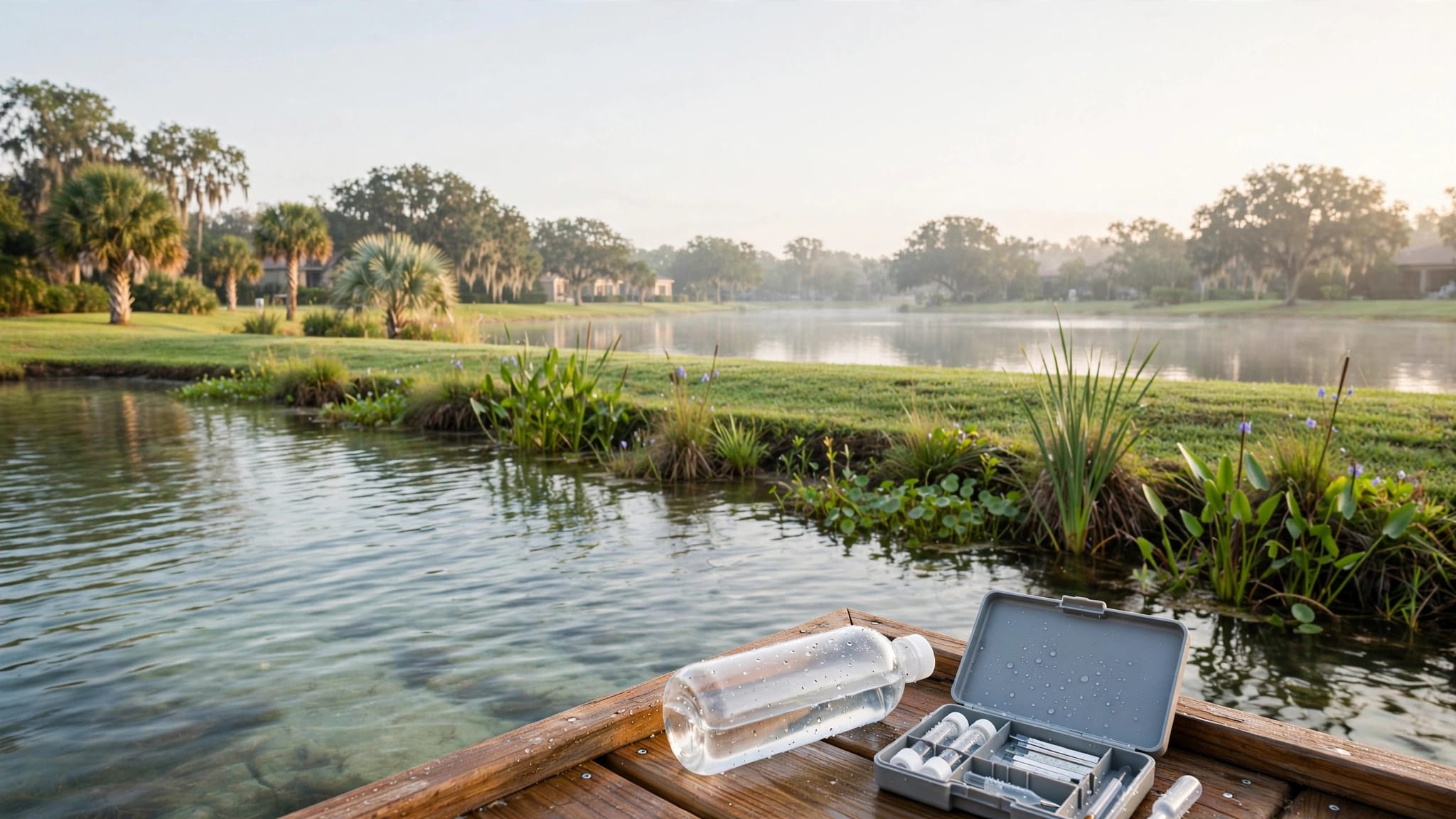
Most routine programs include algae and aquatic weed control, debris removal, and water quality checks. In Florida, that matters because rain can wash fertilizer, dirt, and organics straight into the water. After a storm, a lake can turn cloudy or green before anyone on the board notices.
Shoreline work often sits in the same plan. Stabilization, erosion control, and littoral plant care help protect the bank and reduce future sediment buildup. Those jobs cost more upfront, but they often save money later.
A low monthly fee can look good on paper, but it gets expensive when the lake is left to recover after a bloom or shoreline failure.
Aeration is another piece that changes the whole system. Better oxygen supports cleaner water, less odor, and fewer algae problems over time. That does not mean every lake needs the same setup, but it does mean the budget should match the water's condition.
Budgeting for Multi-Lake Properties
HOA boards and golf course managers often compare one pond to another, but the real budget is based on the whole site. A property with several lakes may need grouped visits, different treatment schedules, and separate shoreline repairs.
That makes the quote more than a price per acre. It also reflects access, travel time between water bodies, and how much follow-up each pond needs. A compact site with easy access can cost less than a spread-out property with the same total acreage.
The smartest budgets also leave room for seasonal swings. Summer heat, hurricane season, and heavy rain can all change the work plan. A pond that looks stable in March may need extra treatment by August.
A board should also ask whether the quote covers just water treatment or the full job. Some contracts include inspections and algae control only. Others include debris removal, aeration checks, shoreline attention, and written service notes.
Ways to Keep the Budget Under Control
The best way to hold down costs is to catch lake issues before they spread. That usually means a clear scope, regular visits, and a plan for known trouble spots.
- Set the scope in writing. The contract should say what gets inspected, treated, and reported.
- Fix erosion early. Small bank failures are cheaper to repair than full shoreline loss.
- Budget for storm cleanup. Florida weather can drop debris into a lake fast.
- Treat oxygen problems before algae takes over. Aeration often costs less than repeated rescue treatments.
- Compare bids by scope, not just monthly price. The cheapest quote may skip the work that prevents larger bills later.
If your board wants a number tied to the actual site, Get a Free Quote with a lake inspection. That gives you a clearer starting point for the next budget cycle.
Conclusion
Florida HOA lake maintenance usually falls into a predictable range, but only when the water stays in decent shape. A practical budget starts around $210 to $610 per acre per month , then moves up or down based on weed pressure, aeration needs, shoreline condition, and the number of lakes on site.
For gated communities, golf courses, and other multi-lake properties, the real cost question is not just what the service plan costs today. It is what the property saves by preventing bigger repairs later.
A well-kept lake protects curb appeal, keeps the board off the defense, and makes each dollar work harder.
Recent Posts