High Conductivity in Florida HOA Lakes: What It Means
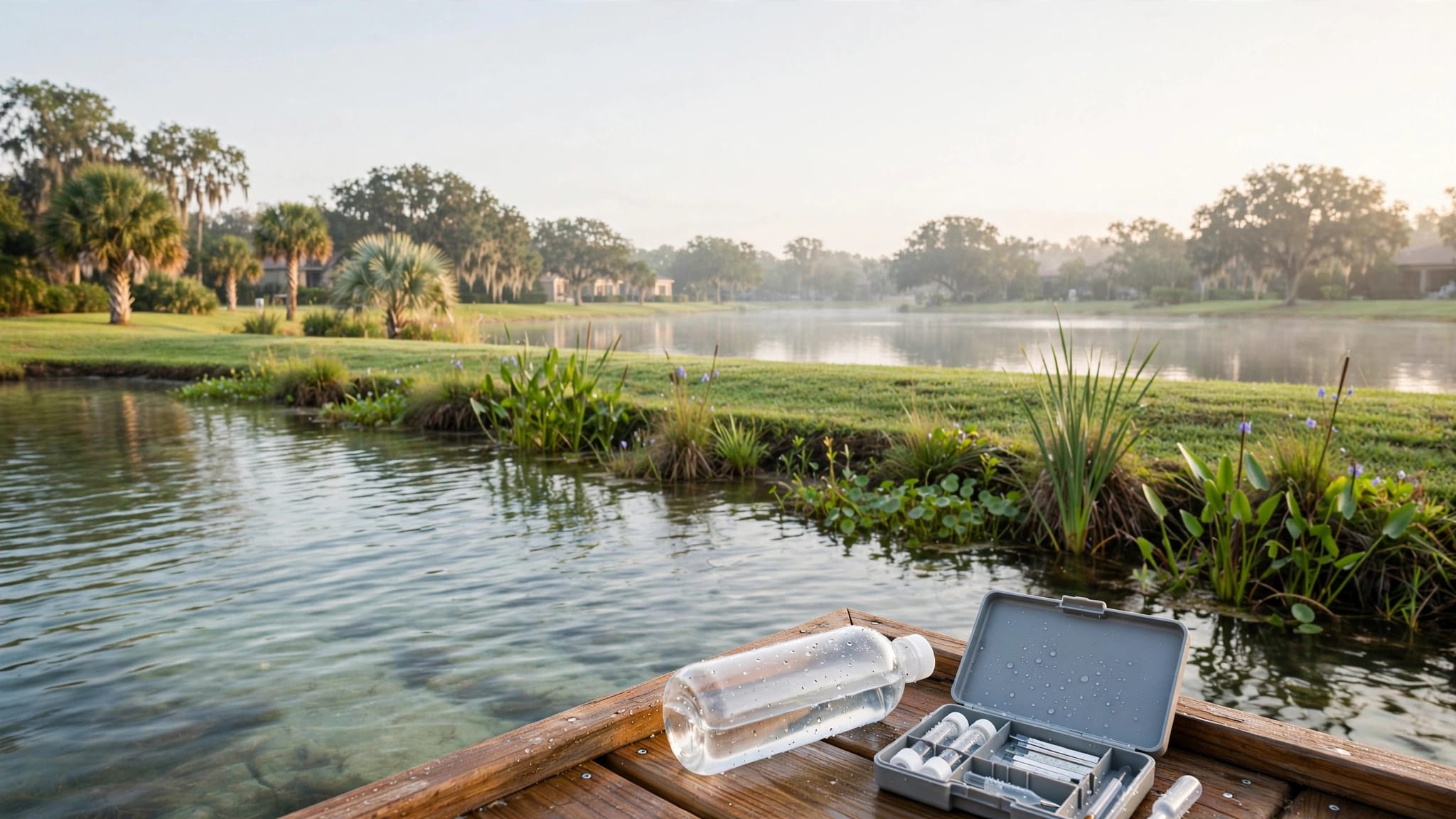
High conductivity in Florida HOA lakes is a warning light , but it does not tell the whole story. A lake can show a strong reading for several reasons, from fertilizer runoff to reclaimed irrigation water.
In gated communities, golf course properties, and other multi-lake sites, that matters fast. One basin can feed the next, so a small change can spread before anyone notices.
The best response starts with the number in context. Once you know what the reading is saying, the next steps get much clearer.
What Conductivity Measures in Lake Water
Conductivity measures how easily water carries an electric current. The more dissolved ions in the water, the easier that current moves.
Those ions can come from calcium, sodium, chloride, nitrate, phosphate, and other dissolved material. In plain terms, the water has more "stuff" in it than a cleaner lake would have.
That makes conductivity useful for HOA lake management. It can change faster than visible signs like algae mats or murky color. A lake may look calm while the chemistry shifts underneath.
Rain, irrigation, and evaporation all move the number. After a storm, runoff can wash dissolved material into the lake. During a dry stretch, water leaves and the rest gets more concentrated.
Some reports pair conductivity with total dissolved solids, or TDS. The two numbers often move together, but they are not the same test. Boards should always ask what the sample actually measures.
A conductivity reading tells you how much dissolved material is in the water. It does not tell you the source by itself.
That is why the trend matters more than one isolated reading. A steady rise over several visits usually tells a better story than a single spike.
Why Florida HOA Lakes Show High Readings
Florida creates perfect conditions for higher readings. Heavy rain can wash lawns, roads, and parking areas into retention lakes. Dry weather then leaves the dissolved material behind.
Reclaimed irrigation water is another common cause. So are fertilizer salts, turf runoff, and soil erosion from bare banks. Near the coast, salt spray and brackish seepage can also push conductivity up.
This is common on golf courses too. Turf areas use a lot of irrigation, and that water often reaches stormwater ponds and lakes through drainage systems. In those settings, one high reading may reflect more than one source.
Older lakes can also hold onto the problem. If a pond has weak circulation, low flushing, or little aeration, dissolved material can linger longer. That is when a lake starts to act less like a moving system and more like a bowl.
Because these lakes collect water from so many places, regular checks matter. Recommended service intervals for Florida HOA lakes usually start with monthly visits, then shift with weather and lake use.
That rhythm gives crews a chance to catch changes early. It also helps boards see whether the lake is improving, drifting, or reacting to a new source.
What High Conductivity Can Mean for Water Quality
A high reading means the lake is carrying more dissolved material than it should. That can affect clarity, plant growth, fish health, and even treatment results.
It does not mean every lake will turn green overnight. It does mean the water chemistry deserves attention before small issues become expensive ones.
Quick reading patterns to watch
| Reading pattern | What it can point to | What to check next |
|---|---|---|
| Rises after storms | Runoff from lawns, streets, or bare soil | Inlets, erosion, fertilizer history |
| Stays high during dry weather | Evaporation concentrating salts and minerals | Lake level, irrigation use, salinity |
| Climb near the coast | Salt influence or brackish seepage | Wells, seawalls, nearby canals |
| High with algae growth | Nutrient-rich inflow may be part of the problem | Phosphorus, nitrogen, dissolved oxygen |
The table is a guide, not a diagnosis. A lake can show high conductivity for more than one reason at once.
That mix matters because the fix changes with the cause. If runoff drives the problem, the board may need inlet work, shoreline repair, or fertilizer timing changes. If salt or reclaimed water is part of it, the management plan may need different treatment goals.
High conductivity can also stress fish and native plants that prefer cleaner water. In some cases, it can make herbicide and nutrient work less predictable. A treatment that worked last month may behave differently when the dissolved load changes.
On a community lake, that can show up as reduced water clarity, more odor, or stubborn algae. Sometimes the first clue is a fountain that scales up faster than usual. Sometimes it is simply a shoreline that never looks settled.
How HOA Boards Should Respond to a High Reading
Boards get the best results when they treat conductivity as a trigger, not a final answer. Start with a repeat sample from the same spot and, if possible, the same time of day.
Then compare the result with dissolved oxygen, pH, salinity, and nutrients. A single number can mislead you. A group of readings gives the lake more context.
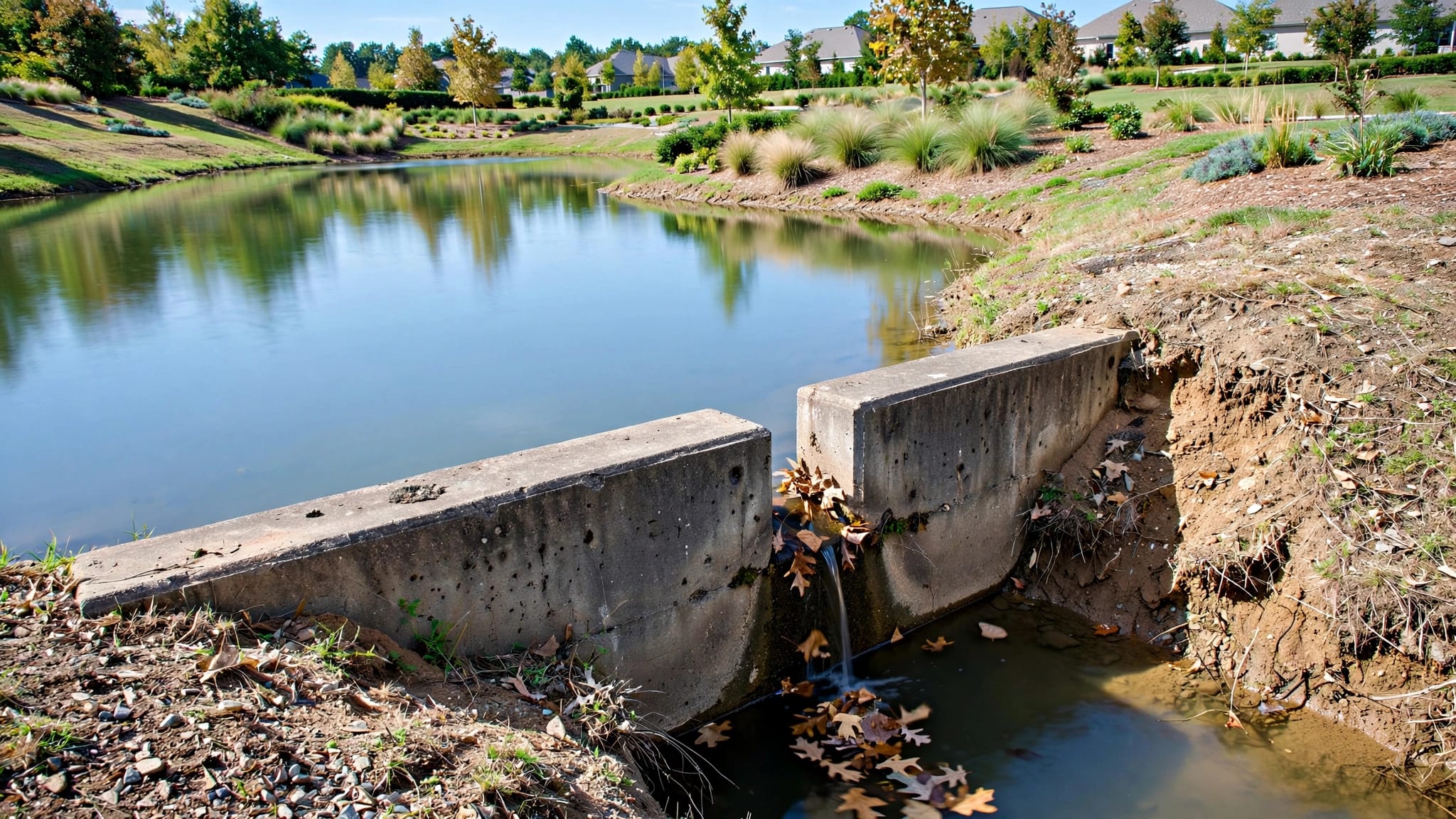
Next, walk the shoreline and look for sources. Check inflows, outfalls, muddy banks, dead vegetation, irrigation overspray, and recent grading work. On HOA and golf course properties, even a small drainage change can send a fresh load into the lake.
Once the source is clear, the response gets more focused. Debris removal can help clear the surface. Shoreline stabilization can cut down on erosion. Aeration may improve circulation in spots where water sits too long.
Written service plans matter too. What HOA boards need in a lake maintenance contract explains how to set expectations for inspection timing, treatment methods, reporting, and response when water conditions change.
That kind of scope keeps the board and vendor on the same page. It also helps prevent gaps when the lake needs fast follow-up after rain, heat, or irrigation changes.
Seabreeze Lake Maintenance works under Commercial Applicator License #CM28291 and State-Licensed Specialty Contractor #SCC131152136. If your community needs a closer look, Get a Free Quote and book a lake inspection.
Conclusion
High conductivity in Florida HOA lakes means the water is carrying more dissolved material, but the number only makes sense in context. Rain, evaporation, reclaimed water, coastal influence, and runoff can all push it higher.
When boards track the reading over time and pair it with other water tests, the picture gets clearer. That makes it easier to protect shoreline health, lake appearance, and long-term property value.
A good lake program treats conductivity as an early clue. That is often where the next problem starts.
Recent Posts