High Chlorophyll-a in Florida HOA Lakes

Seabreeze Lake Maintenance • June 14, 2026

Share this article

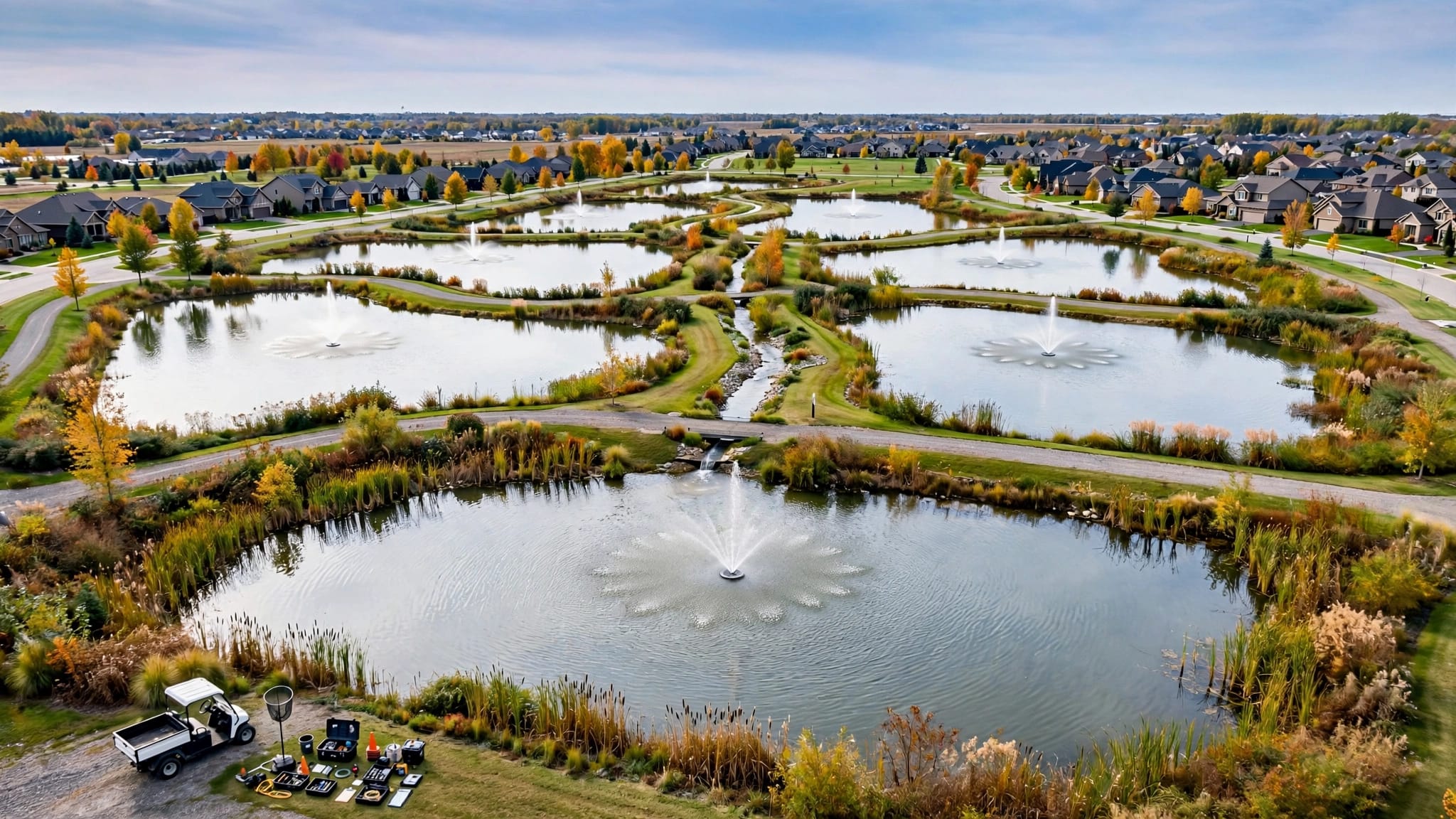
A high chlorophyll-a reading can show up before a lake turns bright green. In Florida HOA lakes, that number often points to active algae growth, extra nutrients, and water that is losing balance fast. A pond may still look calm from the shore, but the test results tell a different story.

For communities, golf courses, and gated properties, that matters. One reading can hint at runoff problems, poor circulation, or a lake that needs faster attention. The reading is only the starting point, but it gives managers a clear warning sign.

What a High Chlorophyll-a Reading Really Means

Chlorophyll-a is the pigment that lets algae make energy from sunlight. When water tests show high chlorophyll-a , the lake usually has a strong algae load or conditions that support one.

That does not always mean the lake is covered in green scum. Sometimes the water still looks only a little dull or cloudy. Even so, the lake can be carrying a heavy algae bloom below the surface.

A high chlorophyll-a reading is a warning sign, not a final answer. It tells you algae are active, but it does not tell you why.

That is why the reading matters so much in HOA settings. A community lake needs more than a quick visual check. It needs a look at nutrients, circulation, sunlight exposure, and the way stormwater enters the site.

High chlorophyll-a also helps explain sudden changes. A lake may look fine after a dry week, then shift fast after heavy rain. Runoff can wash fertilizer, grass clippings, and organic debris into the water. After that, algae get what they need to grow.

Why Florida HOA Lakes Get High Chlorophyll-a

Florida weather gives algae a head start. Warm water, strong sun, and frequent rain create ideal growing conditions. In HOA lakes, the setup can get worse when the watershed is small and the shoreline is heavily managed.

Several common issues push readings higher:

  • Runoff carries lawn fertilizer into the lake after rain.
  • Decaying leaves, grass, and shoreline debris feed algae.
  • Shallow coves warm up fast and lose oxygen more easily.
  • Poor circulation lets algae settle into quiet zones.
  • Waterfowl waste and pet waste add more nutrients near the edge.

A lake can also show high chlorophyll-a after a period of still weather. Wind mixing drops, oxygen can fall in deeper spots, and algae spread across calm water. Then one storm arrives, stirs everything up, and the lake changes again.

That is why HOA lakes need more than one treatment choice. The real problem is often a mix of nutrient input and weak circulation. If the source keeps feeding the bloom, the reading comes back.

When circulation is part of the issue, lake and pond aeration systems can help support better water movement and healthier conditions over time.

What Residents Usually Notice First

High chlorophyll-a often shows up in ways people can see from their patio, dock, or golf cart path. The lake may not look dramatic at first, yet neighbors start pointing out small changes.

Common signs include:

  • Water that turns dull green or cloudy.
  • Fine surface film near seawalls, fountains, or corners.
  • Odor that gets stronger on hot, still days.
  • Clumps of algae collecting after rain.
  • Fish activity changing near the surface or in shaded spots.

These signs do not always appear together. Sometimes the water looks worse on one side of the lake because wind and runoff push algae there. Other times, the bloom stays under the surface until sunlight and heat bring it up.

Community managers often hear about the problem before they see it in a report. That is normal. Residents notice odor, color, and dead spots long before a spreadsheet shows the full pattern.

How HOA Lake Managers Should Respond

A high reading needs a plan, not a guess. The best response is to find the cause, reduce fuel for algae, and follow up with more testing.

A practical response usually looks like this:

  1. Confirm where the sample came from. A shoreline sample, open-water sample, and shallow-cove sample can tell different stories.
  2. Check nutrient sources near the lake. Look at turf fertilizer, drainage inlets, mulch washout, and decaying plant material.
  3. Review circulation and oxygen levels. Stagnant water often needs aeration or another movement strategy.
  4. Treat the active bloom and schedule follow-up monitoring. One treatment rarely solves the whole issue.

In many Florida communities, the long-term fix includes more than algae control. It can also include shoreline work, better runoff management, and routine monitoring through the dry season and wet season. That matters in gated communities and multi-lake properties, where one pond can affect the next.

Seabreeze Lake Maintenance works with HOA lakes, golf courses, and commercial properties across Southwest Florida. The team holds Commercial Applicator License #CM28291 and State-Licensed Specialty Contractor #SCC131152136 , which matters when treatments need to be done correctly and on schedule.

If your lake keeps showing the same pattern, it may be time for a site visit and a treatment plan built around the property, not a one-size-fits-all fix. You can Get a Free Quote and schedule a lake inspection to see what is driving the reading.

Keeping High Chlorophyll-a from Coming Back

The biggest mistake is treating algae as the whole problem. Algae are the result, but nutrients and poor water movement usually set the stage.

That is why steady maintenance works better than emergency cleanup. Regular inspections, quick response after heavy rain, and consistent aeration all help keep the lake more stable. Shoreline care matters too, because erosion and plant decay can send more organic material into the water.

A healthy HOA lake does not stay perfect every day. It stays manageable. That difference saves money, protects curb appeal, and keeps the property easier to maintain through Florida's wet months.

Conclusion

A high chlorophyll-a reading is the lake telling you that algae have the upper hand. In Florida HOA lakes, that often points to nutrients, heat, runoff, and weak circulation working together.

When the reading rises, the goal is to find the source and act early. The faster the cause is addressed, the easier it is to keep the lake clear, stable, and ready for the community around it.

Recent Posts

By Seabreeze Lake Maintenance June 13, 2026
High alkalinity in an HOA lake can look harmless on paper. In practice, it changes how the water reacts to rain, heat, runoff, and treatment. For Florida communities, that matters because retention ponds and amenity lakes are part of the property, not just scenery. When alkali...
By Seabreeze Lake Maintenance June 12, 2026
When nitrogen runs high in a Florida HOA lake, the first problem is often invisible. The water may still look calm, then algae, odor, and low oxygen start to show up. For retention ponds and lakes in gated communities, golf courses, and multi-lake properties, high nitrogen mea...
By Seabreeze Lake Maintenance June 10, 2026
Green water often starts with a nutrient problem. In Florida HOA lakes, high phosphorus usually means the lake is getting more plant food than it can handle. That extra nutrient can push a retention pond or community lake into algae blooms, low oxygen, and cloudy water. It als...