How to Prioritize Multiple HOA Lakes During Budget Season
When a community has several lakes, budget season can turn into a guessing game fast. One retention pond needs weed control now, another has shoreline loss, and a third looks fine until the next storm.
HOA lake budget planning works best when each waterbody gets ranked by risk and function. That keeps money focused on drainage, safety, and property value first, then on the lakes that can wait a little longer.
Start with the lakes that protect the property
Not every lake carries the same weight. Some basins move stormwater through the site, while others mainly shape curb appeal. During budget season, the first question should be simple, which lake can cause the biggest problem if it slips?
A quick ranking sheet helps the board sort that out.
| Priority factor | High-priority signs | Why it goes first |
|---|---|---|
| Drainage | Standing water, clogged outfalls, poor flow after rain | It affects the whole property |
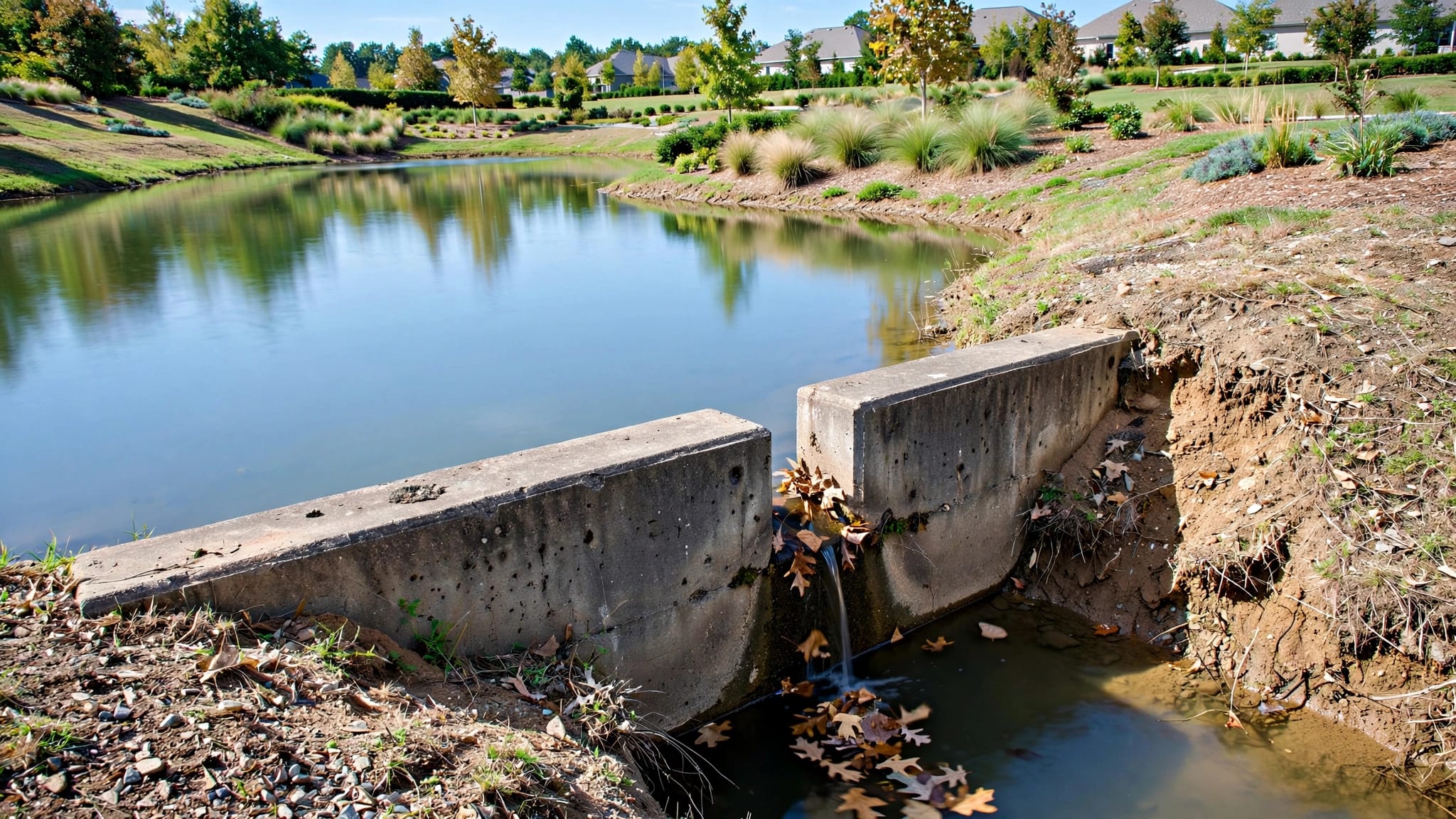
| Safety | Eroded banks, debris near paths, unstable edges | It affects residents and guests |
| Water quality | Heavy algae, odor, low oxygen, stressed fish | Problems spread fast |
| Appearance | Scattered weeds, minor debris, thin shoreline plants | It matters, but it can wait |
If a lake checks more than one high-priority box, it should move to the top of the list. A pond that backs up after storms is not the same as a pond with a few stray weeds.
That is why multi-lake properties, gated communities, and golf courses should avoid treating every pond the same. A lake that protects drainage deserves more weight than one that only needs a cleaner look.
The cheapest lake is the one that never turns into an emergency.
Build a scorecard that board members can use
Once the board knows which lakes matter most, the next step is consistency. A scorecard keeps budget talks from becoming opinion contests. Each lake gets the same review, so the board can compare them fairly.
Use simple categories like weed growth, algae, shoreline condition, debris, water clarity, resident complaints, and service history. A 1 to 5 scale works well. Keep the same scale for every lake, then total the points and rank them from highest to lowest risk.
A scorecard also makes vendor bids easier to compare, especially when the board is writing a lake service RFP for HOAs and asking each bidder to price the same scope. When every vendor answers the same questions, the board can compare service, not just price.
This is where HOA lake budget planning becomes more useful. A lake with repeated algae blooms and weak circulation may need more money than a lake with a few seasonal weeds. The same logic works for stormwater basins, ornamental lakes, and golf course ponds.
Keep the scorecard short enough to use. If it takes an hour to fill out, nobody will keep it updated. If it takes ten minutes per lake, it will stay in play all year.
Separate urgent work from planned upgrades
Budget season gets easier when the board separates must-do work from work that can wait. That division matters because some lake problems affect function, while others mainly affect appearance.
A blocked inlet, active erosion, or a heavy algae bloom belongs in the must-do pile. So does shoreline damage near a sidewalk, dock, or cart path. If the lake plays a part in stormwater control, delays can cost more than the repair itself.
For many Florida communities, how often Florida HOA lakes should be serviced matters just as much as what gets done. Monthly service is a common starting point, then the schedule can change with weather, growth, and problem history. A lake with fast weed growth may need closer attention than a stable pond that only needs routine checks.
Planned upgrades belong in a separate bucket. Those may include new shoreline plants, extra aeration where the lake is already stable, or cosmetic work that improves the view but does not protect the property. If the budget gets tight, those items can move to next year without putting the whole site at risk.
A board should ask one blunt question before every meeting. Does this project protect the lake, or does it just improve it? That answer usually decides where the money goes.
Match the budget to the contract
The budget only works if the contract matches the work. Boards should compare more than the monthly fee. They should know what is included, what costs extra, and what happens after a storm or algae spike.
That is why it helps to review what HOA boards should know about lake maintenance contracts before the season starts. A clear contract makes it easier to plan around monthly visits, extra labor, herbicide applications, disposal fees, emergency calls, and storm cleanup.
A low quote with hidden add-ons can cost more than a fair price with clear terms.
For lakes that need chemical treatment, shoreline work, or erosion control, the contractor should have the right credentials. Seabreeze Lake Maintenance holds Commercial Applicator License #CM28291 and State-Licensed Specialty Contractor #SCC131152136. Those licenses matter when the job includes treatments, shoreline fixes, and work that affects site safety.
That same review is a good time to ask whether one lake needs a different service level than the others. A pond near homes may need more frequent visits than a pond along a back edge of the property. The contract should reflect that difference instead of forcing every lake into the same box.
If the board wants a site walk before finalizing the budget, use Get a Free Quote. A good inspection shows where the real problems are and which lakes need the first dollar.
Use records to shape next year's budget
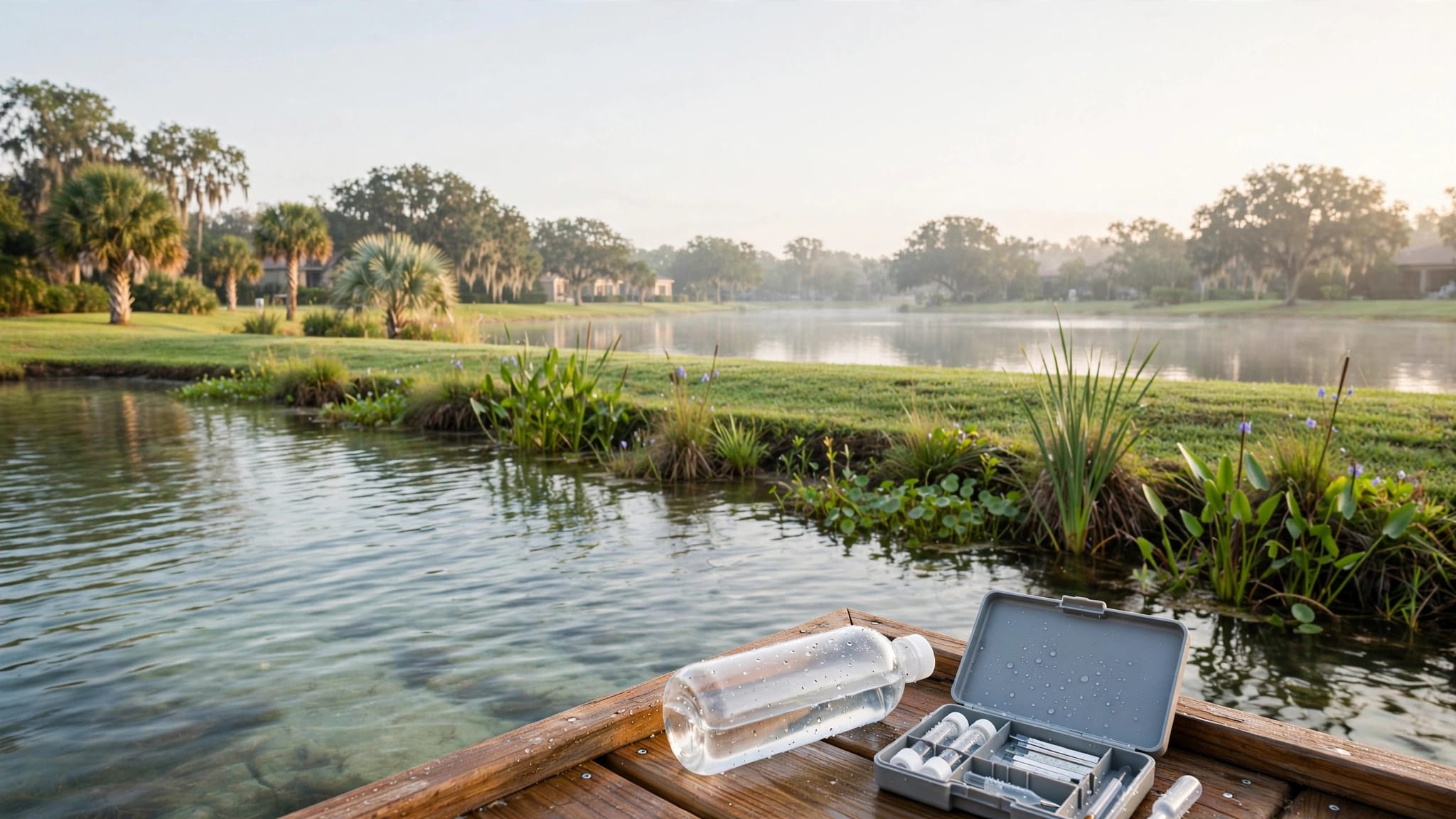
The cleanest budget plans come from good records. After the season ends, compare each lake's service notes, photos, and water quality results. Which lake needed repeat visits? Which one improved after treatment? Which site stayed stable with routine care?
Those answers matter because they turn next year's HOA lake budget planning into a real plan instead of a guess. A lake that keeps showing algae after storms may need more frequent service or a different treatment mix. A lake that stays steady may be fine with less money and fewer visits.
Photo logs help a lot here. So do simple notes about shoreline loss, debris buildup, odor, and resident complaints. The board does not need a long report. It needs clear facts that explain why one lake costs more than another.
This is also where service history helps in the next round of bids. If the same lake has needed call-backs for two years, the board can ask direct questions about scope and frequency. That keeps the next budget from repeating the same surprise.
A good year-end review also helps golf courses and larger communities with several basins. The pattern is the same. Track what happened, adjust the plan, and fund the lakes that need the most attention.
Conclusion
Multiple lakes should not get equal budgets. They should get the right order. The lakes that protect drainage, safety, and shoreline health belong at the top, while cosmetic work can wait until the core issues are covered.
The strongest budget plans come from a simple system, rank each lake by risk, score them the same way, separate urgent work from upgrades, and back every decision with records. That keeps the community focused on the lakes that matter most.
When budget season starts with facts instead of guesswork, the board can protect the property without overspending.
Recent Posts