Why Mature Aquatic Weeds Resist Lake Treatments
A lake treatment can appear to work for a few days, then dense weeds return across the same retention pond. That pattern frustrates HOA boards, golf course managers, and property teams because the treatment may have reached the plants without stopping the problem.
Mature aquatic weeds are harder to control because their roots, rhizomes, tubers, and dense growth protect new tissue. Water movement, poor plant identification, timing, and incomplete follow-up can make the result even less effective. The right plan starts with understanding why the weeds survived.
Key Takeaways
- Mature weeds have stronger root systems and stored energy than young growth.
- Dense mats can block treatment from reaching lower leaves and stems.
- Poor plant identification can lead to the wrong treatment or application method.
- Treating too much dead vegetation at once can reduce dissolved oxygen in the water.
- Long-term control requires inspections, properly timed treatments, and follow-up work.
Established Roots Make Mature Weeds Hard to Kill
Young aquatic plants often have limited root systems and less stored energy. Mature plants have had time to anchor in the sediment, spread through runners, and develop structures that support regrowth after the visible leaves die.
Some species use rhizomes , which are underground stems that produce new shoots. Others form tubers or dense root crowns. These structures can remain alive below the treated foliage. A treatment may brown the leaves while the plant retains enough energy to send up new growth.
This problem is common with rooted plants such as hydrilla, pondweed, and certain shoreline grasses. Emergent weeds, including cattails and some invasive grasses, may also recover when their growing points sit close to or below the waterline.
Plant size changes treatment performance in another way. Mature weeds create thick canopies that shade lower leaves and reduce water circulation within the growth. A contact herbicide may affect the exposed surface while missing tissue underneath. A systemic herbicide may move through the plant, but it still needs enough healthy tissue and time to reach the root system.
The visible mat is only part of the plant. Treating that mat without considering what lies beneath is similar to cutting off a tree branch while leaving the trunk and roots intact. The plant can recover because its foundation remains in place.
Mature vegetation also competes with nearby plants for light, space, and nutrients. Once it dominates a section of a lake, new growth can spread into open water and along the shoreline. That expansion makes each later treatment more difficult.
Dense Growth Changes How Lake Treatments Work
Aquatic herbicides need the correct concentration, contact, and exposure time. A dense weed bed can interfere with all three.
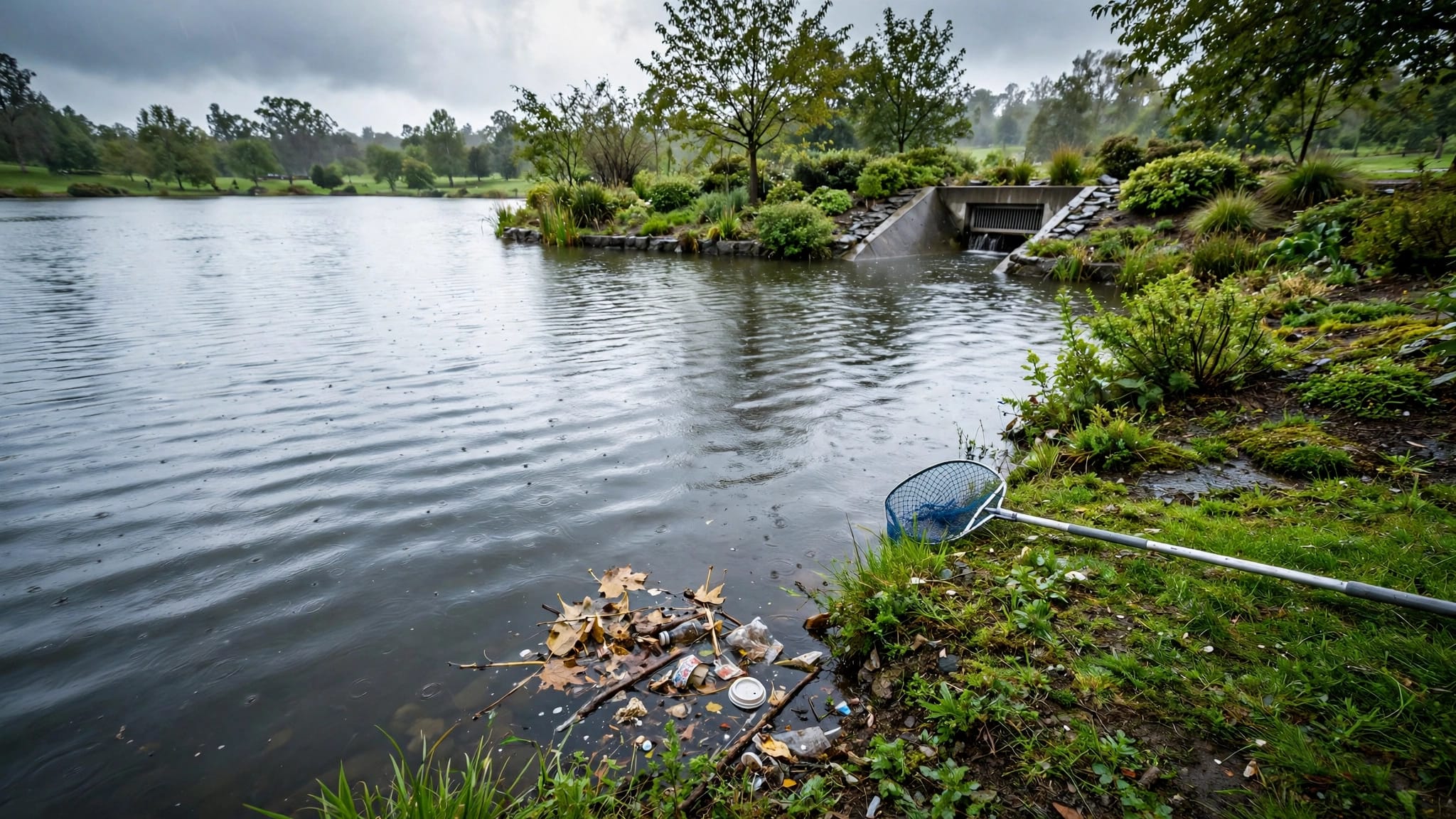
When a treatment reaches the upper layer of a mat, the plants below may receive less product. Water movement can also carry treatment away from the target area. Retention ponds often receive stormwater, runoff, and inflow through pipes or swales. Those currents can dilute or redistribute a treatment before it has enough time to work.
Wind creates another challenge. Floating weeds may gather on one side of a pond, while rooted plants sway or bend with changing water movement. A treatment applied to an open section may miss a nearby bed that shifts later in the day.
Water temperature and plant growth also affect results. Some products work best when the target plant is actively growing. Other conditions, such as heavy rain, rapid flow, or poor visibility, can reduce the applicator's ability to cover the intended area. Product labels set application limits, waiting periods, and water-use restrictions, so the same product cannot be used in every lake or situation.
Large weed beds create a water-quality concern after treatment. As plants die, bacteria break down the decaying material and use dissolved oxygen. If too much vegetation dies at once, oxygen levels can fall and stress or kill fish. For that reason, a lake professional may treat a section at a time instead of applying one large treatment across the entire pond.
A successful treatment removes the living plant without creating a second problem through rapid decay and oxygen loss.
The lake's shape matters as well. Narrow coves, shallow shelves, wetland edges, and areas near stormwater inlets can require different methods. A single application rate or schedule may not fit every zone.
Seabreeze Lake Maintenance provides integrated algae and aquatic weed control solutions for properties that need vegetation control tied to broader water and shoreline management.
Why Repeated Treatments Often Produce Poor Results
When weeds return after treatment, the plants aren't always resistant to the product. More often, the treatment addressed only one part of the problem.
The first concern is plant identification. Different weeds respond to different active ingredients and application methods. A product that works on a floating plant may not control a rooted submersed weed. Treating the wrong species can injure desirable vegetation while leaving the target plant alive.
Application coverage is another common issue. Treating the edge of a weed bed may improve its appearance without reaching the main root zone. In a large lake, an applicator also needs to account for depth, wind, water movement, and the location of desirable littoral plants.
Timing can create a similar result. If a plant is stressed, dormant, or already producing seeds or tubers, the treatment may not move through the plant as expected. In contrast, fast-growing vegetation can outpace a weak or poorly timed application.
Repeated use of one method can also shift the plant community. A treatment may remove a sensitive species while leaving tougher plants with more room to spread. The pond then appears to have developed treatment resistance, even though the dominant species has changed.
Follow-up inspections reveal whether the treatment worked below the surface. New shoots, surviving root crowns, and expanding edges can appear before the next scheduled visit. Without a follow-up plan, those small signs turn into another mature infestation.
Effective lake management records more than whether a treatment occurred. A useful service record includes the target species, treated area, weather conditions, water conditions, product used, observed response, and recommended next step. That information helps the next application fit the lake instead of repeating the same guess.
A Better Treatment Plan for HOAs and Golf Courses
Mature aquatic weeds need a planned response rather than isolated applications. A sound program usually follows these steps:
- Inspect and identify the plant.
A technician examines the entire waterbody, including shallow shelves, shoreline margins, inflows, outfalls, and areas hidden by surface growth. Photos and maps help separate mature infestations from small new patches. - Set treatment zones.
The lake can be divided into sections based on weed density, depth, water movement, fish activity, stormwater flow, and nearby uses. Zoning helps control the amount of vegetation treated at one time. - Select the method.
The correct approach may involve an aquatic herbicide, mechanical removal, shoreline work, or a combination. Product selection must match the identified plant and follow the aquatic-use label. - Schedule the work around site conditions.
The applicator considers rainfall, wind, temperature, water flow, access, and resident safety. Golf course lakes may also require coordination around irrigation, play areas, and maintenance schedules. - Inspect the response.
A follow-up visit checks whether the leaves died, whether new growth appeared, and whether the treatment affected water quality. The next step should be based on what the inspection shows. - Reduce the conditions that support regrowth.
Excess nutrients, eroding banks, leaking irrigation, and unmanaged runoff can feed recurring weed growth. Correcting those sources makes future treatments more effective.
HOA boards also need a service agreement that states how often inspections occur, what the treatment includes, how emergencies are handled, and what records the vendor provides. These details matter when a pond changes quickly after heavy rain or when residents report a new weed bed.
Communities comparing providers can review what to include in an HOA lake maintenance contract before approving ongoing work. A clear contract helps the board compare service plans without reducing lake care to a treatment count.
Aquatic pesticide applications should be handled by qualified professionals who understand label requirements and local waterbody conditions. Seabreeze Lake Maintenance holds Commercial Applicator License #CM28291 and State-Licensed Specialty Contractor #SCC131152136.
When Mechanical Removal and Shoreline Work Are Needed
Chemical treatment isn't the right answer for every mature infestation. Mechanical removal can help when floating mats block drains, cover a fountain, restrict access, or create a safety concern near a path. It can also remove heavy dead vegetation before decomposition affects water quality.
Cutting alone rarely controls a rooted weed. Small fragments may spread when equipment tears through the bed, and the remaining roots can send up new shoots. Removal works better when the crew handles the plant material carefully and pairs the work with a plan for surviving roots.
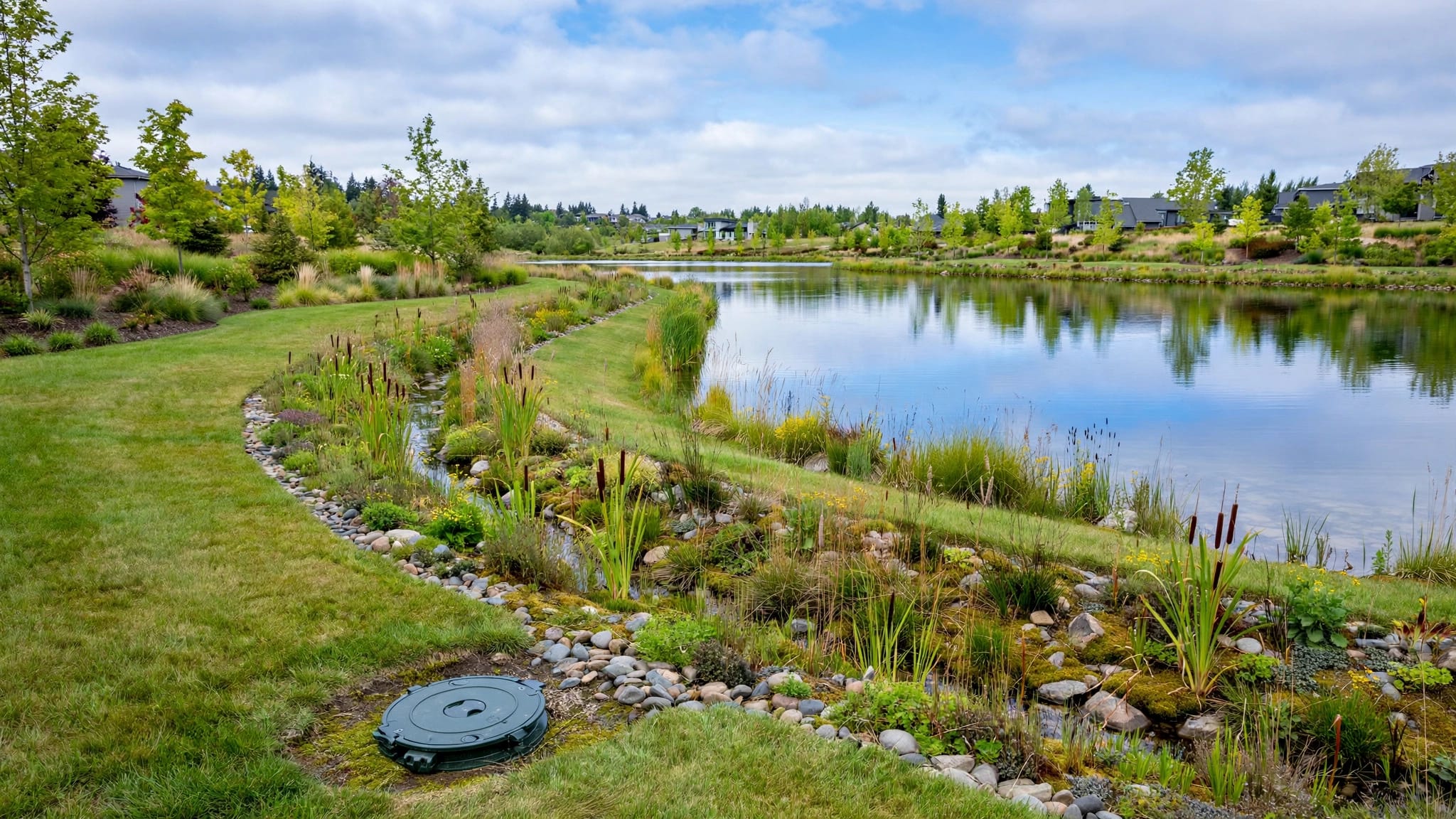
Shoreline weeds require close attention because they may grow above water, in saturated soil, or among desirable littoral plants. A broad treatment can damage plants that stabilize the bank or provide habitat. Technicians need to distinguish invasive growth from planned shoreline vegetation before selecting a method.
Erosion and exposed sediment can keep feeding the problem. A damaged bank may wash soil and nutrients into the pond after every storm. Shoreline stabilization, drainage corrections, and careful vegetation management can reduce the conditions that help mature weeds return.
Water features add another concern. Dense weeds can clog intake screens, interfere with aerators, and restrict circulation. Removing the blockage without checking the underlying growth pattern may provide only temporary relief.
For communities and golf courses, the best decision depends on the weed's location, density, root structure, and effect on lake use. A targeted removal project may solve an immediate access problem, while scheduled treatment controls the remaining infestation.
Measuring Progress Beyond a Clearer Shoreline
A lake can look better before the weed problem is under control. Brown leaves at the surface may create a short-term improvement while live roots remain below.
Property managers should track changes in several areas. Treatment maps and dated photographs can show whether the infestation is shrinking or moving into a new zone. Field notes can record plant density, new shoots, floating debris, water clarity, and signs of fish stress.
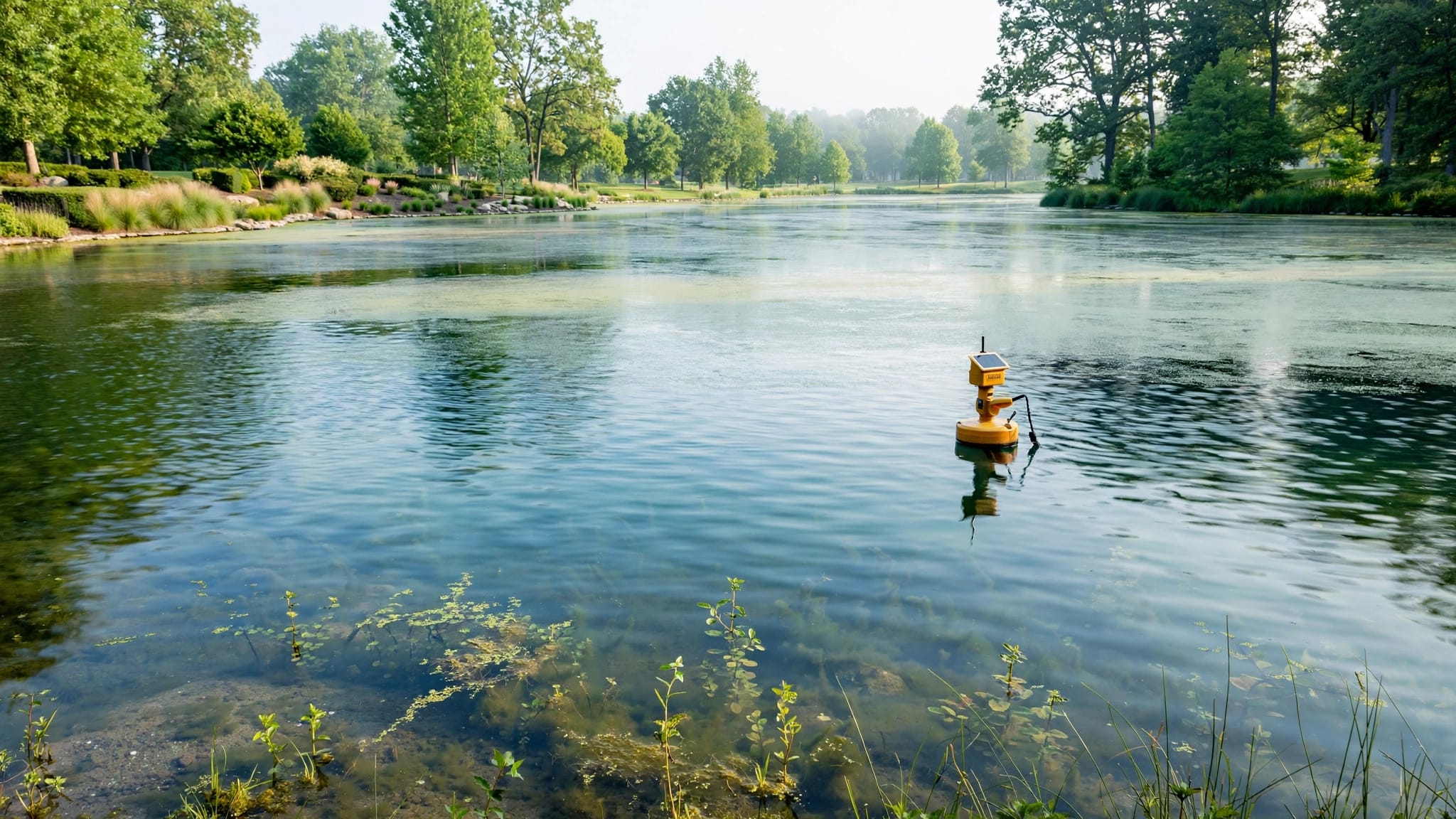
Water-quality measurements may also help. Dissolved oxygen, especially after heavy vegetation dies, gives the maintenance team information that a visual inspection cannot provide. Readings are most useful when taken consistently in the same areas and under comparable conditions.
Residents and course staff can report new growth, but those observations should support a professional inspection rather than replace one. A single patch near a stormwater inlet may point to an inflow issue that affects the whole pond.
The goal is a stable, usable lake with managed vegetation, safe shorelines, and fewer surprise problems. That requires records and scheduled attention, not only a response after weeds cover the water.
If a mature infestation keeps returning, get a free lake health assessment to arrange a lake inspection with Seabreeze Lake Maintenance.
Conclusion
Mature aquatic weeds resist lake treatments because their established roots, dense canopies, and stored energy protect them from incomplete or poorly timed applications. Water movement, plant misidentification, excessive treatment areas, and weak follow-up can make the problem look worse than it is.
For an HOA, golf course, or multi-lake property, lasting control comes from identifying the plant, treating manageable zones, protecting water quality, and checking the results. A clear shoreline may be the first visible sign of progress, but healthy roots and steady inspections determine whether the improvement lasts.
Recent Posts