Lake Debris Removal After Heavy Rain
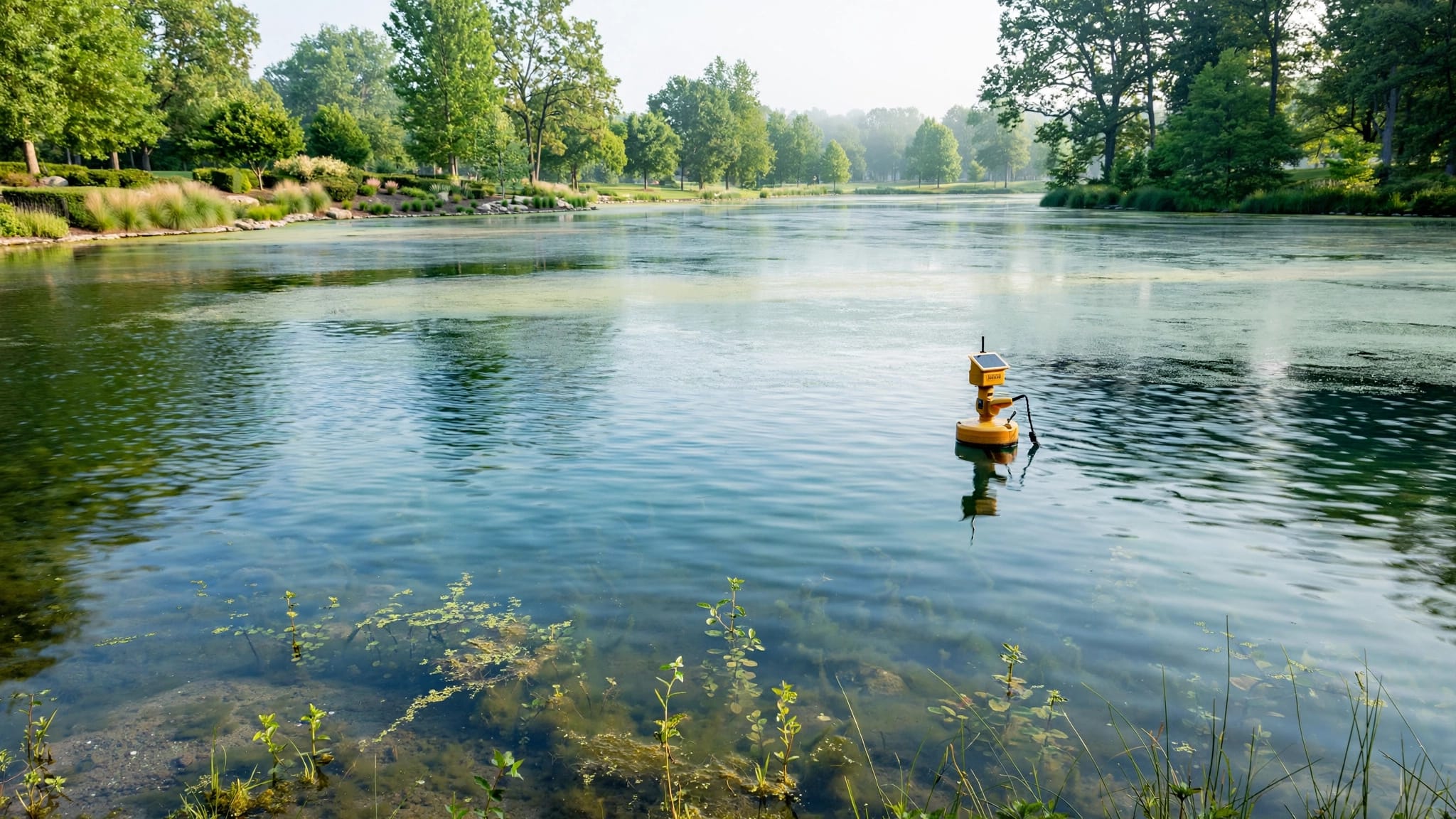
After heavy rain, floating debris shows what runoff has carried into a community lake. Prompt lake debris removal can clear accessible material before it sinks, breaks apart, or gathers around drainage structures.
For HOAs, golf courses, and gated communities, the first priority is safety. Inspect the lake and its drainage system, remove only debris that can be reached safely, and treat a blocked inlet or unstable shoreline as a separate problem.
Key Takeaways
- Start with a safe visual inspection of the shoreline, inlets, outlets, and overflow routes.
- Remove loose, reachable floating litter before it spreads or sinks.
- Don't disturb a submerged blockage, a packed inlet, or debris pressed against a structure.
- In a multi-lake property, follow the flow between connected ponds and drainage features.
- Record conditions with photos and arrange follow-up where water flow, erosion, or water quality has changed.
Why Heavy Rain Leaves Debris Across Community Lakes
Rainwater moves quickly across streets, parking areas, fairways, and landscaped edges. As it travels, it can pick up leaves, palm fronds, grass clippings, mulch, branches, litter, and sediment, then carry them into a retention pond or lake.
Wind and water movement determine where the material collects. Debris may drift toward the downwind shoreline, settle in a shallow cove, or gather at an inlet, culvert, or outlet. On a property with connected lakes, material can move through the system and collect far from where it first entered.
The debris itself is only part of the concern. Organic material can break down in the water, while runoff can also bring nutrients and sediment. Those changes may contribute to cloudy water or support algae growth. For background on how stormwater ponds function, see our guide to Florida HOA pond maintenance after heavy rain.
Florida's wet season runs from May through October, so communities often need a clear process for inspecting lakes after storms during those months.
Begin With a Safe Shoreline and Inlet Inspection
Start from stable ground and observe the entire waterbody before anyone attempts removal. A quick look at only the most visible shoreline can miss debris moving toward a pipe or overflow area.
Scan the shoreline and water surface
Look for floating branches, leaves, palm fronds, trash, cut vegetation, mulch, and algae mats. Note where each mass has collected and whether it is moving toward a structure or a frequently used path. Check downwind shorelines and shallow pockets, where material may gather after the wind shifts.
Also watch for signs that the storm changed the bank. Fresh washouts, exposed soil, slumping edges, new channels, and low spots may indicate that runoff is still moving through the area. Keep residents away from flooded access points and unstable ground.
Check drainage features from a safe location
Inspect visible inlets, outlets, culverts, control structures, and overflow routes. Notice whether debris covers an opening, water is pooling upstream, or flow appears to be going around the structure. A dry-weather view may reveal accumulated debris, but it can't show how an inlet performs during a storm.
For a fuller post-storm sequence, use our lake emergency response plan. It includes signs of damage and safety concerns to look for across a community lake.
Remove Only Floating Debris You Can Reach Safely
Once you've identified where debris has collected, separate loose surface material from anything that may be lodged or submerged. Reachable floating litter and loose branches can often be handled as routine cleanup when the bank is stable and the work area is safe.
Avoid entering the water or working from a flooded, slippery, or eroded edge. Don't pull at material if it's caught under a grate, wrapped around equipment, or held against a pipe. That can shift the blockage or put the person removing it in danger.
When debris is spread across a large area, or its location makes safe access difficult, arrange professional removal rather than asking residents or landscaping staff to improvise. The same applies when branches are heavy, visibility is poor, or the material is moving with strong water flow.
Remove floating material before it sinks or breaks apart where possible. However, cleanup alone won't solve a recurring problem if runoff keeps delivering debris to the same part of the lake. Look for the entry point and include it in the follow-up plan.
Follow Debris Through Connected Lakes and Drainage Structures
A multi-lake property needs a system-wide inspection after heavy rain. Water may carry material from one basin to another through inlets, pipes, culverts, canals, weirs, or overflow routes. Clearing a visible accumulation in one lake won't address debris lodged farther downstream.
Inspect the inlet and its approach
From a safe location, look for debris at the opening and along the channel leading to it. Grass clippings and litter can collect on the upstream side of a grate, while floating branches may gather at the lakeward end of a pipe. Also note whether water enters freely, pools, or appears to flow around the side.
For practical inlet checks, see our guide to inspecting lake inlets for debris and sediment. It covers what to observe before disturbing material near an opening.
Check the next point in the flow path
In connected systems, debris that passes through one inlet may lodge at the next culvert or weir. Check accessible downstream shorelines and structures, and record where material appears to move or collect. Don't assume every basin has the same issue. One lake may receive a heavy runoff load while another shows little change.
A lake control structure inspection checklist can help organize observations of inlets, outlets, culverts, weirs, and overflow areas.
Know When to Stop and Request an Assessment
Some debris is a cleanup task. Other debris is a warning that water movement or a structure may be affected. A packed opening, submerged blockage, or heavy mat against a structure needs closer assessment before anyone disturbs it.
Escalate blockages and structural concerns
Stop routine removal when you see material wedged into a pipe or grate, a blockage below the waterline, or debris collected tightly against an outlet. Also report damaged structures, unusually high water, fresh erosion, muddy discharge, or water taking a new path around an inlet.
A visible blockage can be connected to a larger drainage issue, especially after intense rain. Keep people away from unsafe areas and avoid clearing material from a dangerous location without proper equipment and training.
Watch for changes in water condition
After the water settles, look for changes in color, cloudiness, odor, or surface growth. Runoff can introduce sediment and nutrients, and those changes may need attention beyond debris pickup. If conditions continue to worsen or debris returns repeatedly, include the affected lake in a professional review.
Seabreeze Lake Maintenance serves communities and multi-lake properties in Southwest Florida. Our licensed team holds Commercial Applicator License #CM28291 and State-Licensed Specialty Contractor #SCC131152136. When a lake needs a closer look, Get a Free Lake Health Assessment to book a call and lake inspection.
Document What Changed and Plan the Follow-Up
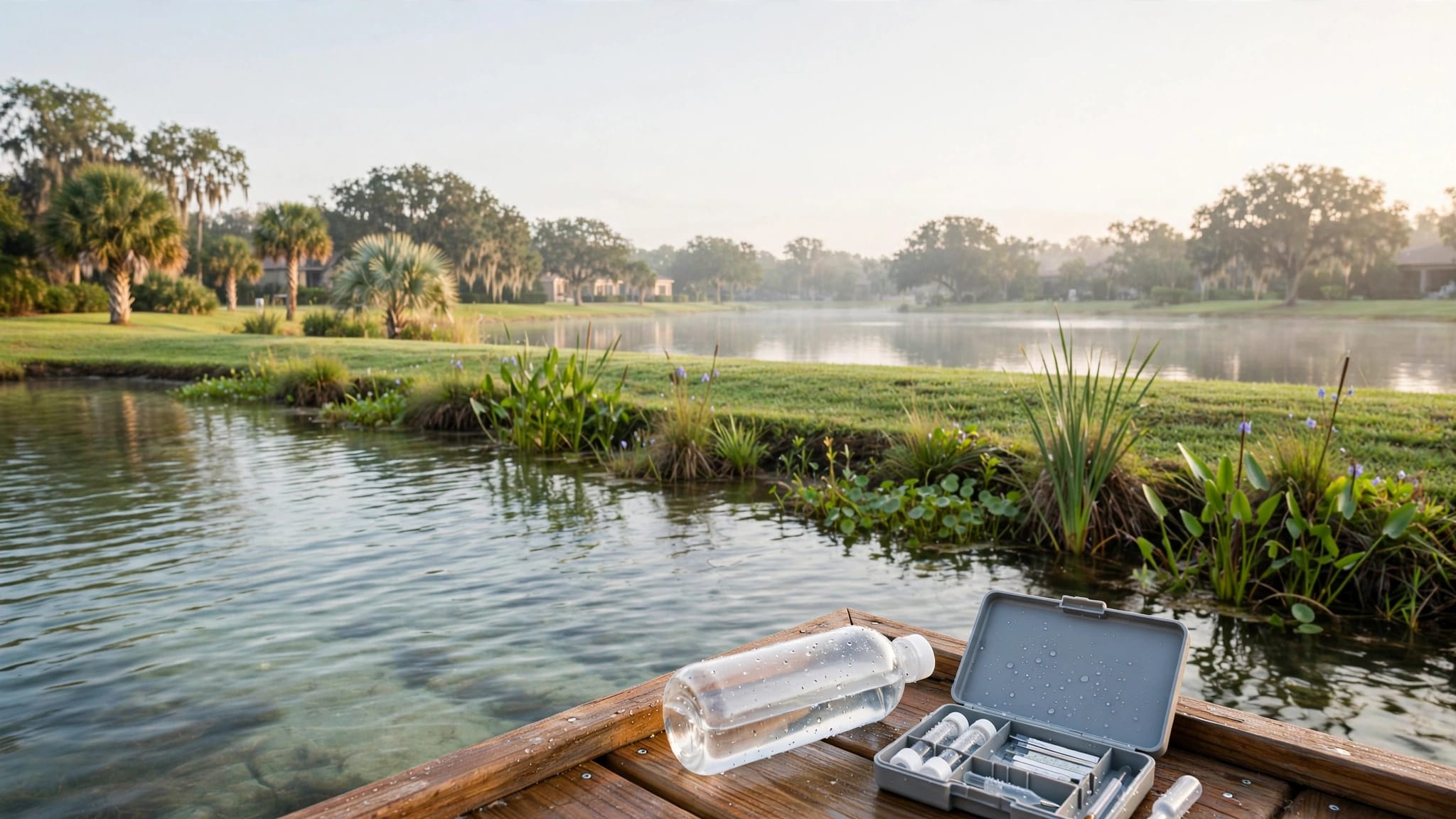
A brief, consistent record helps HOA boards and property managers distinguish a one-time cleanup from a recurring site issue. Take photos from fixed locations when possible, and note the date, recent rainfall, debris locations, water level, and any visible change in flow.
Record each basin separately on properties with several lakes. Identify which inlet or shoreline received runoff, where debris collected, and whether the same material appeared at a connected structure. This gives the maintenance team a clearer picture of how water and debris move through the property.
If rainfall exceeds one inch in 24 hours, a first-year inspection plan may call for a review 24 to 48 hours afterward. That timing is a planning option, not a universal deadline. Inspect only when conditions are safe, and follow the property's storm response process.
After the immediate cleanup, add follow-up observations to routine lake service. Monthly reviews can include shorelines, inlets, outlets, water levels, and aeration equipment. Properties with frequent runoff or recurring blockages may need additional attention after storms. See our guidance on routine lake inspections and debris removal for ongoing review practices.
Frequently Asked Questions
Should residents remove floating debris themselves?
Residents can report debris and keep away from unstable banks, flooded access points, and drainage structures. Small, reachable litter may be suitable for routine cleanup by assigned staff, but people shouldn't enter the water or disturb a blockage.
How soon should a lake be inspected after heavy rain?
Inspect as soon as conditions are safe. For a first-year plan, rainfall above one inch in 24 hours may trigger a review 24 to 48 hours later. That is conditional guidance, not a fixed requirement for every community.
What if debris keeps collecting at the same inlet?
Repeated buildup may point to an ongoing runoff route or a downstream obstruction. Record where it collects and how water moves around the opening. A packed or submerged blockage needs assessment before removal.
Keep Cleanup Connected to Lake Care
Floating debris is easiest to address before it sinks, spreads, or obstructs drainage. A safe inspection, careful removal of accessible material, and clear records help a community respond without creating a second hazard.
For HOAs, golf courses, and gated communities, the lasting fix comes from understanding where runoff enters and how it moves across connected lakes. That makes each post-storm cleanup more useful and helps the maintenance plan focus on the places that need attention.
Recent Posts