How Water Level Drawdowns Affect HOA Lake Health
HOA lake drawdowns can solve one problem and expose three more. Lowering water helps crews reach weeds, repair shorelines, and inspect shallow areas, but it also changes oxygen levels, plant growth, and habitat fast.
For gated communities, golf courses, and multi-lake properties, timing matters as much as the work itself. A drawdown that starts at the wrong time can turn a manageable pond or lake into a costly cleanup.
Key Takeaways
- Planned drawdowns can make shoreline repairs, inspections, and vegetation control much easier.
- Lower water can also trigger algae growth, sediment disturbance, and fish stress.
- The best results come from a clear schedule, a written scope, and a refill plan.
- In Southwest Florida, heat, rainfall, and fast plant growth make timing especially important.
What a lake drawdown actually changes
A planned drawdown lowers more than the water line. It changes how much sunlight reaches the bottom, how much shoreline is exposed, and how easy it is to work on pipes, banks, and rooted plants.
That matters in HOA lakes because these waterbodies often do several jobs at once. They handle stormwater, support curb appeal, and sit beside homes, paths, tees, or clubhouses. When the water drops, the lake has less buffer. Temperatures swing faster, shallow zones shrink, and problems that were hidden near the edge become visible.
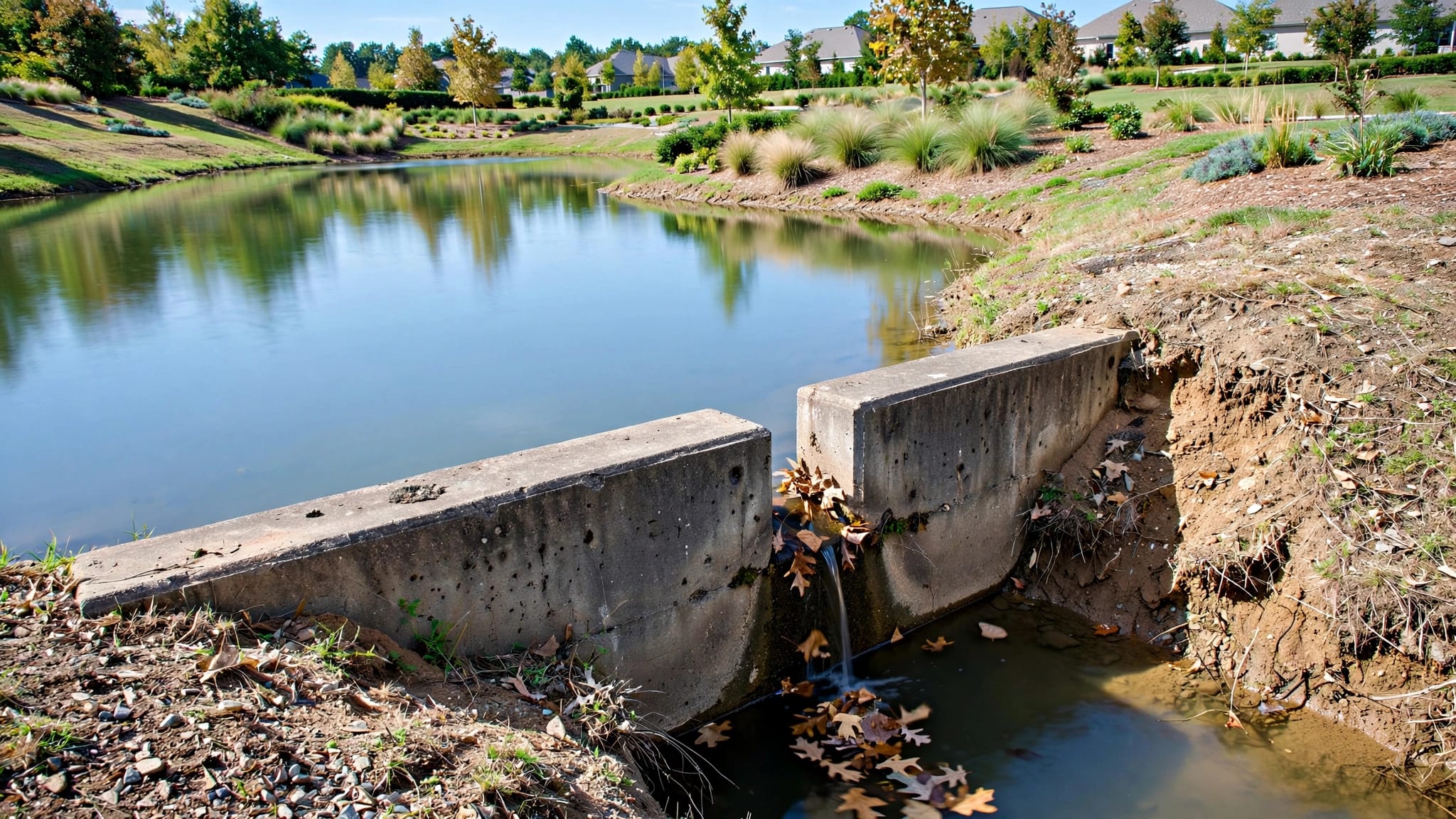
Crews often use drawdowns to reach cattails, torpedo grass, sediment buildup, failed riprap, or a soft bank that needs repair. A low-water period can also expose leaks, clogged outfalls, and damaged structures that stayed underwater for months. In that sense, the drawdown is a tool, not the goal.
An unplanned low-water event tells a different story. Drought, pump issues, or outlet problems can leave a lake exposed without giving anyone time to prepare. That's when the same drop in water can create stress instead of value.
A drawdown should give you more control over the lake, not less. If it exposes problems the crew can't address, the timing is wrong.
Water quality can swing fast after the level drops
Lower water changes the lake's chemistry almost immediately. With less volume, the water warms faster, and oxygen can drop more quickly, especially in calm weather. If plant material dies off during the drawdown, that decay can add more nutrients to the system when the lake refills.
That is one reason some communities see a burst of algae after a drawdown ends. Sunlight reaches areas that were underwater, and exposed mud can release nutrients once it gets wet again. If the lake already has weed pressure, a drawdown may help, but only if the follow-up work is ready. Many communities pair that work with comprehensive aquatic weed and algae control so the lake doesn't rebound in the wrong direction.
Sediment also matters. When the bottom gets exposed, loose muck can dry, crack, and wash back in during the first rain. That material clouds the water and can feed nuisance growth. If the drawdown is too aggressive, the lake may look cleaner on the surface while the bottom layer becomes more unstable.
Shallow water also warms faster, which stresses fish and reduces the lake's margin for error. In a community pond, that can show up as odors, floating debris, or a dull green tint within days. Those are warning signs that the system needs monitoring, not guesswork.
Shorelines, sediment, and living things feel it first
The shoreline usually shows the first signs of trouble. When water drops, weak banks lose support. Slopes that looked stable may crumble after the first heavy rain, especially if the soil was already soft or the edge had no stone, plant cover, or erosion control fabric.
That is why shoreline work often gets paired with drawdowns. Crews can install rock, regrade an edge, replace failing material, or repair areas that stay hidden when the lake is full. In many HOA settings, that's the best window for lake maintenance contract essentials for HOAs, because the board can spell out the water level target, work window, and refill trigger before the project starts.
Wildlife feels the change too. Fish lose cover, nesting areas shift, and shallow habitat shrinks. Turtles and wading birds may move through exposed areas that were not dry before. If the drawdown lasts too long, the lake becomes harder for living things to use, and that can upset the balance communities want to protect.
The bottom sediment can also become a problem. Exposed muck dries, then breaks apart when water returns. That can cloud the lake, carry nutrients, and create a sulfur smell if organic material has built up over time. A short drawdown with a clear purpose works better than a long one with no finish line.
When HOA lake drawdowns make sense
Drawdowns make sense when the community has a clear reason to lower the lake. Common uses include shoreline repairs, vegetation control, dock or culvert access, leak inspection, and sediment work in shallow areas. They also help when a lake needs physical repairs that can't happen under water.
They make less sense when the goal is vague. A lower water line by itself doesn't fix algae, stop erosion, or improve clarity. It only creates the conditions for follow-up work. If the crew has no plan for what happens after the lake reaches target level, the project can drag on and create more risk than relief.
In Southwest Florida, the timing becomes even more important. Heat, rainfall, and fast-growing aquatic plants can turn a small mistake into a large problem. That is why the work should stay with a licensed crew that understands local conditions. Seabreeze Lake Maintenance holds Commercial Applicator License #CM28291 and State-Licensed Specialty Contractor #SCC131152136, which matters when a drawdown includes vegetation control, shoreline repair, or erosion work.
Boards should also look at the contract before the water goes down. The scope should say who sets the target level, who monitors the lake, what gets treated, and when the lake is allowed to refill. Without that detail, the community is left guessing.
What to do before, during, and after refill
A good drawdown plan follows a simple sequence.
- Inspect the lake before water comes down. Mark problem areas, weak banks, clogged pipes, and heavy vegetation zones.
- Schedule the work while the lake is low. That is the best time for repairs, plant control, and shoreline stabilization.
- Watch the refill closely. Check for turbidity, weed rebound, bank washout, and any odor or algae flare-up.
That last step matters most. Refill is where many communities lose the benefit of the drawdown. New water can stir sediment, and exposed plant roots can come back stronger if the lake is left untreated. If the pond or lake already has recurring weed pressure, the recovery plan should include treatment and follow-up inspections.
When a board wants a clearer picture of what the lake needs before work starts, a site visit helps more than a guess. If your community is planning a drawdown or trying to recover from one, Get a Free Quote for a lake inspection before the water level changes.
Conclusion
Water level drawdowns can help HOA lakes, but only when the work has a purpose and a finish line. They open access for repairs and vegetation control, yet they also make water quality, shoreline stability, and wildlife health more fragile for a while.
That is why the best drawdowns are planned, monitored, and followed by real maintenance. When the water drops, the lake shows its weak spots, and the communities that respond well keep clearer water and fewer surprises.
Recent Posts