Annual Lake Reserve Planning for HOA Boards
A lake can look calm on Tuesday and turn expensive by Friday. For HOA boards, lake reserve planning is about more than lining up next year's treatments, it's about keeping retention ponds and lakes stable before problems hit the balance sheet.
That matters even more in gated communities, golf courses, and other multi-lake properties. One basin may need shoreline work, another may need aeration, and a third may only need routine inspections, so a single blanket budget rarely tells the full story.
Key Takeaways
- Annual lake reserve planning gives the board a realistic budget for maintenance, repairs, and storm-related work.
- Each pond or lake needs its own condition review because runoff, shoreline wear, and algae pressure are rarely the same.
- Reserve funds work best when boards separate routine service from capital repairs and keep a contingency line for storms.
- Clear contracts, written scopes, and consistent reporting help boards avoid surprise costs.
- Florida weather changes the timing, so the reserve calendar should follow the seasons, not the calendar alone.
Why Annual Lake Reserve Planning Matters
A lake is part of the property system, not a decorative extra. It handles runoff, supports drainage, affects curb appeal, and can create safety concerns when it slips out of balance.
Boards often feel pressure to budget only for the obvious items, such as weed control or algae treatment. That leaves out the slower problems, like sediment buildup, erosion, broken aeration parts, or shoreline loss. Those costs show up later, and they usually arrive at the worst time.
That is why reserve planning should sit beside roofing, pavement, and landscaping on the board calendar. The lake may not fail all at once, but it does wear down. A good plan gives the board room to act before the system becomes a crisis.
Good planning also depends on the service agreement. A contract that matches the property's real needs makes reserve numbers easier to defend, and the right lake maintenance contract guidelines help the board compare apples to apples.
Start With a Site-by-Site Condition Review
No two lakes age the same way. One may sit near heavy landscaping runoff, while another takes the brunt of wind, sun, and open-water exposure. A third may handle more stormwater and sediment than the rest.
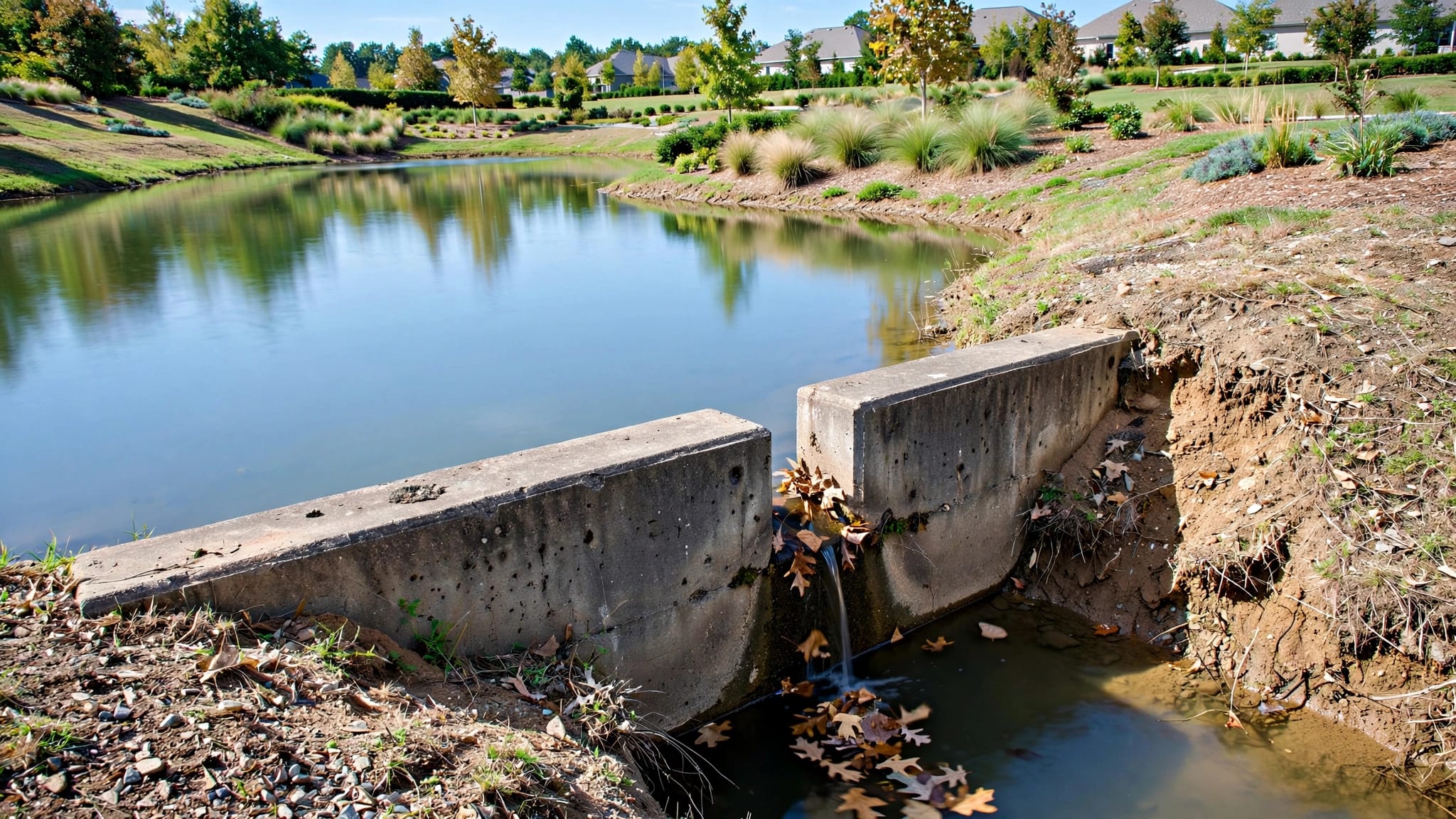
That is why the board should review each waterbody on its own. Look at shoreline condition, plant coverage, access points, visible erosion, water clarity, debris load, and the condition of any aeration or pumping equipment. If one basin has littoral shelf issues and another has steep banks, their reserve needs will not match.
A simple annual walk-through can catch a lot, especially when it includes photos and notes. Those records help the board compare year to year and spot changes that are easy to miss during a quick drive-by.
| Budget item | What it usually covers | Warning signs |
|---|---|---|
| Routine treatment | Aquatic weed control, algae control, inspections | Fast regrowth, odor, surface mats |
| Shoreline work | Erosion control, plant replacement, bank repair | Bare soil, washouts, weak edges |
| Equipment and aeration | Pumps, diffusers, electrical parts, service | Stagnant water, low oxygen, repeated blooms |
| Sediment management | Dredging, hauling, disposal, access work | Shallow edges, muddy buildup, reduced capacity |
The table makes one thing clear, reserve needs are not just about the next treatment visit. They also cover the equipment and shoreline work that keep the lake functional over time.
Budget the Costs That Usually Catch Boards Off Guard
The biggest reserve mistake is treating every lake expense like a maintenance line item. Routine service matters, but capital work behaves differently. It comes in larger chunks, and it often follows a delay.
Storm cleanup is a good example. After heavy rain or wind, a lake may need debris removal, emergency treatment, or extra inspection time. Shoreline stabilization can also move from "later" to "now" after one bad season. If the board never sets money aside for those events, the general operating budget gets stretched thin.
A reserve plan works best when it separates routine service from repair work.
That separation gives the board a cleaner view of what the property consumes each year. It also helps with planning for permits, access work, and any electrical or mechanical repairs tied to aeration systems. Even if a problem seems small, the labor and equipment needed to fix it can add up fast.
This is where a site-specific forecast matters more than a flat estimate. A lake near drainage inlets does not age like a quiet decorative basin, and a multi-lake property should budget accordingly.
Match the Calendar to Florida Seasons
Florida weather does not wait for board meetings. Warm water, heavy rain, and long growing seasons can change lake conditions quickly, so the reserve calendar should follow seasonal pressure.
Dry months are a smart time for shoreline review, sediment checks, and long-range planning. Before rainy season, the board should look at debris removal, inlet flow, and problem areas that tend to worsen after storms. During peak summer pressure, algae and aquatic weeds may demand more frequent attention.
A recommended frequency for Florida HOA lake service gives boards a practical baseline when they build the annual budget. It also keeps the board from treating each issue as a surprise instead of part of a known cycle.
In multi-lake communities, this becomes even more important. One pond may stay stable through much of the year, while another needs repeated checks after fertilizer runoff or heavy rain. The calendar should reflect those differences, not hide them.
Put Contracts, Bids, and Compliance in Writing
A reserve plan only works when the contract supports it. The scope should spell out visit frequency, reporting, emergency response, storm checks, and who handles what when conditions change. If the service agreement is vague, the reserve budget will be vague too.
Boards that request multiple bids should use a structured scope so vendors price the same work. A clear writing an effective lake service RFP helps the board compare treatment, inspections, shoreline care, and reporting without guesswork.
Licensing and insurance also matter. Boards should verify commercial applicator credentials, state licensing, and coverage before signing anything. Seabreeze Lake Maintenance works under Commercial Applicator License #CM28291 and State-Licensed Specialty Contractor #SCC131152136, which is the kind of documentation boards should ask to see when they review a proposal.
If the board wants a site walk before budget season closes, Get a Free Quote for a lake inspection and a clearer look at what the reserve line should cover.
Common Mistakes That Shrink Reserve Funds
The fastest way to drain a reserve budget is to plan for appearance only. Lakes and retention ponds in HOA communities do more than look neat, so the plan has to cover function, not just curb appeal.
Another common mistake is using the lowest bid as the whole story. A cheap number can hide weak reporting, vague scope language, or no plan for storm-related work. That usually turns into extras later.
Boards also get caught when they skip documentation. Without photos, service logs, or condition notes, it becomes hard to explain why one lake needs more money than another. The board then spends more time defending the budget than managing the property.
Finally, a reserve plan fails when it ignores the people around it. Landscape crews, irrigation systems, fertilizer use, and drainage changes all affect lake conditions. If those pieces are not coordinated, the lake budget takes the hit.
Planning That Holds Up Year After Year
Annual lake reserve planning is strongest when it treats each waterbody as part of the property's infrastructure. The board gets a better budget, vendors get a clearer scope, and residents get fewer surprises when weather or wear starts to show.
The lakes on a property will keep changing. The board's job is to stay one step ahead, with a plan that fits the site, the season, and the work that actually has to get done.
Recent Posts