How Harsh Pond Treatments Can Destroy Native Shoreline Plants
A healthy lake shoreline should show a strong, continuous band of native vegetation. When that band becomes thin, patchy, or disappears, the change can point to harsh treatments, drought, or other environmental stress. For HOAs, golf courses, and communities with retention ponds and lakes, littoral plants are one of the clearest visual indicators of lake health .
Aggressive weed control can weaken the native plants that protect the shoreline. Once those plants decline, invasive weeds can fill the gaps and make future maintenance more difficult. The right approach controls unwanted growth while protecting the vegetation the lake needs.
Littoral Plants Show the Condition of a Southwest Florida Lake
Littoral plants grow in the shallow water and shoreline areas of a lake. In Southwest Florida, these plants are an important part of the lake's ecology because they occupy the zone between open water and the bank.
Their condition gives property managers and community associations a useful visual measure of what is happening around the lake. A full, healthy littoral shelf suggests that native vegetation has established and is holding its place along the shoreline. A declining shelf, on the other hand, may point to treatment damage, drought, or other difficult conditions.
A continuous native shoreline is a strong sign that the lake's shallow-water habitat is in good condition.
The shoreline vegetation also helps protect the edge of the pond. When native plants grow along the bank, their roots help hold soil in place, and the vegetation can slow the movement of water near the shore. When those plants disappear, bare soil has less protection from erosion and unwanted weeds have more room to spread.
This applies to retention ponds and community lakes, not ornamental koi ponds. In a gated community or golf course, the condition of the littoral shelf affects the appearance of the property as well as the amount of work required to maintain the lake.
What a Healthy Littoral Shelf Looks Like
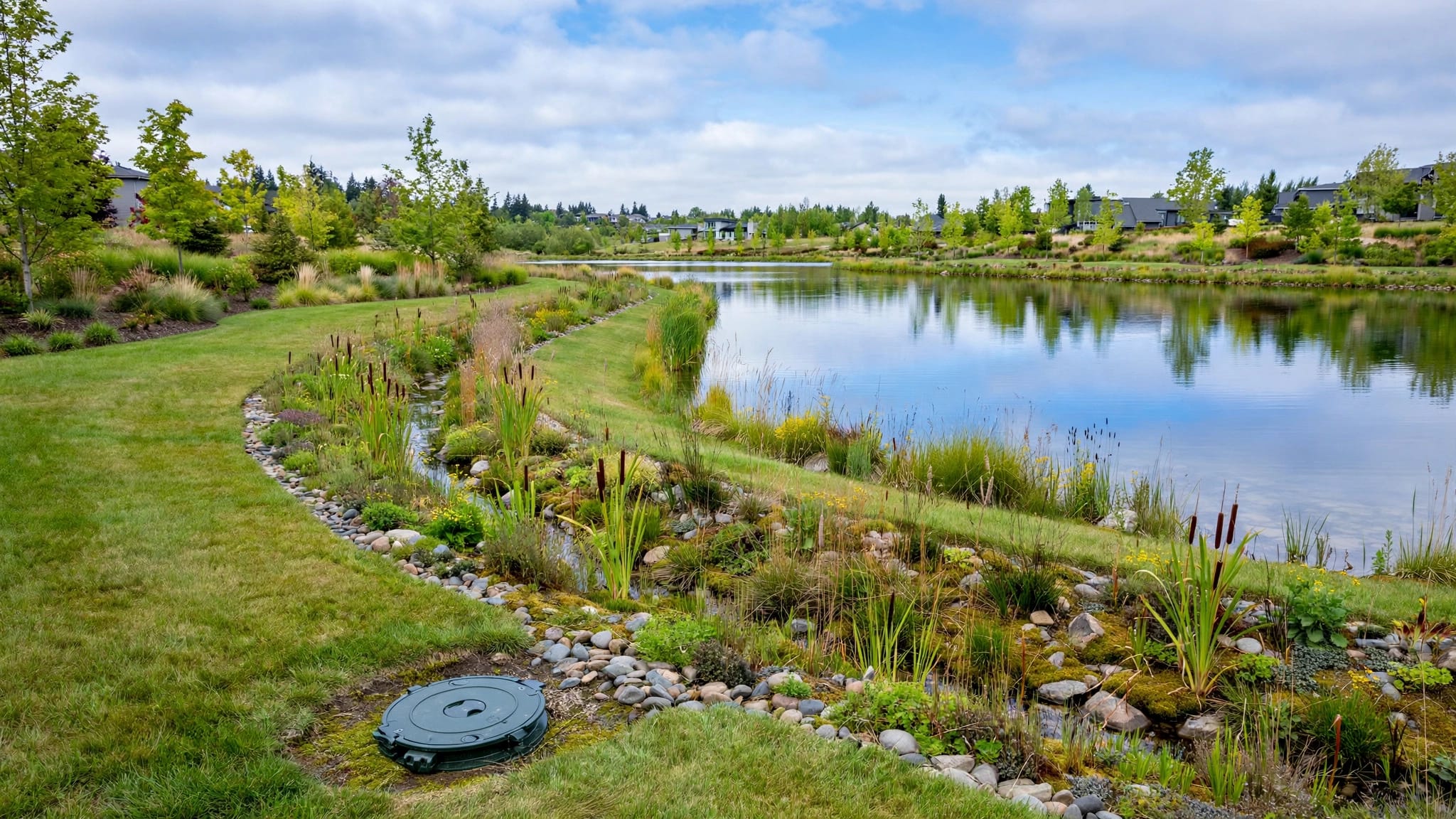
The ideal shoreline has a continuous, uninterrupted band of native plants . Instead of seeing isolated clumps separated by open soil, you should see vegetation forming a consistent line around much of the shallow shoreline.
Gulf spike rush is one example of a beneficial native species found in Southwest Florida lakes. In the video, a continuous line of Gulf spike rush appears along the far end of the lake. That type of solid growth is the target condition for many littoral shelves.
A healthy shoreline doesn't need to look identical at every point. Water depth, sunlight, changes in the bank, and natural conditions can affect how plants grow. Still, large gaps, exposed soil, and scattered patches deserve attention, especially when they appear after a treatment or during a period of drought.
Native plants also create a living buffer between the water and the bank. Their presence can help reduce exposed soil, limit opportunities for invasive vegetation, and support a more stable shoreline. The goal isn't to cover every inch with one species. The goal is to maintain enough beneficial vegetation to keep the shallow-water zone established.
Patchy Growth Is an Early Warning Sign
Shoreline decline often happens gradually. A lake may begin with a solid swath of littoral vegetation, then develop small gaps. Over time, those gaps can grow larger until the once-continuous shelf looks spotty and patchy.
That visual change is easy to overlook when attention is focused on a few obvious weeds. However, the native plants may be weakening at the same time. A treatment can remove unwanted growth while also causing nearby littoral plants to brown out or lose strength. Drought and other harsh environmental conditions can create a similar result.
Watch for several changes along the bank:
- Native plants appear less dense than they were previously.
- A continuous line becomes separated into isolated patches.
- Littoral plants turn brown or show signs of weakness after treatment.
- Bare soil becomes visible between remaining plants.
- Weeds begin occupying areas where native vegetation has declined.
A few small gaps don't automatically prove that a treatment caused the problem. The timing and pattern matter. If thinning follows aggressive weed control, or if it appears across a large section during drought, the shoreline needs a careful review before additional treatment takes place.
How Harsh Treatments Create Collateral Damage
Aquatic weed treatments are intended to control invasive or unwanted plants. However, when treatment is too harsh, poorly targeted, or applied under difficult conditions, it can also affect nearby native vegetation. This unintended damage is called collateral damage.
Littoral plants may brown out, become weakened, or lose density after exposure to stressful treatment conditions. The native plants might not disappear immediately. Instead, they can lose the strength needed to compete with weeds and fill open areas.
Three common pressures can contribute to shoreline decline:
Harsh chemical treatments can damage beneficial plants along with the weeds being targeted. A broad area of weakened vegetation may leave gaps throughout the littoral shelf.
Drought conditions can place additional stress on shallow-water plants. As water levels change, plants may have less suitable habitat and less ability to recover from other problems.
Other harsh environmental conditions can compound treatment stress. When native plants are already struggling, another disturbance can push them into further decline.
Tip: Before treating a problem area, identify the plants that are present and consider the condition of the surrounding littoral shelf. Controlling one weed isn't a successful outcome if the treatment also weakens the native plants that should occupy the area afterward.
How a Healthy Shoreline Turns Into a Bare Bank
The loss of littoral vegetation is often a systematic process rather than a single event. First, a continuous shelf develops thin areas. Then, repeated stress weakens more plants. As the native vegetation dissipates, the bank becomes sparse and the remaining growth may consist mostly of weeds.
The visual difference can be significant. A healthy section has a clear green band along the water's edge. A declining section has exposed soil, scattered plants, and irregular weed growth. In the most severe condition, the bank may be almost bare.
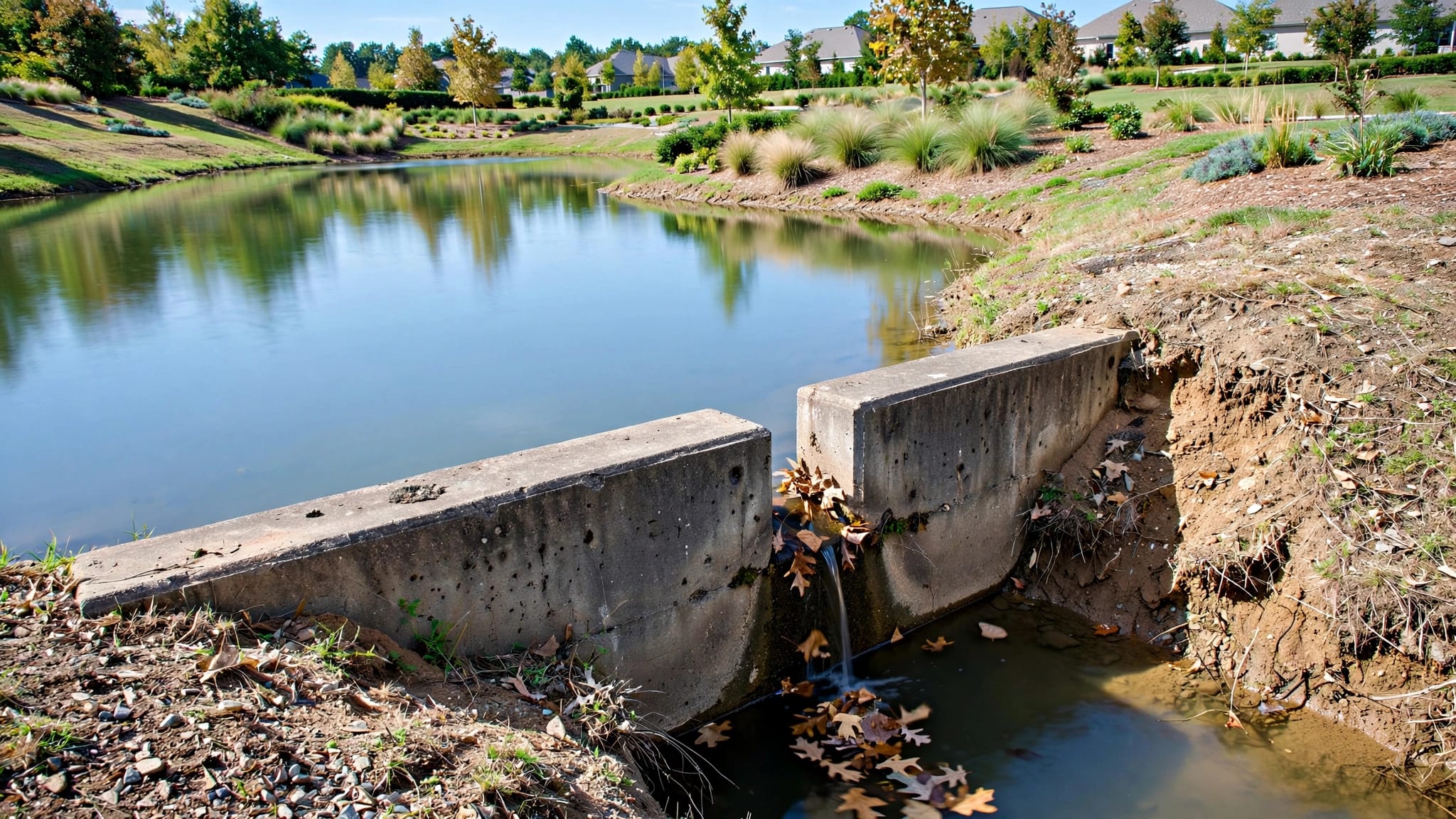
Once native plants are gone, the shoreline loses the coverage that helped protect it. Exposed areas can become more vulnerable to erosion, while weeds take advantage of the open space. Removing those weeds may provide temporary improvement, but repeated removal doesn't rebuild the native littoral shelf by itself.
This is why a bare bank needs more than another broad treatment. The maintenance plan must address the unwanted plants while protecting and encouraging the beneficial vegetation that can eventually fill the gaps.
Why Sparse Shorelines Become Harder to Maintain
A sparse shoreline creates an ongoing maintenance problem for community lakes and golf course ponds. Native plants no longer occupy enough space to limit weed growth, so unwanted plants can spread into open areas. Managers then face more frequent weed removal and more decisions about where treatment is appropriate.
The cycle can look like this:
- Native littoral plants weaken or disappear.
- Bare gaps open along the shoreline.
- Unwanted weeds take advantage of those gaps.
- Additional treatment is used to control the weeds.
- Poorly targeted or harsh treatment creates more stress for the remaining natives.
That cycle can continue until the shoreline has little beneficial vegetation left. At that point, the bank may need extensive weed removal and a careful plan to rebuild the littoral shelf.
A healthy maintenance program breaks the cycle early. Managers should pay attention to changes in plant density, not only large weed patches. They should also track where treatments occur and compare the shoreline before and after work. These observations help show whether native plants are recovering or losing ground.
For an HOA or golf course, early attention can also help protect curb appeal. A continuous planted shoreline looks maintained, while a patchy or bare bank can make the entire lake appear neglected.
A Systematic Approach Protects Native Vegetation
Lake maintenance works best when each treatment has a clear purpose and fits the condition of the shoreline. The goal is to control invasive weeds without removing the native plant community that supports the bank.
That requires more than reacting to the most visible problem. A technician needs to look at the full littoral shelf, identify the plants present, observe water and shoreline conditions, and consider how treatment in one area may affect nearby vegetation.
Careful management focuses on two tasks at the same time:
- Promoting beneficial vegetation so native plants can remain established and fill suitable gaps.
- Controlling invasive weeds with treatment methods that limit unnecessary impact on surrounding plants.
These goals work together. Native plants need room to grow, but they also need protection from treatments that can weaken them. Invasive weeds need control, but removing them without supporting native recovery can leave the shoreline open for another round of infestation.
When plants begin to brown out or thin after treatment, the response should be measured. The remaining natives need time and suitable conditions to recover. Continuing with broad or aggressive treatments can increase the number of gaps and make the shoreline harder to restore.
A systematic plan is especially important on multi-lake properties. Conditions may differ between ponds, even when they are within the same community. One lake may have a strong Gulf spike rush shelf, while another has already lost much of its native coverage. Each shoreline needs an assessment based on its own plant community and current condition.
Protecting the Balance Between Weed Control and Conservation
The strongest maintenance results come from keeping native vegetation and weed control in balance. Plant identification is an important first step because a beneficial native can be mistaken for an unwanted weed. Removing the wrong plant can create a gap that takes time to recover.
Managers should also look for patterns. Is the shoreline thinning in one isolated area, or is an entire section losing density? Did the change appear after treatment, during drought, or under another stressful condition? These details help determine whether the problem is related to treatment, environment, or a combination of factors.
For communities and golf courses, a lake inspection can identify weak areas before they become bare banks. Seabreeze Lake Maintenance holds Commercial Applicator License #CM28291 and State-Licensed Specialty Contractor #SCC131152136. Communities can Get a Free Quote for lake maintenance and inspection services.
The main target is a stable shoreline with enough native growth to occupy the littoral zone. That takes more care than treating every visible plant, but it reduces the chance of creating new problems while solving old ones.
Conclusion
A continuous line of Gulf spike rush or other beneficial littoral vegetation is more than an attractive shoreline feature. It shows that the shallow-water zone has established coverage and provides protection that a bare bank cannot offer.
Harsh treatments, drought, and other environmental stress can turn a healthy shelf into a patchy shoreline. Once native plants weaken, weeds can take over the open space and make maintenance more demanding. Protecting the shoreline requires a systematic balance between controlling unwanted growth and promoting native vegetation .
Recent Posts