How Reclaimed Irrigation Water Affects Florida HOA Lakes
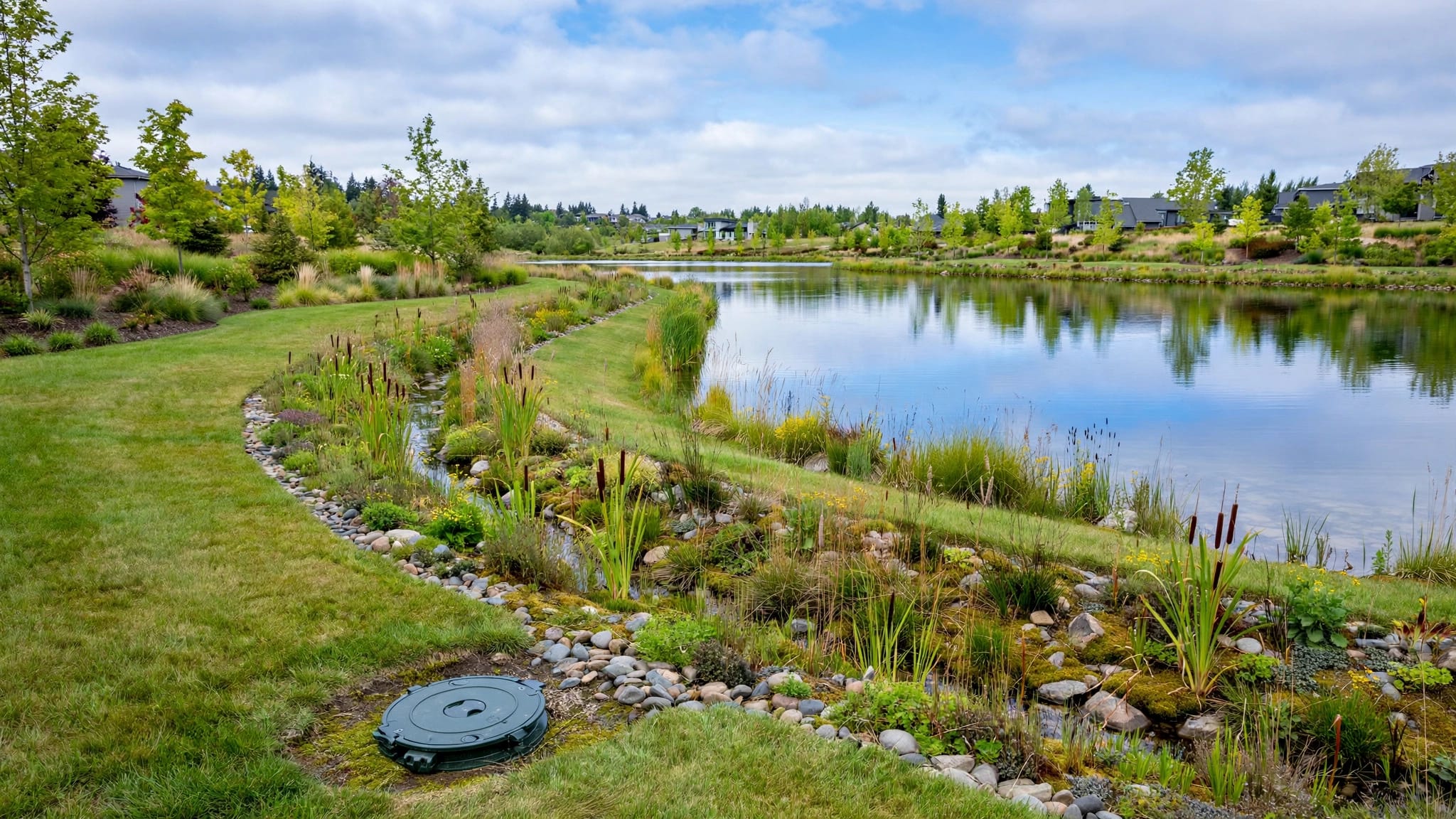
When a community uses reclaimed irrigation water , the lake often shows it first. HOA lakes and retention ponds in Florida do more than look nice, they collect runoff, support drainage, and shape the feel of the property.
That means every change in irrigation can ripple into the water. Nutrients, extra sediment, and weak circulation can turn a calm lake into a recurring maintenance issue.
The good news is simple, early attention keeps small changes from becoming long-term problems. The key is knowing what reclaimed water does, what to watch for, and how to respond before the shoreline starts to tell the story.
Why reclaimed water changes a Florida lake
Reclaimed irrigation water is treated water used for landscape irrigation, but it doesn't behave like clean rainwater. It can still carry residual nutrients, such as nitrogen and phosphorus. It can also move fine solids and other dissolved material into the landscape.
In a Florida HOA, that matters because irrigation rarely stays in one place. Water lands on turf, washes across beds, and moves toward low spots, swales, and pond edges. If sprinklers overshoot the grass, the lake gets that water directly.
The lake doesn't just receive more water, it receives more stuff in the water.
That extra input can feed algae, change water color, and encourage plant growth near the shoreline. In multi-lake properties, one basin can start acting up before the next one shows any warning signs. That is why reclaimed water should be part of the lake maintenance plan, not treated as a separate issue.
A healthy-looking lake can still carry a heavy nutrient load. Once that load builds up, the water often changes faster during hot weather, after rain, or when irrigation schedules run longer than usual.
The first signs show up along the edge
The earliest signs are often easy to miss because they start small. A little haze in the water, a faint smell, or a thin line of algae near the bank can seem harmless at first. Over time, those clues usually point to the same thing, too much nutrient pressure for the lake to handle on its own.
Here's a quick way to read those changes:
| Change you notice | What it can mean | Why it matters |
|---|---|---|
| Greener water | Algae is getting more fuel | The lake may be holding excess nutrients |
| Surface scum or mats | Algae is growing at the top | Oxygen levels can fall as growth builds |
| Thick shoreline weeds | Nutrients are settling at the edge | The bank can become harder to keep clean |
| Cloudy or dull water | Sediment or organic buildup is increasing | The lake may be losing clarity and balance |
A shift in color doesn't always mean trouble right away. Repeated change, though, usually means the lake is under pressure. On Florida properties, heat makes that pressure show up sooner. Warm water holds less oxygen, and algae tends to take advantage of that.
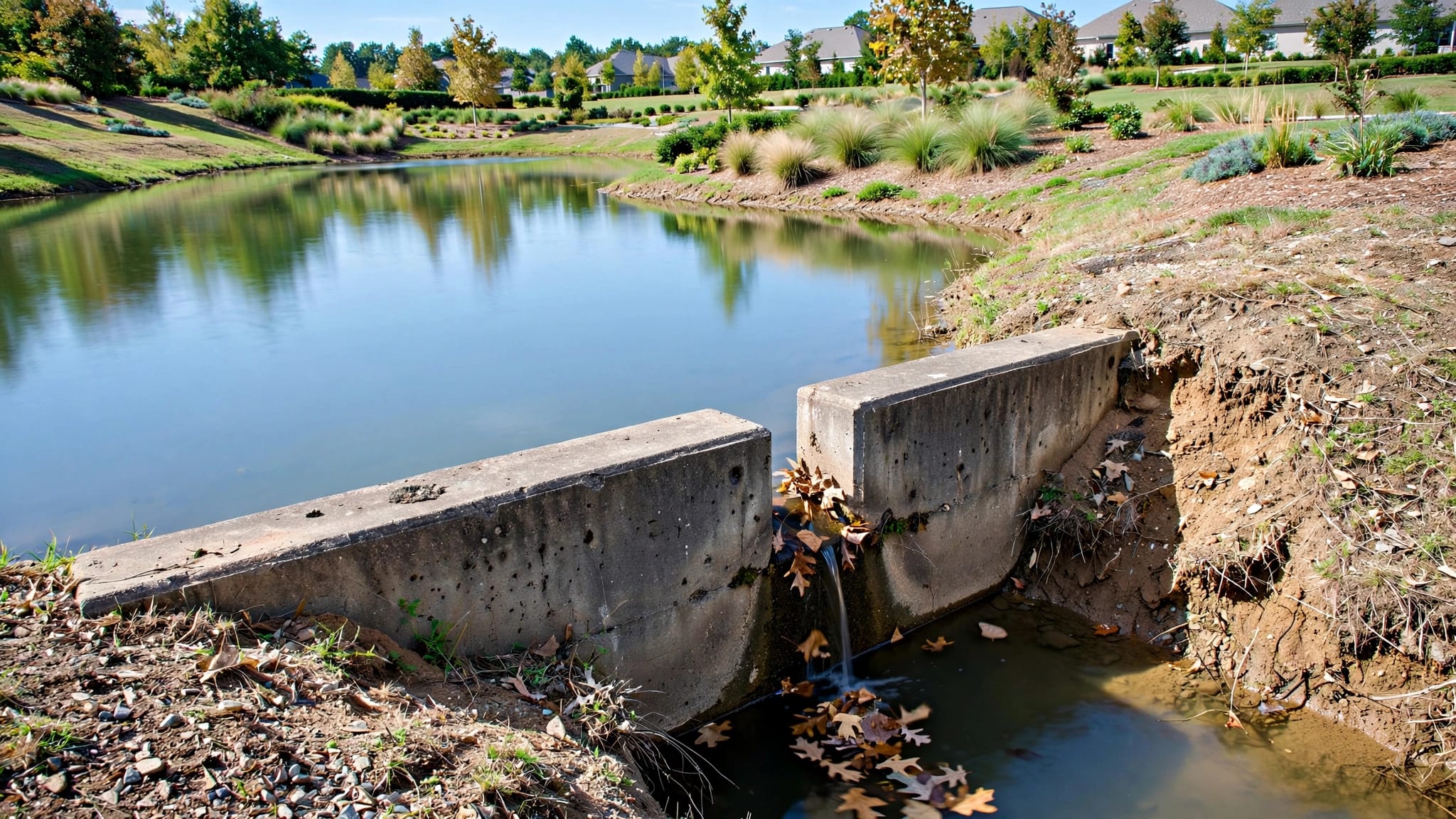
You may also see changes after irrigation runs for several days in a row. Banks can stay damp, shoreline plants can spread, and floating debris collects where water slows down. Once that pattern starts, the lake often needs more than a quick cleanup.
Why oxygen and circulation matter so much
Water quality problems often begin with nutrients, but they grow worse when the lake lacks movement. Still water warms faster. It also traps organic material and gives algae a better chance to spread.
A lake can look calm on the surface while oxygen levels slip below what it needs to stay balanced.
When algae blooms die off, they decompose and consume oxygen. That can leave the water with a stale smell and a heavy feel. In shallow retention ponds, the effect can show up fast because there's less water volume to buffer changes.
This is where circulation helps. In many Florida lakes, lake and pond aeration systems can improve movement and reduce stagnant areas. Better circulation won't erase a nutrient problem by itself, but it can give the lake a better chance to stay stable.
Aeration works best when it's part of a larger plan. Algae treatment, aquatic weed control, routine monitoring, and shoreline care all matter too. When those pieces work together, the lake handles reclaimed water more predictably.
That matters on HOA and golf course properties, where the lake is part of the view every day. A pond that looks fine in March can look very different by July if oxygen levels drop and nutrient input keeps coming.
What HOA boards and managers should watch and record
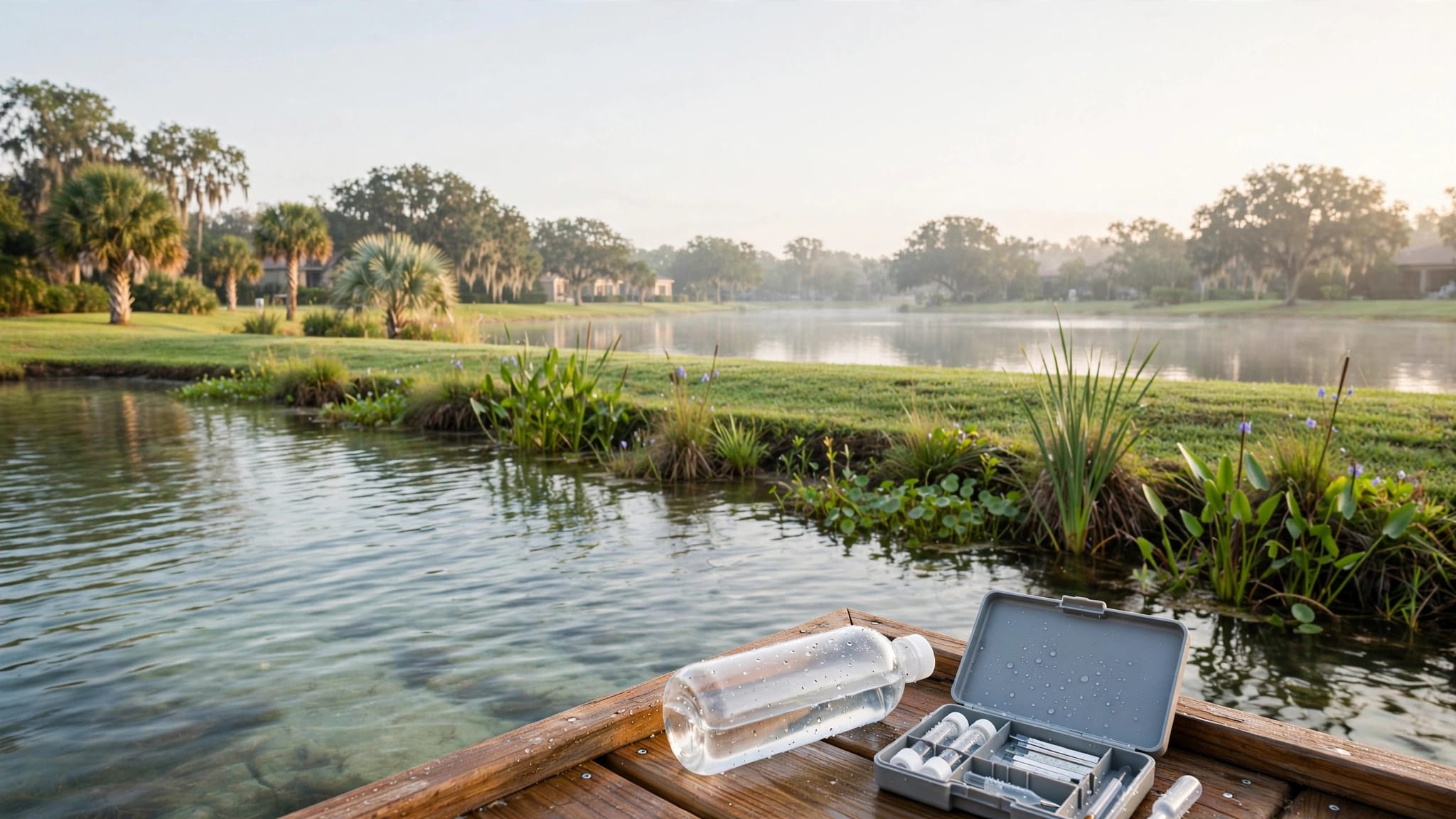
Boards and property managers don't need to test every gallon of water. They do need a simple record of what changes, where it changes, and when it changes.
The most useful observations are often the easiest ones to make. After irrigation-heavy weeks, look at the shoreline, the water color, and the spots where runoff enters the lake. Pay close attention to low areas near sprinklers and to any basin that receives drainage from several lots.
A basic response plan helps keep the problem from getting ahead of the schedule:
- Track irrigation timing and note when reclaimed water runs longest.
- Inspect shoreline edges after heavy watering or rainfall.
- Watch fertilizer use on nearby turf, since it can add to the same nutrient load.
- Set a maintenance schedule for algae control, debris removal, and water checks.
If the lake already looks off, don't wait for a full bloom. Early treatment is easier than recovery after the water turns thick and green.
If your community needs a site review, you can Get a Free Quote and schedule a lake inspection. A quick visit can reveal whether the issue is circulation, nutrient input, shoreline buildup, or a mix of all three.
Picking a maintenance plan that fits reclaimed water
Not every lake needs the same service plan. One basin may struggle with algae after irrigation runs. Another may hold floating weeds near the edges. A third may need shoreline repairs because water keeps washing soil back into the pond.
That's why the best maintenance plan looks at the whole system. A strong program may include aquatic weed control, algae treatment, water quality management, debris removal, erosion control, shoreline stabilization, and routine upkeep. On larger properties, it often makes sense to adjust the plan by lake instead of treating every basin the same way.
The team you hire should also understand Florida conditions and HOA expectations. That includes the right licenses for the work. Seabreeze Lake Maintenance works on HOA communities, golf courses, commercial properties, and residential lakes, with Commercial Applicator License #CM28291 and State-Licensed Specialty Contractor #SCC131152136 .
That level of qualification matters when reclaimed irrigation water keeps feeding the same lake week after week. A contractor should know how to spot the source of the problem, explain the risk in plain language, and set a plan that fits the property.
For many communities, the real goal is simple. Keep the lake clear, keep the shoreline steady, and keep the maintenance predictable.
Conclusion
Reclaimed irrigation water is useful for Florida landscapes, but HOA lakes feel its effects fast. When nutrient-rich water keeps entering a retention pond or man-made lake, the first signs usually show up as algae, cloudy water, and growth along the edge.
The best defense is early action. Watch the shoreline, track the changes, and build a maintenance plan that matches the way the property is watered.
A healthy HOA lake doesn't happen by chance. It happens when the water source, the shoreline, and the maintenance plan all work together.
Recent Posts