Native Littoral Plant Monitoring for HOA Lakes
Monitor native littoral plant establishment by comparing the same shoreline locations over time, recording plant condition, coverage, water levels, and nearby disturbances. New growth and stable coverage provide stronger evidence of establishment than a shoreline that merely looks green.
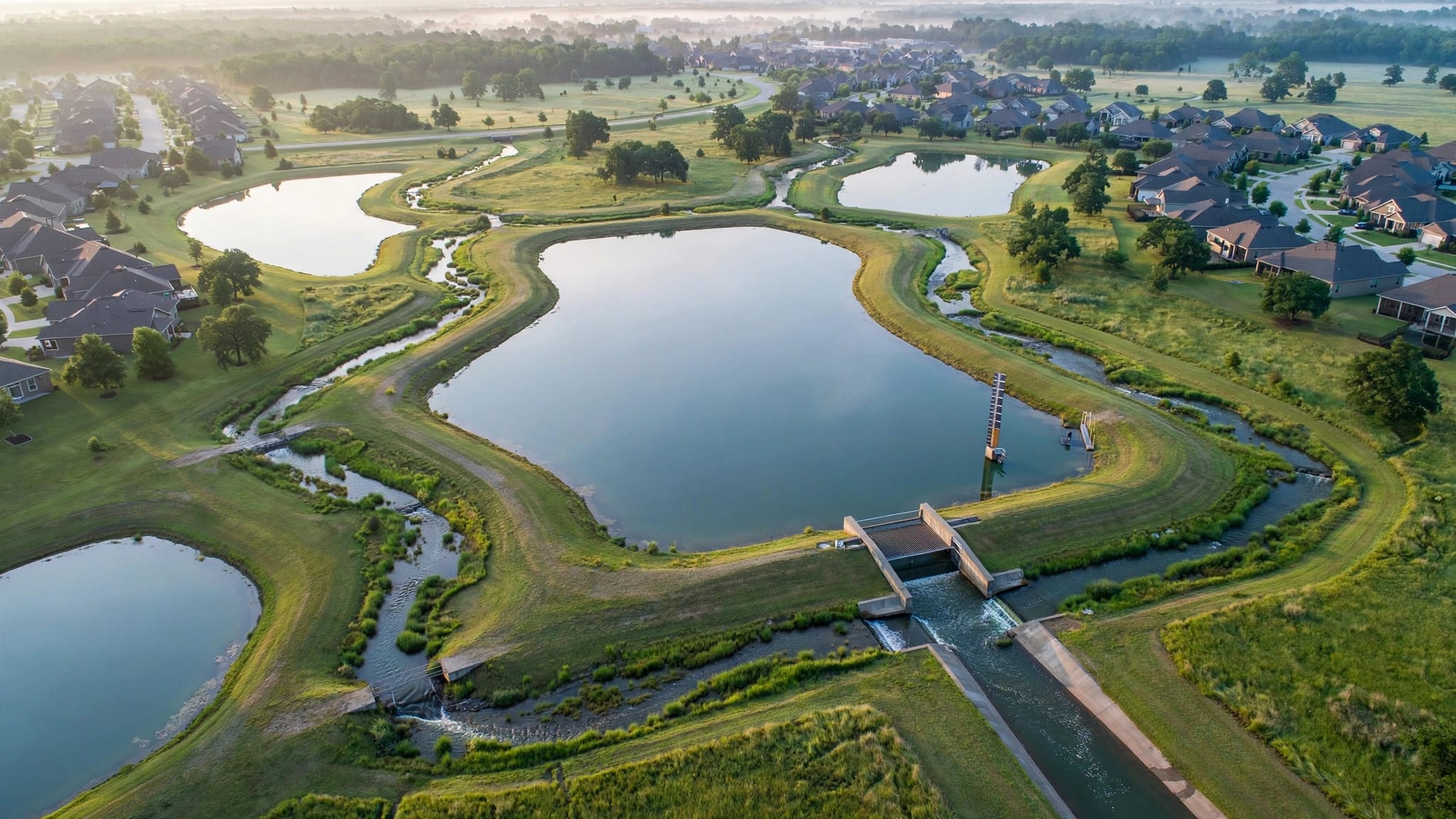
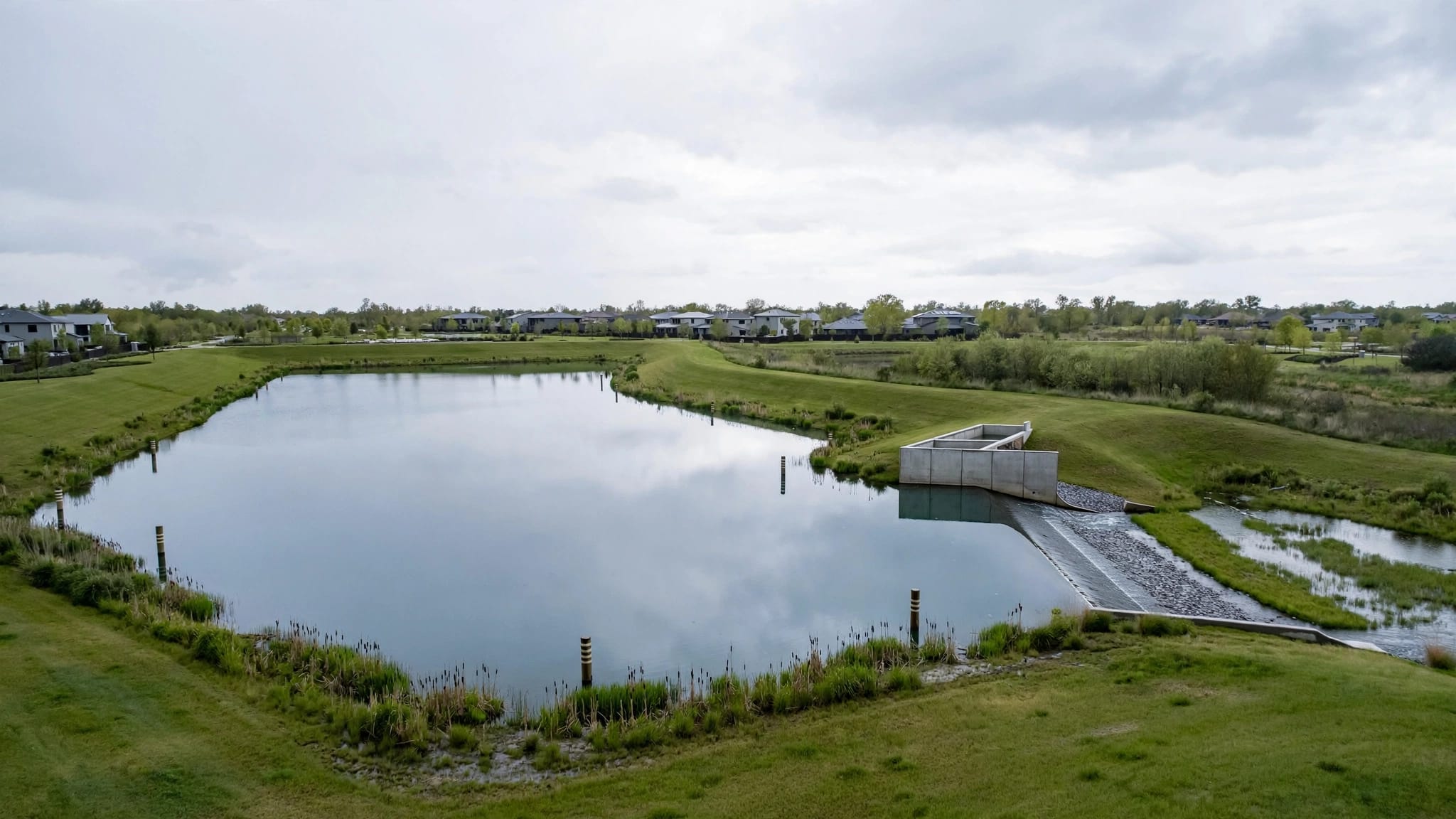
For HOA retention ponds, golf courses, and multi-lake communities, littoral plant monitoring should connect planting records with routine lake maintenance. Start with a documented baseline so your board can distinguish normal changes from problems that need attention.
Key takeaways
- Track desirable native plants separately from invasive weeds and algae.
- Compare fixed photo locations and consistent observation areas across visits.
- Give new plantings close attention during the first 90 to 120 days without treating that period as a guaranteed establishment deadline.
- Investigate water-level changes, erosion, and maintenance activity before replacing declining plants.
Establish a baseline for each planted shoreline
Map plants and site conditions
Begin with the installation record. Identify each lake, planted shoreline segment, installation date, species, and original planting arrangement. Mark inlets, outlets, fountains, maintenance access points, and areas receiving concentrated runoff.
Record water depth and the position of the waterline relative to the planting. Water depth, sunlight, soil conditions, and erosion exposure all influence performance. A plant struggling on one shelf may perform differently elsewhere in the same community.
Species identification matters, too. Pickerelweed ( Pontederia cordata ) and bulltongue arrowhead ( Sagittaria lancifolia ) have different growth forms. Comparing them only by height or apparent fullness gives a misleading picture. Our recommendations for native plants for Florida lake shorelines explain how plant selection fits shoreline conditions.
Create repeatable photo points
Choose recognizable locations where crews can safely photograph each planting area. Record the standing position, viewing direction, and shoreline segment shown.
Take a wide photograph for context and closer photographs of representative plants or problem patches. Include a stable landmark, such as a drainage structure or path corner, whenever possible.
Repeat those views rather than photographing whichever area looks most attractive. Keep original files labeled by lake, location, and date. On multi-lake properties, this prevents similar-looking shorelines from becoming mixed together in the maintenance record.
What littoral plant monitoring should measure
Track living plants and new growth
Where individual plantings remain distinct, record living, missing, and visibly declining plants within the same observation area. Once plants spread into connected stands, tracking occupied area becomes more useful than counting stems.
Look for fresh shoots, expanding clumps, and upright growth appropriate to the species. Also note broken stems, exposed roots, loose planting plugs, and plants lying flat after storms.
Avoid pulling plants to test whether they have rooted. Instead, observe whether they remain seated and whether surrounding sediment stays intact. Inspect from stable ground; residents should stay out of the water and away from undercut banks.
Separate native coverage from total greenery
A green shoreline can hide native plant losses if invasive vegetation fills the gaps. Record desirable native coverage separately from unwanted plants, algae, and bare sediment.
Use the same shoreline length or mapped observation area each time. Describe where gaps occur and whether they are expanding, shrinking, or moving with the waterline.
Plant height alone is a weak measure because species, season, and water depth affect appearance. Similarly, flowering isn't required to demonstrate establishment. A record combining growth, coverage, and site conditions gives the board a more useful picture than one photograph of blooms.
Give the establishment period extra attention
The first 90 to 120 days deserve particular attention after installation. Our approach to littoral planting and shoreline restoration includes protecting new vegetation during this early period. However, that window isn't an exact rooting deadline for every species or site.
Set inspection frequency around actual risk. Newly installed plants exposed to fluctuating water levels or concentrated stormwater need closer observation than a stable, protected shoreline.
Add inspections after heavy rainfall, substantial water-level changes, nearby construction, mowing, or aquatic treatment. These events can explain changes that a routine calendar visit might otherwise miss.
In Southwest Florida, wet-season runoff and dry-season exposure create different pressures. Rising water can submerge young foliage or move sediment, while falling water can expose roots and planting areas.
Once plantings stabilize, continue observing them during routine lake service. Establishment monitoring should become part of ongoing maintenance rather than ending when the initial planting period passes.
Diagnose stress before replacing plants
Read the waterline and shoreline together
When plants decline, examine the pattern. Damage concentrated below an inlet may reflect strong flow or sediment deposition. Decline along an exposed upper edge may coincide with lower water levels.
Record fresh erosion channels, washed-out sediment, buried plant bases, exposed roots, and debris caught against stems. Include the waterline in photographs so later comparisons account for changing depth.
Inspect the full accessible perimeter, including hidden coves and drainage connections. Where concentrated discharge or an actively failing bank is removing soil, planting alone may not provide enough protection. The underlying shoreline problem needs attention before replacement plants face the same conditions.
Compare damage with maintenance history
Browning foliage doesn't identify a cause by itself. Recent herbicide treatment, mowing, trampling, prolonged flooding, and dry conditions can produce overlapping symptoms.
Compare affected areas with treatment locations and maintenance dates. Look for whether damage follows a mowing edge, treated strip, or runoff path. Also distinguish older declining leaves from fresh growth before labeling an entire plant dead.
Our guidance on monitoring native plants after pond treatment addresses the risk of weakening desirable vegetation during weed control. An aquatic plant specialist can assess uncertain damage and recommend targeted corrective work instead of repeated broad treatment.
Protect new plants during routine maintenance
Share the planting map with landscape crews and aquatic maintenance staff. Mark areas that should remain outside routine mowing and identify access routes that avoid new vegetation.
Treatment planning should distinguish planted natives from weeds growing among them. For connected lakes, inspect inflows, outfalls, and locations where floating fragments collect. Our guidance on monitoring invasive hygrophila along shorelines explains why follow-up observations matter around recurring growth.
Don't let an effort to create a uniformly bare edge remove the vegetation the community installed. At the same time, preserve access to drainage structures and inspection points.
We hold Commercial Applicator License #CM28291 and State-Licensed Specialty Contractor #SCC131152136. Coordinating aquatic weed control with shoreline work helps keep maintenance decisions aligned with the planting plan.
Record any accidental mowing, equipment damage, or treatment overlap promptly. That history helps separate installation problems from later disturbances and gives the board a clearer basis for corrective action.
Turn field observations into useful HOA reports
Keep records by lake and shoreline segment rather than combining every basin into one property-wide summary. Otherwise, strong growth at the entrance lake can conceal losses in a less visible retention pond.
Each report should connect observations with a next step. Describe what changed, where it changed, the likely contributing conditions, and whether the response is continued observation, specialist assessment, weed control, or shoreline repair.
Use consistent terms across visits. "Expanding native coverage," "new bare gap," and "sediment covering plant bases" communicate more than "looks good" or "needs attention."
Our multi-lake shoreline inspection checklist helps connect vegetation observations with erosion, runoff, and drainage concerns.
Keep plant records alongside water-quality results when testing forms part of the maintenance program. Native vegetation absorbs nutrients and can help stabilize sediment, but healthy-looking plants don't prove acceptable dissolved oxygen or nutrient conditions.
A useful board report preserves these distinctions. It documents progress without promising that planting alone will eliminate algae treatments, erosion repairs, or future dredging.
Frequently asked questions
Who should inspect newly planted littoral areas?
Your lake maintenance team should assess plant identification, establishment, invasive competition, and possible treatment injury. The property manager can organize records and coordinate access, while residents can report visible changes from safe shoreline locations.
Give everyone a single reporting contact so observations reach the maintenance team rather than remaining in separate emails. Resident reports are most useful when they include the lake name, nearby landmark, date, and photographs. They should supplement professional inspections without replacing them.
Should every bare patch be replanted immediately?
A bare patch deserves assessment before replacement. First determine whether the original plants washed out, became buried, experienced unsuitable water depth, or suffered maintenance damage. Replacement without correcting the cause can repeat the loss.
Some gaps may narrow as adjacent native plants spread. Others may need replanting or shoreline repair. Compare the patch with the intended planting layout because planned spacing can look sparse during early growth. Keep designated drainage and maintenance access areas clear rather than treating every opening as a planting failure.
Build a record that protects the planting investment
Effective littoral plant monitoring shows whether native vegetation is gaining a stable foothold and identifies what interferes with that progress. Consistent observations help your HOA respond to causes rather than repeatedly replacing plants.
Keep each lake's planting history, photographs, and maintenance records together so future boards retain that knowledge.
If new plantings are thinning or your community needs a monitoring plan, Get a Free Lake Health Assessment to schedule a call and lake inspection with our team.
Recent Posts