How to Build a Lake Water Balance for Your HOA
Create a lake water balance by mapping each basin, identifying how water enters and leaves, and tracking changes consistently. For a multi-lake HOA, the starting point is a separate record for every lake , followed by a property-wide review.
Connected retention ponds can behave differently because their drainage areas, outlets, shorelines, and maintenance needs differ. Your records should explain those differences before the board approves work based on appearance alone. Start with the system's layout, then connect observations to practical maintenance decisions.
Key Takeaways
- Give every lake a permanent identifier, mapped connections, and its own inspection history.
- Track water-level changes alongside rainfall observations, drainage conditions, irrigation activity, and maintenance events.
- Review water quality separately from water quantity, then use both records to set lake-specific priorities.
What a Lake Water Balance Should Explain
A lake water balance tracks water entering a basin, water leaving it, and changes in the water stored there. For community retention ponds, that means looking beyond the visible shoreline.
Rain falls directly onto the lake, while runoff arrives through pipes, swales, and surrounding land. Connected basins may also transfer water between them. Meanwhile, evaporation, irrigation withdrawals where applicable, outlet discharge, and exchange with groundwater influence water levels.
A useful HOA record connects these processes to observed conditions. It helps explain why a lake rises after storms, stays elevated, or falls during dry weather.
However, water balance and water chemistry answer different questions. A stable water level doesn't establish healthy oxygen conditions. Likewise, clear water doesn't prove that an outlet functions properly.
The board's monitoring record supports water-balance analysis and maintenance planning. Detailed drainage modeling and decisions about altering water-control structures belong with a qualified drainage engineer. Routine lake care should preserve the system's intended function rather than change its operating levels.
Map Every Lake and Its Drainage Connections
A property-wide map gives managers, landscape crews, and lake contractors the same reference. Use existing site and drainage plans as the starting point, then add field observations.
Give each basin a permanent identity
Assign each waterbody a name or number and use it everywhere: photographs, service reports, equipment records, and board discussions. Avoid descriptions such as "the pond behind the clubhouse" when several nearby basins could fit.
For each lake, record its shape, known depth information, shoreline condition, aquatic vegetation, and equipment locations. Mark accessible observation points so later inspections cover the same places.
Also identify nearby roads, parking areas, turf, and construction areas. These features help explain differences in runoff and sediment exposure.
Trace connections across the property
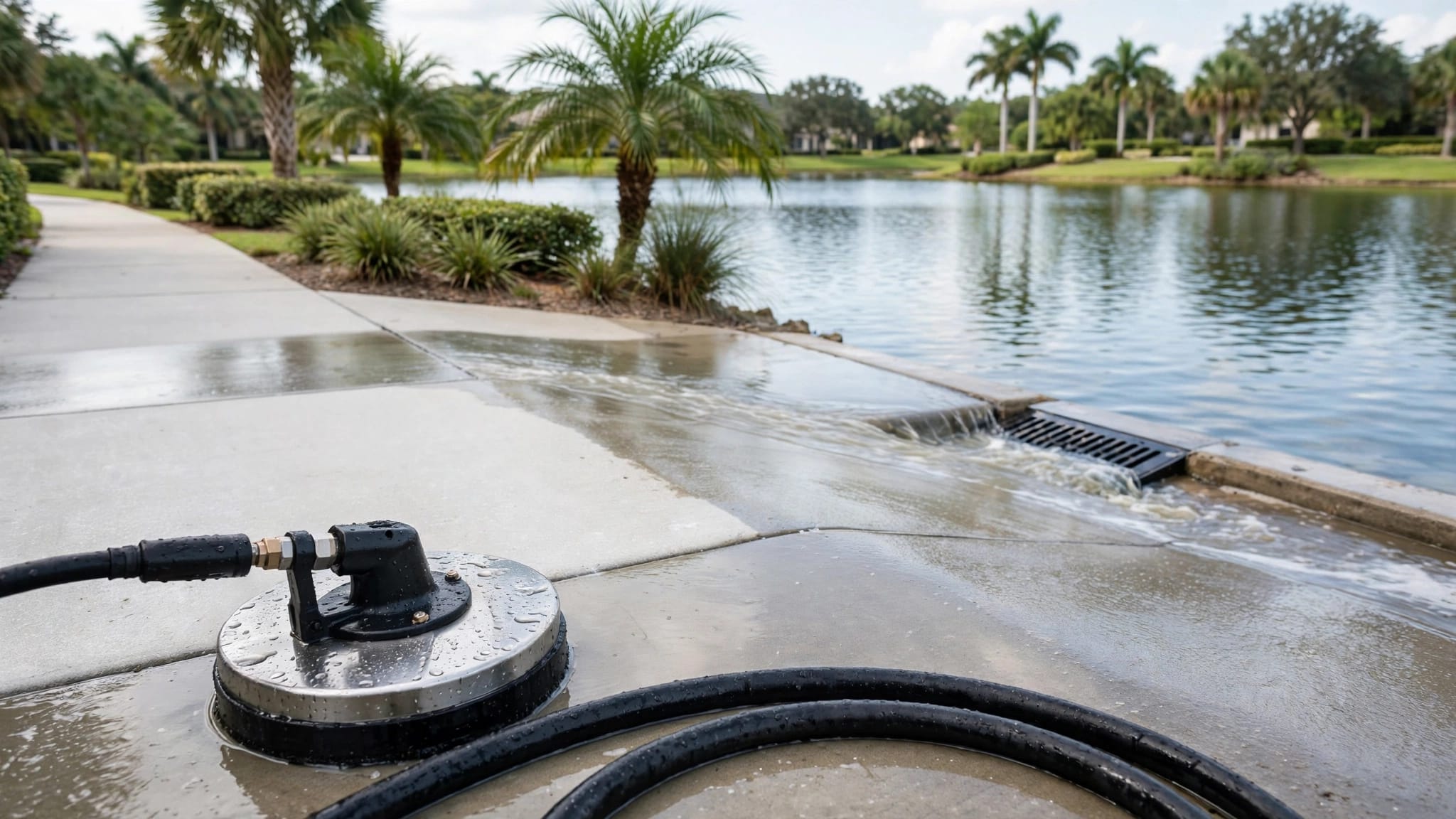
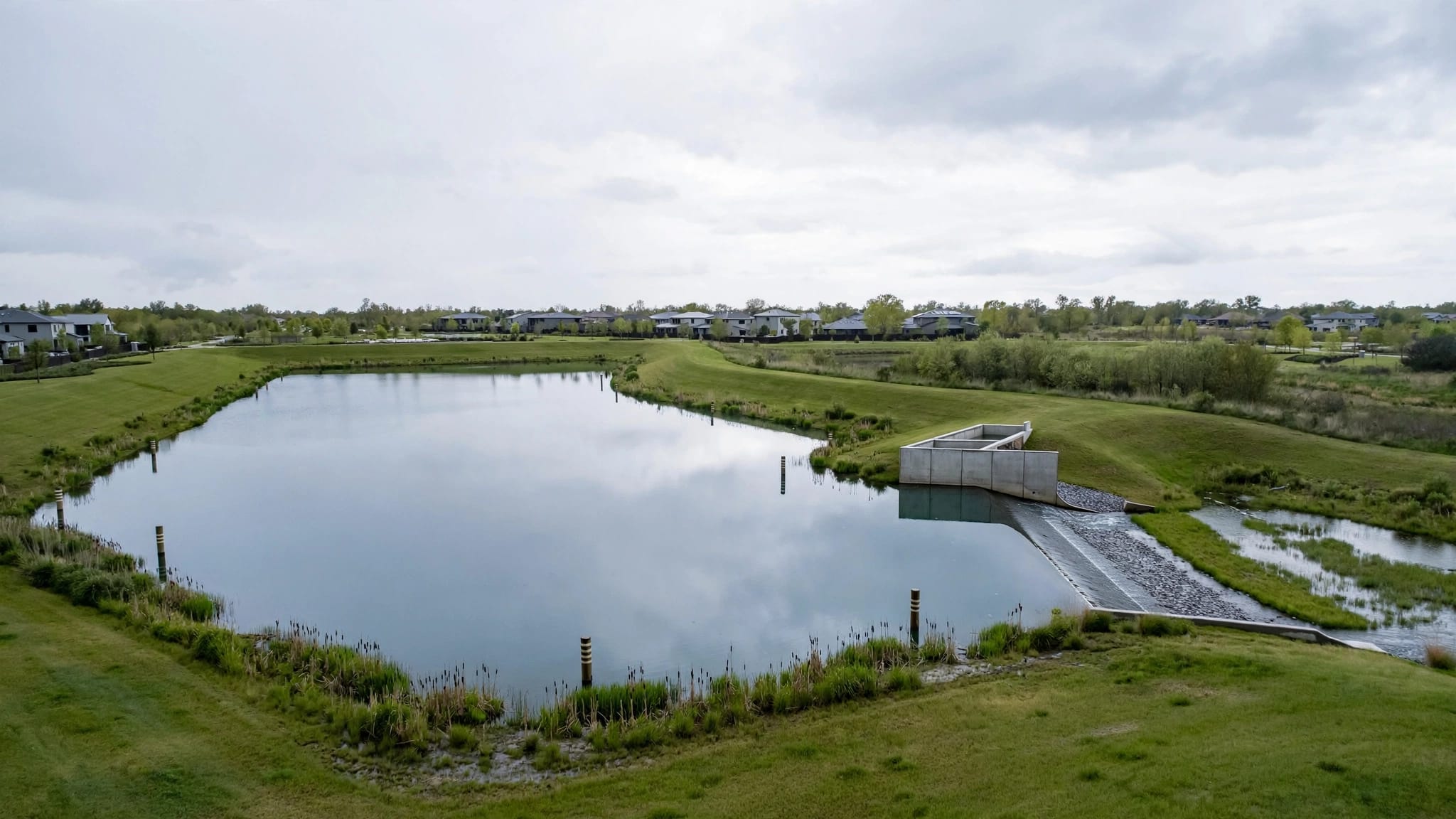
Mark inlets, outlets, culverts, swales, and overflow structures. Show the direction water travels between lakes and where it ultimately leaves the property.
Keep internal transfers separate from water entering the community. Water moving between two HOA lakes affects both individual records, but it isn't a new supply to the property.
Map irrigation intakes and supplemental water connections where present. If a connection's purpose remains unknown, label it as unresolved rather than assigning it an assumed function. That keeps uncertainty visible in the record.
Build a Consistent Monitoring Record
Consistency makes observations useful. A photograph taken after heavy rain shouldn't become the sole comparison for a dry-season inspection months later.
Observe from repeatable locations
Use fixed shoreline photo points and consistent water-level reference locations. Staff gauges, where appropriately installed, can support repeatable observations without relying on changing vegetation or exposed soil.
Record the date, observation time, recent weather, and which reference point appears in each photograph. Include visible inlet and outlet conditions, debris accumulation, erosion, and unusual changes in water appearance.
Take observations from safe, accessible ground. Staff shouldn't enter water-control structures or approach unstable banks to complete a routine inspection.
Our approach to multi-lake property maintenance inspections keeps photographs, observations, and follow-up tied to the correct basin.
Log events that could explain changes
Alongside each inspection, record recent rainfall patterns, irrigation operation, pump interruptions, shoreline repairs, and drainage work. Distinguish a reported event from something the inspector directly observed.
Treatment dates, products, and equipment operating status also belong in the record. These details help explain changes in vegetation, clarity, and fish activity without assuming that every change has the same cause.
Use one shared spreadsheet or maintenance system. Separate tabs or records can hold each lake's history, while a summary identifies unresolved issues across the property. Preserve earlier entries so later corrections don't erase the original observation.
Read Water Levels Alongside Water Quality
A lake water balance becomes more useful when the board can connect changing water conditions with test results. Still, neither record should substitute for the other.
Compare each lake with its own baseline
Track pH, dissolved oxygen, nutrients, and clarity alongside field observations. Sample locations, depths, and timing matter because inconsistent methods can make results difficult to compare.
The most useful starting point is the lake's own history. Differences between neighboring basins can also help identify where further investigation belongs.
For example, persistent cloudiness near an inlet warrants attention to sediment sources. Recurring algae calls for a broader look at nutrient inputs, plant growth, and circulation. Neither observation establishes the cause by itself.
Our guidance on interpreting lake water quality test results explains how these indicators fit together.
Record circulation and shoreline clues
Include fountain and aerator operating status, stagnant areas, odors, and unusual fish behavior. Equipment operation alone doesn't establish adequate circulation throughout a basin.
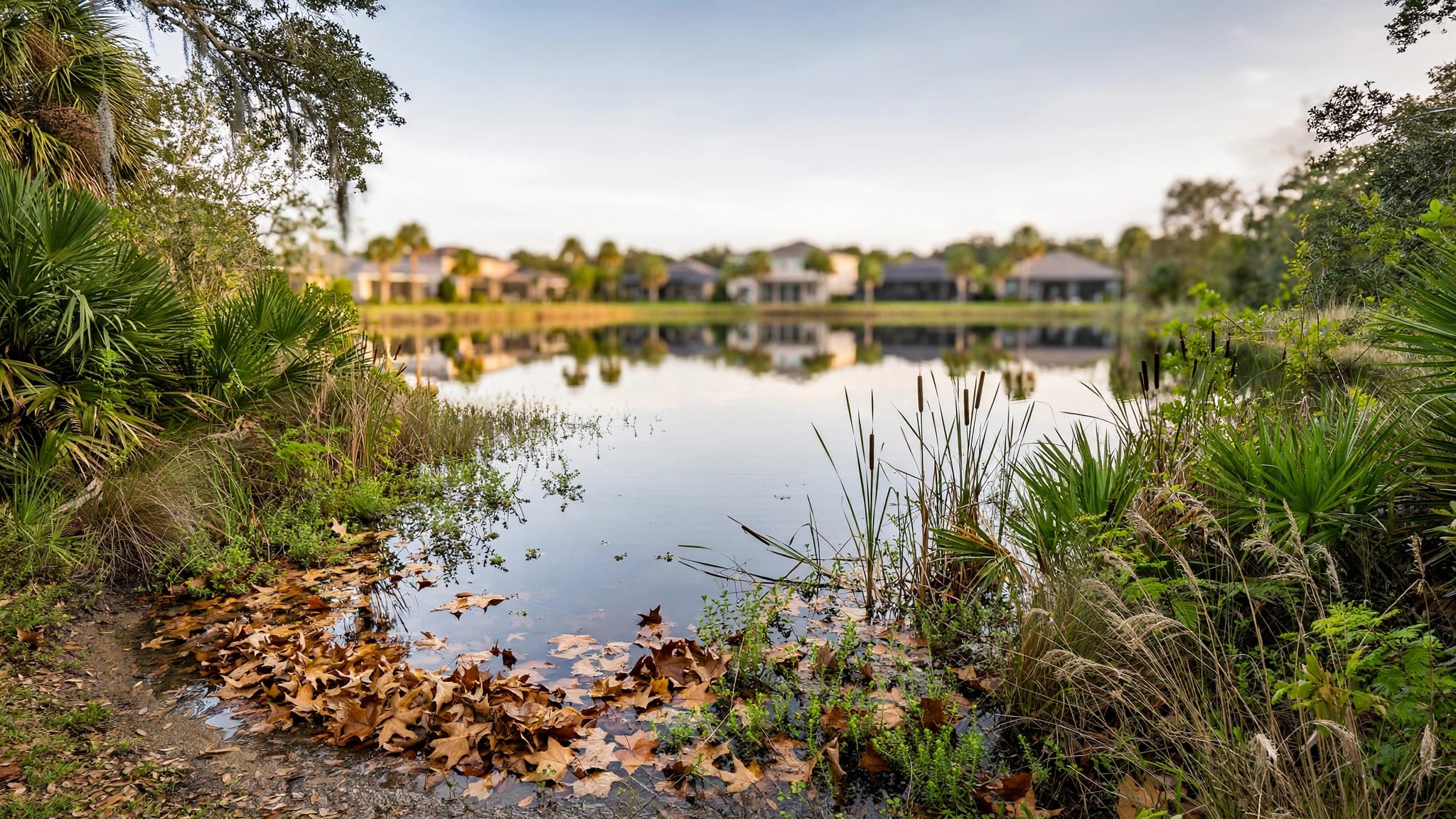
Also photograph exposed soil, eroding edges, accumulated leaves, and grass clippings near drainage routes. These conditions can affect sediment, nutrients, and oxygen demand.
When shoreline damage repeats, connect repair planning with the site's water-level history. Comparing shoreline protection options helps the board understand how planted and structural approaches address different conditions.
Turn the Record Into Lake-Specific Maintenance
Review individual lakes first, then look for patterns across the connected system. This prevents a property-wide average from hiding one basin's recurring problem.
If several connected lakes change after the same storm, review their shared drainage pathways. If only one remains unusually elevated, focus attention on that basin's outlet, connections, and documented operating history. An observation identifies where to investigate; it doesn't establish a blockage or justify changing a structure.
Similarly, a falling shoreline during dry weather doesn't establish a leak. Review weather, irrigation activity, outlet behavior, and neighboring lake patterns before assigning a cause.
For water-quality problems, separate the immediate response from the longer-term source investigation. Algae treatment may address current growth, while runoff management, debris removal, or circulation work addresses contributing conditions.
Give each action an owner, a completion date, and a follow-up observation. Record what changed afterward, including cases where the condition persisted. That history helps the board avoid repeating work without understanding its results.
A lake water balance should support better decisions, including decisions to leave functioning features alone. Never lower outlets, modify control structures, or transfer water between basins simply to make neighboring lakes look alike. Equal-looking shorelines aren't a reliable management goal.
Keep the Board's Review Practical
For many Florida communities, monthly lake service provides a baseline, with adjustments for weather, plant growth, and stormwater demands. Monitoring and maintenance visits don't always need the same frequency.
Weekly or biweekly observations may suit connected properties with active problems or rapidly changing conditions. Additional inspections after major storms, equipment failures, or drainage work help capture changes that a monthly report could miss. Build these expectations into the HOA lake maintenance schedule.
The board's summary should identify changed conditions, unfinished work, and the next responsible party. Keep supporting photos and test results attached to the relevant lake record.
Define these reporting duties in the maintenance scope, including who supplies irrigation information and who handles drainage concerns. Landscape crews, irrigation staff, and lake contractors all influence the record.
We provide lake maintenance and water-quality management throughout Southwest Florida. Get a Free Lake Health Assessment to schedule a lake inspection and discuss practical management options for your property.
Frequently Asked Questions
Should connected HOA lakes have identical water levels?
No. Basin elevations, drainage connections, and control structures influence how each lake behaves. Compare observations with the site's documented design and operating history rather than expecting matching shorelines. Treat a new difference as an investigation priority, especially when it follows drainage work or a major storm.
Can a water balance explain recurring algae?
It can provide context about runoff, water movement, and changing conditions. However, algae management also needs water-quality information and observations of nutrients, vegetation, and circulation. A balance record alone doesn't identify the cause of a bloom or determine the appropriate treatment.
What should the HOA keep in its permanent lake file?
Keep the drainage map, lake inventory, dated photographs, water-level observations, test results, service reports, and repair history. Include unresolved questions and completed follow-up actions. These records preserve continuity when board members, property managers, or contractors change, and help explain why maintenance priorities differ between lakes.
Build a Record That Explains the Whole System
A useful water balance starts with consistent lake-by-lake records and a clear map of the connections between basins. Together, they help the board separate seasonal changes from conditions that deserve investigation.
Pair those observations with water testing and documented follow-up. The result is a maintenance plan that respects each lake's role while keeping the property's connected drainage system in view.
Recent Posts