Best Native Plants for Florida HOA Lake Shorelines
A Florida HOA shoreline can look polished and still fight erosion, algae, and messy edges. The right plants help hold soil, soften the bank, and make the whole lake feel cared for.
That matters on retention ponds and lakes in gated communities, golf courses, and other multi-lake properties. It also means this guide is for real community shorelines, not koi ponds or tiny decorative features. The goal is a clean, durable planting plan that fits Florida conditions and keeps maintenance under control.
Why native shoreline plants fit Florida community lakes
Florida weather is hard on lake edges. Heavy rain, strong sun, fast plant growth, and sudden water swings can wear down a bank fast.
Native plants handle those conditions better because they already fit the climate. They can take wet feet near the water and dry spells higher on the slope. That matters when you want a shoreline that looks neat after storms, not one that needs constant repair.
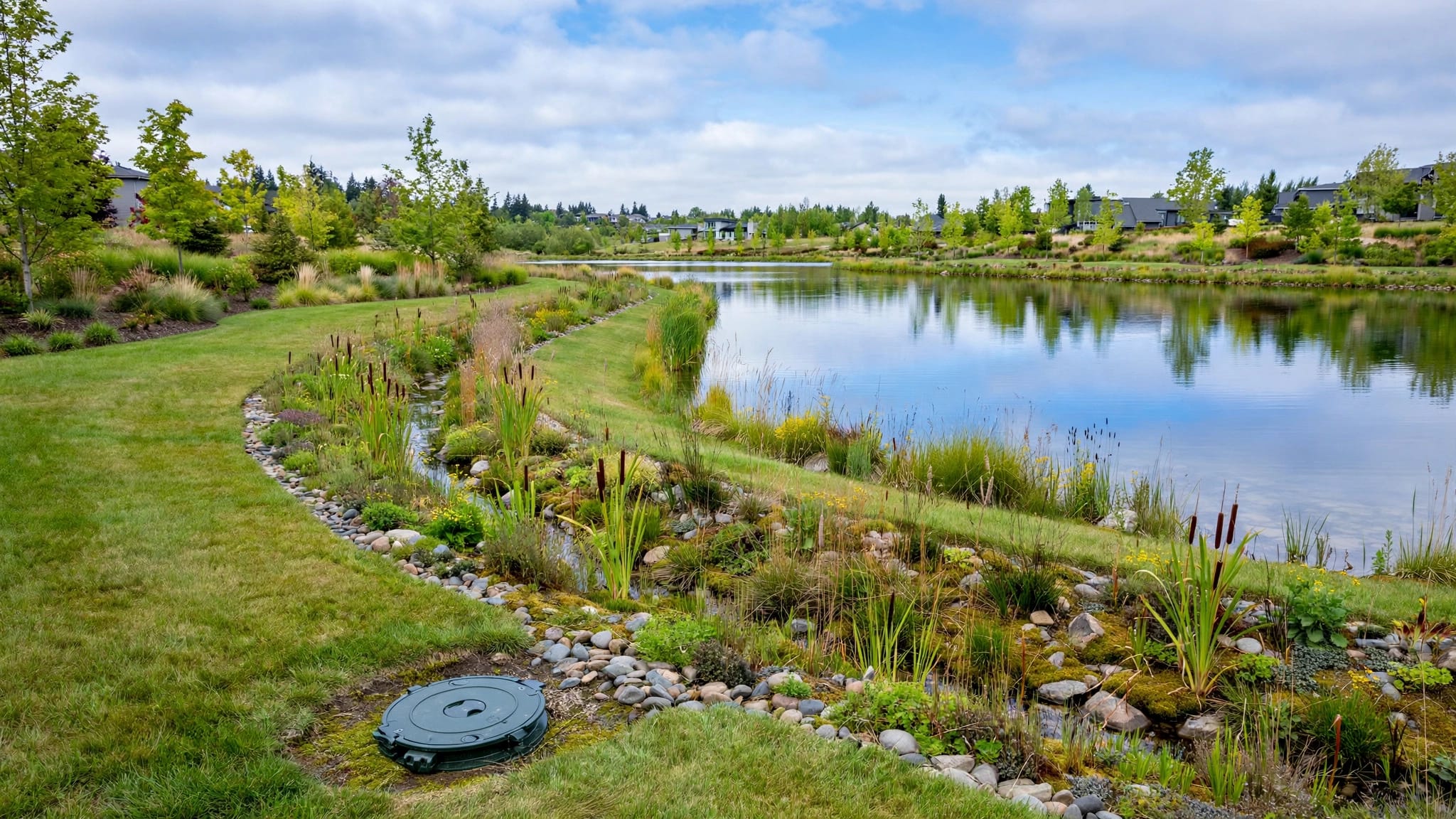
Native plantings also help communities avoid the look of a bare dirt edge. Bare soil washes away. In contrast, roots hold the bank together and give the shoreline a finished look. For HOAs, that means better curb appeal and fewer complaints about washed-out spots.
Another benefit is maintenance. The right native mix grows in a more predictable way than random ornamentals. Crews can trim and inspect it without turning every visit into a rescue mission.
A plant that thrives at the waterline can fail on the upper bank, so placement matters as much as the species.
That is the key idea behind good Florida shoreline planting. Pick the right plant for the right zone, then keep the layout simple.
Best native plants for Florida lake and retention pond edges
The best shoreline plants are not chosen for looks alone. They need to match water depth, slope, and how much trimming the property can handle.
Here are strong native choices for many Florida community shorelines:
| Plant | Best spot | Why it works for HOAs |
|---|---|---|
| Pickerelweed | Shallow water and the waterline | Adds color, grows in clumps, and fits wet edges |
| Duck potato | Shallow shelves and damp banks | Has a dense root mass that helps hold soil |
| Soft rush | Moist slopes and pond margins | Stays tidy, tolerates wet and dry cycles |
| Maidencane | Littoral shelves and broad edges | Spreads to cover bare areas and soften the bank |
| Blue flag iris | Shallow margins | Gives seasonal color without a messy look |
| Switchgrass | Mid-slope and upper shoreline | Strong roots and a clean form for slope stability |
| Muhly grass | Higher banks and visible corners | Light texture, low fuss, and good seasonal interest |
| Wax myrtle | Upper banks and screening areas | Evergreen feel and useful root structure |
These plants work best in groups, not as single specimens. Clumps look cleaner, and they are easier to maintain. They also create a smoother transition from water to land, which helps a shoreline feel designed instead of patched together.
For many HOAs, the best mix includes one or two plants at the waterline, a grass on the slope, and a shrub on the upper bank. That layered look gives the lake edge structure without crowding it.
Match each plant to the right shoreline zone
A shoreline is not one flat space. It has layers, and each layer behaves differently.
Waterline, mid-slope, and upper bank each need a different plant
At the waterline, the soil stays wet for long stretches. Plants like pickerelweed, duck potato, and maidencane handle that setting well. They help cover the edge without making it feel overbuilt.
On the mid-slope, the ground still gets moisture, but it dries between rain events. Soft rush, switchgrass, and blue flag iris fit that area better. They can take changing conditions and still look orderly.
The upper bank is where the property often needs the most visual polish. Muhly grass and wax myrtle work well there because they bring shape and structure without crowding the view. That is useful near roads, walking paths, and clubhouse areas.
A simple way to think about it is this: wet plants belong low, tougher grasses belong in the middle, and shrubs belong higher up. When those zones are mixed correctly, the shoreline looks intentional and stays healthier.
You can also use placement to protect sight lines. Keep taller plants away from curves, docks, and busy corners. That keeps the shoreline attractive without blocking views or making inspections harder.
What HOA managers should avoid
Many shoreline problems start with the wrong planting choice, not the wrong maintenance crew.
First, avoid plants that cannot handle flooding. A plant that looks fine in a nursery pot may fail fast on a lake edge. If it needs dry soil all the time, it does not belong at the shoreline.
Second, avoid stuffing too many species into one stretch of bank. A shoreline that mixes too many textures and heights starts to look busy. It also gives crews more to sort out during trimming.
Third, avoid turf right to the water's edge. Grass at the edge often breaks down faster than people expect, especially after heavy rain or foot traffic. The bank needs roots, not a thin strip of lawn hanging over it.
For HOAs, the cleanest plan is usually the simplest one. A few native species, placed in the right zones, often look better than a crowded planting bed.
A shoreline is not a flower bed. It needs roots, spacing, and a layout that can handle storms.
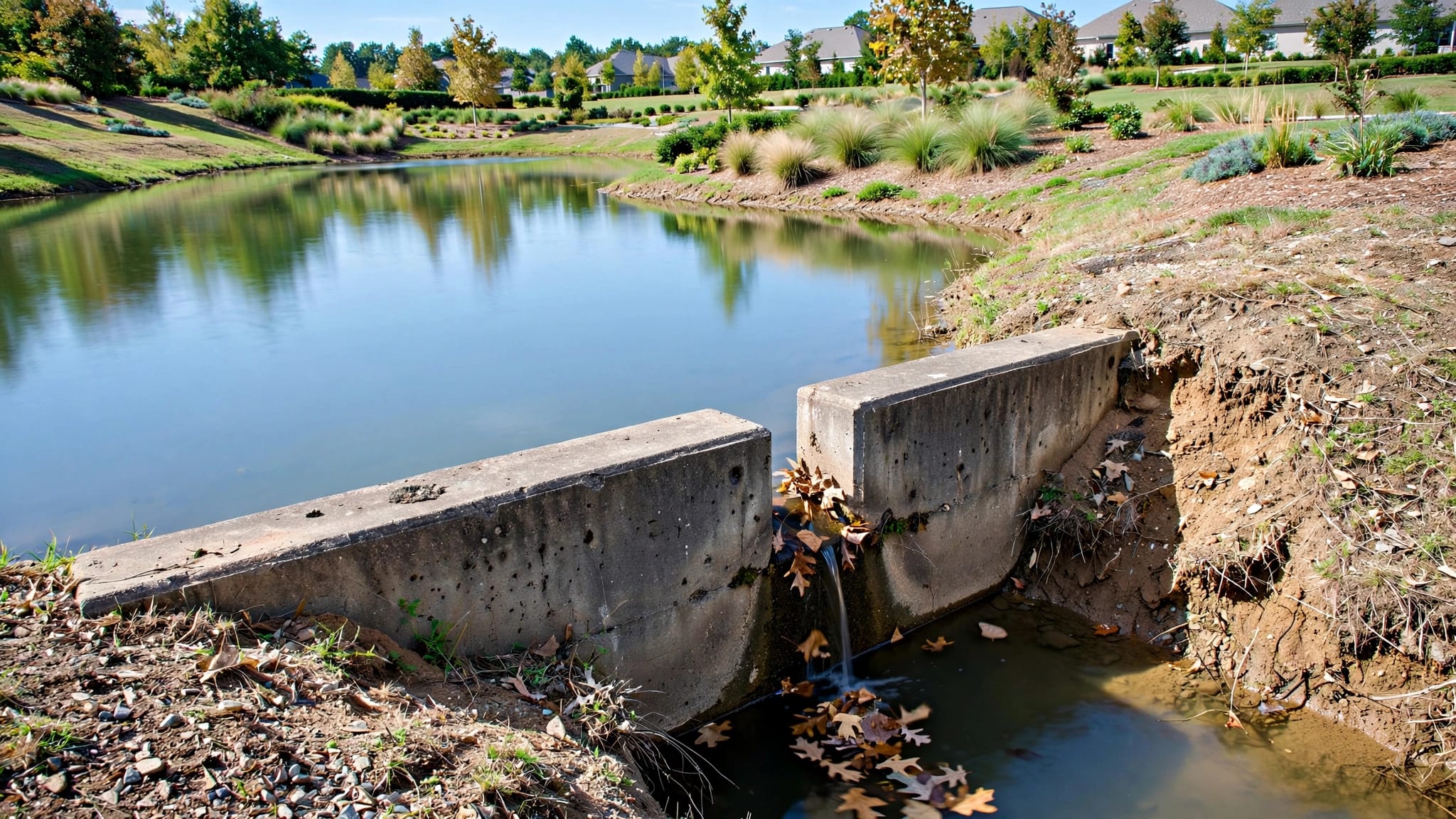
Also avoid planting without a plan for access. Crews still need to inspect outfalls, remove debris, and reach problem spots. If the planting blocks access, it becomes a maintenance problem later.
Keeping native shoreline plantings healthy long term
Even the best plants need the right conditions. If the water stays stagnant or carries too much nutrient load, the shoreline has a harder job.
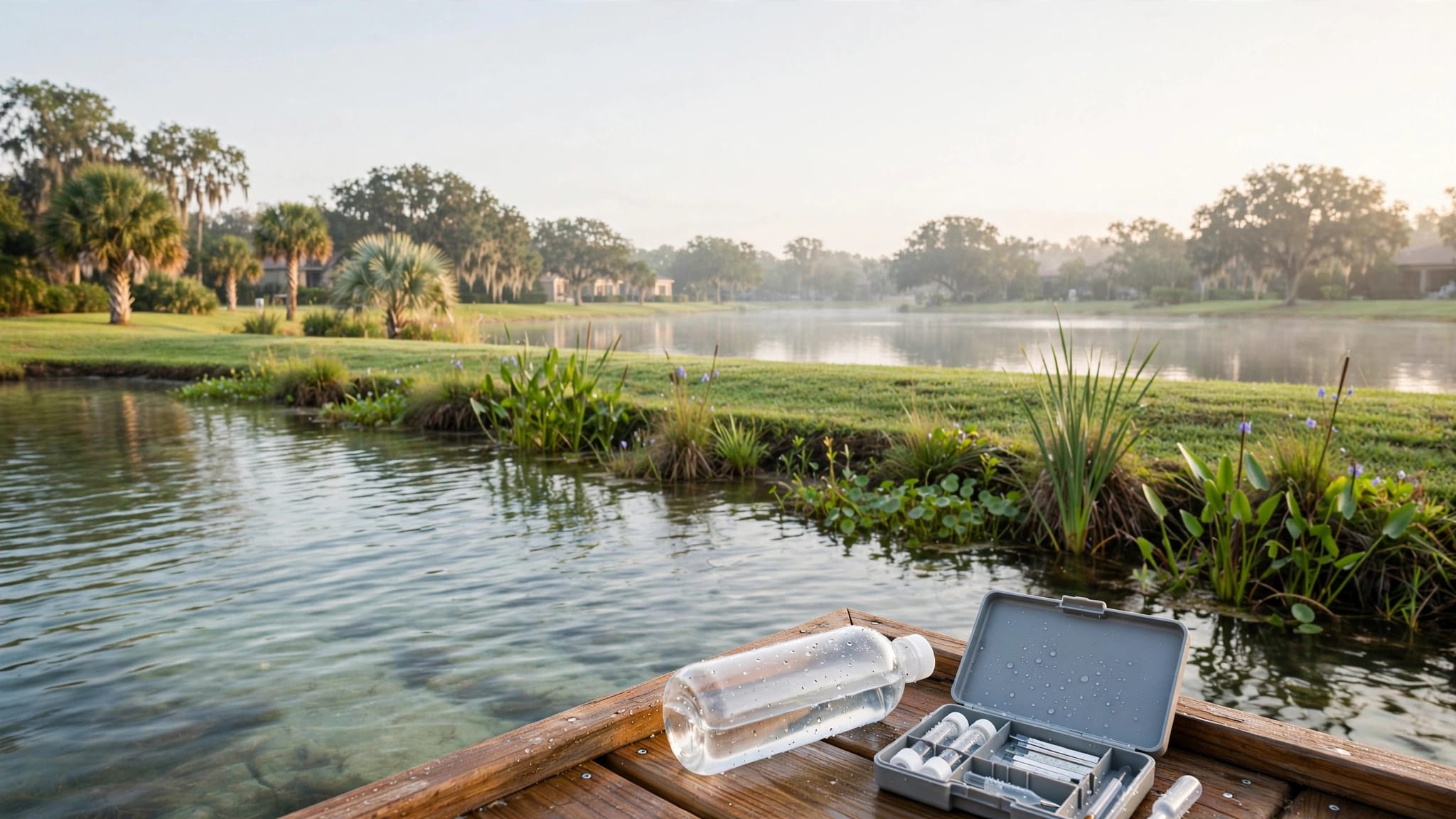
That is why plantings and water quality should work together. When a lake has poor circulation, shoreline growth can struggle and algae can keep returning. In that case, aeration systems for shoreline health can support better conditions around the bank and help the whole property stay in better shape.
Maintenance also matters. New plants need time to root in. During that period, crews should check for washout, weeds, and damaged sections after storms. Once the planting is established, trimming should stay light and regular. Heavy cutting can leave bare patches and make the bank look rough.
HOA and commercial properties also need the right team. Shoreline work involves more than planting. It includes water treatment, erosion control, and proper site handling. It helps to work with a company that holds the right credentials, including Commercial Applicator License #CM28291 and State-Licensed Specialty Contractor #SCC131152136.
If your community is planning a shoreline upgrade, Get a Free Quote and schedule a lake inspection. A good starting point is a site walk, because every shoreline has its own slope, water depth, and maintenance demands.
Conclusion
The best Florida shoreline plants are the ones that fit the bank, the water level, and the work the property can support. For HOA lakes and retention ponds, native species are often the cleanest answer because they hold soil and look natural without turning into a maintenance headache.
When the planting plan matches each zone, the shoreline stops looking patched together. It starts working like part of the property, which is exactly what residents and guests notice first.
Recent Posts