Duckweed vs Algae in Florida HOA Lakes: How to Tell Them Apart
A green lake surface can fool people fast. Duckweed and algae can spread across Florida HOA ponds in days, yet they behave very differently, so the fix changes with the growth.
That difference matters in gated communities, golf properties, and other multi-lake sites. A wrong treatment can waste money and leave residents looking at the same problem next week.
The first step is simple: identify what is growing before you treat it.
Duckweed vs algae: the first clues on the surface
Duckweed and algae can both make a lake look covered in green, but they do not form the same way. Duckweed is a tiny floating plant. Algae is a broad term for plant-like growth that can float, cling, or bloom through the water.
Use the comparison below when you are looking across the pond from the dock or clubhouse.
| Feature | Duckweed | Algae |
|---|---|---|
| What it is | A small floating plant with tiny leaves and roots | A simple growth that may be free-floating, stringy, or mat-forming |
| What it looks like | A smooth green carpet with tiny round dots | Green film, pea-soup water, slime, or stringy mats |
| How it moves | Often forms a tight blanket that drifts as one layer | Can spread through the water, cling to edges, or collect in windrows |
| What you may notice | Dense surface cover, little open water | Odor, cloudy water, slick buildup, or floating clumps |
| Common trigger | Warm, calm water with extra nutrients | Warm water, sunlight, nutrients, and weak circulation |
Duckweed usually looks more like a living blanket. Algae often looks messier, especially when it breaks apart or blooms through the water column.
If the surface looks like tiny leaves joined into a carpet, duckweed is likely part of the problem. If it looks like paint, slime, or string, algae is more likely.
A quick visual check can save time. Still, a close look matters more than a guess from across the shore.
Why Florida HOA lakes get both so fast
Florida gives these growths plenty to work with. Warm weather lasts a long time, and sunlight hits the water hard. That speeds up both duckweed spread and algae growth.
HOA lakes and retention ponds also collect runoff. Lawn fertilizer, leaf debris, grass clippings, and soil wash into the water after rain. Those nutrients act like fuel.
Shallow edges make the problem worse. Water warms faster near shore, and still water lets duckweed cluster in tight mats. Meanwhile, algae likes calm pockets, especially where wind and circulation stay weak.
Connected properties can spread trouble, too. One pond may overflow into another. A problem in the first lake can show up again down the line if the source stays the same.
Common pressure points include:
- Fertilizer runoff from lawns and landscape beds
- Dead plant matter sitting in the water
- Poor circulation in corners and coves
- Drainage from sidewalks, streets, and carts paths
- Heavy rain after a long dry spell
That mix turns a clean-looking lake into a nutrient trap. Once the balance tips, growth can return quickly after rain, heat, or wind shifts.
In Florida, the issue is often not one cause. It is several small inputs stacking up at once.
How duckweed and algae affect water quality differently
The surface problem is only part of the story. Duckweed and algae strain a lake in different ways, and those differences matter for HOA boards and property managers.
Duckweed blocks light from reaching the water below. That can slow the natural plant balance under the surface. It also limits gas exchange at the top of the water, which can stress the lake if the cover becomes thick.
Algae can behave in a more scattered way. A light bloom may tint the water. A heavier bloom can turn the lake green or cloudy. Filamentous algae may form mats that catch trash and make shorelines look messy. Some blooms also create odor complaints.
The biggest concern comes when algae dies off or breaks down. That process can use up oxygen. Fish stress rises, and water can smell worse. In community lakes, that becomes a resident issue fast.
Duckweed tends to be easier to spot from the bank. It forms a floating layer and can cover the edge of a pond like a lid. Algae can be harder to read because it may start below the surface before it turns visible.
For boards and managers, the difference is practical. Duckweed calls for surface control and nutrient reduction. Algae often needs water quality work, circulation help, and a closer look at the source of the bloom.
What actually works in retention ponds and gated communities
The best results come from matching the fix to the growth. That starts with a site check, because a pond that looks like "just algae" may also have shallow edges, sediment, or runoff trouble.
A useful plan usually combines several steps:
- Identify the growth correctly.
- Treat at the right time and at the right dose.
- Reduce nutrients coming into the lake.
- Improve circulation so stagnant water does not keep feeding blooms.
- Follow up before the problem spreads again.
In many HOA lakes, water movement is a big part of the answer. Lake and pond aeration systems can help reduce dead zones and keep water from sitting still along the edges. Better circulation does not fix every lake issue, but it can make algae less comfortable and help overall water quality.
Targeted treatment also matters. A one-size-fits-all spray job is a bad fit for most community lakes. Duckweed and algae respond differently, and wind, temperature, and coverage level all affect the timing.
Routine care helps just as much as one-time treatment. Debris removal, shoreline cleanup, and nutrient control all lower the chance of repeat growth. That is especially true on multi-lake properties, where one neglected area can feed the next pond.
A good lake plan should look at the whole system, not only the surface.
When to bring in a lake management team
Some lake problems are easy to spot. Others come back after every rain, every heat wave, or every treatment round. When that happens, the issue is usually bigger than what sits on the surface.
It is time for help when:
- The growth returns quickly after treatment
- Several lakes in the community show the same signs
- Residents complain about smell, color, or shoreline buildup
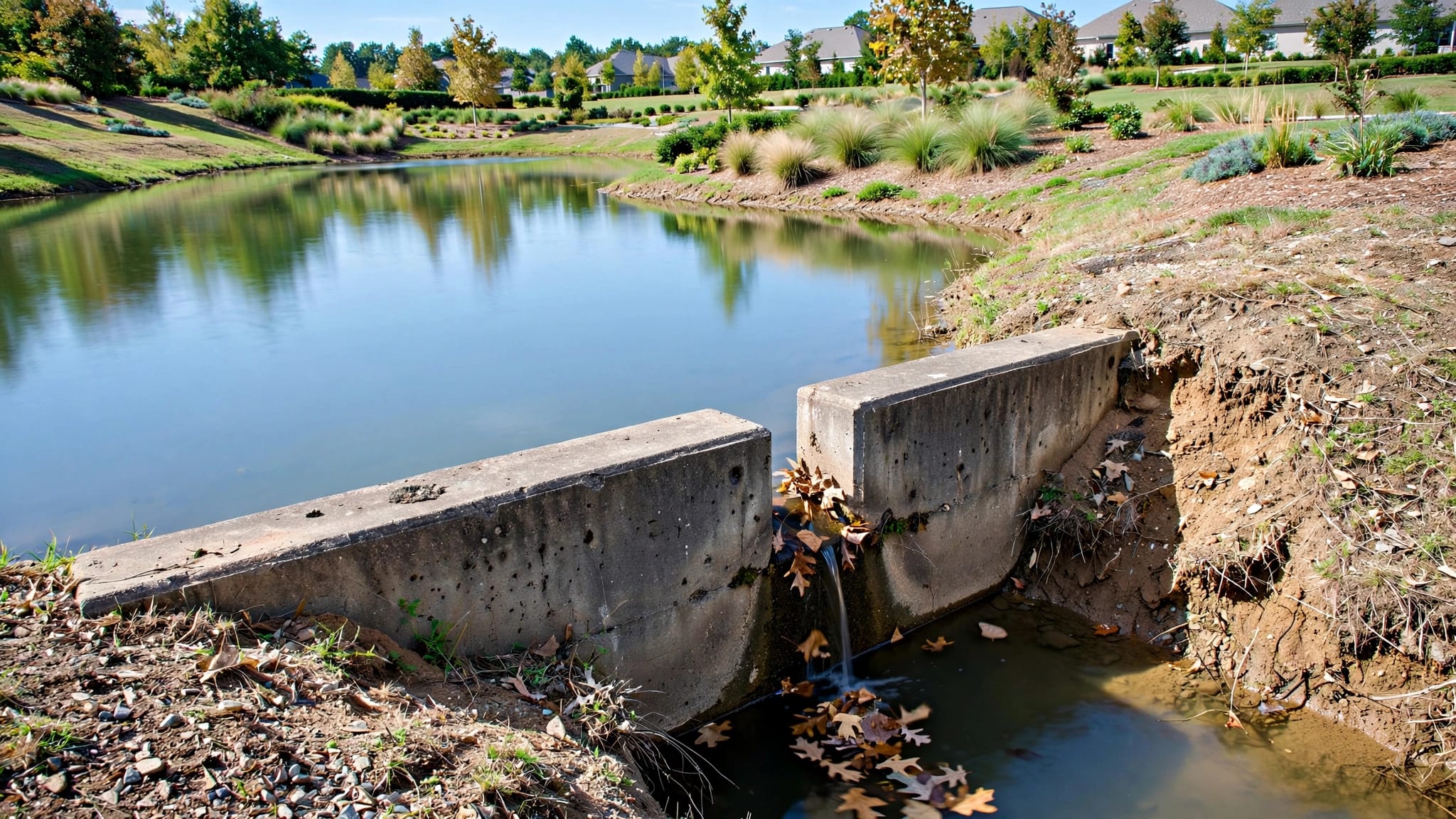
- You see runoff, erosion, or heavy debris near the water
- The pond changes from one season to the next without a clear pattern
For HOAs and golf communities, the right contractor should know Florida water conditions and local compliance rules. Seabreeze Lake Maintenance works on retention ponds and lakes in gated communities, commercial properties, golf courses, and residential properties across Southwest Florida. The company holds Commercial Applicator License #CM28291 and State-Licensed Specialty Contractor #SCC131152136.
That matters because treatment should fit the site and the rules that apply to it.
If your lake needs a closer look, Get a Free Quote and schedule a lake inspection before the next growth cycle takes hold.
The right fix starts with a clear ID
Duckweed and algae can look similar from a distance, but they do different damage and need different care. Duckweed forms a floating plant layer, while algae can show up as film, stringy mats, or cloudy blooms.
For Florida HOA lakes, the smartest move is to identify the growth, cut off the nutrient source, and keep the water moving. When the cause is clear, the lake is easier to manage, and the community gets a cleaner view year-round.
Recent Posts