Florida HOA Lake Hurricane Season Checklist That Protects Property
A storm can turn a calm lake into a costly problem in one night. For HOAs, golf courses, and gated communities, the real risk is not only flooding. It is clogged drains, broken circulation, eroded shorelines, and debris that keeps causing trouble after the wind stops.
This Florida HOA hurricane checklist is built for retention ponds and lakes in multi-lake properties, not koi ponds. It focuses on what boards, managers, and lake vendors need to review before the first tropical watch, and what to inspect after the weather passes.
A little preparation now can save a lot of cleanup later.
Start with the lake systems that move water
The first part of hurricane prep is simple. Check the parts of the system that keep water moving. If a drain is half blocked in May, it can become a full problem in August.
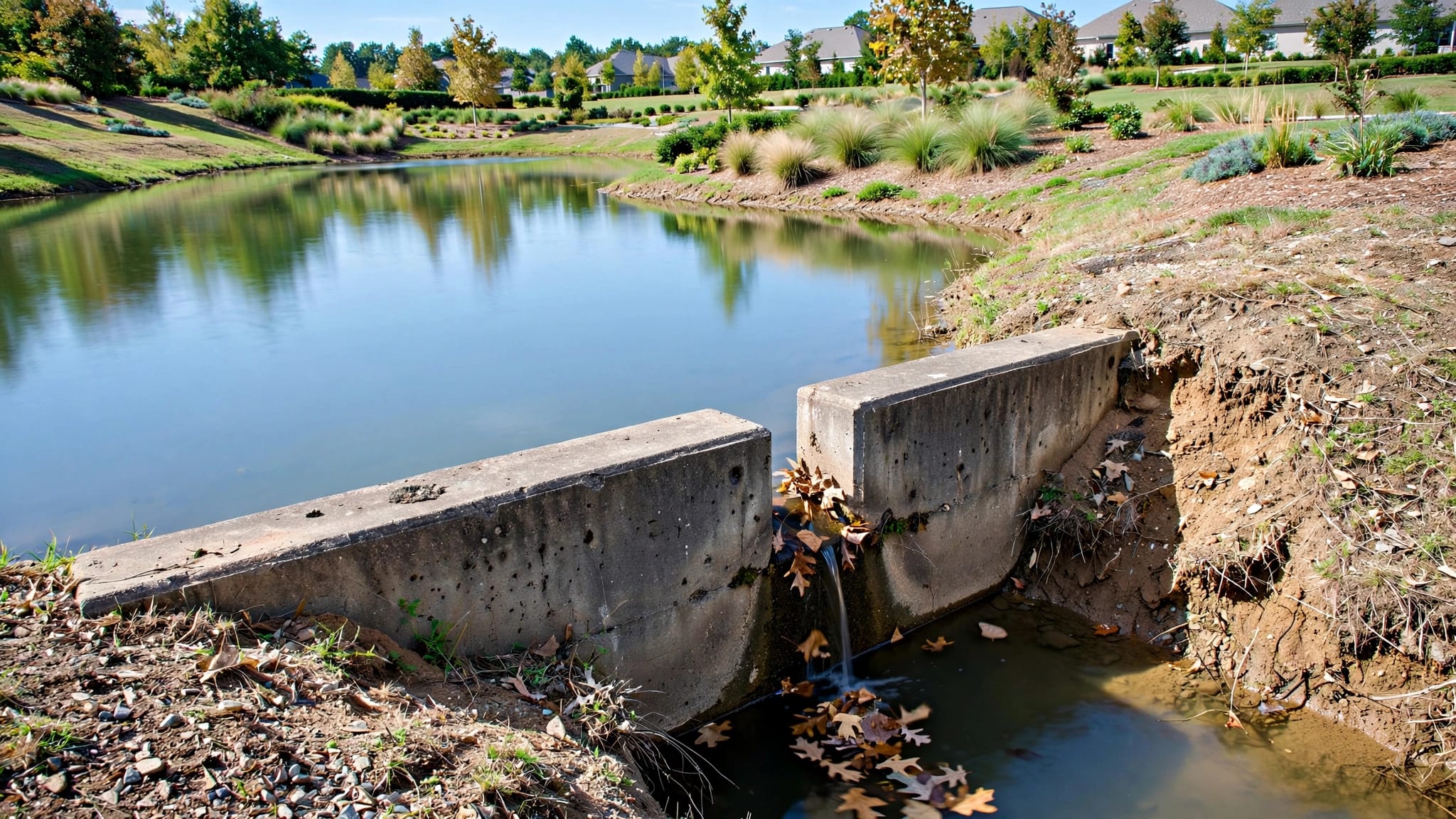
Look at inlets, outlets, overflow structures, pump stations, aeration systems, and any electrical gear tied to the lake. Loose cords, rust, low water flow, and strange noises are warning signs. A system that already struggles in calm weather will have a harder time during heavy rain.
Walk the site before the season peaks. Check the edges of the lake, the bank lines, and any low spots where runoff collects. If you see standing debris, stuck vegetation, or a weak flow path, treat it as a fix, not a note for later. That small issue can become the reason a lake overtops its bank.
A lake does not need a direct hit to create a mess. A few inches of extra rain and strong wind can do enough damage.
Communities with multiple lakes need a system-wide view. One blocked outfall can push water into another pond, which creates a chain reaction. That is why every lake should be checked as part of one plan, not as a separate task on a loose list.
Clear the shoreline before wind and rain arrive
Strong wind turns loose material into debris fast. Tree limbs, mulch, trash, irrigation parts, and even small landscape items can end up in the water. Once they get there, they can clog grates, foul pumps, and spread across the shoreline.
Start with anything that can break loose. Trim dead branches that hang over the water. Remove fallen limbs, loose signs, empty pots, and construction scraps near the edge. Then inspect the shoreline itself. If erosion has already started, fix it before storm season gets worse. A weak bank rarely gets stronger after heavy rain.
Keep in mind that the goal is not to strip the shoreline bare. Healthy banks need some cover. What you want to remove is the material most likely to float away or block circulation. That includes dead vegetation, loose trash, and anything sitting where runoff can pull it into the lake.
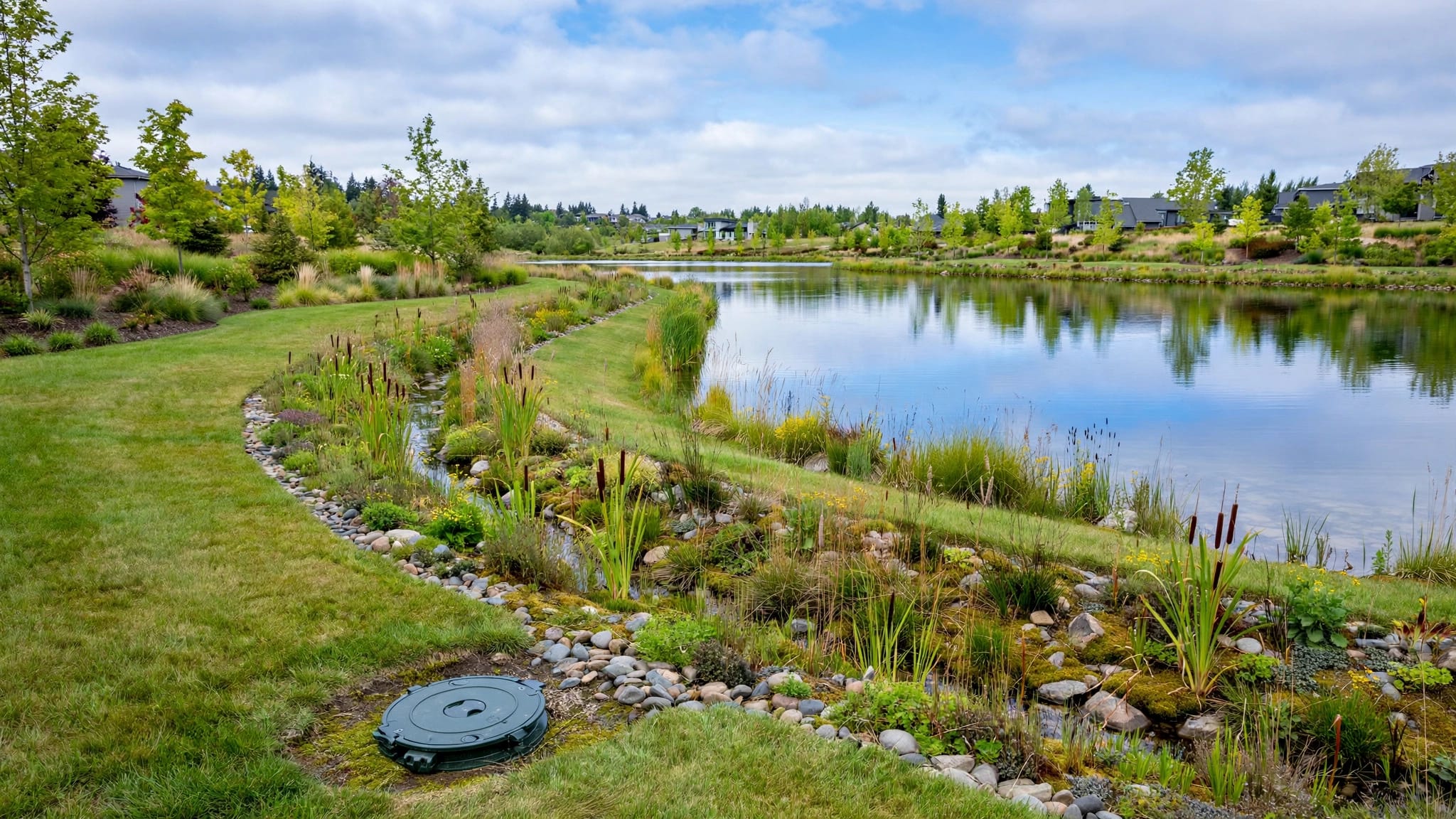
This is also the time to look at shoreline stabilization . If a bank is washing out, each storm can make the loss bigger. A community that waits too long often ends up paying for deeper repairs instead of simple maintenance.
Debris control matters for more than appearance. It also protects water quality. Floating debris breaks down, adds nutrients, and can feed algae growth after the rain ends.
Put the checklist in the hands of the board and manager
A good hurricane checklist only works if people can use it quickly. That means the board, property manager, and lake vendor need the same plan and the same records. When the weather turns, nobody has time to sort through old emails.
A written list also helps with insurance questions and repair decisions later. Photos taken before the storm show what was already there. Notes about water level, bank condition, and equipment status make it easier to spot new damage.
Use a simple format that people will actually follow.
| Task | Why it matters | When to review |
|---|---|---|
| Inspect inlets, outlets, and pump areas | Keeps water moving during heavy rain | Before storm season and after major rain |
| Photograph shorelines and equipment | Creates a clean before record | Early season and before a named storm |
| Confirm vendor contacts and site access | Saves time when roads and gates are busy | Before hurricane watches begin |
| Review emergency steps for power and cleanup | Reduces delays and confusion | Each season and after staff changes |
This kind of record keeps everyone on the same page. It also gives the lake contractor a clear starting point if service is needed fast.
If your community needs licensed support, Seabreeze Lake Maintenance holds Commercial Applicator License #CM28291 and State-Licensed Specialty Contractor #SCC131152136 . That matters when the work involves treatment, repair, or shoreline issues that need trained hands.
Watch for algae, runoff, and circulation problems
Heavy rain does more than fill a lake. It also stirs up nutrients, washes in dirt, and slows circulation in corners that already had poor flow. Those conditions can set up algae blooms fast, especially when water stays warm.
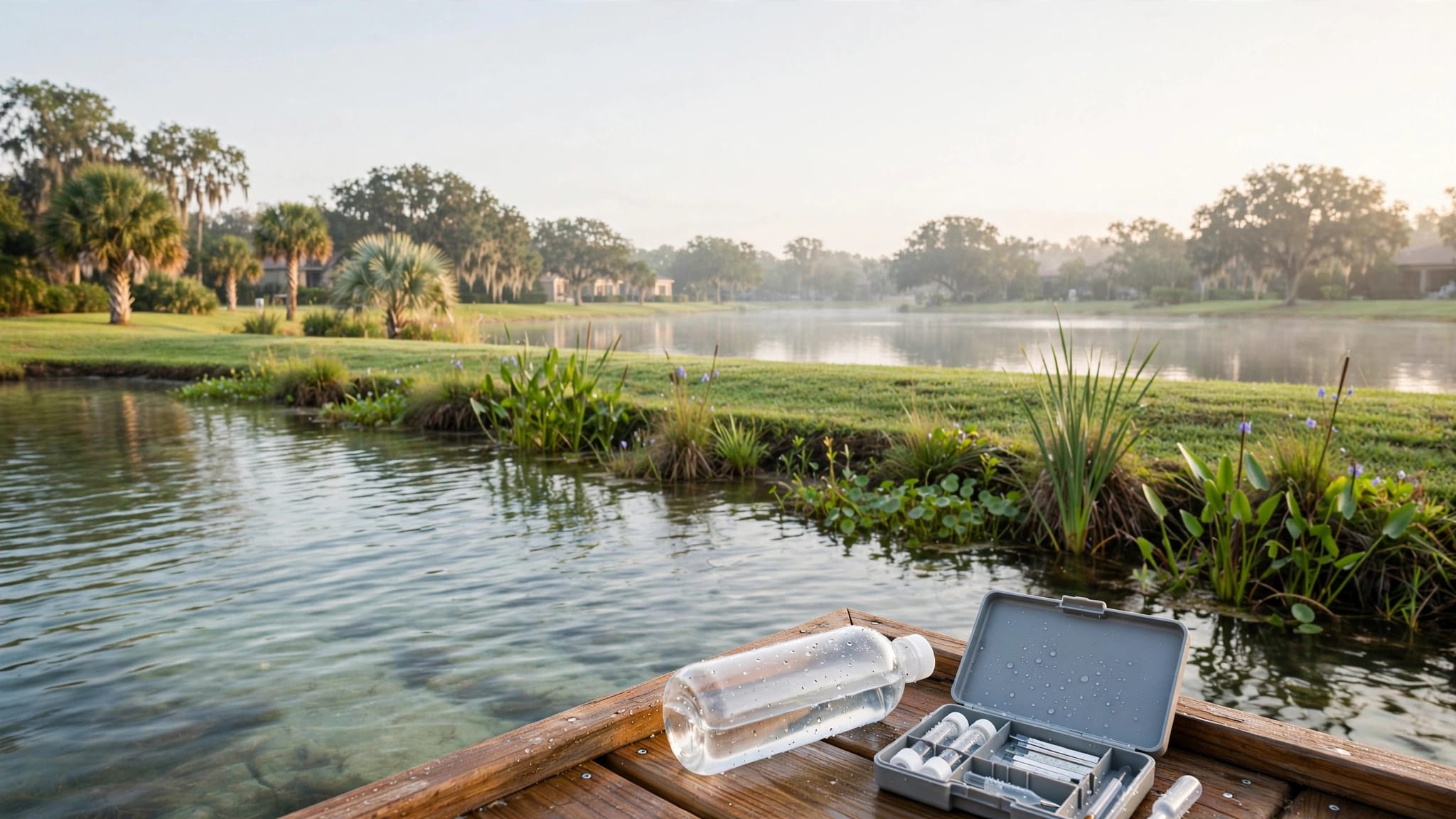
For that reason, a hurricane checklist should include water quality, not only physical damage. Look for green tint, surface scum, bad odor, dead fish, or areas where the water looks still for too long. These signs often show up after a storm because runoff changes the balance in the lake.
Aeration and fountains can help, but they need a clean start. Check them before the season begins, and again after the storm if it is safe to do so. Clogged intakes, damaged lines, or buried equipment can keep the system from doing its job.
Routine maintenance matters here. A lake that gets regular service is easier to recover after a storm than one that has been neglected for months. The same is true for algae control and debris removal. A clean system is faster to inspect and easier to restore.
For HOAs and golf communities, that can protect more than the lake itself. It also helps keep views open, reduces odors, and cuts down on complaints from residents and guests.
Use the first 24 hours after landfall well
Once the storm has passed, move fast but safely. The first day matters because damage is easiest to see before debris shifts and water settles.
- Walk the perimeter and take photos from the same angles you used before the storm.
- Check for blocked inlets, clogged drains, fallen limbs, and floating debris.
- Look at banks, riprap, and low edges for fresh erosion or exposed soil.
- Note changes in water level, color, odor, and any dead vegetation or fish.
Do not wait for the water to clear before you document the site. Mud and floating trash can hide a fresh cut in the bank. A fast inspection also helps you decide what needs immediate cleanup and what can wait for a scheduled visit.
If the storm left behind more than a light mess, schedule a professional inspection right away. Get a Free Quote for a lake inspection and a cleanup plan that fits your property.
Conclusion
A strong Florida HOA hurricane checklist is really a plan for keeping water moving, shorelines holding, and records clear. That approach works better than reacting after the first overflow or the first algae bloom.
If you check the systems early, protect the banks, and inspect the lakes quickly after landfall, your community has a much better shot at avoiding bigger repairs. Calm water before the storm is nice. Prepared water management is what protects the property.
Recent Posts