Why Florida HOA Lakes Turn Tea-Colored Water
A Florida HOA lake that looks like iced tea can catch people off guard. Is it dirty? Is algae taking over? In many cases, the color comes from natural tannins, not a sudden water crisis.
That said, tea-colored water in shared lakes still tells a story. It often points to runoff, decaying plant matter, low oxygen, or a mix of all three. In retention ponds, gated communities, golf courses, and other multi-lake properties, that story matters because the same conditions can grow into bigger problems.
What tea-colored water means in a Florida HOA lake
Tea-colored water is usually stained water. The color comes from organic material breaking down and releasing tannins into the lake. Leaves, grass clippings, mulch, roots, and wet soil can all feed that process.
The stain can look light amber, dark brown, or reddish brown. It may be more obvious after rain, storms, or heavy landscape cleanup near the shoreline. The water can still be clear enough to see below the surface, which confuses many residents.
A quick comparison helps separate staining from an algae bloom.
| Sign | Tea-colored water | Algae bloom |
|---|---|---|
| Color | Amber, brown, or stained | Green, blue-green, or pea-soup look |
| Cause | Tannins and decaying organic matter | Excess nutrients and fast algae growth |
| Smell | Often mild or earthy | Can be musty, sour, or strong |
| Surface look | Usually no slick mats | Floating scum or thick surface growth |
Tea color often comes from natural staining, but color alone does not tell the whole story.
If the lake looks like stained water instead of a green bloom, tannins are often the first thing to check. Still, the source of the stain matters because it can keep returning if the shoreline, runoff, or sediment problem stays in place.
Why Florida HOA lakes stain so fast
Florida gives organic material plenty of help. Warm weather speeds up decay, and long wet seasons wash loose debris into the water. That means small problems build faster than they do in cooler places.
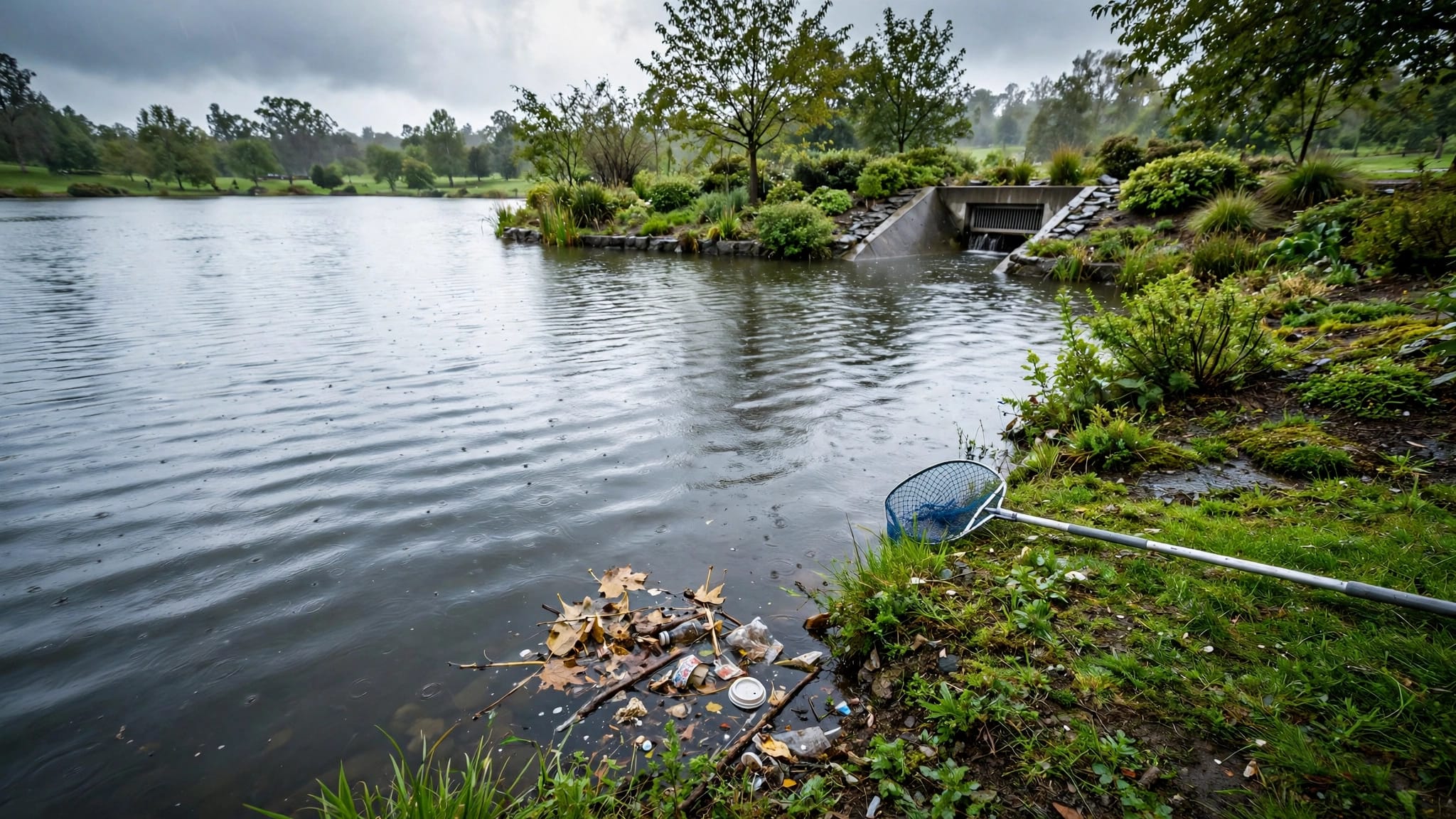
Leaves are a common source, even in communities that look neat from the street. Wind moves plant debris into basins and coves. Once it settles, the material starts to break down and release color into the water.
Stormwater runoff is another big driver. Water from roofs, sidewalks, driveways, and landscape beds often flows toward community lakes. If that runoff carries mulch, soil, fertilizer, or grass clippings, the lake gets a steady dose of organic load.
Shallow edges make the problem worse. Water in shallow zones warms up faster and stirs more easily. As a result, bottom material can break down and release more stain into the water column.
Florida HOA lakes also deal with repeated disturbance from storms and maintenance activity. Strong wind can push debris into one area, then heavy rain spreads it across the shoreline. Over time, the lake starts to look less like open water and more like a stained basin.
These are common patterns in retention ponds and amenity lakes. They show up in neighborhoods, golf communities, and mixed-use properties where one lake feeds into another.
Florida weather makes the color appear faster
Rain, heat, and sun create a fast cycle. Organic matter falls in, breaks down, and colors the water before anyone has time to notice. That cycle can repeat all year.
During the rainy season, runoff carries more material into the lake. After dry stretches, the first hard rain often washes months of buildup off nearby land. Then the stain can show up all at once.
Heat also speeds up decay. A leaf that might break down slowly up north can tint a Florida lake much faster. Add in low circulation, and the color can spread through the pond instead of staying near the edge.
Wind matters too. It pushes floating debris toward one shoreline, and it can stir the bottom in shallow areas. That movement releases trapped color and fine sediment.
In some cases, the lake is not stained by a single event. It is stained by a long list of small ones, a few leaves here, a bit of soil there, then another rainstorm. That slow drip is what makes community lakes look darker over time.
When the water also has poor circulation, the color may linger longer than residents expect. In lakes where oxygen is low, lake and pond aeration systems can help keep the water moving and support better conditions over time.
When the color is harmless and when it needs attention
Tea-colored water is not always an emergency. If the lake smells normal, the shoreline is clean, and fish are active, the stain may be mostly cosmetic. In many Florida HOA lakes, that kind of color comes and goes with weather and seasonal leaf drop.
The problem is that color can hide other issues. A darker lake may still have low oxygen, heavy sediment, or excess nutrients. Those conditions can fuel algae later, even if the water looks calm today.
Watch for a few warning signs:
- A strong odor near the water or shoreline
- Fish gasping at the surface
- Thick muck along the edge
- Floating debris that keeps collecting in one spot
- A sudden change from light stain to dark, cloudy water
These signs point to more than simple tannin staining. They suggest the lake needs a closer look.
Shared lakes need careful handling, and any chemical work should come from a team with Commercial Applicator License #CM28291 and State-Licensed Specialty Contractor #SCC131152136. That matters in HOA settings because the goal is not to treat a symptom and walk away. The goal is to keep the water healthy, safe, and manageable for the long term.
If you're seeing repeated discoloration, Get a Free Quote for a lake inspection before the problem spreads across more of the property.
How to reduce tea color in shared lakes
There is no single fix for stained lake water. The right plan depends on what is feeding the stain in the first place.
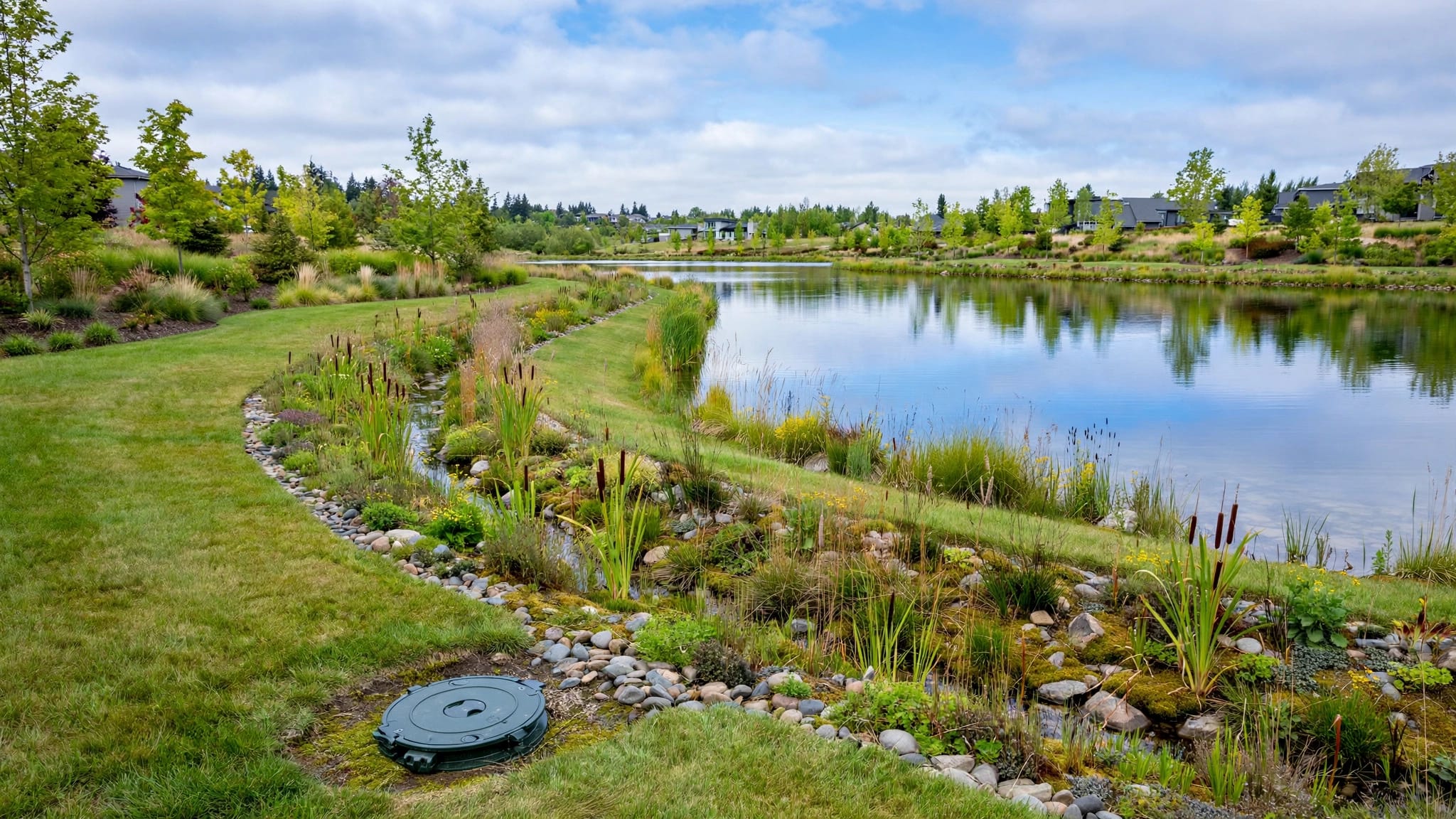
Good lake care often starts at the shoreline. If leaves, clippings, and mulch are washing in, the lake will keep staining no matter how often it gets cleaned. That is why shoreline cleanup, debris removal, and erosion control are so important.
Sediment control matters too. When soil and muck build up in shallow water, they hold nutrients and organic matter. That material can keep releasing color long after a rain event ends. In some lakes, a targeted cleanup or shoreline repair can make a visible difference.
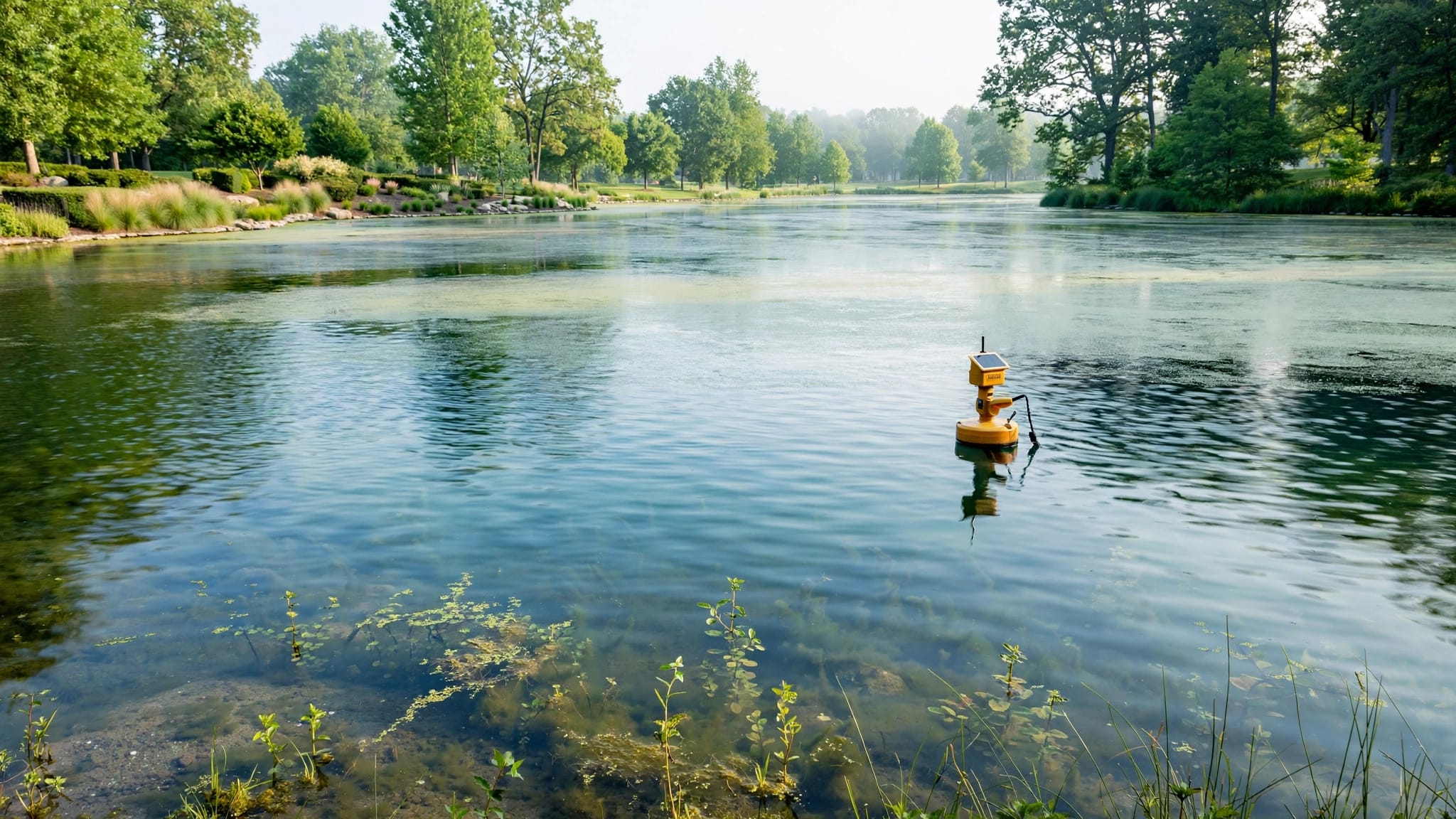
Routine monitoring also helps. A lake that gets checked often is easier to manage than one that gets attention only after residents complain. Water clarity, odor, shoreline condition, and plant growth all tell part of the story.
Some properties also benefit from a steady maintenance plan that includes:
- shoreline stabilization where banks are washing out
- aquatic weed control when plants are feeding the problem
- debris removal after storms and wind events
- water quality checks to spot changes early
- aeration where low circulation is part of the issue
When those pieces work together, the lake has a better chance of staying clear enough for residents and guests to enjoy. That matters in communities where the water is part of the view, the value, and the first impression.
Conclusion
Tea-colored water in Florida HOA lakes usually starts with natural organic matter, but it rarely stays a simple color issue for long. Rain, heat, runoff, and decaying shoreline debris all feed the stain, especially in shared lakes that see constant exposure.
The key is to tell the difference between harmless staining and a lake that is sliding toward a bigger problem. When the color keeps returning, the smell changes, or the shoreline keeps feeding debris into the water, the lake needs attention.
A stained lake is often sending an early warning. The sooner that message gets noticed, the easier it is to protect the water, the shoreline, and the property around it.
Recent Posts