Aquatic Weed Monitoring for Multi-Lake HOAs
A small patch of floating weeds near one outlet can become a community-wide maintenance issue after a few heavy rains. Aquatic weed monitoring gives HOA boards, golf course managers, and property teams a clear view of where vegetation is growing, how quickly it is spreading, and which lakes need attention first.
For retention ponds and lakes, appearance is only part of the concern. Dense weeds can restrict drainage structures, hide shoreline erosion, interfere with aeration, and create resident complaints. A consistent tracking program turns scattered observations into useful decisions.
Start With a Complete Lake Inventory
Multi-lake properties need more than a list of pond names. Each water body should have its own profile, inspection history, and map reference. This prevents a problem in Lake 4 from getting mixed into notes for Lake 5.
Give every basin a simple, permanent identification number. Include its common name, location, approximate size, shoreline access points, outfalls, culverts, fountains, aerators, and connections to other water bodies.
Record each lake's role on the property
A decorative entrance lake needs a different appearance standard than a stormwater pond behind homes. Likewise, a golf course water hazard may have irrigation, playability, and wildlife considerations.
Document the main function of each basin:
- Stormwater storage and drainage
- Visual amenity near homes, gates, or clubhouses
- Golf course irrigation or water hazard
- Wildlife habitat or planted littoral shelf
- Connected conveyance pond between larger lakes
These roles help managers set realistic vegetation thresholds. A few native shoreline plants may be appropriate in one area, while floating mats near an outlet require a quick response.
Establish a photo baseline before problems grow
Take photographs at the same fixed locations around every lake. Useful viewpoints include inlet pipes, outlet structures, shoreline corners, fountain zones, docks, and common-area paths.
Capture wide shoreline views and close images of suspected plants. Label each image with the lake number, date, direction, and location. Baseline photos make it easier to distinguish a new infestation from a recurring seasonal patch.
A lake can look healthy from one shoreline while weeds build up around an inlet on the opposite side.
Map Aquatic Weed Monitoring by Zone
Large lakes rarely have uniform conditions. Wind, nutrient runoff, shallow shelves, and water flow often concentrate weeds in predictable places. Dividing each lake into zones makes aquatic weed monitoring more accurate and easier to review.
Use a simple aerial image, site plan, or GIS map. Mark the shoreline in manageable sections, such as north bank, south bank, inlet cove, outlet channel, littoral shelf, and open-water area.
Use coverage categories that board members understand
Plant coverage does not need a complicated scoring system. A repeatable category gives the board a practical way to compare changes between visits.
| Coverage level | Field description | Management response |
|---|---|---|
| Trace | Isolated plants or a small patch | Identify and watch closely |
| Light | Less than 10% of the zone | Schedule spot control if spreading |
| Moderate | About 10% to 30% of the zone | Plan treatment and follow-up |
| Heavy | More than 30% of the zone or blocked access | Prioritize corrective work |
The percentage is an estimate, not a survey-grade measurement. Consistency matters more than false precision. A manager who uses the same zone boundaries and categories every month can see when coverage moves from light to moderate.
Separate plant types in every report
"Lake weeds" is too broad for treatment decisions. Hydrilla, water hyacinth, torpedo grass, cattails, duckweed, filamentous algae, and beneficial littoral plants behave differently.
Field reports should identify the plant when possible and note whether it is submerged, floating, emergent, or growing along the bank. If identification is uncertain, photographs allow a qualified applicator to confirm the species before treatment.
Inspect Often Enough to Catch Change
A yearly walk around the shoreline creates a record, but it does not control a changing lake system. Florida heat, summer rainfall, fertilizer runoff, and shifting water levels can speed up plant and algae growth.
Most stable community lakes benefit from monthly inspections. Properties with active infestations, recurring algae, connected ponds, or drainage concerns often need biweekly checks during the wet season.
Increase inspections after weather events
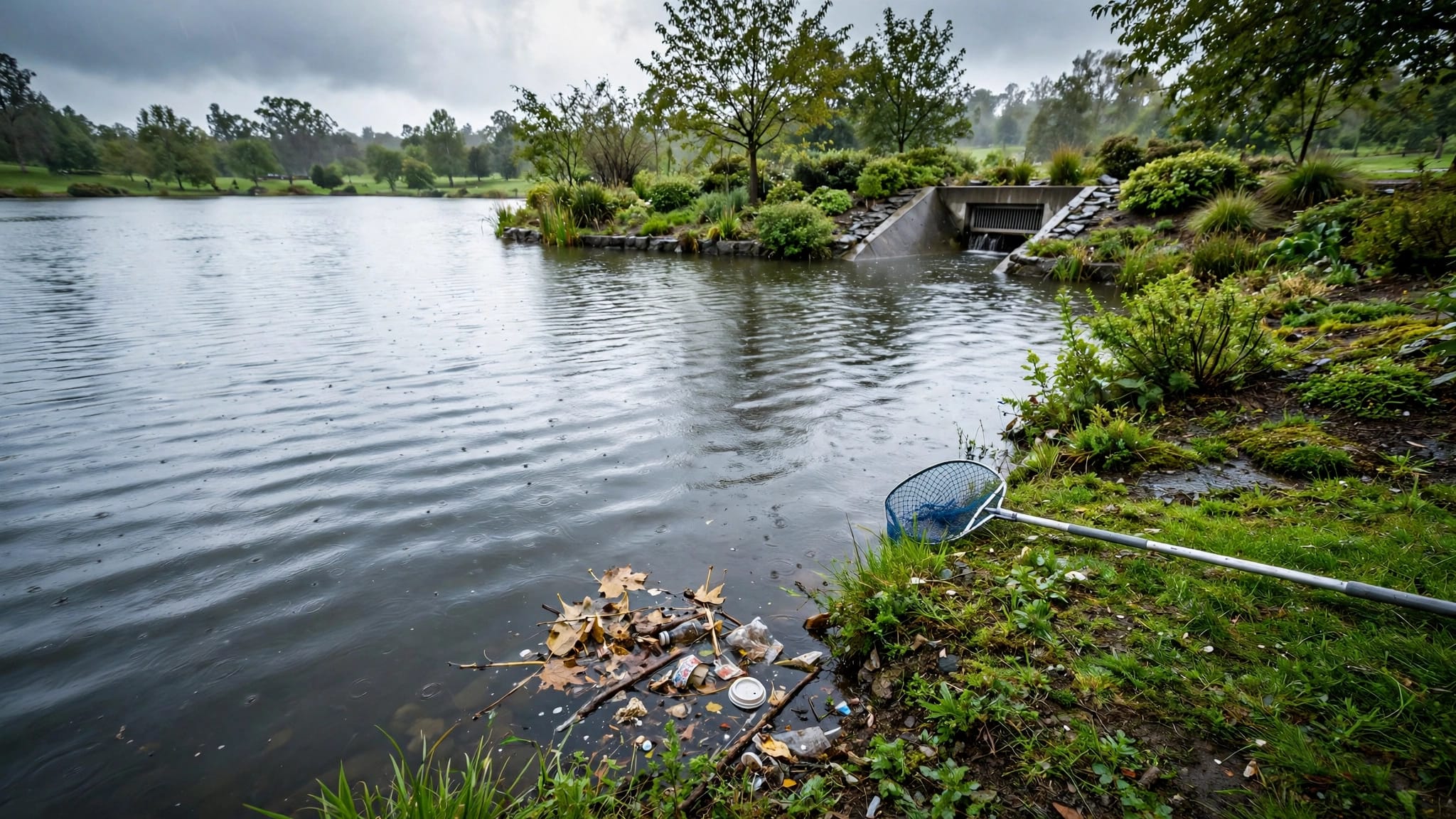
Heavy rain can move fragments, nutrients, floating vegetation, and debris through culverts. Strong wind may also push hyacinth, duckweed, or algae mats into one corner overnight.
After a major storm, inspect outlets, weirs, inlet structures, and low shoreline areas. Compare current conditions with the prior visit rather than relying on memory. For guidance on service intervals, review how often HOA lakes need service.
Track conditions that explain weed growth
Coverage numbers mean more when paired with field conditions. Each visit should include water level, visible flow, water color, surface scum, debris accumulation, recent rain, and shoreline disturbance.
For example, a sudden increase in floating plants near a culvert may point to upstream movement rather than new growth in that lake. Meanwhile, repeated algae along a fertilized turf edge may call for a water-quality review.
Watch How Water Connects Each Lake
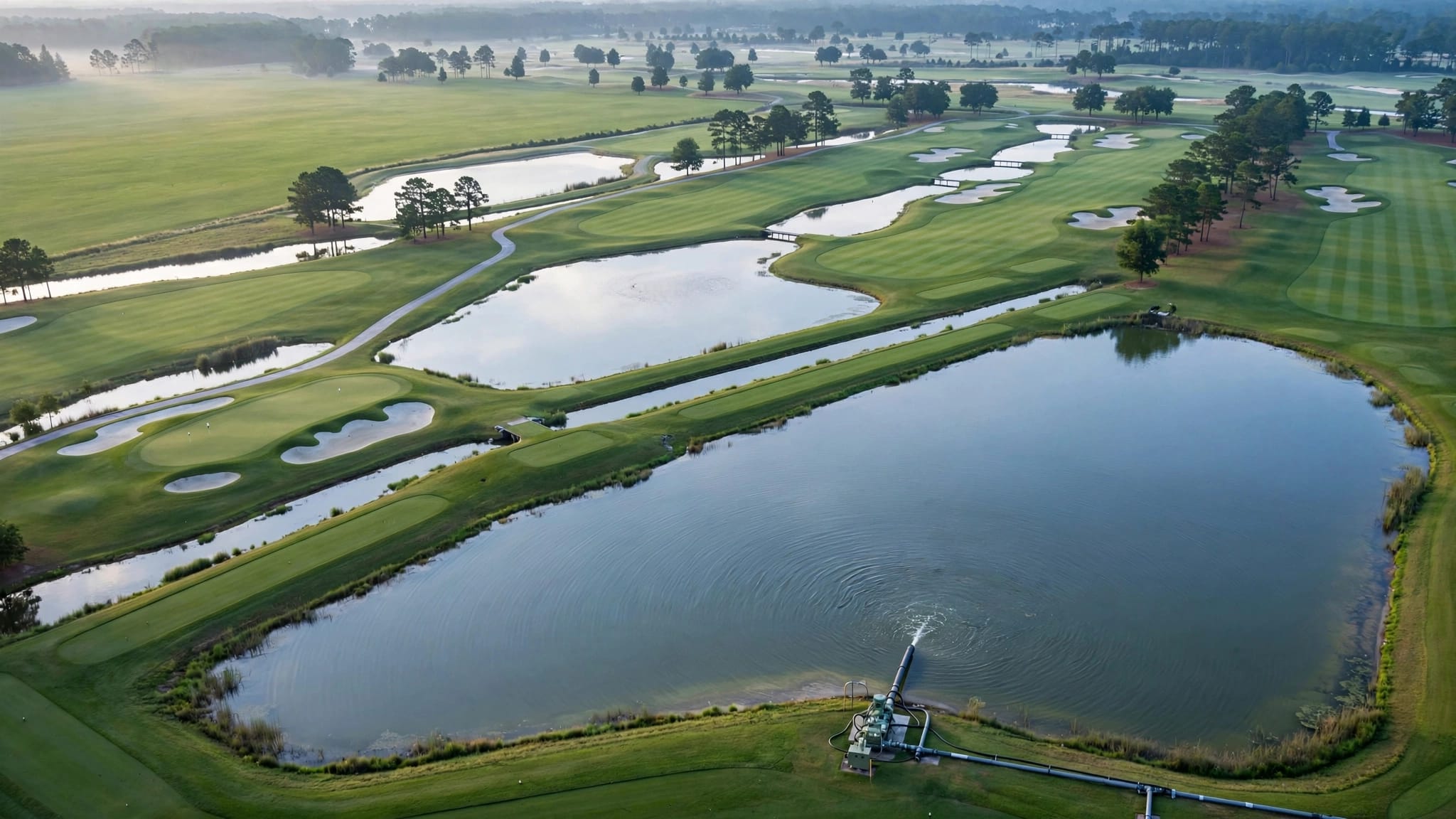
A multi-lake HOA is often one connected water system, even when ponds sit behind separate neighborhoods. Culverts, overflow structures, swales, and weirs move water and plant fragments between basins.
That connection changes the order of operations. Treating the most visible lake first may leave an upstream source untouched. New fragments can then re-enter the treated water body after the next rain.
Find upstream sources before scheduling treatment
Map water flow direction during normal and high-water conditions. Mark every pipe, culvert, ditch, and emergency overflow route. Then compare weed coverage across the system.
If the same floating plant appears first in the upstream basin, start there when practical. This approach reduces repeat work and gives the property a better chance of containing the spread. Learn more about managing weeds across multi-lake communities.
Inspect culverts and outlet structures
A blocked culvert can trap vegetation, change water levels, and create stagnant pockets where algae thrives. On the other hand, fast flow through a structure can carry fragments into the next pond.
Note whether vegetation is collecting at grates, weirs, trash racks, or pipe mouths. Also record sediment buildup, erosion, and damaged banks nearby. Weir and culvert maintenance for community lakes belongs in the same maintenance conversation as weed control.
Turn Field Notes Into Treatment Priorities
Aquatic weed monitoring should guide action, not produce reports that sit unread in a shared folder. Each inspection needs a clear recommendation, responsible party, and target date.
Prioritize conditions that threaten flow, safety, property appearance, or plant spread. A small patch beside an outlet may deserve faster attention than a larger patch in a contained shoreline area.
Match treatment to the plant and location
The product and method should fit the identified plant, its growth stage, water use, and extent of coverage. Contact herbicides can act quickly on exposed foliage, while systemic products move within certain plants and may offer more complete root control.
Treatment also needs to consider oxygen demand. Large areas of decaying vegetation can affect water quality, so a qualified applicator may divide work into sections instead of treating every dense area at once. Review systemic versus contact herbicides for lake weeds before assuming one product fits every situation.
Address the conditions behind repeat growth
Repeated weed or algae problems often point to more than a missed treatment. Nutrient-rich runoff, shallow water, poor circulation, debris, failing aeration, exposed sediment, and eroding shorelines can all support recurring growth.
For instance, high phosphorus can feed algae and make plant management harder. Property teams should inspect drains, turf practices, bare banks, and stagnant coves alongside vegetation coverage. Treating the visible material without addressing the source often creates a cycle of repeat complaints.
Build a Record the Board Can Use
Clear records protect continuity when board members, managers, or vendors change. They also help answer resident questions with facts rather than guesswork.
Keep one shared record for every inspection, treatment, and follow-up visit. The file should identify the lake, zone, plant type, estimated coverage, photos, weather conditions, corrective action, and next inspection date.
Verify results after treatment
Do not judge a treatment by water color alone. Some products need time, and weather may affect how quickly plants decline. Inspect each treated zone according to the product label and site conditions.
Compare post-treatment photos to baseline images. Look for reduced target-plant coverage, new fragments at structures, debris, fish stress, algae response, and access concerns. A post-treatment lake inspection checklist keeps that review consistent across every basin.
Use licensed professionals for regulated work
Aquatic herbicide applications in Florida require the right expertise, label compliance, and site-specific judgment. A professional contractor can identify plants, choose appropriate treatment areas, post notices when required, and maintain treatment records.
Seabreeze Lake Maintenance operates under Commercial Applicator License #CM28291 and State-Licensed Specialty Contractor #SCC131152136. Communities that need a documented inspection plan can Get a Free Lake Health Assessment and discuss their property's water flow, vegetation concerns, and service schedule.
Create a Practical Reporting Routine
A monthly board report should be brief enough to read and detailed enough to guide decisions. Lead with a property-wide status, then identify lakes that need work.
A useful report includes a map, current coverage category, comparison with the prior inspection, photos of priority areas, completed work, and recommended next steps. Keep routine items separate from corrective projects such as shoreline repair or culvert clearing.
Assign each action an owner and due date. This simple step prevents a recurring weed patch from becoming everyone's concern and no one's responsibility.
Final Thoughts
Healthy community lakes do not stay healthy by accident. Aquatic weed monitoring gives multi-lake HOAs a dependable record of coverage, plant movement, water flow, and treatment results.
When every lake has fixed zones, repeat photos, consistent inspections, and documented follow-up, the board can act while a problem is still manageable. That protects drainage function, shoreline appearance, and the long-term condition of the entire property.
Recent Posts