Florida Lake Aeration: Seasonal Operating Changes That Matter
A retention lake can look calm while oxygen levels below the surface are falling. For HOAs, gated communities, and golf courses, Florida lake aeration needs more than a set-it-and-forget-it schedule because heat, rainfall, storms, and cooler weather change how each lake behaves.
The right operating plan protects water quality, supports fish, and helps avoid the odors, algae growth, and resident complaints that often follow poor circulation. Seasonal adjustments should match the lake's depth, shape, nutrient load, and equipment type.
How Florida Lake Aeration Changes With the Weather
Florida's seasons don't follow a northern pattern of frozen winter water and spring thaw. Yet community lakes still face major operating changes through the year. Summer heat reduces the amount of dissolved oxygen water can hold. Heavy rain carries nutrients, sediment, and organic material into retention basins. Winter brings cooler water, lower biological demand, and occasional cold fronts.
Because conditions shift, a fixed timer may waste energy during mild periods or leave a lake under-circulated during stressful ones. Effective Florida lake aeration relies on routine observation and water-quality data, not a calendar alone.
Heat raises oxygen demand
Warm water holds less oxygen than cool water. At the same time, fish, bacteria, algae, and decomposing plant matter use more oxygen in hot conditions. This combination can create oxygen-poor zones near the lake bottom, especially in deeper basins or sheltered coves.
Aeration moves water and improves gas exchange. However, a system must have enough capacity and proper diffuser placement to reach the areas that need it. Weak circulation near a dock, drainage outfall, or dead-end shoreline can become a recurring trouble spot.
Rain changes what enters the lake
Summer rains are useful for water levels, but runoff also changes lake chemistry. Fertilizer, grass clippings, pet waste, sediment, and decaying leaves can add nutrients that feed algae and aquatic weeds.
A lake may need longer aeration run times after repeated storms, especially when runoff leaves water cloudy or produces a sulfur-like odor. Aeration won't remove nutrients by itself, yet it supports the biological processes that break down organic material more safely.
A fountain can improve curb appeal, but its visible spray does not prove that deeper water has adequate oxygen.
Summer Operation: Run Aeration for Peak Stress
Southwest Florida summers place the greatest strain on community lakes. Long periods of heat, intense sun, and frequent afternoon storms can push a stable lake toward algae blooms or low oxygen within days. For many properties, summer calls for the most consistent aeration schedule of the year.
Continuous operation may make sense for some systems, particularly bottom-diffuser systems serving deeper lakes. Other properties may use extended daily schedules based on lake conditions, equipment design, noise limits, and utility costs. The correct choice comes from site conditions, not a generic run-time recommendation.
Watch the hours before sunrise
Dissolved oxygen often reaches its lowest point shortly before sunrise. During daylight, algae and aquatic plants produce oxygen through photosynthesis. After sunset, those same plants and algae consume oxygen.
Cloudy stretches can make the problem worse because photosynthesis drops while nighttime oxygen demand continues. If fish gather near the surface in the early morning, breathe rapidly, or crowd near an operating fountain, the lake needs prompt attention. Review warning signs of low dissolved oxygen before a small issue turns into a fish-loss event.
Pair aeration with algae and debris control
Aeration is one piece of lake maintenance. It cannot solve a nutrient problem caused by runoff, thick muck, or untreated algae. In fact, decomposing algae after a treatment can temporarily increase oxygen demand.
During summer, coordinate aeration with treatment timing, floating debris removal, and shoreline inspections. Check intake screens and electrical components after storms. Also inspect whether plant material has collected around fountains, floats, or diffusers.
A property with several lakes may need different schedules for each basin. A shallow entrance pond, a deep central lake, and a golf course irrigation pond rarely have identical needs.
Wet-Season Storms Call for Extra Equipment Checks
The wet season can interrupt aeration even when the equipment itself is in good condition. Lightning, utility outages, tripped breakers, damaged lines, and storm debris can stop circulation at the worst possible time. A quick visual check after rainfall isn't enough.
Property staff or the lake maintenance provider should confirm that the system is operating as expected. A fountain may still spray while a separate diffuser zone is offline. Likewise, a compressor can run without delivering enough air if tubing, valves, or diffuser assemblies have failed.
Build storm response into the service plan
A useful storm response plan identifies who checks the controls, who reports a power failure, and how the community documents unusual water conditions. Photos from the same shoreline locations can reveal a growing algae mat, floating debris line, or discolored discharge after a storm.
Include these checks after major rainfall or an outage:
- Confirm that pumps, compressors, timers, and electrical controls have power.
- Look for blocked intakes, damaged mooring lines, loose anchors, and debris around surface equipment.
- Record fish activity, odor, water color, and new algae accumulation near outfalls.
- Inspect drainage areas for erosion or sediment moving into the lake.
For multi-lake properties, label equipment and lake zones clearly. That simple step helps maintenance teams identify which unit needs attention without losing time.
Cooler Months Require a Different Aeration Schedule
Florida's cooler months often bring clearer water and lower oxygen demand. Water temperatures decline, fish metabolism slows, and algae growth may ease. Those changes can reduce the need for peak summer run times, but they don't justify shutting a system down without a site review.
Retention ponds still receive leaves, grass debris, runoff, and sediment. In addition, cold fronts can cause wind-driven mixing and rapid temperature changes. Aeration settings should support stable circulation without creating unnecessary operating costs or overmixing a sensitive water column.
Reduce run time based on data, not guesswork
If a lake remains healthy through cooler weather, managers may lower daily run time or shift operating hours. The decision should follow dissolved oxygen readings, water temperature, lake depth, and recent conditions.
Surface observations help, but they cannot show what is happening near the bottom. Dissolved oxygen profiling for community lakes compares readings at different depths and gives boards a stronger basis for seasonal changes.
When oxygen remains low at depth, reducing aeration may be the wrong move. The cause could be poor equipment performance, accumulated organic matter, or nutrient loading that persists through winter.
Use the dry season for maintenance work
Cooler, drier weather often provides a practical window for inspection and repair. Technicians can check compressors, air filters, tubing, manifolds, electrical connections, fountain motors, anchors, and diffuser performance before summer demand returns.
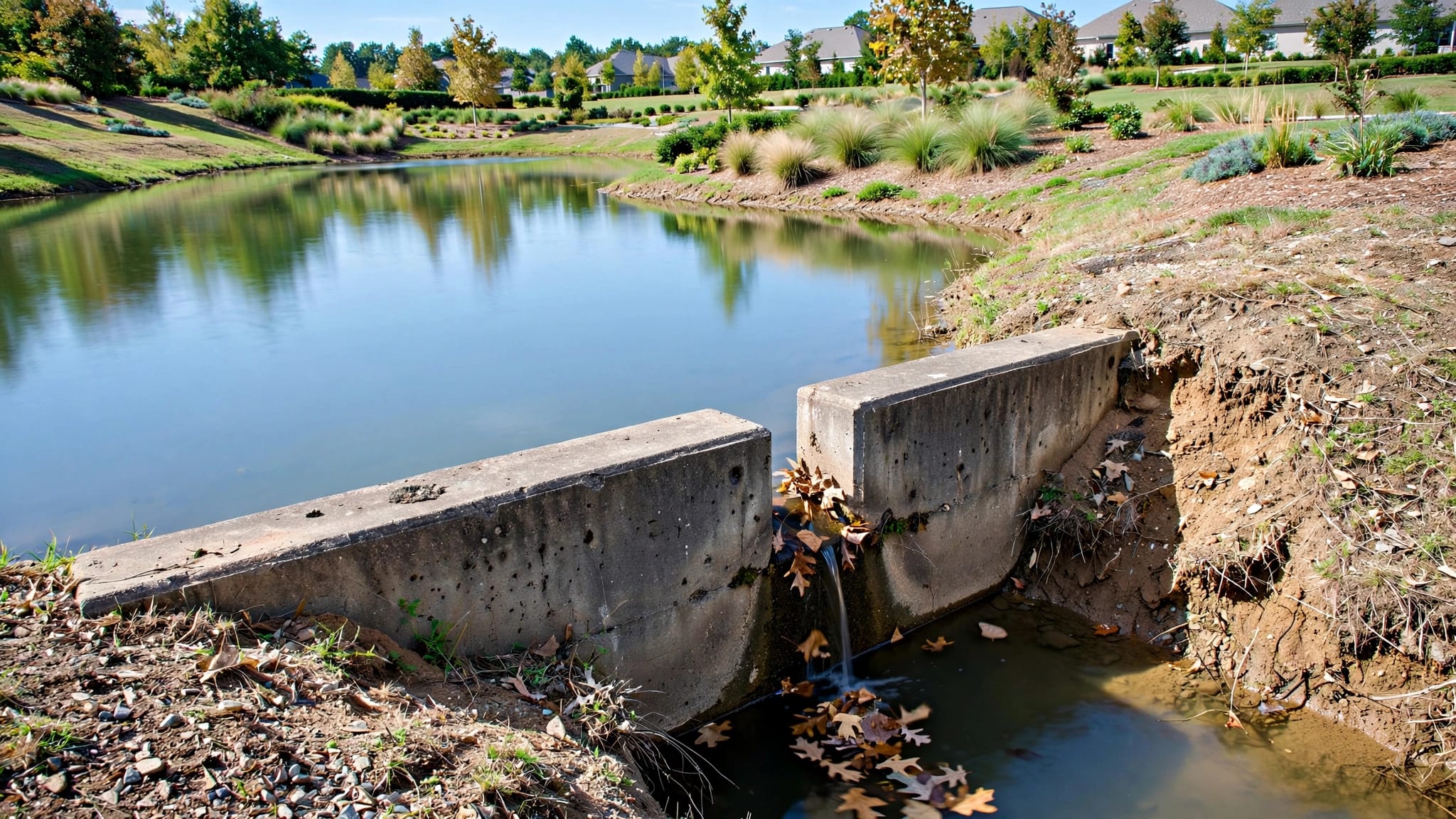
This is also a good time to inspect shorelines. Bare banks, failing littoral shelves, and eroded outfalls can worsen nutrient and sediment problems once summer rains return. Addressing them early protects both water quality and property appearance.
Match Seasonal Settings to the Aeration System
Equipment type affects how a lake should operate through the year. Surface aerators pull water upward and create visible agitation. Bottom-diffuser systems release air near the lakebed, lifting deeper water and encouraging circulation throughout the water column.
Neither option fits every waterbody. The right equipment depends on water depth, basin shape, access to electric service, desired appearance, lake use, and the location of problem areas.
Surface aerators suit visible circulation needs
Surface units can provide strong visible movement and may work well in shallow water or high-visibility locations near entrances and clubhouses. They can also help during periods of immediate surface stress.
However, surface movement doesn't always reach the deepest areas. A lake with recurring bottom-water odor or low dissolved oxygen may need a deeper circulation solution. Compare surface aerators versus bottom diffusers before treating a fountain as the automatic answer.
Bottom diffusers need proper sizing and placement
Bottom-diffuser systems can support deeper-water circulation with less surface disturbance. Yet poor placement, clogged diffusers, undersized compressors, or leaking air lines can limit their value.
Lake geometry matters as much as acreage. Narrow fingers, uneven depths, islands, and separate basins may require more than one aeration zone. Review community lake aeration system sizing before adding equipment or changing run times across a large property.
A system that operated well when installed may need re-evaluation after shoreline changes, sediment buildup, or repeated algae issues.
Track Results and Budget for Seasonal Service
Aeration decisions are easier when boards receive clear records instead of broad assurances. Maintenance reports should show which lakes were inspected, whether equipment operated properly, what water conditions were observed, and what follow-up work is recommended.
For a golf course or a large HOA, this record becomes especially useful when boards change, budgets are reviewed, or residents ask why one lake receives different service than another. Seasonal operating changes should be part of the ongoing management plan, not an emergency response.
Use consistent checkpoints
A practical program includes regular equipment inspections, water observations, and testing after unusual weather. Compare photos, note odors, track algae recurrence, and document fish activity. Over time, those details show whether a reduced winter schedule is working or whether summer equipment capacity falls short.
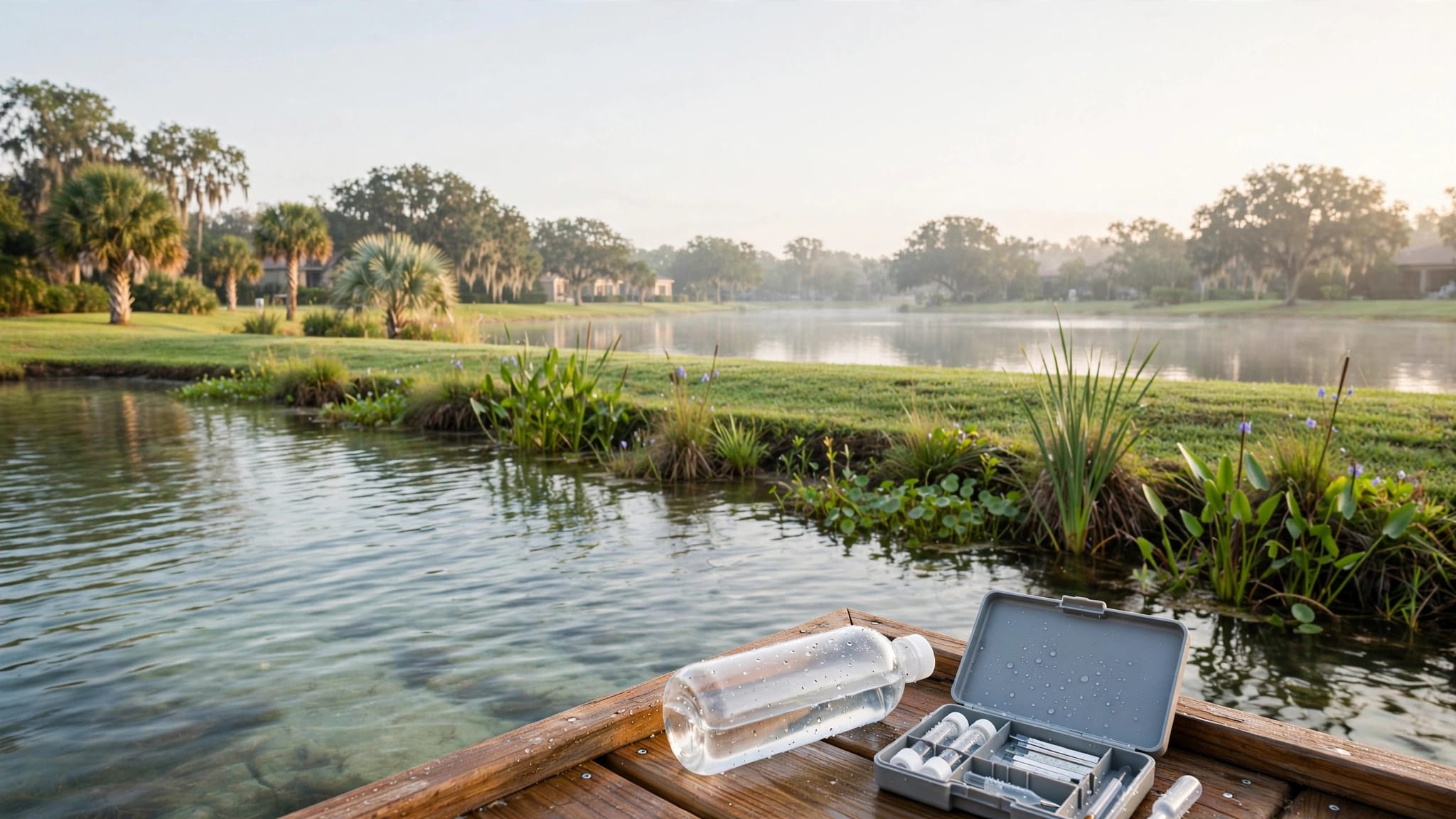
Water testing also helps separate circulation issues from nutrient or sediment problems. Understanding community lake water quality reports can help boards interpret the numbers behind a cloudy or stagnant-looking lake.
Put expectations in the maintenance agreement
A lake contract should explain equipment inspections, storm response, reporting frequency, algae and weed treatment, debris removal, and aeration repair procedures. Communities with several waterbodies should expect a plan that recognizes each lake's function and condition.
Seabreeze Lake Maintenance holds Commercial Applicator License #CM28291 and State-Licensed Specialty Contractor #SCC131152136. Boards that need a seasonal operating review can Get a Free Lake Health Assessment for a closer look at aeration performance, water quality, and lake conditions.
A Seasonal Plan Keeps Community Lakes More Stable
Florida lake aeration works best when operation follows the lake's actual seasonal pressures. Summer heat and storms often require longer, more watchful operation. Cooler months create an opportunity to inspect equipment, assess results, and adjust schedules with care.
A healthy retention lake depends on circulation, water-quality monitoring, runoff control, and regular maintenance. Seasonal attention keeps small warning signs from becoming expensive community-wide problems.
Recent Posts