How to Identify Bulrush in Florida HOA Lakes
An orderly shoreline can become a dense green wall after one wet Florida season. Before an HOA authorizes removal, it needs to know whether those stalks are useful littoral plants or a growing obstruction.
To identify bulrush in Florida HOA lakes , look beyond height and color. Florida bulrush is a common label for several marsh plants, so the right response depends on the plant's traits, location, and effect on the waterbody.
A careful field inspection gives boards and property managers a clear basis for maintenance decisions.
Why a correct plant name matters
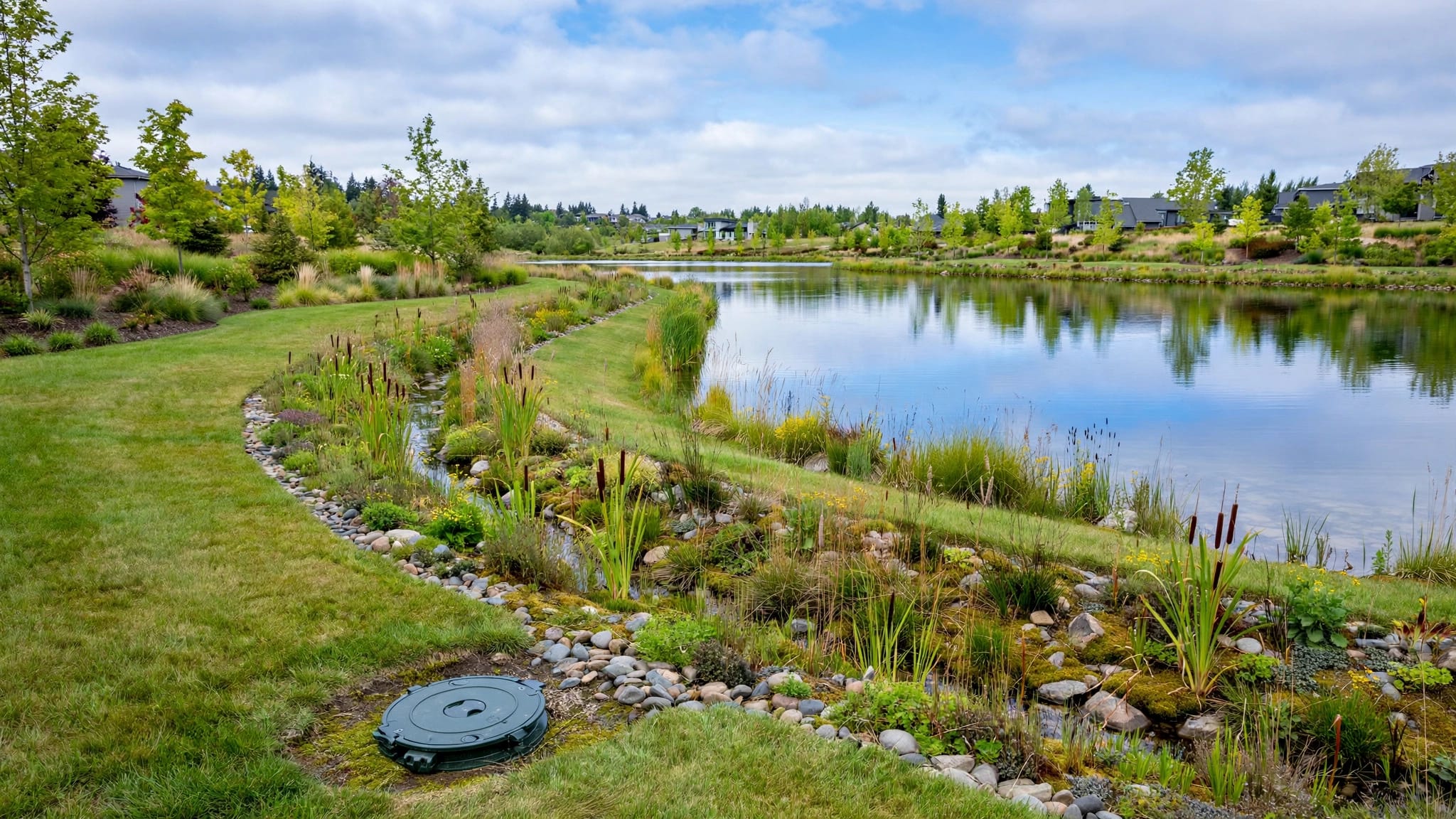
Bulrush is not automatically a problem. In the right place, an established stand can support a planted shoreline, help hold sediment, and soften wave action along an exposed bank.
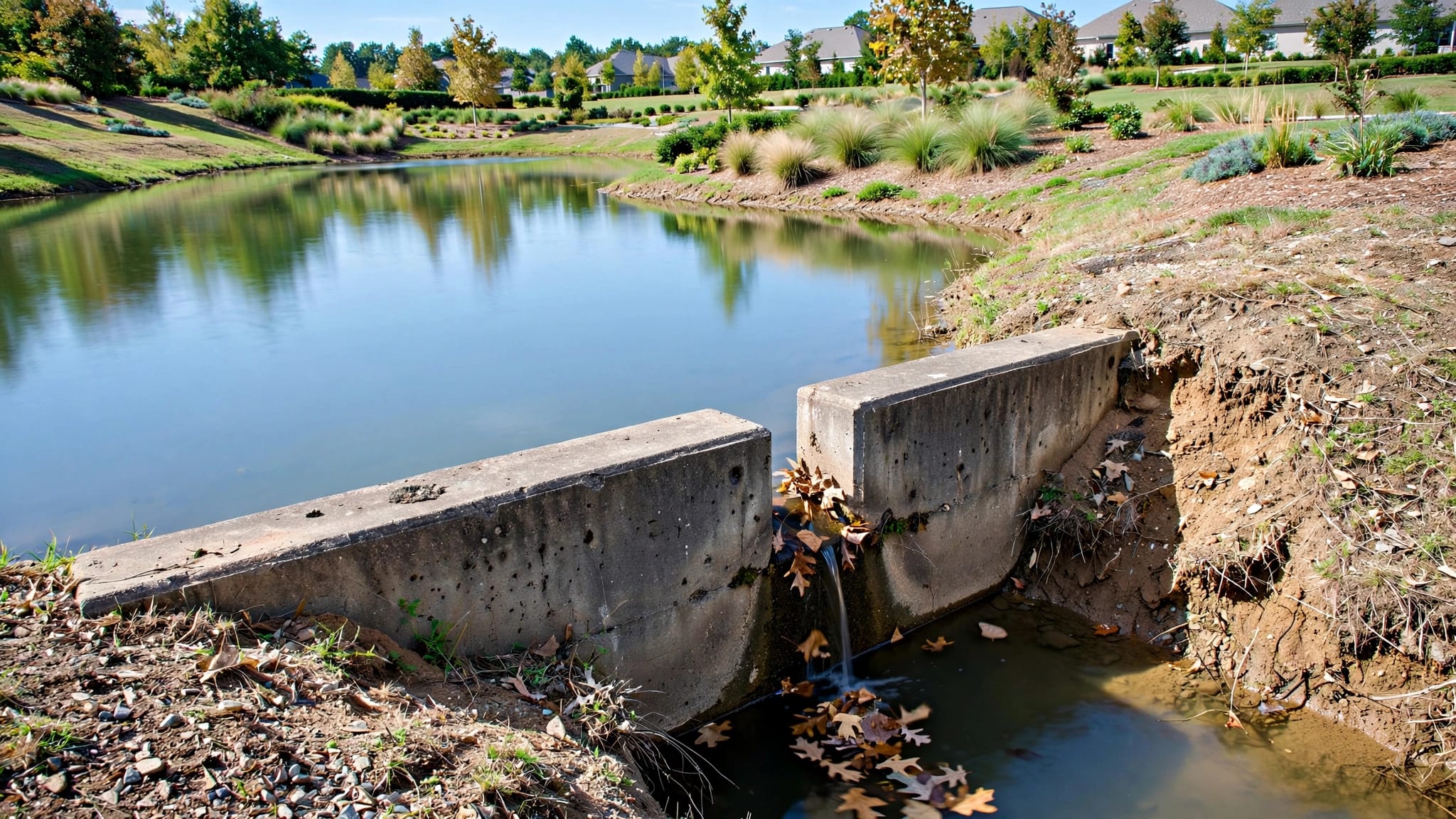
However, a spreading stand can also block stormwater structures, narrow maintenance access, and hide erosion. A retention pond needs clear drainage paths as well as healthy vegetation.
Bulrush is a broad common name
In everyday use, "bulrush" can describe more than one tall, rush-like wetland plant. Many plants called bulrush belong to the sedge family, including species in the Schoenoplectus group, such as softstem bulrush.
That broad label causes trouble when crews treat every upright shoreline plant as the same weed. A confirmed plant identity matters because a desirable sedge on a littoral shelf needs different care than torpedograss creeping toward an inlet.
Location often determines whether it is a concern
A small clump within a designed littoral zone may be doing its job. It can protect a shallow shelf from erosion and give the shoreline a finished appearance.
In contrast, dense growth near a riser, pipe opening, outfall, dock, cart path, or pond edge may need attention. Florida bulrush also needs review when it spreads beyond planned planting limits or makes a bank hard to inspect.
Field signs that identify bulrush in Florida HOA lakes
Bulrushes are emergent plants. Their roots grow in saturated soil or shallow water, while most of the stem rises above the surface. They do not form floating mats like duckweed, water lettuce, or many surface weeds.
Use several traits together rather than relying on one quick look.
Check the stems and growth habit
Many bulrush species have upright, smooth stems that are round or nearly round in cross-section. Softstem bulrush often has few visible leaves along the stem, although leaf-like sheaths may occur near the base.
Look for plants growing in distinct clumps or bands near the waterline. The stems usually rise straight from the sediment, not from a sprawling runner across dry turf. A broad patch can form over time as underground rhizomes extend outward.
Look closely at the flower clusters
During the growing season, bulrushes may produce small brown, tan, or reddish spikelets in loose clusters near the upper stem. On some species, a pointed bract extends above the flower cluster, making the cluster appear slightly below the stem tip.
The following field cues help narrow the identification:
| Feature | Typical bulrush clue | What to record |
|---|---|---|
| Stem | Upright, smooth, often round or nearly round | Stem thickness and height |
| Root zone | Shallow water or saturated shoreline soil | Distance from the normal waterline |
| Flowers | Small clustered spikelets near the top | Flower color and cluster shape |
| Growth pattern | Clumps or expanding shoreline bands | Approximate width and location |
These clues support an initial assessment, but they do not replace a plant identification when treatment is under consideration.
Separate bulrush from common shoreline lookalikes
Several Florida shoreline plants can resemble bulrush from a distance. A photo taken from the parking lot rarely gives enough detail for a treatment decision.
A close visual review from a safe shoreline position prevents a desirable plant from being removed by mistake.
Cattails have broad leaves and a distinct seed head
Cattails grow tall in the same shallow zones as bulrush. Yet their leaves are flat and blade-like, while many bulrushes have rounder, less leafy stems.
The seed head is the clearest difference. Cattails develop a dense brown cylinder that resembles a long cigar. Bulrush flower clusters are smaller and more branched or grouped.
Grasses and ornamental plants need different responses
Torpedograss often forms a low, aggressive fringe with narrow leaves and creeping rhizomes. It spreads differently than a clump-forming bulrush and can move into turf, slopes, and bare shoreline areas.
Planned plantings may also include pickerelweed, duck potato, or other broad-leaved species. A community's native plants for Florida HOA lake shorelines should be reviewed before any broad removal work begins. Planting maps and past maintenance records can show what was intentionally installed.
Where Florida bulrush takes hold in retention ponds
Water depth, sediment, and shoreline grading all affect where bulrush establishes. Most stands appear along shallow shelves, gradual banks, pond corners, and protected areas where wind and wave action are lower.
A pond can look clear in its deeper center while its edges become crowded. That is why shoreline walks matter as much as open-water observations.
Shallow shelves support new shoots
Bulrush needs a rooted base, so it favors shallow margins instead of deep water. A gradual shelf provides enough wet sediment for shoots to develop, especially when water levels remain stable.
After a drawdown or dry period, exposed sediment can also allow vegetation to establish farther out on the shelf. Once normal water levels return, the new stand may appear to be growing directly from the pond.
Rhizomes can expand a stand beyond its original footprint
Many bulrushes spread through underground stems called rhizomes. A small clump can become a wide band without visible seed heads appearing across the entire area.
When you identify bulrush in Florida HOA lakes, map the outer edge of each stand. Include nearby storm drains, pipe structures, aeration equipment, and access points. That record shows whether the plant is stable, shrinking, or moving into areas where it could interfere with pond function.
Inspect every lake before calling for control
Multi-lake communities need a lake-by-lake review. One pond may have a healthy planted edge, while another has heavy growth around an outfall or a deteriorating bank.
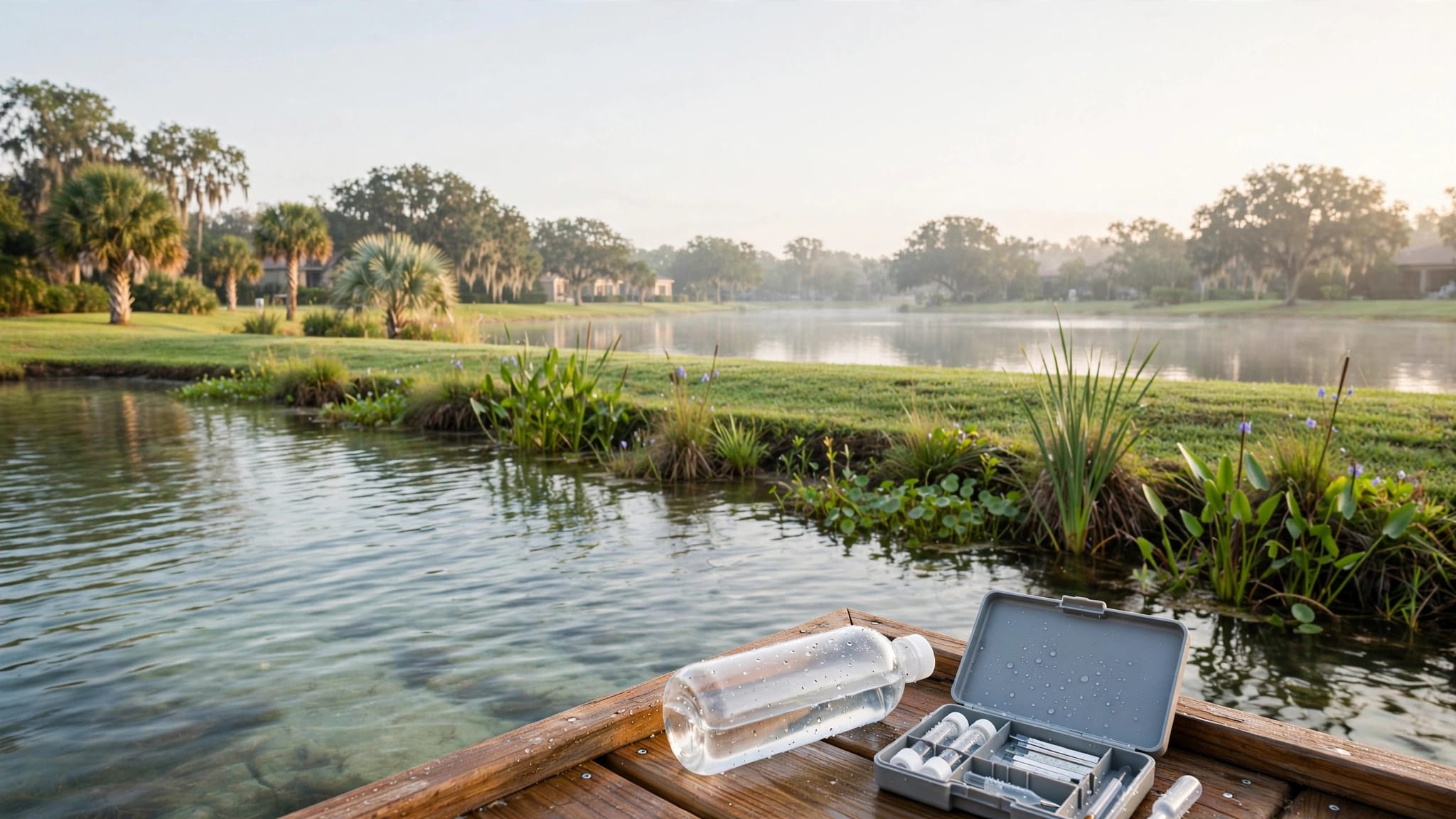
A Florida HOA lake inspection checklist helps property managers record the same details at each waterbody.
Use repeatable observation points
Start from safe, accessible areas such as sidewalks, cart paths, docks, or maintained pond edges. Avoid stepping onto soft slopes, saturated banks, or vegetation mats.
For each pond, record:
- The lake name or number, date, and approximate water level.
- Photos taken from the same shoreline points each visit.
- The size of each bulrush stand, including its distance from structures.
- Signs of washout, sediment buildup, algae, debris, or blocked drainage.
A shoreline plant can look harmless until it hides an outfall, erosion scar, or unsafe bank edge.
Watch for conditions that need a faster response
Call for a professional assessment when vegetation crowds a control structure, covers an access route, or expands after repeated maintenance. Also document sudden changes after storms, because runoff can move sediment and create new shallow growing areas.
The ability to identify bulrush in Florida HOA lakes also helps boards separate plant growth from drainage problems. Both may occur at the same time, but they require different corrections.
Choose preservation, thinning, or treatment
A healthy retention pond does not need a bare shoreline. The goal is to maintain a planted edge that looks intentional, supports bank stability, and leaves critical areas open for inspection and drainage.
Once you identify bulrush in Florida HOA lakes, decide whether the stand belongs in its current location.
Preserve plants that support a managed littoral zone
Leave healthy plants in place when they are part of an approved shoreline design and do not block structures or sightlines. Light, regular maintenance can define the edge without exposing bare soil.
If a bank is thin or washing out, removal may make the problem worse. In that situation, shoreline restoration and properly selected littoral plants may offer a better long-term result than clearing the area.
Use documented, licensed treatment for unwanted growth
Cutting tall stems can improve appearance for a short period, but it may not control a rhizome-based plant. Mature stands often need a planned response that considers plant identity, root system, water level, and the condition of nearby desirable vegetation.
Aquatic-use herbicide selection must match the confirmed plant and follow the product label. Mechanical removal may also fit some sites, especially where dead plant material or debris would otherwise remain in the water. For established infestations, review aquatic weed control for mature growth before approving a one-time treatment.
These decisions apply to stormwater retention ponds and community lakes, not ornamental koi ponds. Seabreeze Lake Maintenance holds Commercial Applicator License #CM28291 and State-Licensed Specialty Contractor #SCC131152136. For a site-specific plant map and shoreline review, Get a Free Lake Health Assessment.
Monitor plant response after rain and treatment
A maintenance visit is the beginning of the record, not the end of it. Rainfall, water-level changes, and seasonal growth can alter a bulrush stand after crews leave the property.
Follow-up photos should show the same shoreline sections captured before work. Measure the visible band width, note open access around structures, and record whether dead vegetation remains in the water.
Watch for decomposing vegetation and regrowth
Large amounts of dying plant material can affect water appearance and contribute to low oxygen as it decomposes. A provider may recommend phased work when dense stands cover a long shoreline.
Meanwhile, new shoots near the edge of a treated area may show that roots or untreated sections remain. That information helps determine whether the issue is normal regrowth, an incomplete treatment area, or a new shallow zone that supports expansion.
Keep records that boards can review
Store maps, photos, treatment records, and follow-up notes for every pond. Good records help managers answer resident questions and spot recurring issues before a small patch becomes a broad shoreline problem.
For communities with several waterbodies, aquatic treatment documentation and follow-up creates a clearer maintenance history across the property.
A Clearer Shoreline Starts With Identification
Bulrush can be an asset or an obstruction, depending on the species, density, and location. The strongest lake maintenance decisions begin with a close look at stems, flower clusters, root zones, and nearby drainage structures.
A documented Florida bulrush inspection helps HOAs protect functional retention ponds without stripping away plants that support stable, attractive shorelines.
Recent Posts