High Biological Oxygen Demand in Florida HOA Lakes
An HOA lake can look calm while its oxygen supply is falling. High biological oxygen demand means microorganisms are using large amounts of dissolved oxygen to break down organic material in the water.
In retention ponds and lakes across gated communities, demand often rises after stormwater runoff, algae growth, or decaying vegetation. If the load continues, fish may become stressed, odors can develop, and water quality becomes harder to manage. These causes and warning signs matter even more on properties with several lakes.
What High Biological Oxygen Demand Means
Biological oxygen demand, usually shortened to BOD, is the amount of oxygen microorganisms need to decompose biodegradable material. A high result points to a heavy organic load or rapid decomposition. It doesn't directly measure algae, nutrients, or dissolved oxygen, although these conditions often affect one another.
BOD and dissolved oxygen measure different things
Dissolved oxygen, or DO, is the oxygen available to fish and other aquatic life. BOD is the demand placed on that supply. When bacteria consume oxygen faster than wind, photosynthesis, and circulation replace it, DO can fall.
A BOD test commonly reports oxygen consumed during a standard five-day laboratory test. A field DO reading shows conditions at a particular time and location. Both measurements help, but neither should be viewed in isolation.
Why Florida lakes can change quickly
Florida's warm weather speeds microbial activity, algae growth, and plant decay. Warm water also holds less oxygen than cooler water. Shallow coves, deep areas, and low-flow corners can develop different conditions within the same basin.
This topic concerns retention ponds and community lakes, not koi ponds or backyard water features. Each basin needs an assessment based on its depth, drainage, shoreline, and nearby land use.
Common Sources of High BOD in HOA Lakes
Most high BOD cases have more than one source. A lake may receive organic material through stormwater, then experience additional oxygen demand when algae or aquatic weeds die.
Runoff adds material and nutrients
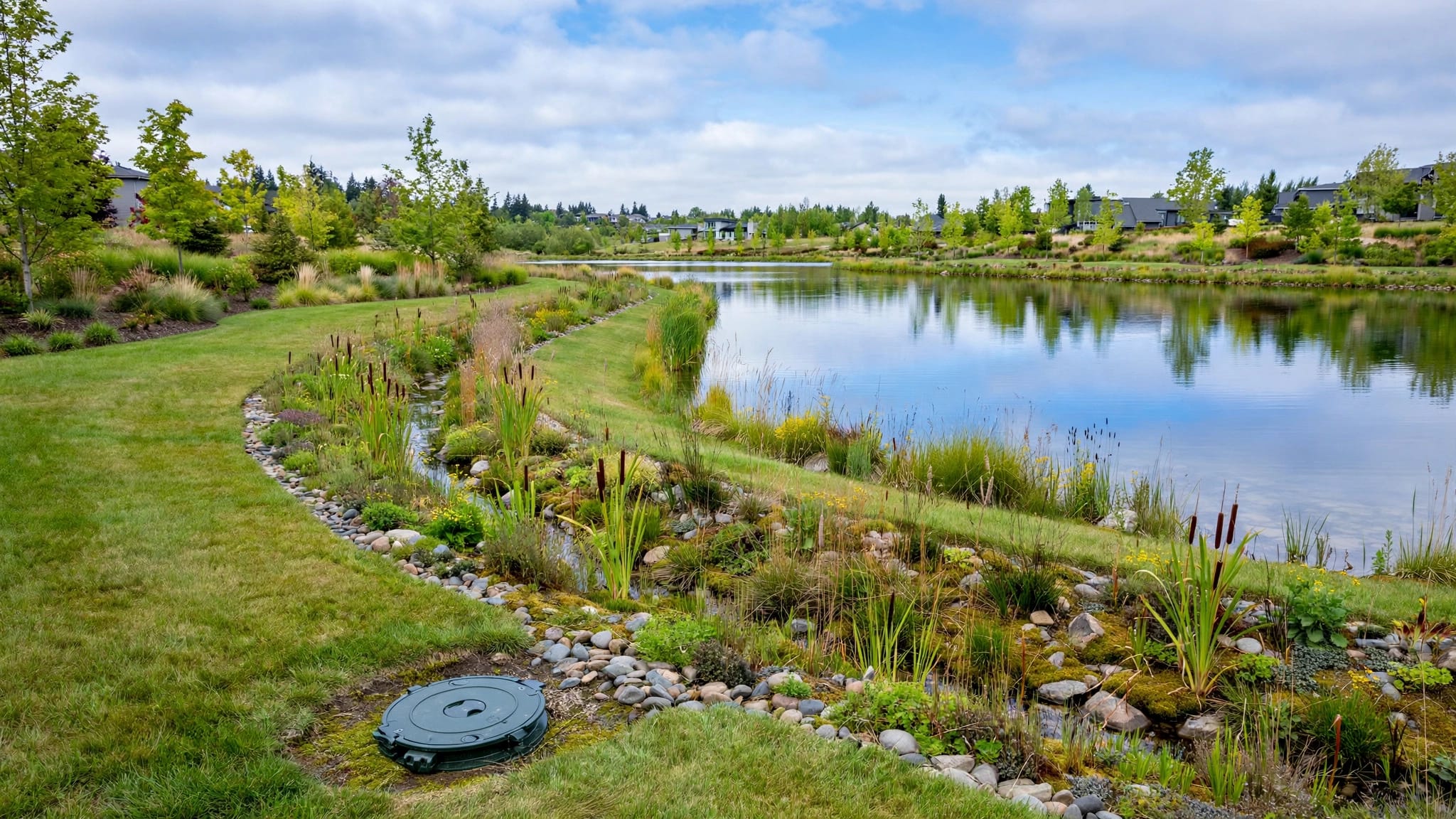
Rainwater can carry leaves, grass clippings, soil, and fertilizer-related nutrients into a lake. Turf areas around golf courses and communities add to the load when landscape debris reaches inlets or shorelines.
Nitrogen and phosphorus can feed algae, then the algae adds organic matter when it dies. This connection is also important when reviewing high nitrogen in Florida HOA lakes.
Decay creates a second oxygen demand
Dead algae, aquatic weeds, leaves, and other organic debris settle on the bottom. Bacteria break those materials down, consuming oxygen in the process. Heavy buildup can make bottom water oxygen-poor, especially when hot weather limits mixing.
A high biological oxygen demand can follow an algae bloom even after the surface looks better. Treating visible algae without removing debris or addressing nutrient inputs may leave the same cycle in place.
Warning Signs Community Managers Should Watch
High BOD is measured in a laboratory, but the lake often provides clues. Common low dissolved oxygen warning signs include:
- Fish gathering at the surface or near an aerator, especially early in the morning.
- Sour, sulfur-like, or swampy odors near coves and decaying vegetation.
- Cloudy water or fish distress after a large algae bloom dies.
- Dark water, bottom sludge, or repeated surface scum in low-flow areas.
A lake can have acceptable oxygen near the surface while deeper water has a low-oxygen pocket.
These clues can have other causes, so observation alone can't confirm high BOD. Testing helps separate an oxygen-demand problem from nutrient imbalance, poor circulation, sediment buildup, or a structural drainage issue.
How HOAs Should Evaluate the Problem
A single bad-looking day doesn't show the full condition of a community lake. Water quality changes with rainfall, temperature, sunlight, lake depth, and the time of day.
Test more than one location
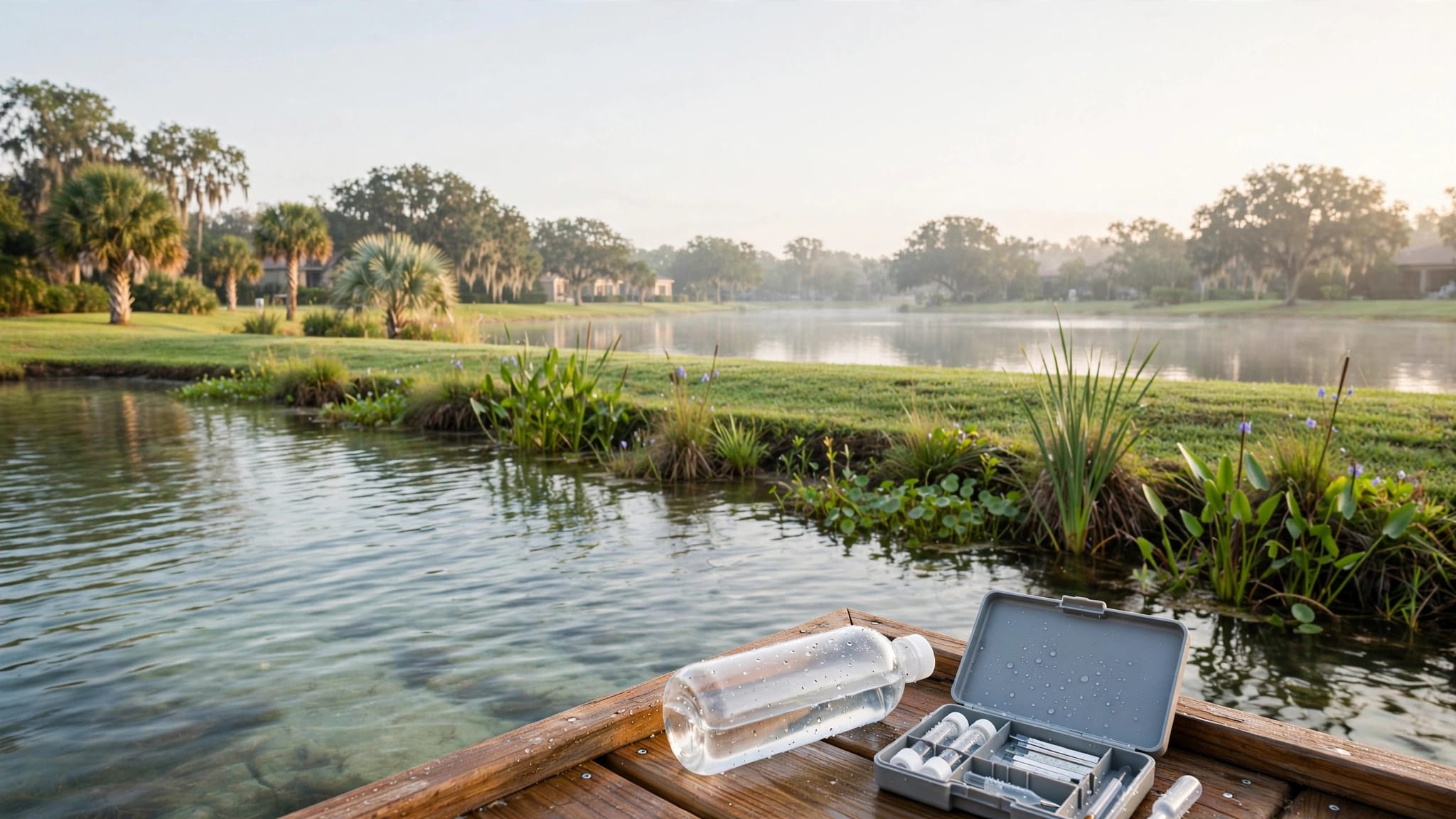
Start with a site inspection and water-quality profile. Sample the inlet, open water, shallow cove, and, when practical, near the bottom. Compare BOD with DO, temperature, pH, nitrogen, and phosphorus.
On a multi-lake property, test each basin because drainage and land use vary. Knowing whether a basin is a retention or detention pond also helps explain water movement. The differences between retention and detention ponds can affect inspection priorities and maintenance planning.
Match the response to the source
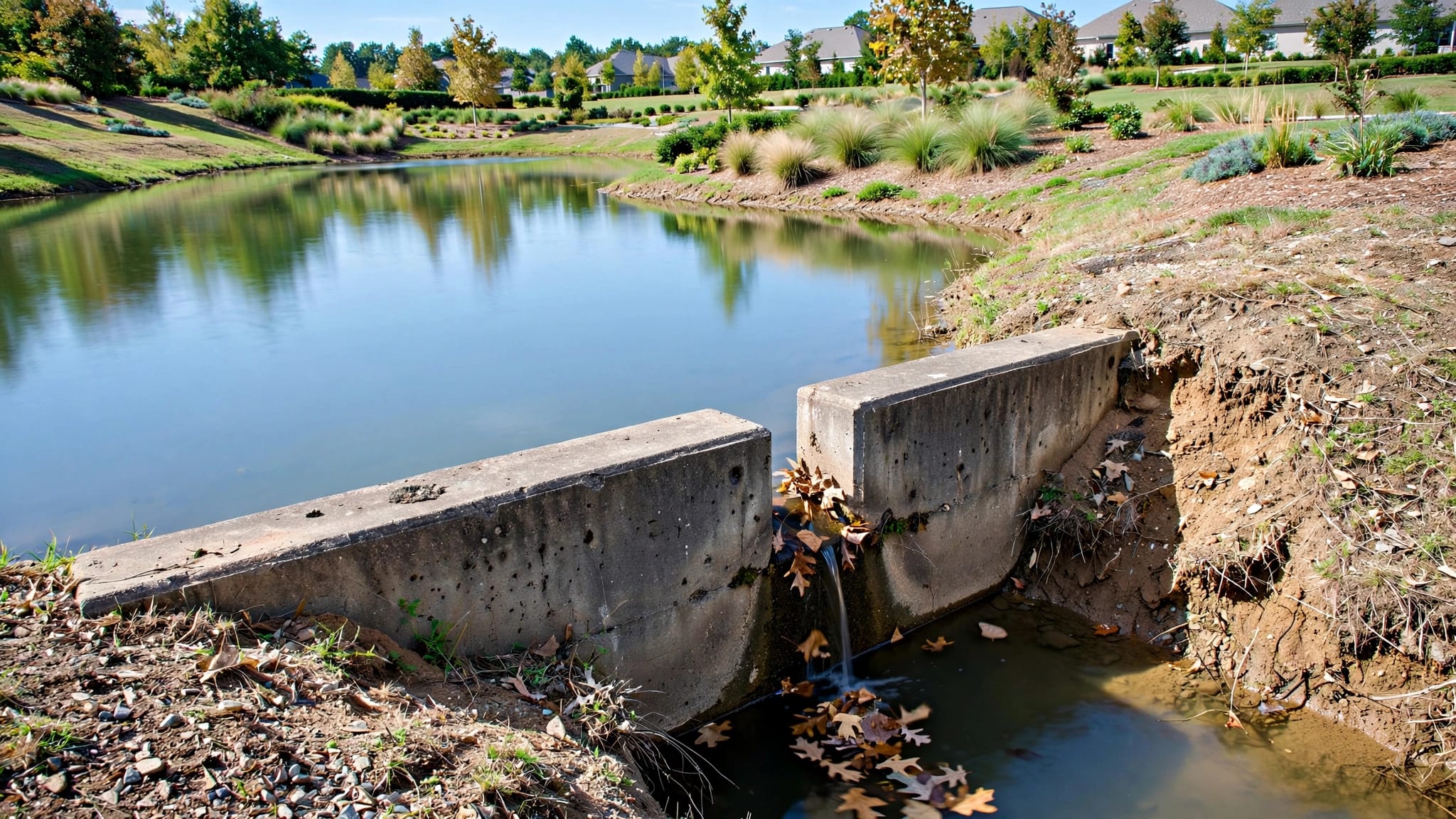
Source control should come first. Remove floating and shoreline debris before it sinks, inspect inlets and outfalls, correct erosion, and review fertilizer practices near the basin. Treat algae and weeds according to site conditions and product requirements.
If low DO or stratification is present, aeration can improve circulation and gas exchange. Equipment choice depends on depth, basin shape, appearance, and electrical access. Seabreeze Lake Maintenance holds Commercial Applicator License #CM28291 and State-Licensed Specialty Contractor #SCC131152136.
Aeration supports water quality, but it doesn't remove nutrients or decaying material by itself. Managing high biological oxygen demand requires both oxygen support and control of the material creating the demand.
Keeping BOD Manageable Across Multiple Lakes
Routine maintenance gives an HOA more control than emergency cleanup. A weekly or biweekly program can identify debris, algae, erosion, odor changes, and blocked drainage features before they affect the entire property.
Build inspections around the property
A useful maintenance plan tracks each lake separately. Record problem areas, recent rainfall, treatment dates, visible algae, water levels, and equipment performance. Inspect stormwater inlets after major rain, especially where grass clippings or sediment collect.
Shoreline inspections also matter. Erosion can send soil and nutrients into the water, while damaged banks make it easier for landscape debris to enter the basin. Stabilization and debris removal reduce future organic loading.
Use aeration as part of a broader plan
Aeration can help when warm weather, limited circulation, or lake stratification creates oxygen-poor areas. Surface aerators and bottom diffusers move water differently, so the best choice depends on the lake's design and management goals. Review the available Florida lake aeration options before selecting equipment.
The strongest results come when aeration works alongside nutrient control, algae management, shoreline care, and regular testing. That approach supports more stable conditions across gated communities, golf courses, apartment properties, and other multi-lake sites.
Conclusion
High biological oxygen demand is a warning that microorganisms are using oxygen faster than the lake can replace it. Runoff, algae decay, vegetation, sediment, and poor circulation can all add to the problem.
For HOA boards and property managers, the practical response is to test multiple areas, identify the organic load, improve circulation when needed, and maintain the shoreline and drainage system. If your community needs help identifying the cause, schedule a Get a Free Lake Health Assessment with Seabreeze Lake Maintenance.
Recent Posts