How to Build a Lake Maintenance System That Works
One missed inspection can turn a small algae patch, blocked inlet, or eroding bank into an expensive community problem. A well-built lake maintenance system gives HOAs, golf courses, and property managers a clear way to request, schedule, track, and verify every task.
Retention ponds and community lakes need more than occasional weed treatment. They also require inspections, water-quality monitoring, aeration checks, debris removal, shoreline care, and accurate records. The process starts with a reliable work order structure.
What a lake maintenance system should control
A work order system turns lake care into a repeatable process. Every request should identify the waterbody, describe the issue, assign responsibility, and record the completed work.
This matters most on properties with several lakes or ponds. Without clear records, staff may report "the pond near the entrance" while the contractor visits a different waterbody. A consistent naming system removes that confusion.
Separate recurring and corrective work
Recurring work includes weekly or biweekly inspections, scheduled aquatic weed control, algae monitoring, debris removal, and aeration checks. These tasks should appear on the calendar before a problem becomes visible.
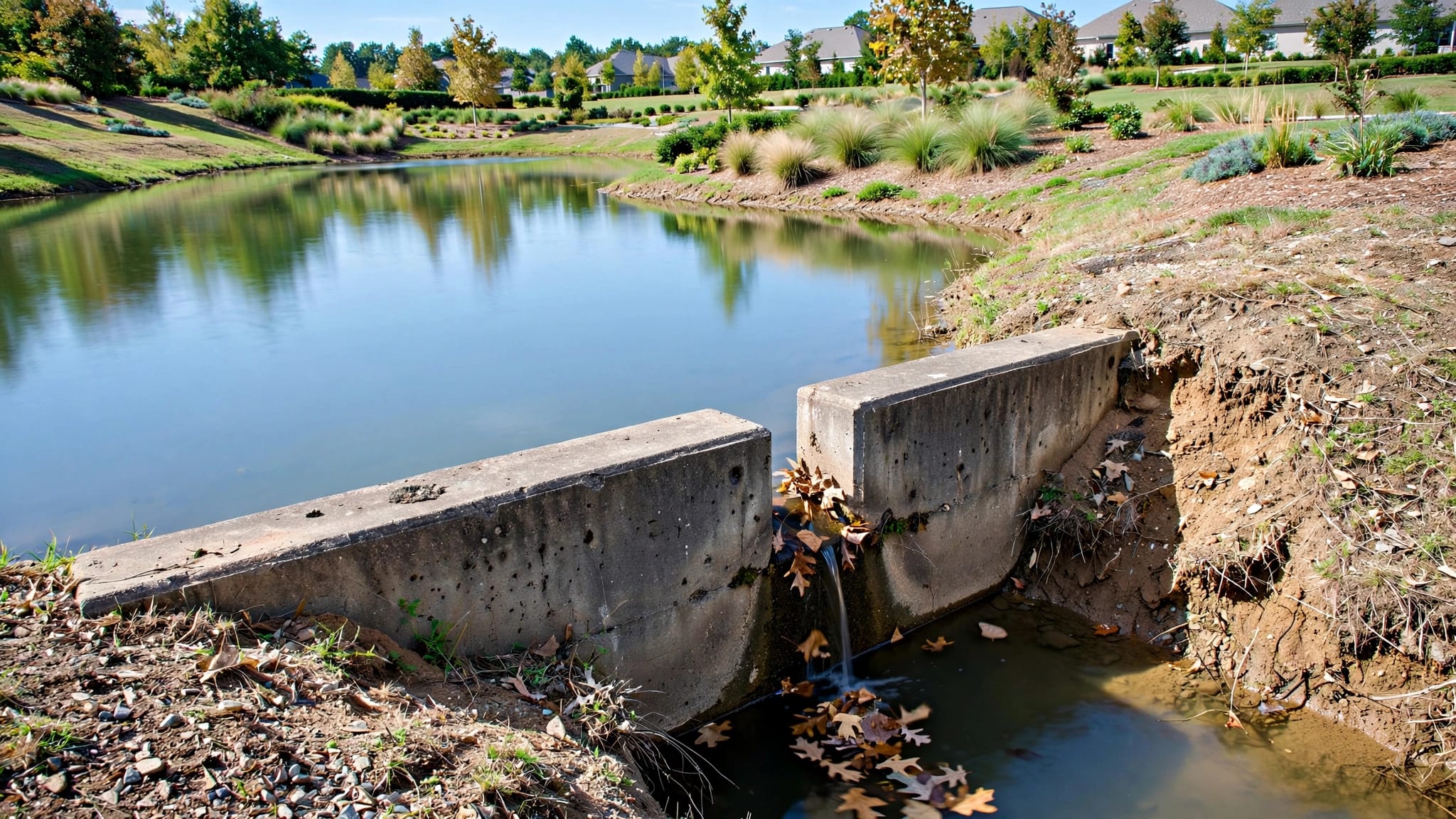
Corrective work begins when someone finds an issue. Examples include a failed fountain, a blocked culvert, a new erosion area, excessive algae, unsafe access, or a damaged shoreline. The work order should connect the problem to its inspection date and location.
Give every request a clear result
A work order isn't complete because someone visited the site. It is complete when the record shows what the crew found, what they did, and what still needs attention.
For example, "treated pond" is too vague. A useful closeout might state that the crew treated floating algae along the northeast bank, photographed the area, noted wind conditions, and scheduled a follow-up inspection.
A good work order answers four questions: What happened, where did it happen, what action was taken, and what happens next?
Build a property map and asset register
Start by creating a property record before adding individual work orders. Use a site plan, aerial image, or property map to label every lake, retention pond, inlet, outlet, fountain, aerator, control panel, access point, and shoreline section.
Assign each waterbody a short name or code, such as Lake 1, North Pond, or Golf Course Lake 3. Use the same name on maps, invoices, inspection reports, photographs, and board updates.
Record each lake's baseline condition
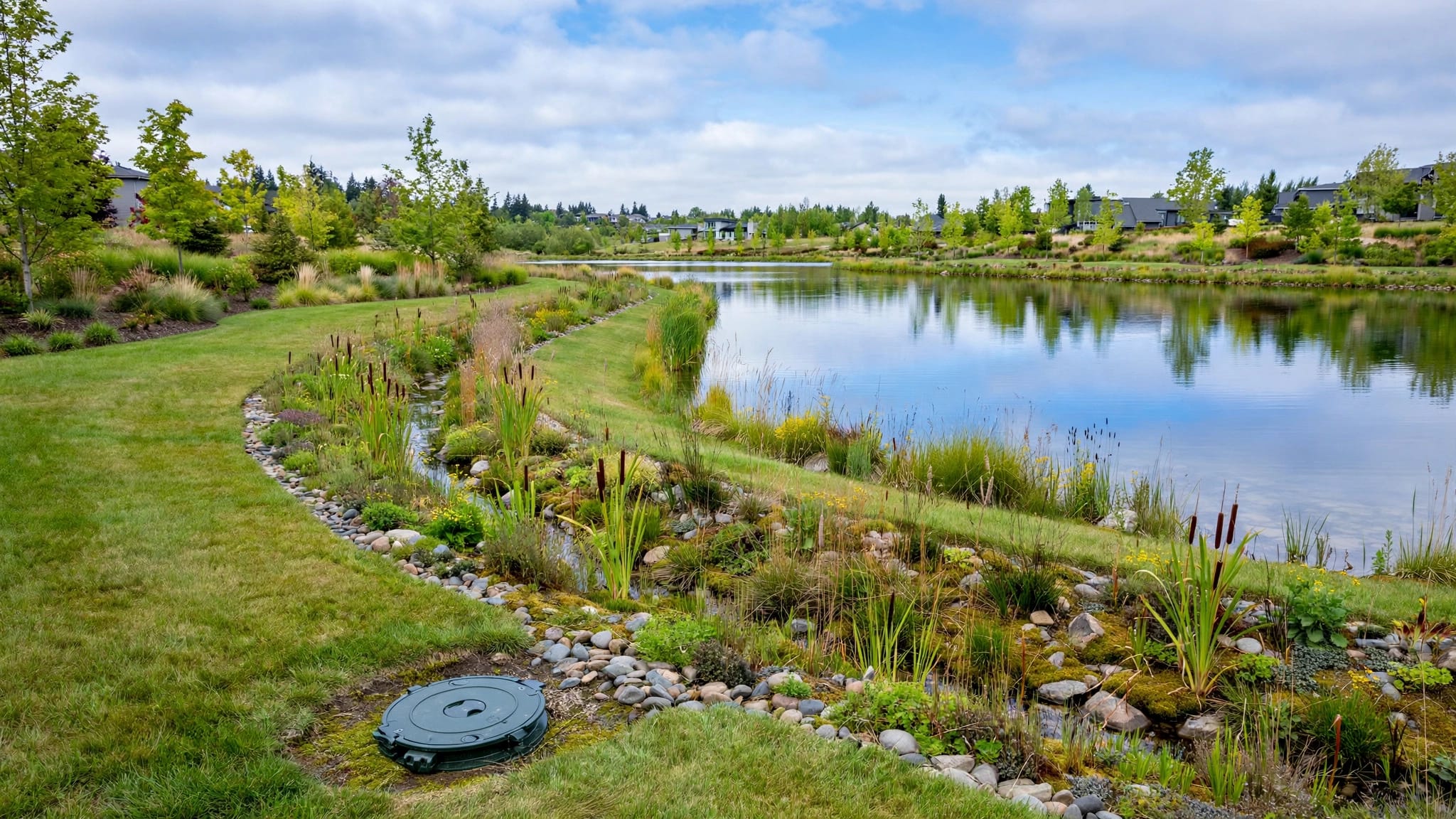
The first inspection should establish a baseline for each waterbody. Record the approximate size if known, shoreline condition, water clarity, visible algae, aquatic plants, erosion, odors, debris, water level, and the condition of aeration equipment.
Also note nearby features that affect maintenance. These may include stormwater inlets, drainage swales, walking paths, cart paths, homes, docks, signs, and areas where residents or pets reach the water.
A baseline makes later changes easier to spot. If a shoreline looks stable in January but develops exposed soil after heavy rain, the work order history can show when the change began.
For a practical property review, use this community lake maintenance inspection checklist to organize the inspection points.
Divide large properties into service zones
A multi-lake property needs more detail than a single location label. Divide each lake into zones, such as north bank, south bank, inlet, outlet, fountain area, and pedestrian access.
Zone names make reports more useful. They also help crews return to the same areas during follow-up visits. Photos taken from fixed viewpoints can show changes in algae coverage, bank stability, vegetation, and water level over time.
Add the right fields to every work order
A useful work order form should be simple enough for staff to complete in a few minutes. At the same time, it needs enough detail for the maintenance team, manager, and board to understand the service history.
Use one standard form for routine work, emergency issues, and follow-up inspections. The fields below cover the information most properties need.
| Field | What to record |
|---|---|
| Property and waterbody | Community name, lake or pond name, zone, and access point |
| Request date | Date and time the issue was reported |
| Problem description | Algae, weeds, debris, erosion, equipment, odor, water level, or safety concern |
| Priority | Routine, scheduled, urgent, or emergency |
| Assigned provider | Company, crew, or staff member responsible |
| Planned service date | Target date and any access instructions |
| Work performed | Inspection findings, treatment, repair, removal, or recommendation |
| Treatment details | Product, application area, amount, date, weather, and required restrictions |
| Photos | Before and after images with the location identified |
| Follow-up | Next inspection, additional repair, monitoring, or board notification |
The form should also include a space for resident or staff comments. However, comments shouldn't replace a professional inspection. A report that says "green water" needs follow-up details about where the condition appears and whether odor, surface scum, or fish distress is present.
Document aquatic treatments carefully
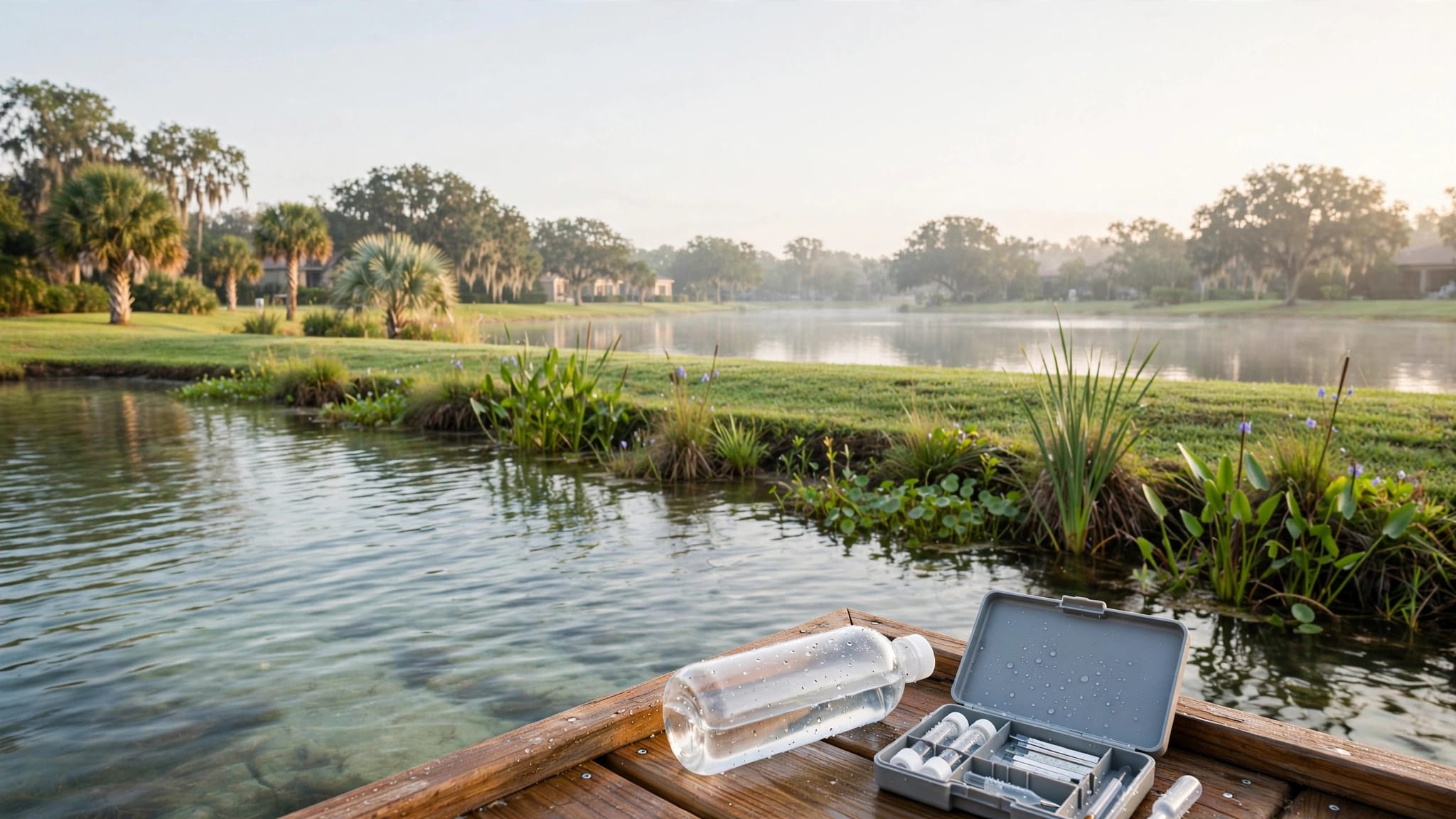
Aquatic weed and algae work needs precise records. The applicator should document the affected area, treatment date, product information, application amount, weather conditions, and any use restrictions that apply to the product label.
Florida properties should use properly qualified providers for regulated aquatic work. Seabreeze Lake Maintenance holds Commercial Applicator License #CM28291 and State-Licensed Specialty Contractor #SCC131152136. Property managers should keep license information and treatment records with the service file.
Make photos part of the closeout
Photos help separate an active problem from an old complaint. Require at least one location photo for shoreline, erosion, debris, and equipment work. Treatment records should include before and after images when practical.
A consistent photo name can include the property, waterbody, zone, and date. For example, "Oak Grove, North Pond, inlet, 2026-08-14" is easier to find than "IMG_4812."
Set priorities and create a simple workflow
Not every lake issue needs the same response time. A priority system helps staff act quickly without treating every request as an emergency.
Use four practical priority levels
Emergency issues threaten people, property, or essential drainage. Examples include a serious washout near a path, exposed electrical equipment, a dangerous obstruction, or a major outlet problem. Notify the property manager immediately and restrict access when needed.
Urgent issues can worsen within days. These may include a failed aerator during severe water-quality problems, fast-spreading algae, a blocked inlet before forecast rain, or active shoreline erosion.
Scheduled work belongs on the next planned service visit. Examples include routine weed control, debris removal, equipment checks, and follow-up observations.
Routine monitoring includes conditions that need documentation but no immediate correction. A small plant patch or minor change in water clarity may fit this category when the site remains safe.
Move each work order through the same steps
A simple workflow keeps requests from disappearing in email threads or text messages:
- Staff, residents, or the contractor reports the issue with the lake name, zone, date, and photos.
- The property manager reviews the request, assigns a priority, and confirms access requirements.
- The maintenance provider accepts the work order and gives a planned service date.
- The crew completes the inspection or service, records findings, and uploads photos.
- The manager reviews the closeout and creates a follow-up order if the issue remains.
- The system archives the record for future planning, invoices, and board reporting.
Avoid closing an order when the crew only recommends additional work. Mark it as "follow-up required" and create the next task with an owner and due date.
Define who can approve extra work
Routine service and additional repairs often have different approval rules. Your system should show which work the contractor can complete under the regular agreement and which work needs manager, board, or owner approval.
The work order can include an estimated cost, scope, and reason for the recommendation. That gives decision-makers enough information to act without requesting the same explanation again.
Schedule maintenance around Florida conditions
A lake maintenance system should follow seasonal conditions instead of using one unchanging schedule. Florida's wet season can bring heavy rainfall, runoff, turbidity, new erosion, and faster plant growth. The dry season provides a better window for equipment checks, shoreline repairs, and planned improvements.
Set a minimum inspection cadence
The exact schedule depends on the property, lake size, access, vegetation, and past problems. A practical starting point is:
- Weekly checks for visible algae, surface weeds, litter, odors, unsafe areas, and equipment operation.
- Monthly reviews of shorelines, inlets, outlets, water levels, aeration, and fixed-point photos.
- Post-storm inspections for debris, washouts, clogged structures, muddy water, and new low spots.
- Seasonal reviews of plant growth, bank stability, water-quality trends, and repair needs.
Golf courses may need additional checks around playable areas, cart paths, irrigation features, and high-visibility waterbodies. HOAs should give extra attention to ponds near homes, sidewalks, playgrounds, and dog-walking routes.
Use a Florida lake maintenance calendar to align recurring orders with wet and dry season demands.
Treat symptoms and conditions separately
An algae treatment may improve the surface while the conditions feeding repeated growth remain. Work orders should record related observations, such as poor circulation, nutrient-rich runoff, bare soil, excessive fertilizer near the bank, or low aeration output.
Aeration equipment also needs its own inspection tasks. Record compressor operation, diffuser or fountain performance, electrical concerns, visible damage, and unusual noise. Aeration supports circulation and oxygen levels, but it doesn't remove every source of algae or nutrient buildup.
Use work orders for budgets and vendor management
Work order history gives an HOA board or golf course manager a factual basis for decisions. Instead of relying on memory, you can review how often each lake needs treatment, which repairs repeat, and whether a problem is growing.
Track the following measures each month:
- Completed routine visits by property and waterbody.
- Open work orders past their due dates.
- Recurring algae, weed, odor, or erosion complaints.
- Equipment repairs and missed operating periods.
- Recommended work awaiting approval.
- Treatment and repair costs by lake.
These records can reveal patterns. For example, one pond may require frequent algae treatment because circulation is poor, while another may need shoreline stabilization because runoff keeps exposing soil.
Write service expectations into the contract
Your work order process should match the maintenance agreement. The contract should state visit frequency, inspection coverage, response times, treatment documentation, reporting, debris removal, equipment service, and approval limits.
Boards comparing providers can review this guide to evaluate HOA lake maintenance contracts. A clear scope makes work orders easier to approve and invoices easier to verify.
For a new bid, include the property map, lake inventory, expected service frequency, reporting requirements, known trouble areas, and desired response times in the request. A detailed Florida HOA lake service RFP guide can help organize those requirements.
Review the system every quarter
A quarterly review keeps the process useful. Remove duplicate waterbody names, update access instructions, close outdated requests, and check whether recurring tasks match current conditions.
Ask whether the same issue appears repeatedly without a permanent response. If it does, create a corrective project rather than adding another treatment to the routine schedule.
Conclusion
A dependable lake maintenance system begins with accurate lake names, mapped service zones, clear work order fields, and assigned responsibilities. It then connects routine inspections with treatment records, equipment checks, shoreline observations, follow-up tasks, and budget decisions.
The system should help your community see small changes before they become expensive repairs. If your HOA, golf course, or multi-lake property needs a documented starting point, Get a Free Lake Health Assessment from Seabreeze Lake Maintenance. Good lake care is easier to manage when every visit leaves a clear record.
Recent Posts