Water Quality Sampling Plans for Multi-Lake HOAs
A lake can look clear from the clubhouse patio and still have low oxygen, excess nutrients, or a developing algae problem below the surface. For communities with several retention ponds or lakes, guessing creates inconsistent maintenance decisions and costly surprises.
A written water quality sampling plan gives board members, property managers, and lake contractors a shared record of each waterbody's condition. It turns changing water color, odors, and plant growth into useful information.
Start with a plan that treats every lake as its own system, while still making property-wide comparisons possible.
Define What the Sampling Plan Must Accomplish
A sampling program should answer practical questions, not produce a stack of reports nobody uses. Your HOA may need to track recurring algae, confirm whether a fountain improves circulation, investigate a fish kill, or document conditions near a stormwater inflow.
Set a clear purpose before choosing tests. Then, connect every sampling event to a maintenance decision the board may need to make.
Separate routine monitoring from problem diagnosis
Routine monitoring tracks conditions over time. It builds a baseline for temperature, dissolved oxygen, pH, nutrients, clarity, and visible changes. Regular data helps managers spot a slow decline before it becomes a resident complaint.
Diagnostic sampling is narrower and more urgent. Use it when one lake develops repeated algae blooms, foul odors, cloudiness, unusual staining, or fish stress. The comparison between routine pond monitoring and diagnostic testing helps boards avoid ordering broad tests when a focused investigation would be more useful.
Give each lake an identifier
Name lakes in a way that field crews and board members can use without confusion. "Lake 1" through "Lake 6" works, although names such as "North Entrance Lake" or "Fairway Lake" often make reports easier to read.
Keep the same name on maps, test reports, maintenance logs, invoices, and meeting notes. A result is far less useful if nobody can tell which waterbody produced it.
Build a Property-Wide Lake Inventory
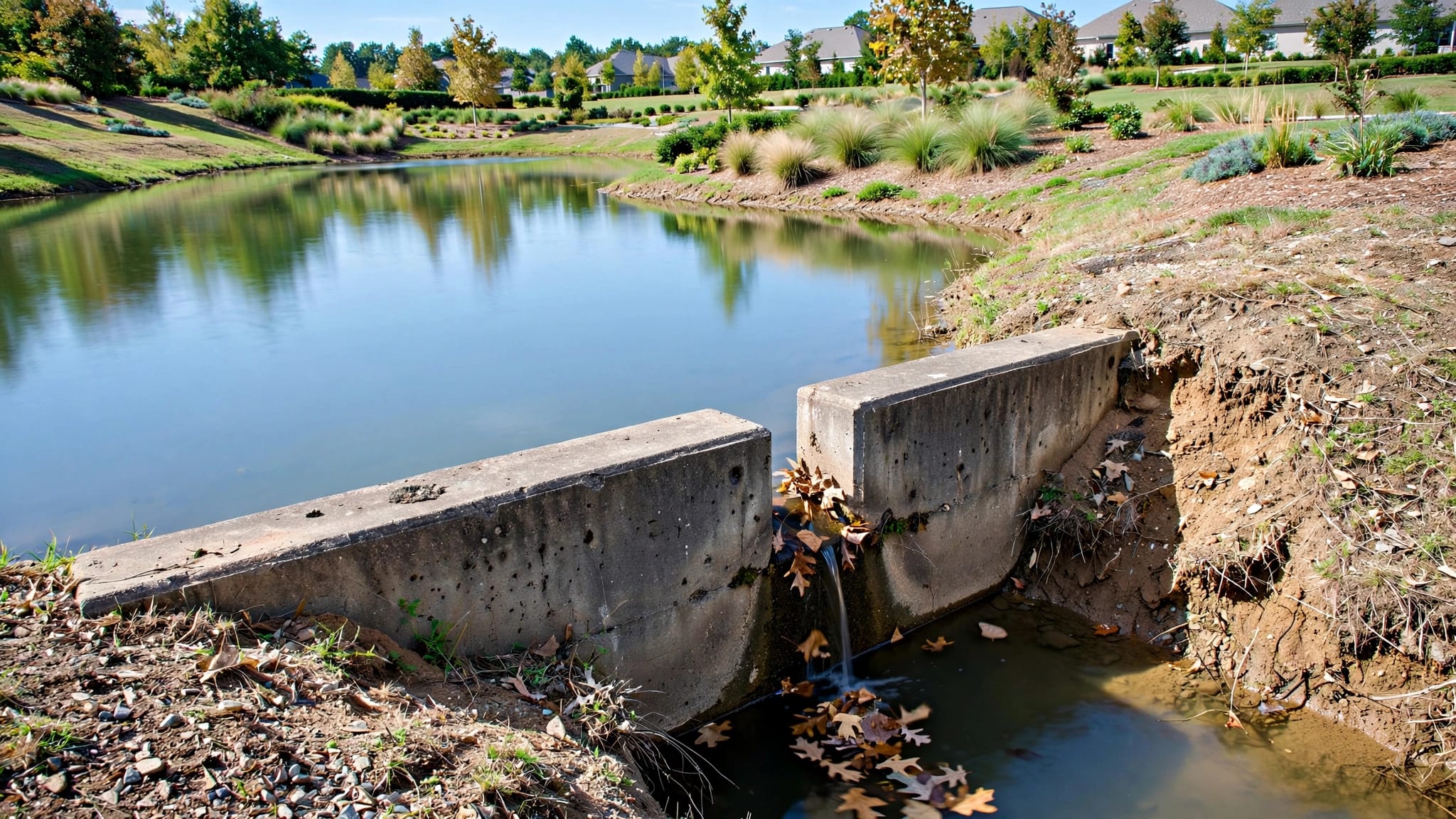
Multi-lake properties need one master map and one profile sheet for every lake. The map should show lake boundaries, stormwater inlets, outfalls, culverts, fountains, aerators, shoreline access points, and nearby construction or landscaping areas.
On each lake profile, record approximate acreage, average and maximum depth if known, visible aquatic plants, littoral shelves, bank condition, and usual water level. Also note whether residents fish, walk pets, kayak, or gather near the water.
A baseline inspection makes later changes easier to identify. The property manager can compare present conditions with prior photos, weather notes, and test results instead of relying on memory. An organized lake maintenance system keeps those records tied to scheduled work.
Map the drainage connections
Retention ponds often receive water from roads, parking areas, roof drains, swales, and upstream ponds. Those connections matter because a problem in one lake can move downstream after a heavy rain.
Mark the direction of flow, especially where pipes or overflow structures link waterbodies. If Lake B receives overflow from Lake A, test results should help distinguish a local problem from one entering with runoff.
Choose Sampling Stations That Show Real Conditions
One shoreline grab sample rarely describes an entire lake. A strong water quality sampling plan uses repeatable stations that reflect how water enters, circulates, and leaves each pond.
For a small, uniform retention pond, one open-water station and one inflow or shoreline station may be enough for routine work. Larger lakes, irregular shorelines, fountains, and multiple drainage inlets usually require more locations.
Sample inflows, open water, and outfalls
Place a station near major inflows to identify runoff-related nutrient, sediment, or contaminant pressure. Use an open-water station away from the edge to track general lake conditions. Where an outlet exists, sample near it to understand what leaves the system.
Use GPS coordinates when available, or mark sampling locations on a printed site map. Crews must return to the same approximate spots each time for meaningful trend comparisons.
Include depth where the lake needs it
Shallow ponds often mix from top to bottom, especially during windy conditions. Deeper lakes can develop different conditions near the bottom, where decaying organic matter may use up oxygen.
Field staff should record whether a sample came from the surface, mid-depth, or near-bottom water. Dissolved oxygen and temperature profiles are often more revealing than one mixed sample.
A result without a sample location, depth, date, weather note, and recent treatment history has limited value for future decisions.
Select Tests That Match Lake Management Decisions
The best test panel is not the biggest panel. It is the set of measurements that explains water appearance, algae risk, vegetation pressure, and circulation problems on your property.
Field measurements often include temperature, dissolved oxygen, pH, conductivity, and water clarity. Laboratory analysis may add total phosphorus, nitrogen forms, chlorophyll-a, alkalinity, turbidity, and bacteria when conditions call for them.
Track the measurements that shape algae risk
Phosphorus is often a limiting nutrient in freshwater systems, so rising phosphorus can support heavier algae growth. Nitrogen also matters, particularly when runoff, fertilizer use, or decaying vegetation adds nutrients to the water.
Chlorophyll-a estimates the amount of algae in the water column. Secchi disk depth or another clarity measurement adds context, because water can appear green or murky for different reasons. Professional water quality testing for retention ponds helps connect these results to a workable maintenance program.
Measure oxygen at the right time
Dissolved oxygen changes throughout the day. Algae and aquatic plants produce oxygen in daylight, while fish, plants, bacteria, and decaying matter consume it around the clock.
Early morning readings often reveal the day's lowest oxygen levels. Warm Florida water holds less oxygen than cooler water, so heat, still weather, dense vegetation, and algae decay can raise the risk of fish stress.
Set a Sampling Schedule Around Florida Weather
A calendar matters because a sample only captures conditions at the moment it was collected. Consistent intervals reveal trends that isolated samples miss.
Many communities use quarterly routine sampling as a starting point. Lakes with a history of algae, odor, heavy runoff, or fish stress may need monthly checks during warmer months. Your plan should also allow additional sampling after major events.
Add event-based sampling triggers
Write clear triggers into the plan so managers do not wait for the next routine date when conditions change. Common triggers include a large algae bloom, strong odor, dead fish, muddy runoff, sudden discoloration, a failed aerator, or nearby land disturbance.
Heavy rain can carry sediment and nutrients into retention ponds. Sample after runoff has entered the lake, while documenting rainfall, water level, and visible erosion. A Florida HOA lake inspection checklist can help managers pair water sampling with visual inspections after storms.
Match service visits to the sampling calendar
Coordinate sampling with regular lake maintenance visits, but do not always collect samples immediately after treatment. Treatment records matter because approved aquatic products, algaecides, herbicides, dye, and beneficial bacteria programs can affect what crews observe.
The plan should state when to sample before and after a corrective action. It should also record the product used, application date, weather, treated area, and treatment goal.
Use Consistent Field Procedures Every Time
Consistency is the backbone of a useful water quality sampling plan . Different containers, depths, collection times, or handling methods can create apparent changes that come from sampling errors rather than the lake.
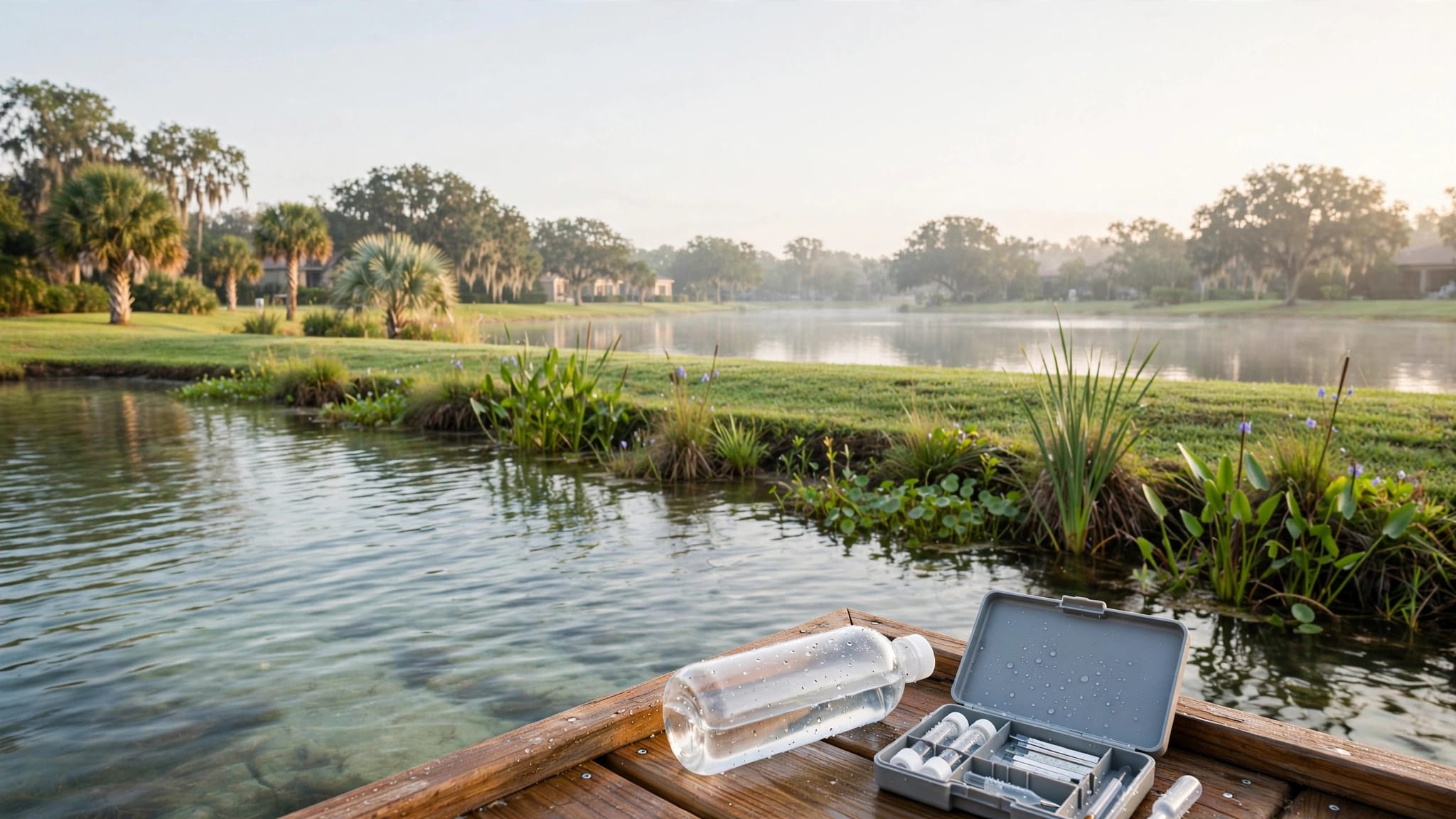
Assign trained personnel to collect samples, or use a qualified lake-management provider that follows laboratory requirements. Field crews need clean containers, calibrated meters, labels, a cooler with ice when required, and chain-of-custody forms.
Collect samples without contaminating them
Avoid stirring sediment from the bank or lake bottom unless the test requires a sediment sample. Rinse equipment according to the laboratory's directions, and never reuse bottles intended for nutrient or bacteria analysis.
Label each bottle before leaving the site. Include the lake name, station, depth, date, collection time, collector, and requested analysis. Photograph the station and note surface scum, vegetation, wildlife activity, rainfall, wind, water color, and odor.
Calibrate meters and respect holding times
Meters for dissolved oxygen, pH, conductivity, and temperature require regular calibration. Check calibration before the field visit and log the results. If a reading looks unusual, repeat it before leaving the station.
Laboratories set holding times for different analyses. Some samples need preservation or prompt delivery, so collection routes should match the lab's instructions. A sample that arrives late may not support a reliable conclusion.
Create Reports That a Board Can Use
A board report should make patterns visible without burying readers in technical language. Include a one-page summary, station map, dated photos, field observations, lab results, prior results, and a short explanation of what changed.
Use the same report format for every round. When Lake 3 has lower clarity than the prior quarter, managers should see the date, station, weather, and possible cause in one place.
The following format keeps multiple lakes easy to compare.
| Report item | What to record | Why it matters |
|---|---|---|
| Lake and station | Name, map point, and depth | Keeps results tied to the right location |
| Field conditions | Rain, wind, temperature, water level, odor | Adds context to changing results |
| Test values | Current result and prior result | Shows trends instead of isolated numbers |
| Maintenance history | Aeration status and recent treatments | Connects lake conditions to completed work |
| Recommended action | Monitoring, repair, treatment, or further testing | Gives the board a clear next step |
A side-by-side summary helps identify whether one troubled lake is an outlier or part of a property-wide water issue.
Look for patterns, not one "bad" number
A single high nutrient result can follow a storm. A low oxygen reading may reflect an early-morning sample, hot weather, or dense algae. Compare each result with past data, nearby stations, and field observations before approving major work.
Boards can use this guide to read HOA lake water test results when reports include phosphorus, chlorophyll-a, turbidity, oxygen, pH, and conductivity.
Link Sampling Results to Lake Maintenance Actions
Data only matters if it guides action. For example, low oxygen and poor circulation may support aeration repairs or a review of fountain performance. Rising nutrients and chlorophyll-a may call for algae management plus inspection of runoff sources.
Cloudy water after storms may point to erosion, exposed soil, or sediment entering through an inlet. Aquatic weed growth near shore may require targeted control, but it can also signal shallow water, nutrient accumulation, or gaps in littoral planting.
Avoid treating every lake the same way
Multi-lake properties often have different conditions in each pond. One may receive fertilizer runoff near a golf fairway. Another may collect roadway drainage. A third may have poor circulation because of its shape and depth.
Use your sampling records to set lake-specific priorities. That approach prevents wasted treatments and helps reserve budget for the waterbodies with the greatest need.
Include responsible professionals early
Lake maintenance providers should review sampling needs before a recurring issue becomes severe. Ask for a written scope that covers sampling locations, field methods, laboratory tests, reporting, and recommended follow-up work.
For Southwest Florida communities, Seabreeze Lake Maintenance provides lake and pond management under Commercial Applicator License #CM28291 and State-Licensed Specialty Contractor #SCC131152136. Boards can Get a Free Lake Health Assessment when they need a baseline review or help organizing multiple waterbodies.
Assign Roles, Budget, and Review Dates
A plan works best when everyone knows who does what. The property manager may keep records and schedule access. The lake contractor can collect samples, document conditions, and recommend maintenance. The board approves scope changes and budget decisions.
Set an annual review date before the wet season. Review the prior year's results, recurring complaints, treatment history, equipment repairs, shoreline work, and upcoming construction. Then adjust stations, test panels, and sampling frequency where the evidence supports a change.
Keep the plan with other property records, including maps, service contracts, stormwater documents, and meeting minutes. Continuity matters when board members, managers, or contractors change.
A Clear Plan Protects Every Lake on the Property
A well-built water quality sampling plan turns lake care into a documented process instead of a reaction to the latest complaint. It gives each retention pond the attention its drainage, depth, circulation, and history require.
When teams sample consistent locations, record field conditions, and compare results over time, they can address algae, oxygen stress, erosion, and runoff before those issues become larger expenses. Good lake data supports better maintenance decisions.
Recent Posts