How to Calculate Lake Maintenance Costs Per Acre
A low monthly lake bill can become expensive when weeds spread, shoreline erosion worsens, or a stormwater outlet gets blocked. For HOAs, golf courses, and gated communities, lake maintenance costs need to cover prevention, not only visible problems.
The most useful per-acre number starts with a clear inventory, a defined scope, and a plan for the conditions unique to each waterbody. Once those pieces are in place, boards can build a budget that holds up through Florida's wet and dry seasons.
Start With an Accurate Water Surface Acreage
Per-acre pricing only works when the acreage figure is correct. Use the actual water surface area, not the acreage of the entire community, golf course, or parcel.
A five-acre property may have only one acre of maintained water. Conversely, a 100-acre development may have eight separate lakes totaling 14 acres. Those differences change the budget quickly.
Measure each lake or retention pond separately
Start with as-built plans, plats, GIS maps, or recent survey records. These documents can provide a dependable baseline, although shorelines shift over time due to erosion, sediment, and changing water levels.
A lake management contractor can also verify the service area during an on-site inspection. Record each pond's name, acreage, shoreline length, access point, outlet structures, and visible concerns. This creates a practical inventory that stays useful during future budget cycles.
For example, a community with four ponds might track:
| Waterbody | Surface Area | Primary Function | Current Condition |
|---|---|---|---|
| North Lake | 2.4 acres | Stormwater retention | Moderate algae risk |
| South Lake | 1.1 acres | Decorative entrance feature | Heavy shoreline traffic |
| East Pond | 0.6 acres | Drainage basin | Floating vegetation |
| West Pond | 0.9 acres | Golf course water feature | Aeration system present |
The property in this example has 5.0 maintained acres. That total, rather than the community's total acreage, belongs in the cost calculation.
Don't ignore minimum service costs
Small ponds often cost more per acre than larger lakes. A technician still needs to travel to the site, inspect conditions, document work, apply treatments safely, and manage equipment.
Therefore, a half-acre retention pond may not cost half as much as a one-acre pond. The per-acre figure is a budgeting tool, but it shouldn't erase real labor and mobilization costs.
Per-acre pricing is most reliable when it is paired with a stated minimum monthly service charge and a clear list of included visits.
Build a Base Formula for Lake Maintenance Costs
The basic calculation is simple:
Annual routine maintenance cost / total maintained water acres = annual cost per acre
For a monthly figure, divide the annual per-acre cost by 12.
If a community spends $24,000 annually to maintain six acres of lakes, the calculation looks like this:
- $24,000 / 6 acres = $4,000 per acre per year
- $4,000 / 12 months = about $333 per acre per month
This gives the board a clean starting point for comparing years and evaluating proposals. However, the annual fee must include the same services each time. Comparing a full-service plan with a treatment-only plan produces a misleading result.
Florida estimates for routine service commonly fall around $2,500 to $7,350 per acre each year, or roughly $210 to $610 per acre per month. The wide range reflects differences in access, lake condition, service frequency, plant growth, and contract scope. Review Florida HOA lake maintenance costs alongside your site's actual conditions before setting a final number.
Price the Routine Scope, Not Assumptions
A preventive program costs less to understand when the agreement states what happens at every scheduled visit. The contract should describe service frequency, inspection tasks, treatment work, reporting, and any limits on materials or labor.
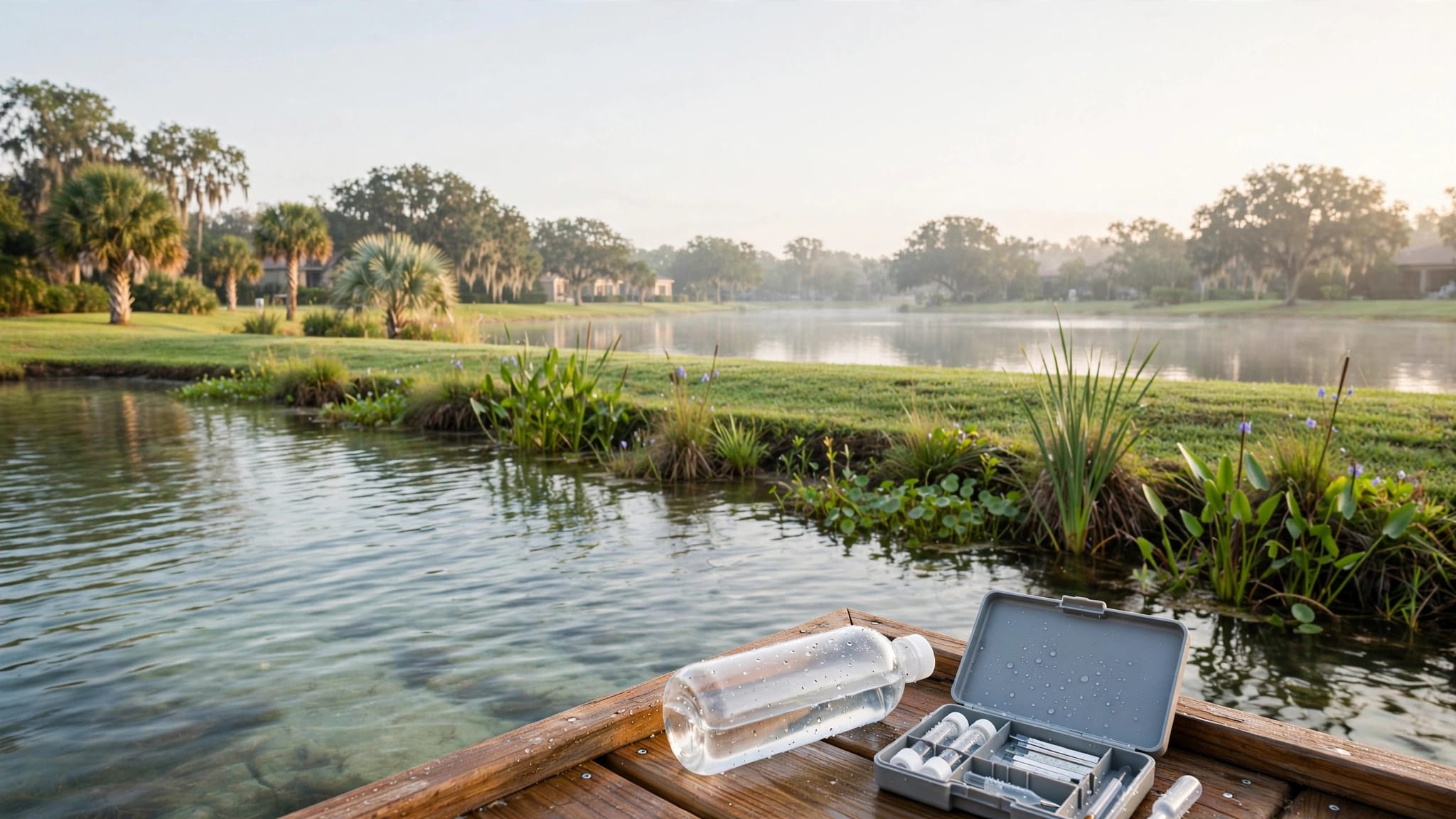
Routine lake maintenance may include aquatic weed control, algae management, debris removal, shoreline inspections, water-quality observations, and checks of fountains or aeration equipment. A community with frequent algae blooms, thick shoreline vegetation, or nutrient runoff may need more attention than a stable lake with good circulation.
Match visit frequency to site conditions
Monthly service may work for a low-demand retention pond with limited public visibility. In contrast, lakes at community entrances, along fairways, or beside walking paths often need more frequent inspections and cleanup.
Florida's heat and rainfall also affect service needs. Heavy rain can carry fertilizer, grass clippings, and sediment into lakes. Warm water accelerates aquatic plant growth. A calendar that increases monitoring during the wet season can prevent a small issue from becoming an emergency expense.
A Florida lake maintenance calendar helps boards separate predictable seasonal work from surprise repairs.
Ask what the monthly price excludes
A service fee may cover routine herbicide treatments but exclude extensive floating plant removal, storm cleanup, dead-fish response, disposal fees, or extra labor. Those exclusions aren't automatically a problem. They become a problem when the board assumes they are included.
Request unit pricing for common extras. For instance, ask for hourly labor rates, emergency call-out fees, debris hauling costs, additional treatment charges, and repair rates for aeration equipment. Clear unit prices make year-end spending easier to explain.
Add the Conditions That Raise Per-Acre Costs
Two lakes with the same acreage can have very different maintenance needs. The site itself drives much of the difference.
Shallow water warms faster and may support heavier vegetation. Poor access can add labor when crews must work around fences, narrow paths, steep banks, or busy recreational areas. A lake near a fertilized golf course fairway may also receive more nutrients after rain.
Account for weeds, algae, and nutrient sources
Aquatic weeds are easier to manage when treatment begins early and continues on schedule. Once vegetation covers a large portion of the surface or blocks shoreline access, removal takes more labor and more follow-up visits.
Algae requires the same disciplined approach. Treatment may reduce visible growth, but recurring blooms often point to nutrient loading, weak circulation, excess organic matter, or runoff concerns. The budget should leave room for inspection and corrective work rather than paying repeatedly for surface-level treatment.
Water quality management and responsible treatment practices help protect residents, pets, wildlife, and the appearance of common areas. They also help boards document that lake conditions receive regular attention.
Include shoreline and access issues
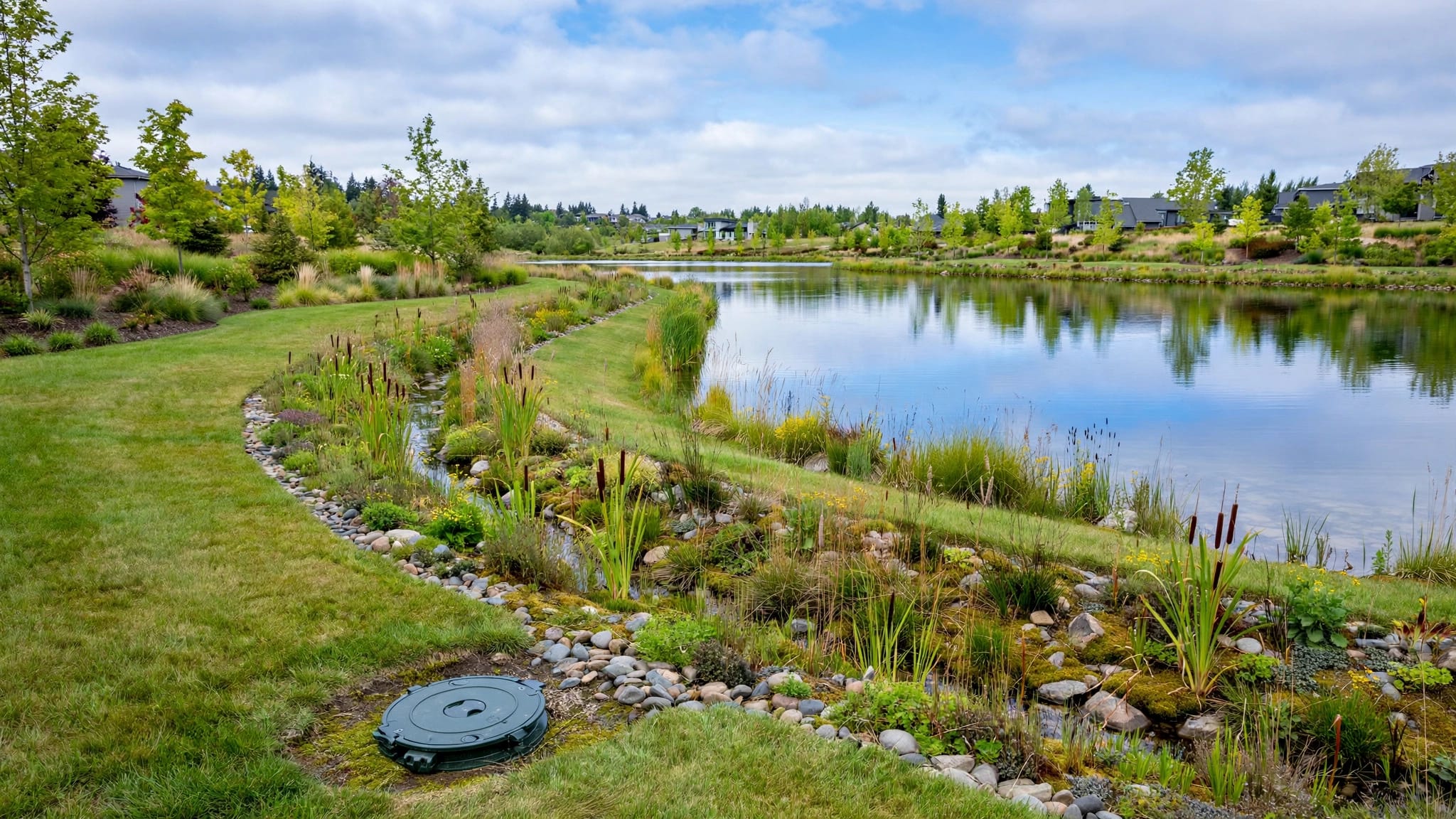
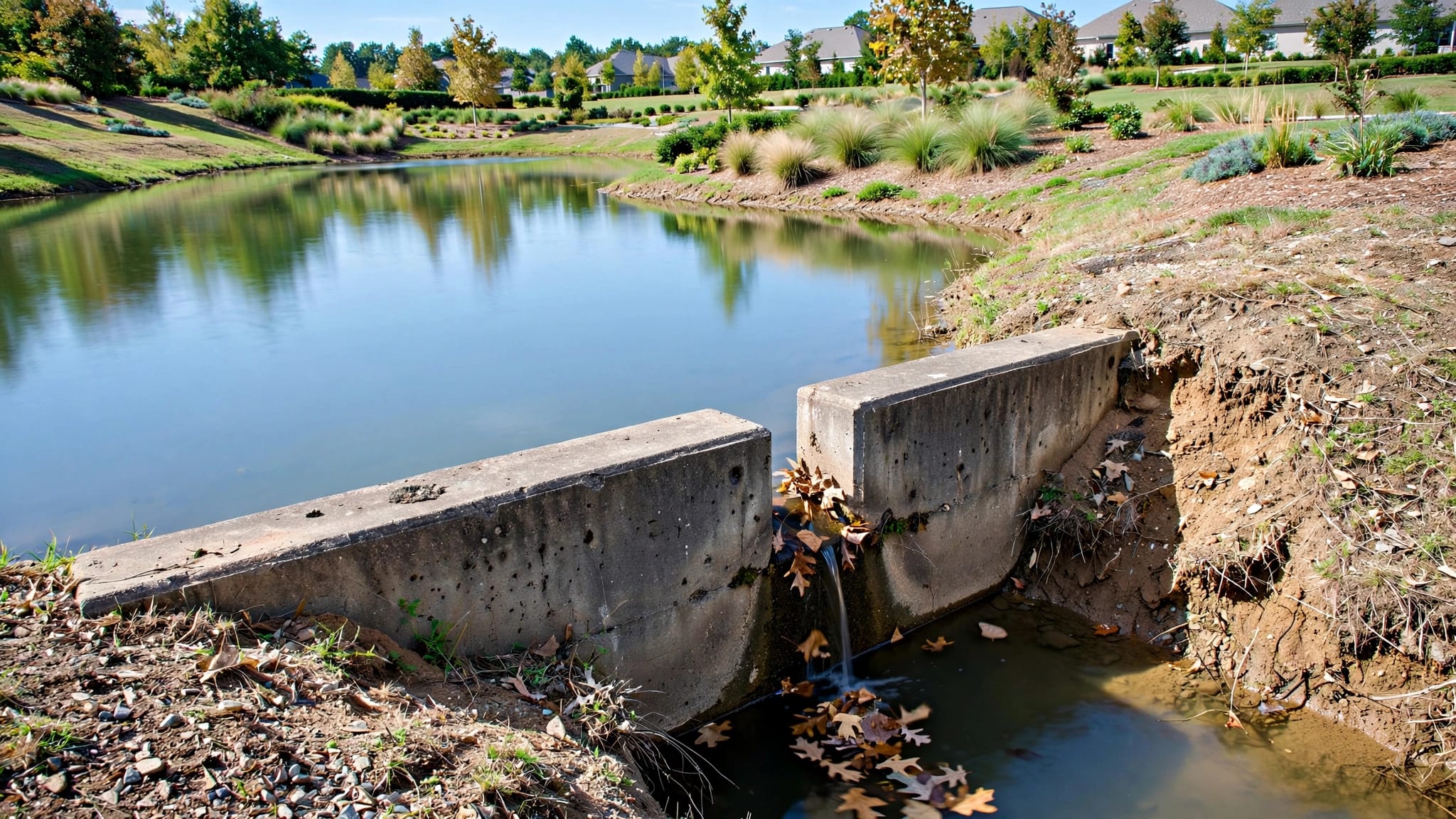
Eroding banks, exposed soil, damaged littoral shelves, and failing drainage structures fall outside a basic weed-control visit. Still, they should appear in the maintenance plan because early repairs are usually less disruptive and less costly.
Littoral plants can stabilize a shoreline and filter runoff, but they need appropriate installation and care. When a proposal includes shoreline planting or stabilization, ask how the contractor handles plant replacement, workmanship, access damage, and warranty terms.
Separate Recurring Care From Capital Projects
Annual preventive service and major restoration work should sit in different budget categories. Combining them makes the per-acre maintenance figure look inflated in one year, then artificially low in the next.
Recurring costs usually include scheduled site visits, inspections, aquatic treatments, routine debris removal, reporting, and basic equipment checks. These are the expenses that belong in the annual operating budget.
Capital or corrective projects may include sediment removal, shoreline stabilization, major aeration replacement, outlet repairs, bank regrading, or large-scale plant installation. These projects require their own scope, timeline, and reserve planning.
Plan for aeration, dredging, and storm damage
Aeration can support circulation, but compressors, diffusers, electrical components, and lines eventually need repairs or replacement. Track the equipment's age and condition so replacement doesn't arrive as an unplanned expense.
Dredging is also a separate project. Sediment buildup reduces depth and stormwater capacity, yet the cost depends on material volume, dewatering, access, disposal distance, and restoration work after excavation. Boards can use this community pond dredging FAQ when sediment becomes a budget discussion.
Storm damage deserves a reserve line as well. Fallen limbs, clogged outlets, washouts, and floating debris often need a faster response than routine service allows.
Allocate Costs Across Multiple Lakes Fairly
A total acreage calculation gives the board a portfolio-wide number. Yet it doesn't mean every lake should receive the same budget per acre.
One retention pond may protect homes from flooding. Another may sit at the entrance and shape first impressions. A golf course lake may support irrigation, playability, and course appearance. Each waterbody has a different role and risk level.
Give higher-risk waterbodies more attention
Rank each lake by drainage function, public visibility, algae or weed history, shoreline condition, safety concerns, and repair urgency. Then assign service levels based on that ranking.
For example, a high-visibility entrance lake may need frequent cleanup and appearance checks. A back-of-property basin with recurring floating vegetation may need focused treatment and outlet inspections. A stable pond may require fewer visits, freeing funds for higher-priority water.
This approach produces a more realistic budget than dividing every dollar equally. Boards managing several ponds can use guidance on prioritizing multiple HOA lakes before finalizing annual allocations.
Compare Proposals on the Same Basis
Ask every bidder to price the same lake inventory and service scope. Without a common format, one proposal may look cheaper because it omits services that another contractor includes.
A strong proposal lists the number of visits, treatment approach, inspection items, reporting schedule, equipment checks, exclusions, optional work, and response expectations after storms. It should also state whether pricing is monthly, per visit, annual, or a combination.
Verify licensing and contract details
For applicable chemical treatment work, request proof of a Commercial Applicator License #CM28291. For applicable specialty contracting work, verify a State-Licensed Specialty Contractor #SCC131152136. Those credentials help keep chemical and site work in qualified hands.
Review cancellation terms, renewal language, material limits, emergency response, disposal fees, and warranty coverage before signing. A lower price doesn't help when recurring needs become extra charges.
Boards can make side-by-side decisions more confidently by comparing HOA lake service proposals. If your acreage, lake condition, or current scope is unclear, Get a Free Lake Health Assessment before building the next budget.
A Per-Acre Budget Should Support Prevention
A dependable per-acre figure starts with measured water acreage and a defined routine service scope. It also separates annual care from dredging, major repairs, and other capital work.
The strongest budgets direct more attention toward lakes with greater drainage, safety, and appearance risks. Preventive lake care protects both the operating budget and the condition of the community's water features.
Recent Posts